NATO Not Built for Hormuz Mission: French Defense Minister
Darwin, 02 April: France’s junior defense minister, Alice Rufo, stated, “I would like to remind you what NATO actually is. It is a military alliance…



Darwin, 06 December: A major legal showdown is unfolding in the United States over the constitutional right to birthright citizenship. The U.S. Supreme Court has agreed to hear a landmark case that could ultimately reshape the country’s immigration system and redefine the basis of American citizenship. Until a verdict is reached, millions of immigrant families remain in uncertainty.
According to a report published Friday by Al Jazeera, President Donald Trump signed an executive order shortly after taking office declaring that children born in the U.S. to undocumented immigrants or temporary visa holders would no longer be eligible for birthright citizenship.
For nearly 160 years, the 14th Amendment to the U.S. Constitution has guaranteed citizenship to anyone born on American soil — with exceptions only for the children of foreign diplomats and enemy soldiers.
But the Trump administration argues that the phrase “subject to the jurisdiction thereof” means that children of individuals without legal immigration status are not automatically entitled to U.S. citizenship.
This order faced immediate legal challenges. Several lower courts struck it down as unconstitutional, and two federal circuit courts issued injunctions blocking its enforcement. The administration then appealed to the Supreme Court.
Last June, the Supreme Court ruled that the lower courts had exceeded their authority by issuing sweeping injunctions but did not offer a definitive opinion on the core constitutional question. This is the first time the Court has agreed to fully consider the issue.
The American Civil Liberties Union (ACLU), representing the plaintiffs, argues that the president cannot overturn the 14th Amendment’s guarantee of birthright citizenship. “No president can eliminate a constitutional right that has stood for 150 years,” said ACLU National Legal Director Cecillia Wang.
But Solicitor General D. John Sauer, arguing for the government, maintains that the amendment was intended to secure citizenship rights for formerly enslaved people and their descendants — not for the children of unauthorized immigrants.
The case carries significant demographic implications. Pew Research Center estimates that in 2016, roughly 250,000 children were born in the U.S. to undocumented families. As of 2022, about 1.2 million U.S. citizens had been born into such households. Research from the Migration Policy Institute and Pennsylvania State University suggests that ending birthright citizenship could increase the undocumented population by 2.7 million by 2045, and by 5.4 million by 2075.
All eyes are now on the Supreme Court, whose ruling will determine whether the United States continues its long-standing policy of citizenship by birth — or overturns more than 150 years of constitutional tradition.

Darwin, 02 April: France’s junior defense minister, Alice Rufo, stated, “I would like to remind you what NATO actually is. It is a military alliance…

Darwin, 01 April: Amid the ongoing conflict in the Middle East, Australian Prime Minister Anthony Albanese delivered a rare national television address, urging citizens not…

Darwin, 01 April: U.S. President Donald Trump has sparked controversy by suggesting that countries facing energy shortages due to the ongoing disruption in the Strait…

Darwin, 01 April: At least 29 people have been killed after a Russian military transport aircraft crashed in Crimea. The incident occurred on Tuesday evening,…
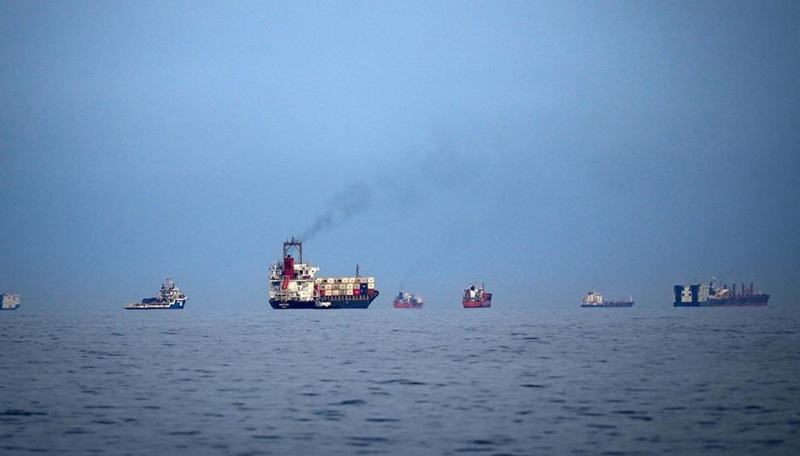
Darwin, 31 March: Amid U.S.-Israeli strikes and threats from U.S. President Donald Trump, Iran’s parliament has passed a law to formally impose transit fees on…

Darwin, 30 March: A major fire broke out at an oil refinery in northern Israel following missile strikes launched from Iran and Lebanon, according to…
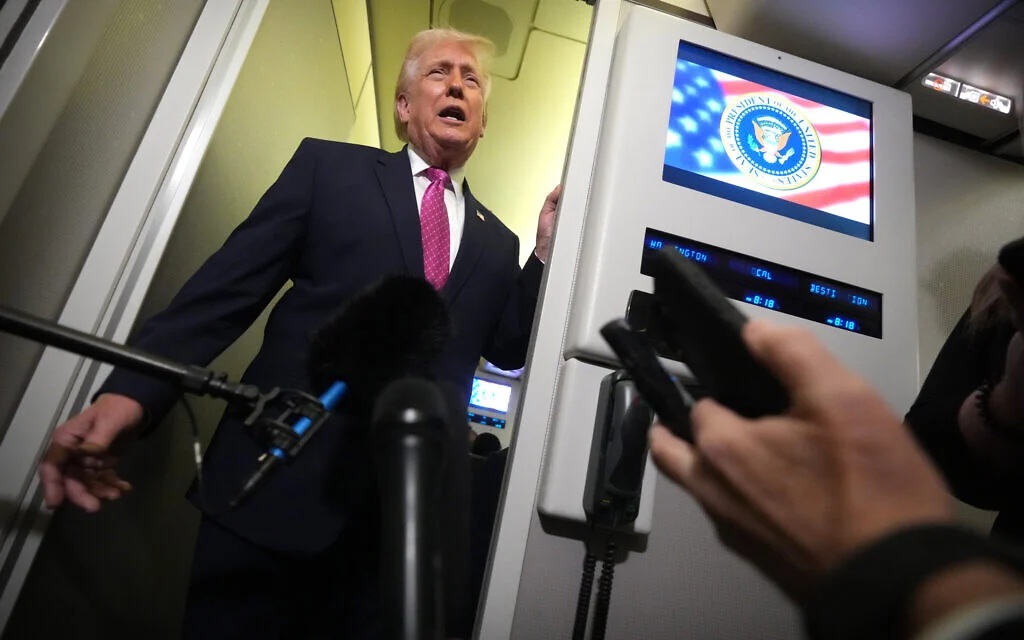
Darwin, 30 March : Amid the ongoing month-long conflict with Iran, U.S. President Donald Trump has expressed his desire to take control of all of…
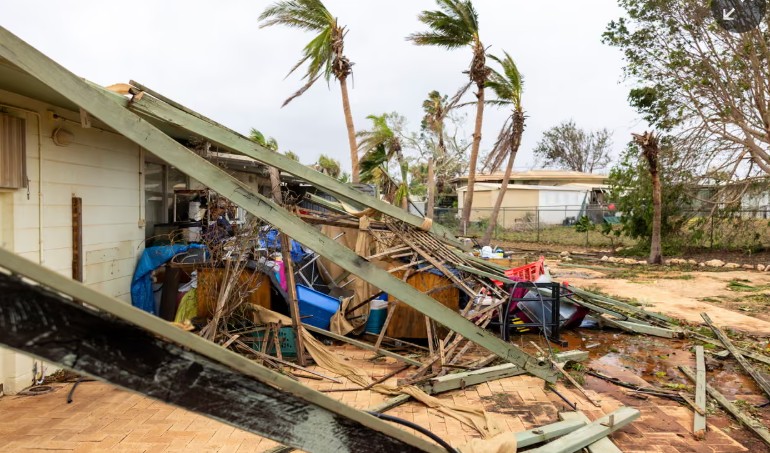
Darwin, 29 March: A major agricultural region supplying nearly 60% of fresh winter produce in Western Australia is assessing widespread damage, as authorities continue efforts…