Deaths in Australia Expected to Outnumber Births by the 2060s, Report Says
Darwin, October 05: Deaths in Australia are expected to outnumber births by the 2060s, according to a government report, marking a demographic milestone that countries…



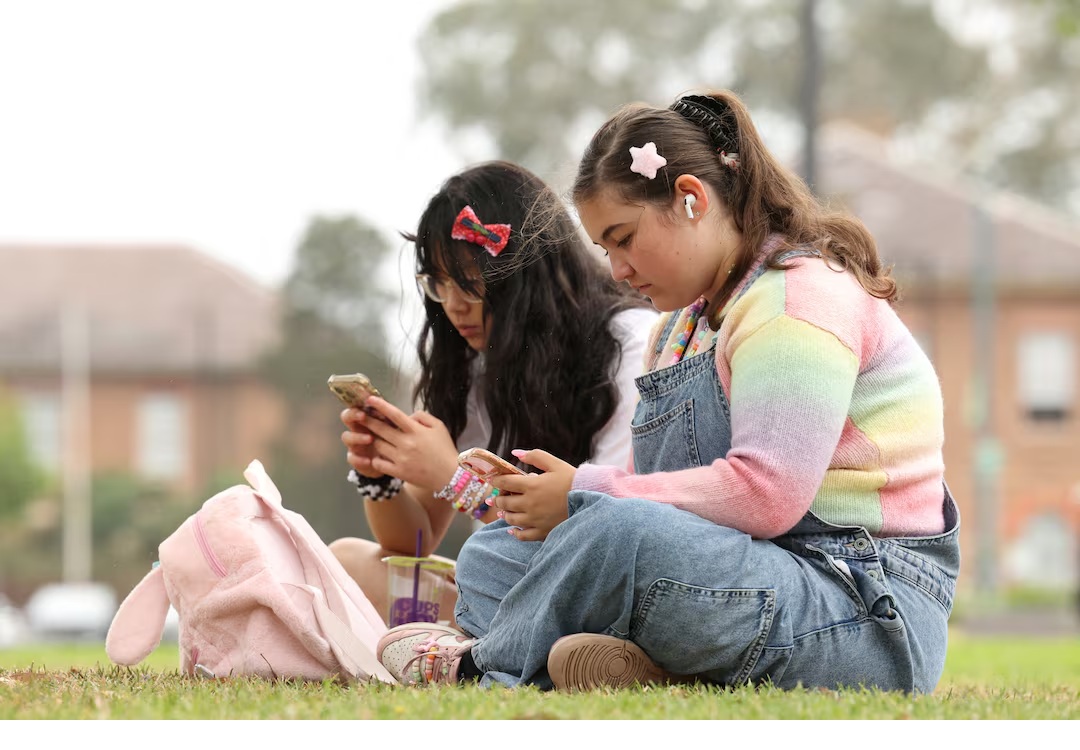
SYDNEY: Australia’s world-first social media ban for children under 16 is set to take effect on December 10, immediately affecting over a million young users just days before the country breaks for its longest school holiday. Mental health experts are warning that the timing—a byproduct of when the law passed—could have severe and unintended consequences, leading to increased anxiety and isolation.
The new law blocks under-16s from accessing platforms including TikTok, Alphabet’s YouTube, and Meta’s Instagram, threatening platforms with fines up to A$49.5 million ($33 million) for non-compliance.
For teenagers like 15-year-old Ayris Tolson, the ban feels like being socially cut off for six weeks. “You’re basically isolated for about six weeks during the school holidays,” Tolson told Reuters. “As it continues on, I will probably feel more attached to social media. It’s not such a good time.”
Mental health providers fear the “cold turkey” effect. Nicola Palfrey, head of clinical leadership at headspace, noted that without the routines and institutional supports of school, time alone with anxious thoughts is “not ideal.”
The concern is particularly pronounced for marginalized groups, including youth in remote locations, migrants, and LGBTQI+ individuals, who often rely on the internet for vital connections and peer support.
Youth services are already adapting to the anticipated increase in demand. Kids Helpline, a critical telephone and online service, is typically quieter during the summer but is now proactively training 16 additional counsellors—a 10% increase—to handle a possible “deluge of referrals” related to the ban.
Tony FitzGerald, the service’s head of virtual services, noted that the lack of communication channels may “increase anxiety” among young people. Similarly, the addiction clinic at Fiona Stanley Hospital in Perth plans to monitor for an uptick in presentations related to gaming and social media issues over the holidays.
The government maintains the ban is beneficial, designed to protect young people from bullying, harmful content, and addictive algorithms. eSafety Commissioner Julie Inman Grant acknowledged that some young people in marginalized groups “feel more themselves online than they do in the real world” but suggested they should visit various exempted online spaces run by services like headspace. The government plans to collect two years of data to assess the policy’s effects.
Darwin, October 05: Deaths in Australia are expected to outnumber births by the 2060s, according to a government report, marking a demographic milestone that countries…
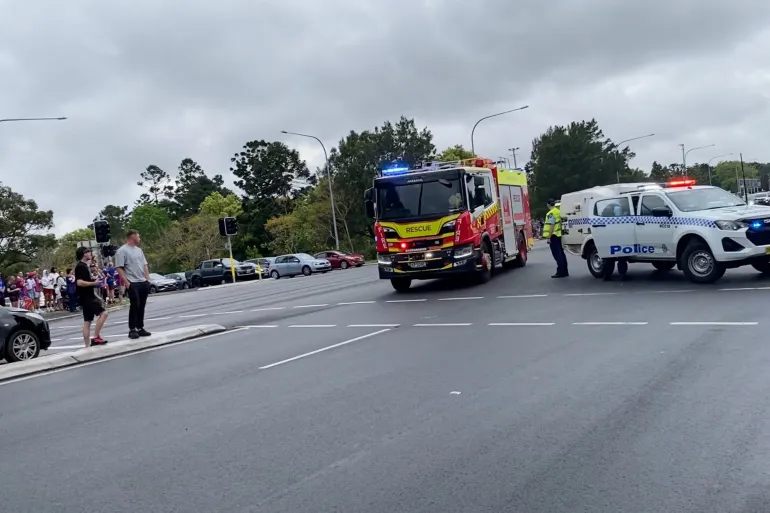
Darwin, October 04: Ten people, including three children, have been injured after a car crashed into a crowd of rugby league fans in Newcastle, eastern…
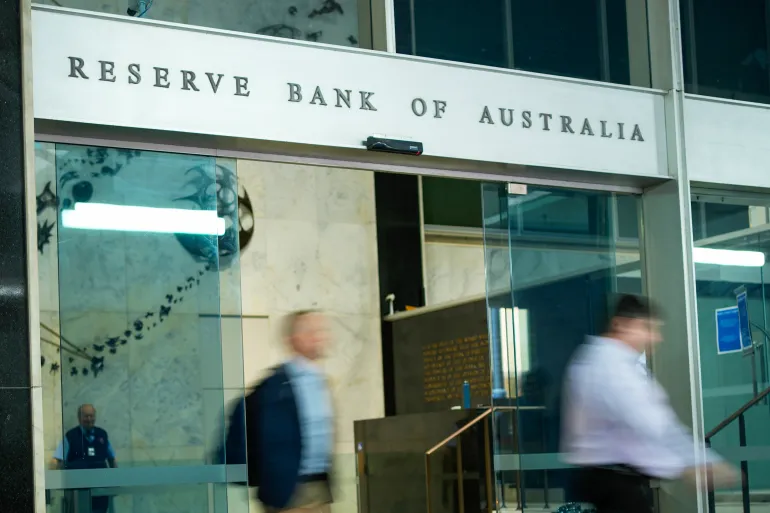
Darwin, October 4: Australia’s central bank has raised interest rates to their highest level in 15 years, increasing mortgage repayments for millions of Australian households….
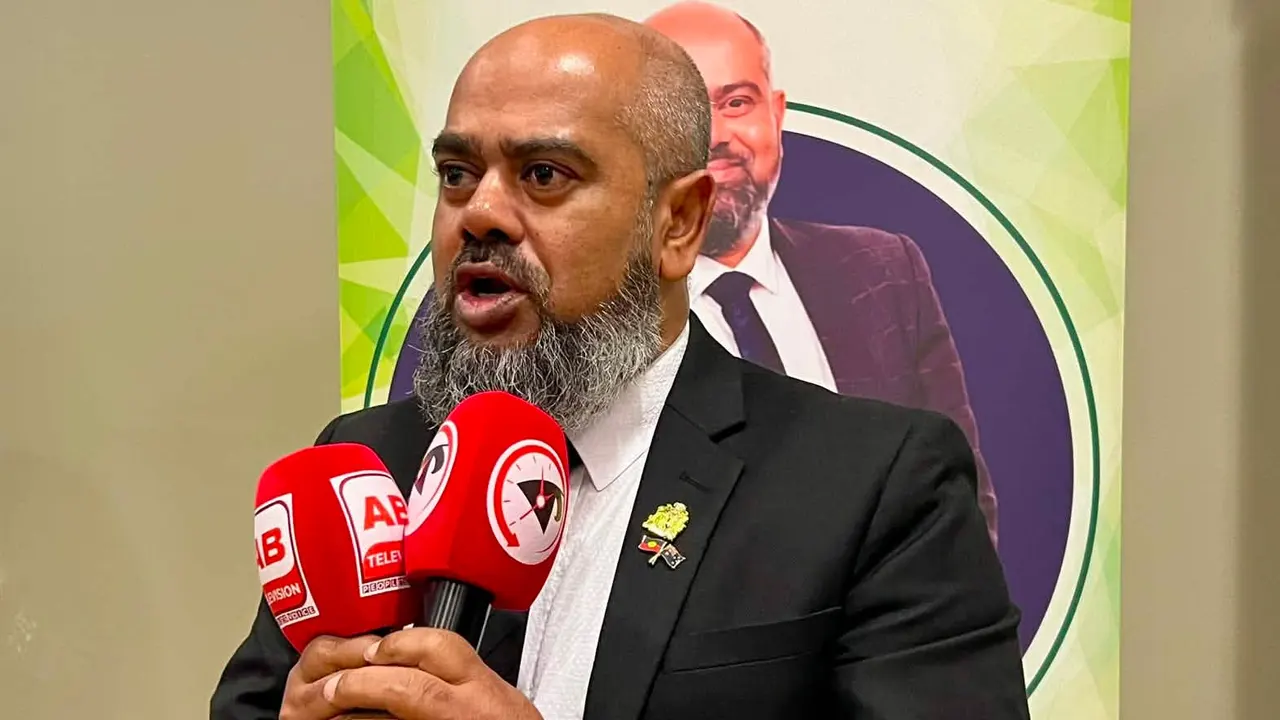
Darwin, September 06: Bangladeshi-Australian community leader and Campbelltown City Councillor and former Deputy Mayor Mohammad Ibrahim Khalil Masud has formally announced his candidacy for the…

Darwin, September 02: Queensland has introduced strict new rules governing the use of e-bikes and e-scooters. From now on, people using these electric vehicles in…
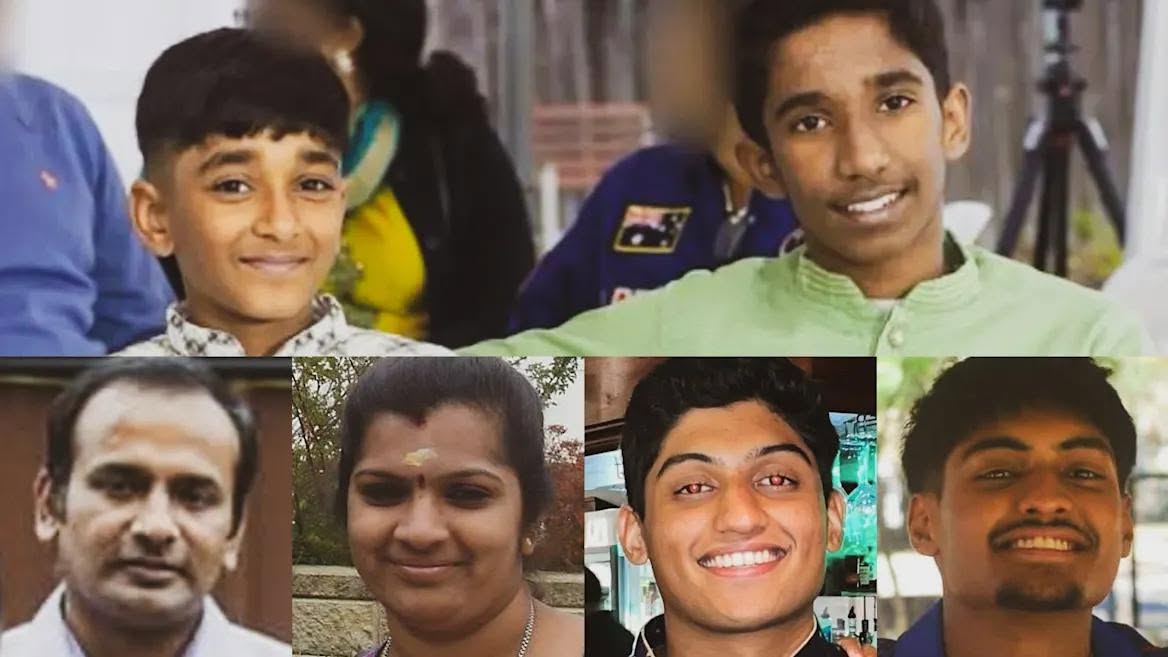
Darwin, August 28: At least 39 Australian citizens are among nearly 1,500 people still missing following devastating flash floods and landslides in areas along the…
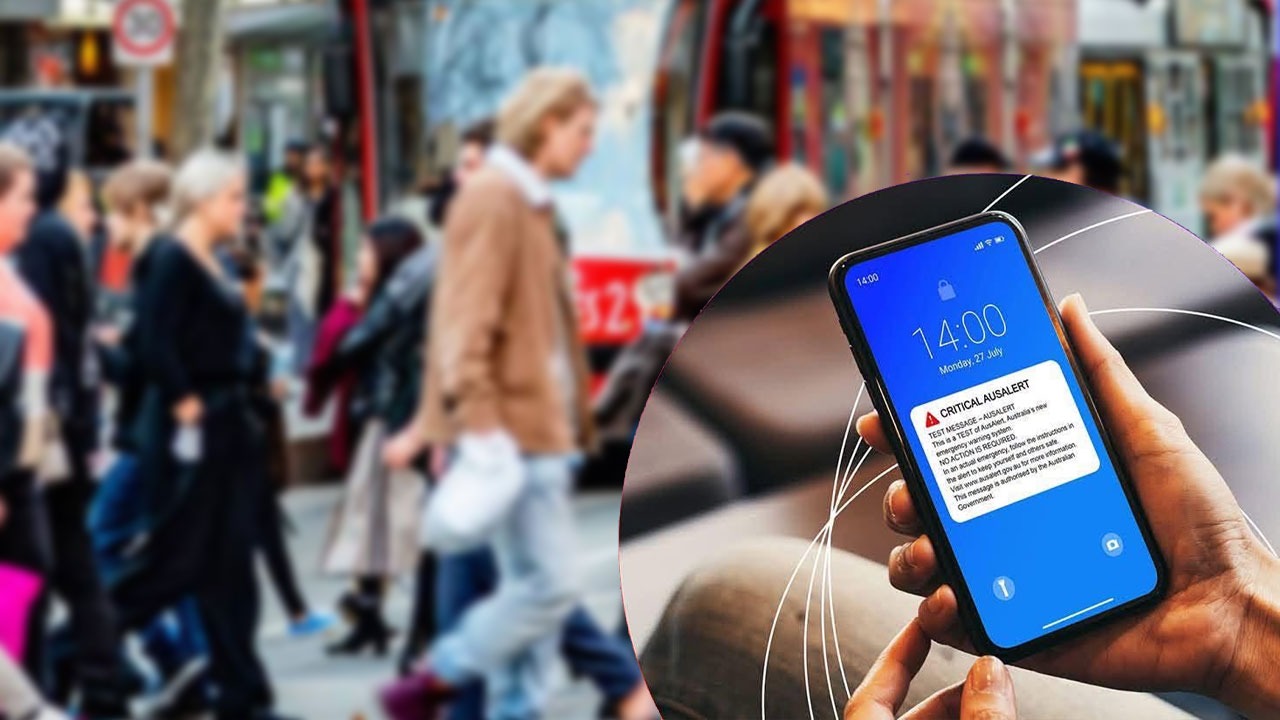
Darwin, 28 July : Australia’s new national emergency alert system, AusAlert, successfully completed its first nationwide trial on Monday. At 2:00 pm local time (AEST)…
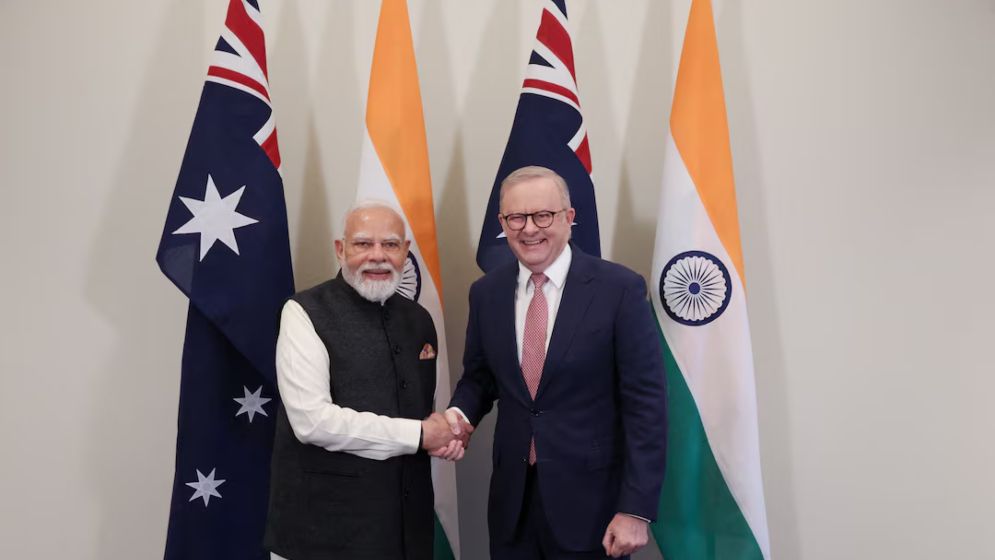
Darwin, 10 July : India and Australia have signed a significant energy cooperation agreement, including uranium exports, during Indian Prime Minister Narendra Modi’s visit to…