Navi Pillay, Who Fought for Gaza, Wins Nobel Peace Prize
Darwin, October 09: Navanetham “Navi” Pillay, a South African jurist who led a United Nations investigative commission that described Israel’s actions in Gaza as genocide,…



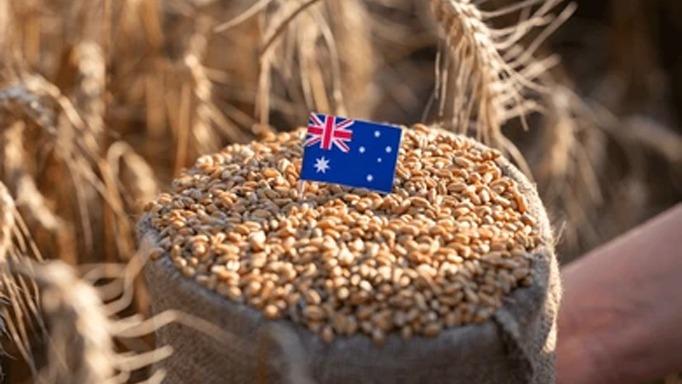
Darwin, 02 June : Australia’s wheat production is expected to decline this year as rising fertiliser costs linked to the war involving Iran and persistent dry conditions threaten crop yields, according to the Australian government.
The Australian Bureau of Agricultural and Resource Economics and Sciences (ABARES) forecasts that the country will produce about 26.7 million metric tonnes of wheat in the upcoming harvest, nearly 9 million tonnes less than last season. If realised, it would be Australia’s smallest wheat crop in three years.
ABARES said soaring fertiliser prices, driven by disruptions to global supply chains amid the conflict involving Iran, along with below-average rainfall across eastern Australia, are key factors behind the projected decline.
“It will be crucial that adequate and timely supplies of fertiliser are available and that sufficient rainfall is received to meet current yield projections,” the agency said in its quarterly crop report.
Australia is one of the world’s largest wheat exporters. Before the conflict, the country relied heavily on imports of diesel fuel and fertilisers shipped through the Strait of Hormuz, a critical maritime route that has since faced disruptions.
Analysts warn that a smaller Australian harvest could tighten global wheat supplies and contribute to higher food prices in international markets.
The U.S. Department of Agriculture’s Foreign Agricultural Service (FAS) has reported that Australia’s wheat-growing area is expected to decline by 600,000 hectares, or 4.8 percent.
In the 2026/27 marketing year, Australia’s wheat production is projected to fall to 29 million tonnes, down from approximately 36 million tonnes in the previous season.
As a major global wheat supplier, Australia exports wheat to more than 50 markets. In recent years, Indonesia has emerged as the largest destination, accounting for about one-fifth of total exports.
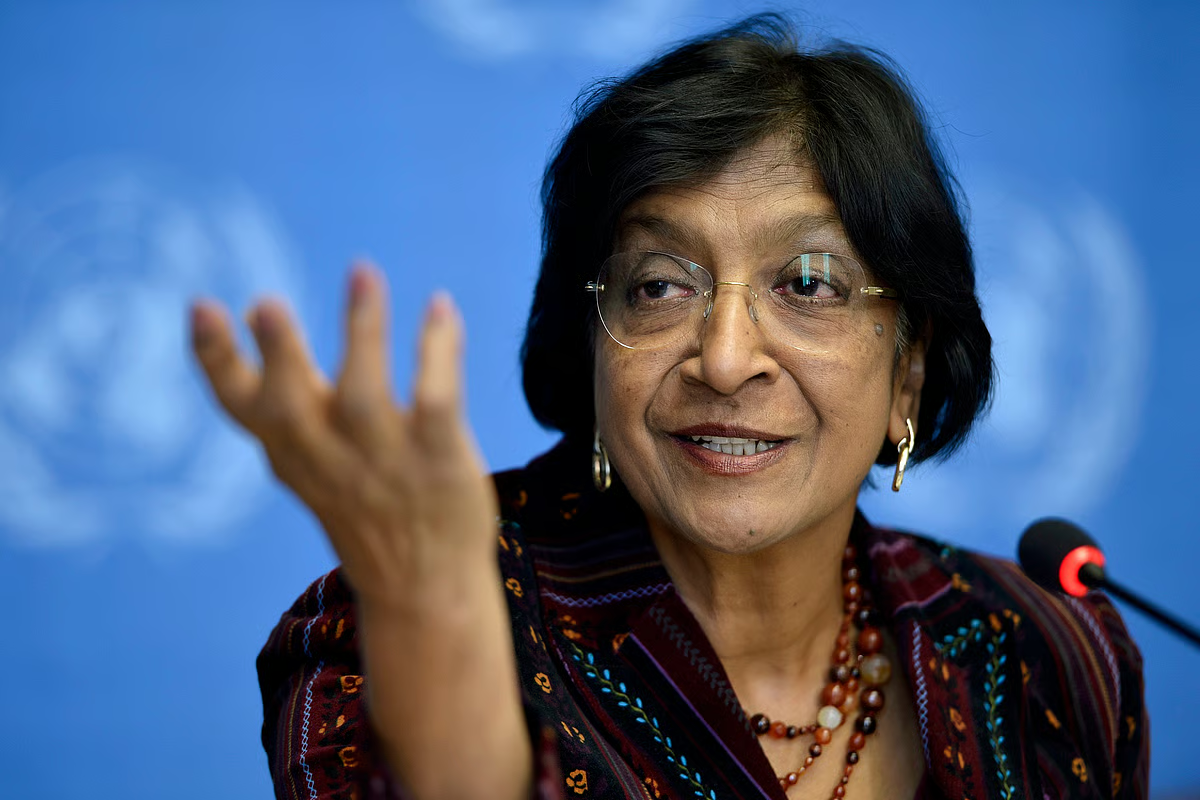
Darwin, October 09: Navanetham “Navi” Pillay, a South African jurist who led a United Nations investigative commission that described Israel’s actions in Gaza as genocide,…

Darwin, October 08: U.S. President Donald Trump said on Wednesday that he deserves to win the Nobel Peace Prize, while expressing doubts that he would…

ডারউইন, অক্টোবর ০৮: ভারতের পশ্চিমবঙ্গ রাজ্যে শিক্ষা ব্যবস্থায় বড়সড় বদলের খবর জানালেন মুখ্যমন্ত্রী শুভেন্দু অধিকারী। তার মতে, শিক্ষক নিয়োগে সমতা আনতে পশ্চিমবঙ্গ রাজ্যে আনুষ্ঠানিকভাবে বিলুপ্ত…

Darwin, October 07: Lionel Messi’s final match in international football, if this indeed was his last, was just like the man himself—filled with goals, assists, and…

Darwin, October 07: Russia has finalized preparations to provide Iran with a $1 billion loan. The funds will be transferred once Tehran provides the necessary…
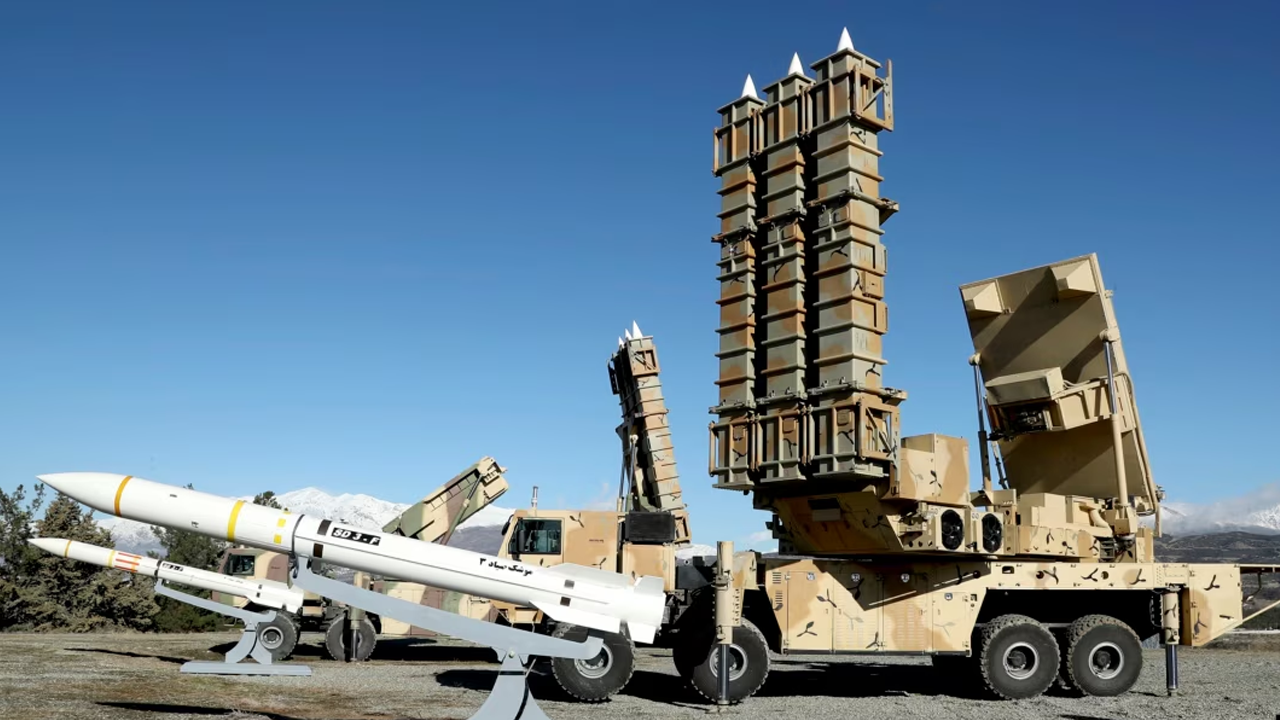
DARWIN, October 7: Iran has warned that it will deliver a stronger response if the United States or Israel launches another attack. The country also…

Darwin, October 05: Deaths in Australia are expected to outnumber births by the 2060s, according to a government report, marking a demographic milestone that countries…

Darwin, October 04: Ten people, including three children, have been injured after a car crashed into a crowd of rugby league fans in Newcastle, eastern…