Northern Territory Hit by Severe Floods, Residents Advised to Boil Water
Darwin, 11 March: Heavy rains and widespread flooding have caused major disruptions in Australia’s Northern Territory. In the capital city of Darwin, the water supply…



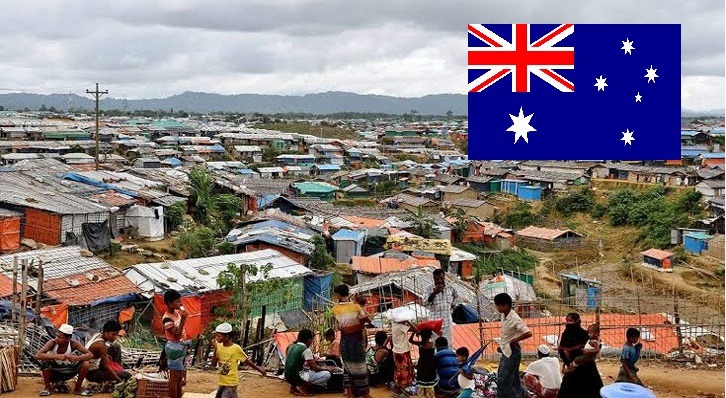
Darwin, 14 March: The Government of Australia and the United Nations Population Fund (UNFPA) have signed a new agreement worth AUD 16.5 million to support Rohingya refugees who fled from Myanmar and the host communities in Bangladesh. The funding will cover the period 2026–2028.
According to a UNFPA press release, the new agreement will help continue essential services in Cox’s Bazar for the most vulnerable women, adolescent girls, and families. These services include sexual and reproductive health care, prevention and response to gender-based violence, and support programs for adolescents and youth.
This will be the third multi-year funding agreement between Australia and UNFPA. The partnership reaffirms Australia’s strong commitment to protecting the lives, dignity, and rights of Rohingya refugees and host communities.
The assistance comes at a critical time, as more than 1.2 million Rohingya currently live in the densely populated camps in Cox’s Bazar. In addition, about 568,000 people in the host communities also require humanitarian assistance.
Women and adolescent girls continue to face high risks such as gender-based violence, child marriage, and limited access to essential sexual and reproductive health services. Security concerns, climate-related disasters, and declining global humanitarian funding are further complicating the situation.
Australia’s High Commissioner to Bangladesh, Susan Ryle, said Australia is proud to work with UNFPA. She noted that the multi-year investment reflects Australia’s commitment to predictable and flexible humanitarian funding that saves lives, protects women and girls, and helps communities cope with displacement, insecurity, and climate pressures.
UNFPA plays a crucial role in Rohingya humanitarian assistance. Through a network of reproductive health centers, women-friendly spaces, and youth centers, the organization provides safe maternity care, midwifery services, mental health support, clinical management of rape, voluntary and rights-based family planning, dignity kits, and empowerment opportunities for women.
With Australia’s previous support, UNFPA has reached around 340,000 Rohingya and host community women and adolescent girls over the past three years. This includes more than 7,500 people with disabilities. The support has also contributed to reducing maternal deaths in the Rohingya camps.
UNFPA Representative in Bangladesh, Catherine Brine‑Khamkong, described the contribution as a timely and strategic investment in Rohingya humanitarian response. She emphasized that such funding is vital for maintaining life-saving services, adapting to changing needs, and protecting the health, safety, and dignity of women and girls.
She added that Australia’s partnership helps ensure that no woman gives birth without assistance, no survivor of violence is left without support, and no adolescent is overlooked.
The new agreement aligns with the Joint Response Plan (JRP) for Rohingya humanitarian assistance and future planning frameworks. It is also consistent with the Australia-Bangladesh Development Partnership Plan 2025–2030 and broader humanitarian commitments.

Darwin, 11 March: Heavy rains and widespread flooding have caused major disruptions in Australia’s Northern Territory. In the capital city of Darwin, the water supply…
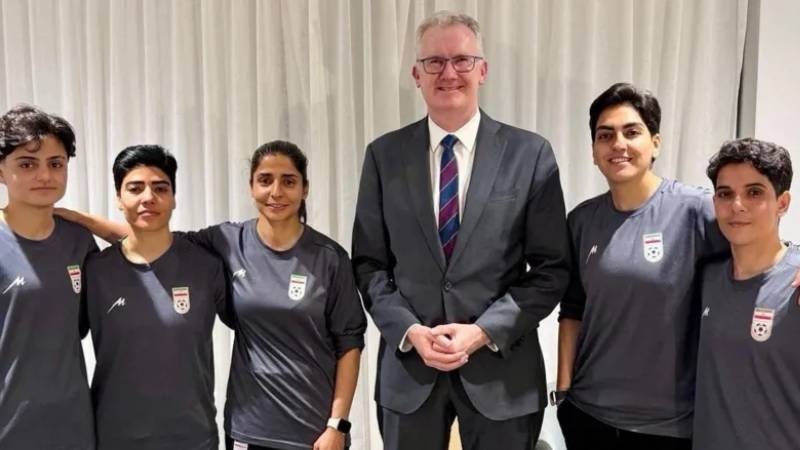
Darwin, 10 March : Five members of Iran’s women’s football team have fled their team camp during the AFC Women’s Asian Cup in Australia and…

Darwin, 08 March : Today, March 8, 2026, marks International Women’s Day. This year the day is being observed around the world, including in Australia,…

Darwin, 06 March: Three Australian nationals were aboard a U.S. nuclear-powered submarine that sank an Iranian military vessel in the Indian Ocean. Australian Prime Minister…

Darwin, 05 March: Australian Prime Minister Anthony Albanese has announced that Australia has deployed military equipment to the Middle East as part of emergency contingency…

Darwin, 03 March : Australia has no plans to join the U.S.–Israeli military operation against Iran. In an interview with Nine News on Monday, Australian…

Darwin, 25 February: The government of Australia has instructed the families of its diplomats stationed in Israel and Lebanon to leave the two countries due…

Darwin, 14 February: Valentine’s Day, celebrated every year on February 14, is a beautiful occasion dedicated to love, affection, and meaningful relationships. Across the globe,…