Oil Prices Rise in Global Markets on Fears of Middle East Supply Disruptions
Darwin, October 21: Oil prices rose in global markets on Wednesday as traders grew concerned about potential disruptions to oil supplies in the Middle East,…



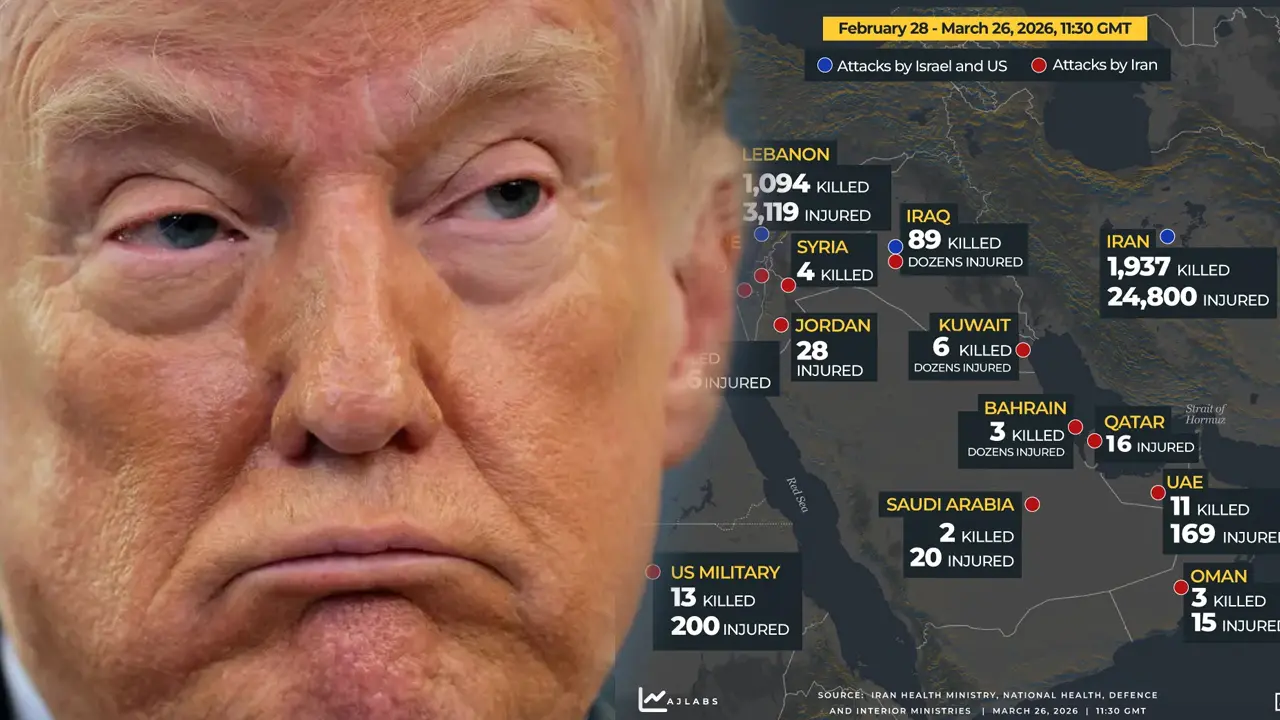
Darwin, 27 March: Amid escalating tensions with Iran, former U.S. President Donald Trump has announced a further delay in the planned strike on Iran’s energy infrastructure, extending the deadline by 10 days.
According to Trump, the decision was made following a request from Iran, with the new deadline now set for April 6. In a post on his social media platform Truth Social, he claimed that negotiations were “progressing very well.” However, Iranian officials have denied that any such talks are taking place.
The announcement comes as the United States continues to pressure Iran to reopen the strategically vital Strait of Hormuz, a key route for global oil shipments that has recently been disrupted.
Earlier, Trump had warned that failure to reopen the strait within 48 hours would result in strikes on Iran’s power grid. He initially extended the deadline by five days before announcing this second delay.
The proposed attacks have sparked international concern. Amnesty International criticized the move, calling it a potential “threat of committing war crimes.” Legal experts have also warned that targeting civilian infrastructure, such as power plants, could violate the Geneva Conventions unless directly justified by military necessity.
The current conflict began on February 28, when the United States and Israel launched joint strikes on Iran, triggering a broader regional escalation. Since then, tensions across the Middle East have intensified, with over a thousand reported casualties.
Despite Trump’s claim that Iran is seeking a deal to end the war, Tehran has rejected the assertion and warned of wider regional retaliation if its energy facilities are attacked.
Analysts say the combination of ongoing threats and claims of negotiations is adding to uncertainty in an already volatile situation.
Experts also warn that the crisis surrounding the Strait of Hormuz could have serious consequences for the global economy, particularly in energy markets, if the conflict continues to escalate.
Darwin, October 21: Oil prices rose in global markets on Wednesday as traders grew concerned about potential disruptions to oil supplies in the Middle East,…
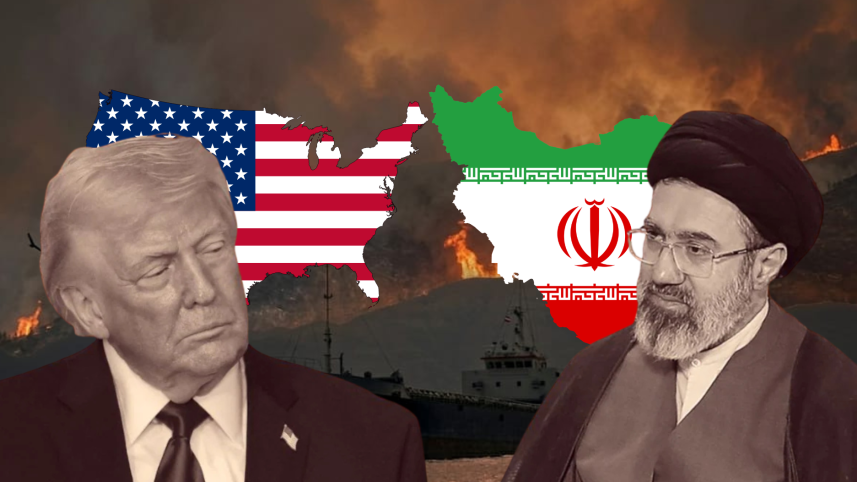
Darwin, October 21: Iran is prolonging negotiations with Washington in an attempt to politically weaken President Donald Trump ahead of the US midterm elections, according…

Darwin, October 21: Today is the auspicious occasion of Bijaya Dashami. The five-day Sharadiya Durga Puja, the biggest religious festival of the Hindu community, officially…

Darwin, October 20: Today is Maha Navami, the ninth day of Sharadiya Durga Puja. Members of the Hindu community will observe the day through religious…

Darwin, October 20: Protests and violence over the rising cost of living have erupted in Italy, one of Europe’s largest economies, following similar unrest in…
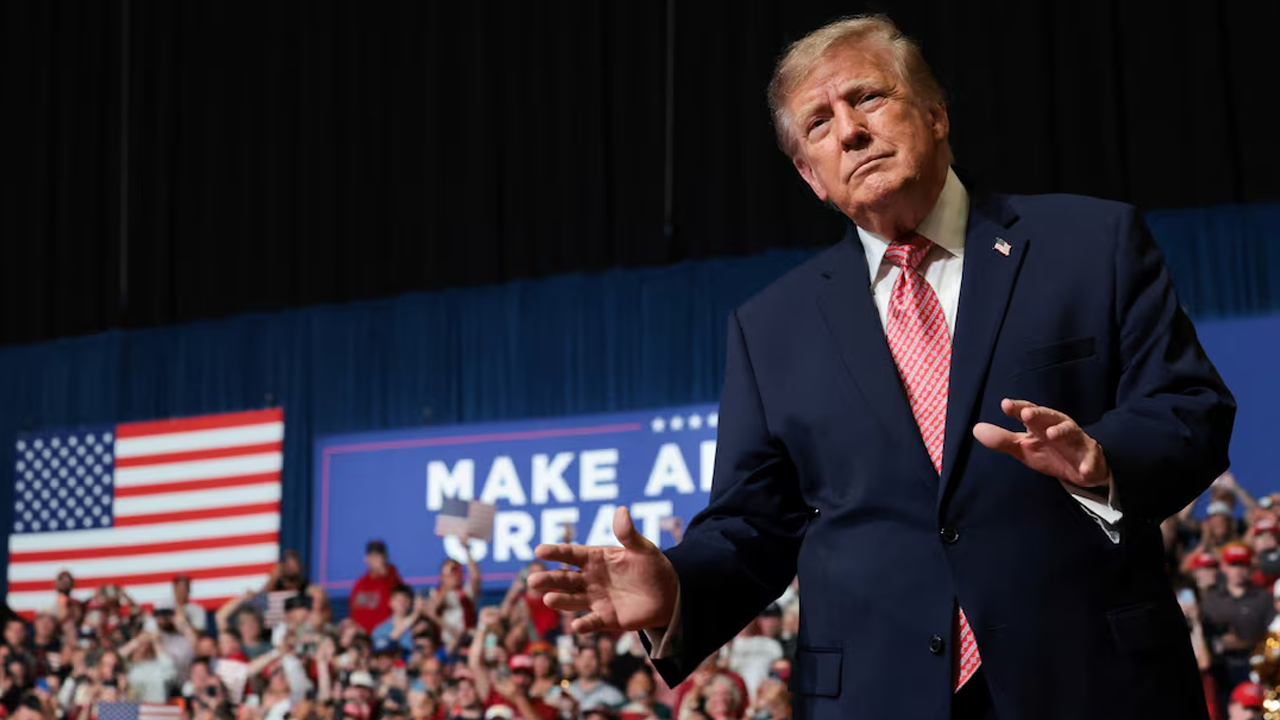
Darwin, October 20: US President Donald Trump has warned that protests and violence similar to those in France could spread across the United States if…
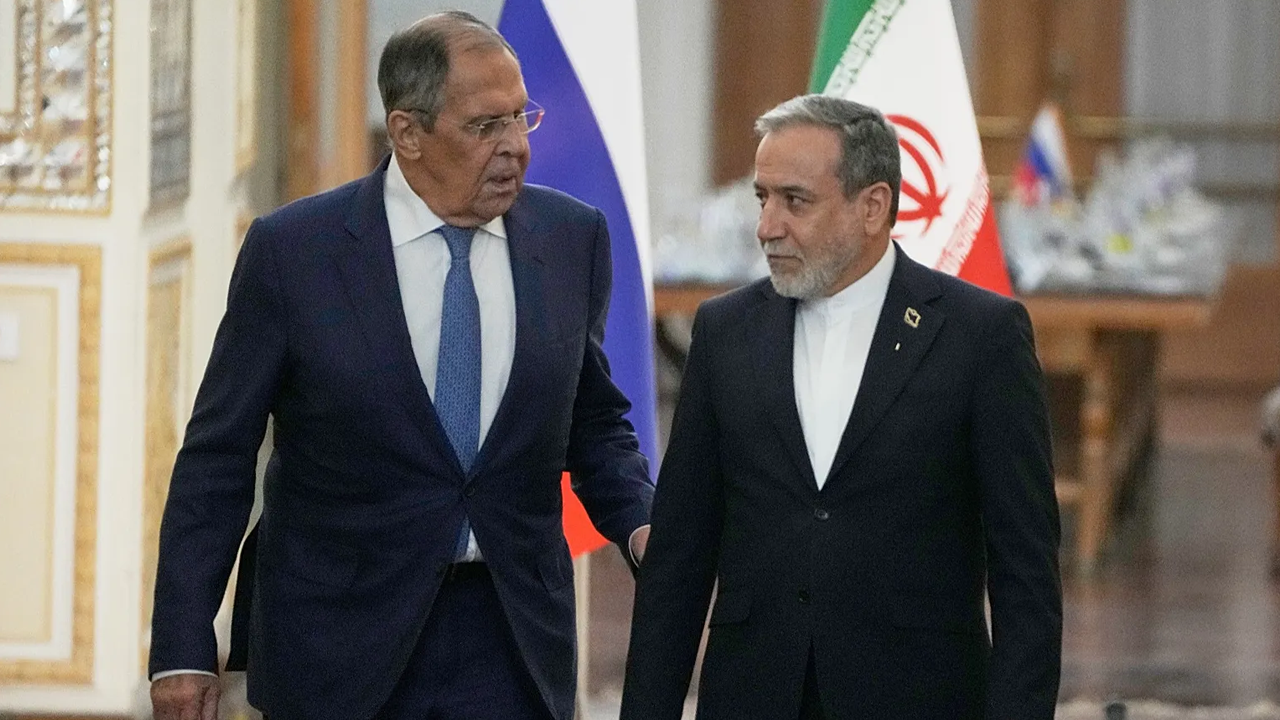
Darwin, October 20: Moscow has reaffirmed its full support for Tehran just hours after US President Donald Trump remarked that Russia was doing very little…

Darwin, October 19: Former Manchester City manager Pep Guardiola has urged the world not to forget the Palestinians in Gaza. In a video for the…