PM Albanese Urges Australians Not to Hoard Fuel
Darwin, 01 April: Amid the ongoing conflict in the Middle East, Australian Prime Minister Anthony Albanese delivered a rare national television address, urging citizens not…



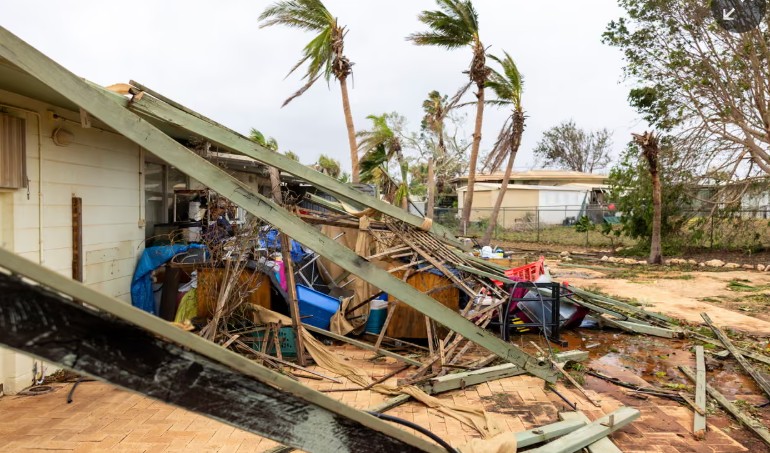
Darwin, 29 March: A major agricultural region supplying nearly 60% of fresh winter produce in Western Australia is assessing widespread damage, as authorities continue efforts to restore power and essential services to storm-ravaged communities following Cyclone Narelle.
The food-producing region near Carnarvon, about 900 kilometers north of Perth, plays a crucial role in the state’s food supply, including producing around 80% of its bananas. However, severe weather has left crops devastated and raised concerns about potential food shortages.
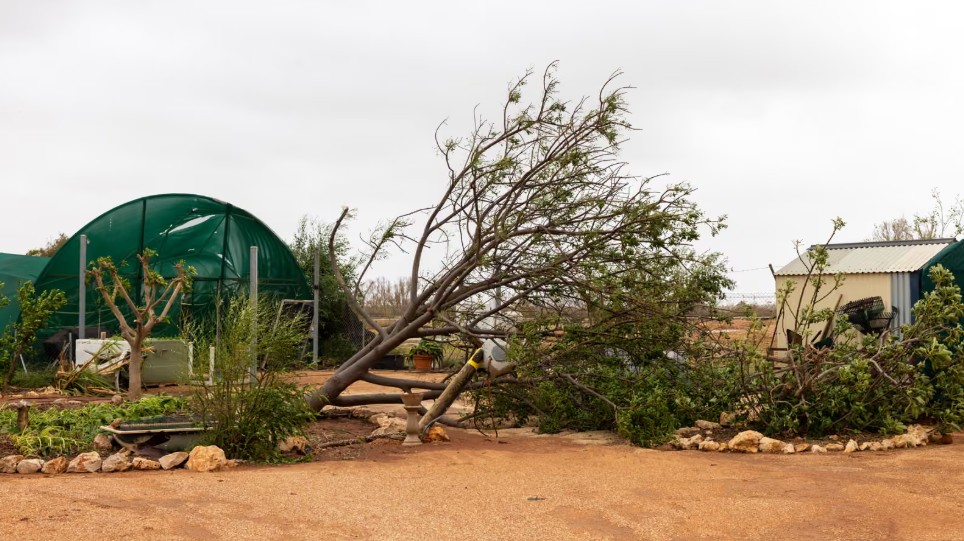
Local business owner Jo Bumbak described the destruction, saying corn crops had been completely flattened and tomato seedlings destroyed by intense winds. She added that a nearby avocado farm had been “entirely wiped out,” with fruit scattered across the ground. While mature banana trees suffered heavy damage, younger plants showed some resilience.
Authorities have also warned of imminent flooding along the Gascoyne River, which flows inland toward Carnarvon, potentially isolating communities further.
Meanwhile, the popular tourist town of Exmouth, located about 1,250 kilometers north of Perth, has experienced significant destruction. Officials have confirmed at least four structures destroyed and 27 damaged so far, though the figures are expected to rise as inspections continue across more than 2,000 properties.
Emergency crews restored electricity to around 250 homes by Sunday morning, but many residents remain without power. Extensive efforts are ongoing to reconnect services and repair damaged water infrastructure. The town’s airport has been heavily damaged, and the main access road remains փակ due to flooding, leaving Exmouth largely isolated.
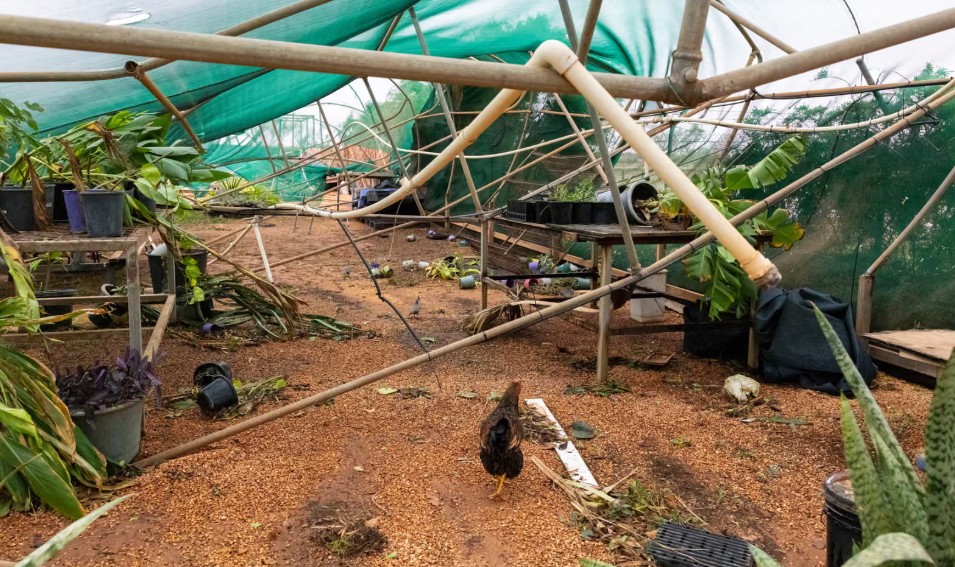
Residents described the aftermath as catastrophic. Local man Craig Kitson said, “There’s pretty much devastation everywhere you look. The town has fundamentally changed.” He added that many homes were severely damaged or destroyed, with some residents’ lives “drastically changed.”
Cyclone Narelle battered coastal areas with wind speeds of up to 250 km/h and brought a year’s worth of rainfall in just one day. After weakening into a subtropical low, the system moved offshore overnight after tracking inland east of Perth. Prior to that, it caused extensive damage across the Pilbara and North West Cape regions.
About 50 people were forced to evacuate a local shelter in Exmouth after it sustained wind damage. Roofs were torn from buildings, homes flooded, and widespread power outages disrupted daily life.
Emergency Services Commissioner Darren Klemm warned that recovery and clean-up operations could take weeks, given the scale of destruction and ongoing access challenges.
Beyond local impacts, Cyclone Narelle has also disrupted Australia’s energy sector. Major liquefied natural gas operations have been affected, including facilities operated by Chevron and Woodside Energy.
Woodside reported continued disruptions at its Karratha gas plant, part of the North West Shelf project, while gradually remobilising workers and assessing damage. Chevron is working to restore output at its Gorgon and Wheatstone facilities. The Barrow Island-based Gorgon project—Australia’s largest LNG export facility—has an annual production capacity of 15.6 million tonnes, while Wheatstone produces about 8.9 million tonnes per year.
As recovery efforts continue, authorities warn that ongoing infrastructure damage, flooding risks, and supply disruptions could have lasting effects on communities, agriculture, and energy production across the region.
Source: Guardian, ABC News

Darwin, 01 April: Amid the ongoing conflict in the Middle East, Australian Prime Minister Anthony Albanese delivered a rare national television address, urging citizens not…

Darwin, 01 April: Australian Prime Minister Anthony Albanese will make a rare address to the nation across television and radio networks on Wednesday, outlining Canberra’s…

Darwin, 01 April: Australia has canceled the visa of popular Bangladeshi religious preacher Maulana Mizanur Rahman Azhari following controversy over his statements. The government took…

Darwin, 01 April: U.S. President Donald Trump has sparked controversy by suggesting that countries facing energy shortages due to the ongoing disruption in the Strait…

Darwin, 01 April: At least 29 people have been killed after a Russian military transport aircraft crashed in Crimea. The incident occurred on Tuesday evening,…
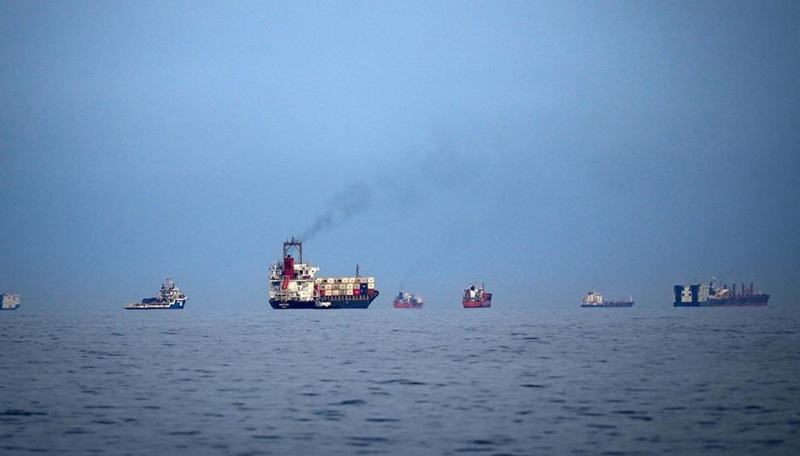
Darwin, 31 March: Amid U.S.-Israeli strikes and threats from U.S. President Donald Trump, Iran’s parliament has passed a law to formally impose transit fees on…

Darwin, 31 march: Economists have warned that the Australian government’s decision to cut fuel taxes may provide short-term relief but could lead to higher inflation…
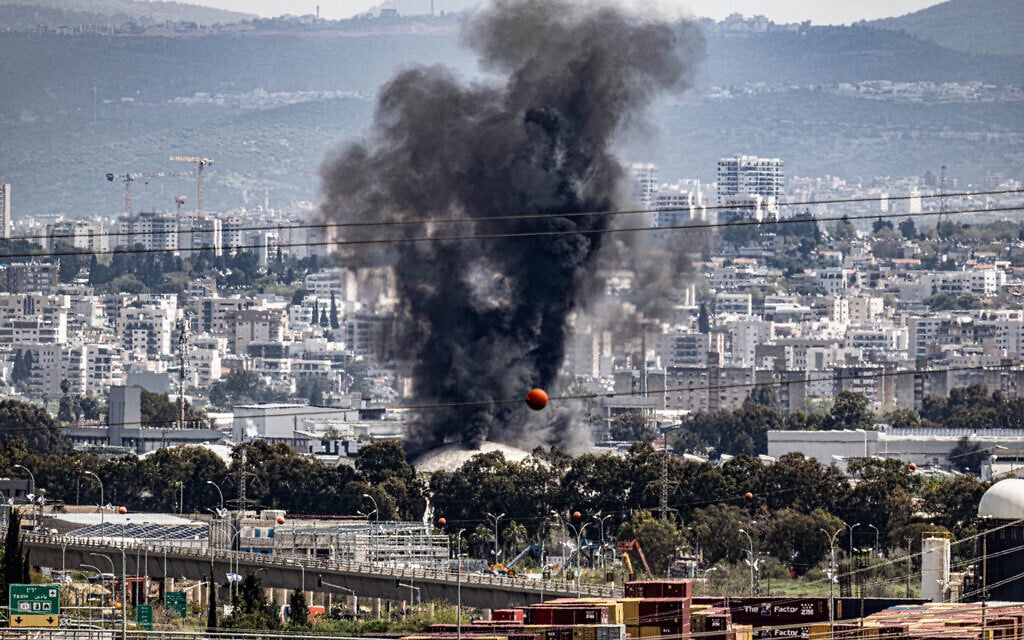
Darwin, 30 March: A major fire broke out at an oil refinery in northern Israel following missile strikes launched from Iran and Lebanon, according to…