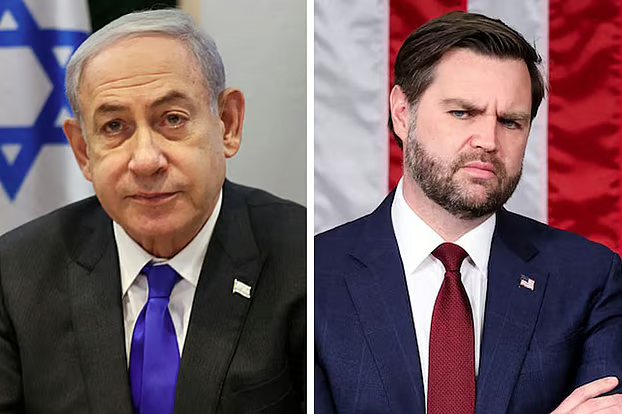
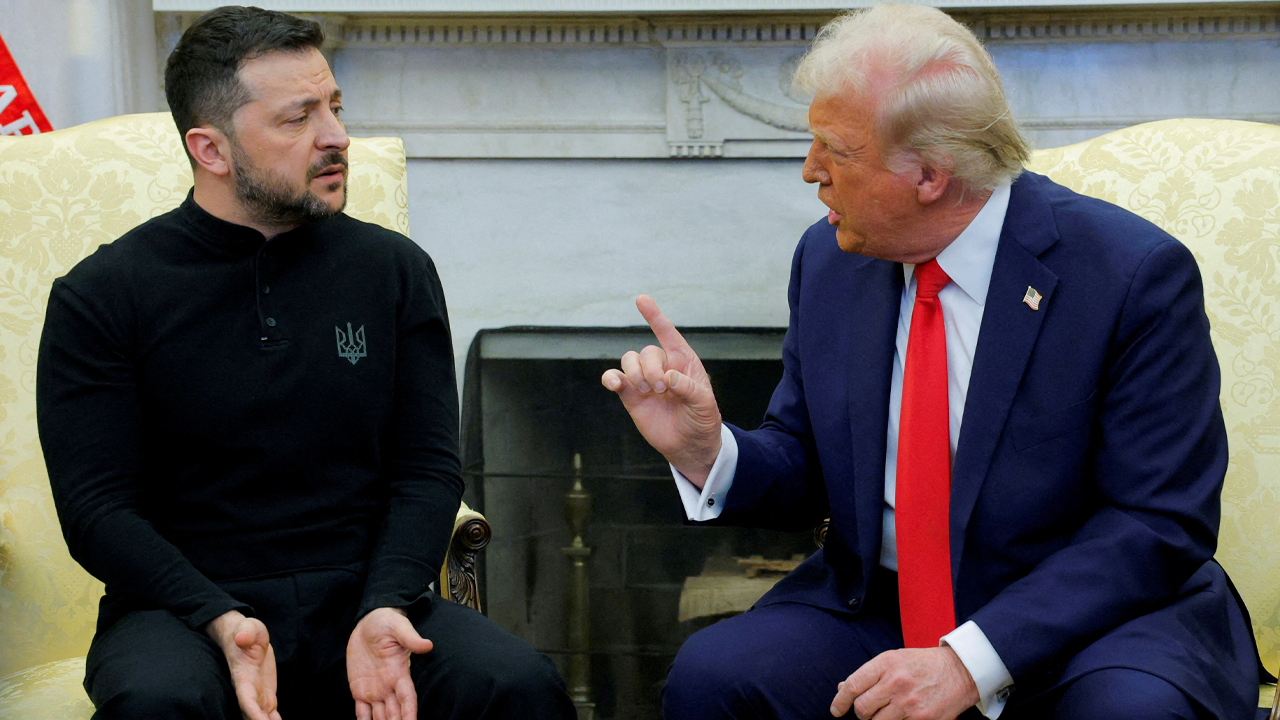
Darwin, 20 June : U.S. Vice President has issued a stern warning to the Israeli government, urging it to comply with the Iran memorandum signed by President and to halt military operations in Lebanon.
Speaking during a nearly hour-long briefing at the White House, Vance stressed that Israel should not undermine its closest and most powerful ally at a time when it has become increasingly isolated on the international stage.
“If I were a member of Israel’s cabinet, I would not attack the only powerful ally I have left in the entire world,” Vance said.
The remarks represent one of the clearest public signs yet of growing tensions between the Trump administration and Israeli leaders since the United States and Israel launched a joint military campaign against Iran roughly four months ago.
Vance spent much of the briefing defending the newly signed agreement with Iran. Although Israel was not a direct party to the deal, one of its provisions reportedly requires Israel to cease military strikes in Lebanon.
Under the memorandum, the United States is expected to lift restrictions on Iran’s crude oil exports, helping revive the Iranian economy. In return, Iran has agreed to reopen the Strait of Hormuz and reaffirm its commitment not to develop nuclear weapons.
The agreement also initiates a 60-day negotiation process that could eventually lead to the creation of a $300 billion reconstruction and economic development fund for Iran.
According to reports, Israeli officials have expressed “deep concern” about the deal. An adviser to Israeli Prime Minister reportedly said that Israel does not consider itself bound by the Lebanon-related provisions of the memorandum.
Netanyahu has not publicly commented on the agreement. However, several Israeli media outlets supportive of his government have strongly criticized Trump and members of his team, accusing envoy and of sacrificing Israeli interests for financial gain.
Responding to those criticisms, Vance emphasized that roughly three-quarters of Israel’s defense systems are supplied and funded by the United States.
“Those in Israel who think their biggest problem is the President of the United States need to wake up and understand reality,” he said.
Vance also revealed that the Trump administration remains in near-daily contact with both Israeli officials and governments across the Persian Gulf region. He added that he had not personally heard the concerns being voiced publicly by some Israeli figures.
The vice president further criticized Israel’s recent deadly strike in Beirut, arguing that many of those killed had no connection to the Hezbollah movement, despite Israeli claims that the operation targeted Hezbollah positions.
“Our message to the Israelis is the same as it is to everyone else: we want this peace process to work,” Vance said. “We do not want Hezbollah attacking Israel. But achieving that requires a regional framework that ends Iranian support for Hezbollah while ensuring respect for Lebanon’s territorial sovereignty.”
The comments underscore the growing pressure from Washington on Israel to support the emerging regional peace framework and avoid actions that could jeopardize ongoing diplomatic efforts.