51 years since the assassination of Bangabandhu
Darwin, August 15 : The death anniversary of Bangabandhu Sheikh Mujibur Rahman, the architect of independent Bangladesh, is being observed today, August 15. On this…



Darwin, 19 June : Over the past 25 years, the United States has experienced several military setbacks in the Middle East, but the war with Iran may prove to be the most significant. Unlike interventions in Afghanistan, Iraq, Yemen, Libya, or Syria, the conflict with Iran was not simply another attempt at regime change. The Islamic Republic not only survived pressure from the United States and Israel, but the war itself was never merely about the fate of a government.
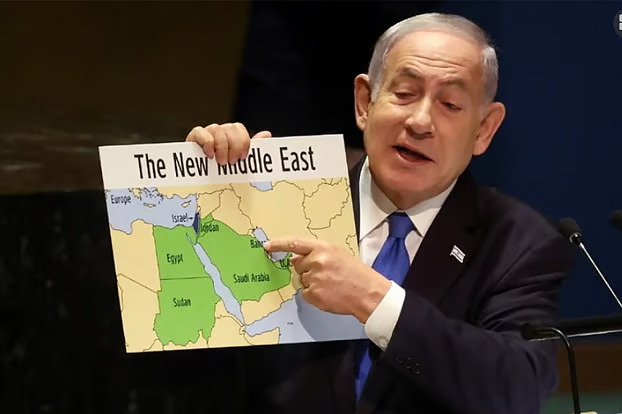
The failure to bring Iran to heel has stalled—or perhaps shattered—a much larger ambition: the project of reshaping the Middle East under the leadership of a revitalized and strengthened “Greater Israel.” This strategic objective lay at the heart of the Abraham Accords. When Saudi Arabia hesitated to join the agreement, an alternative path emerged through confrontation with Iran.
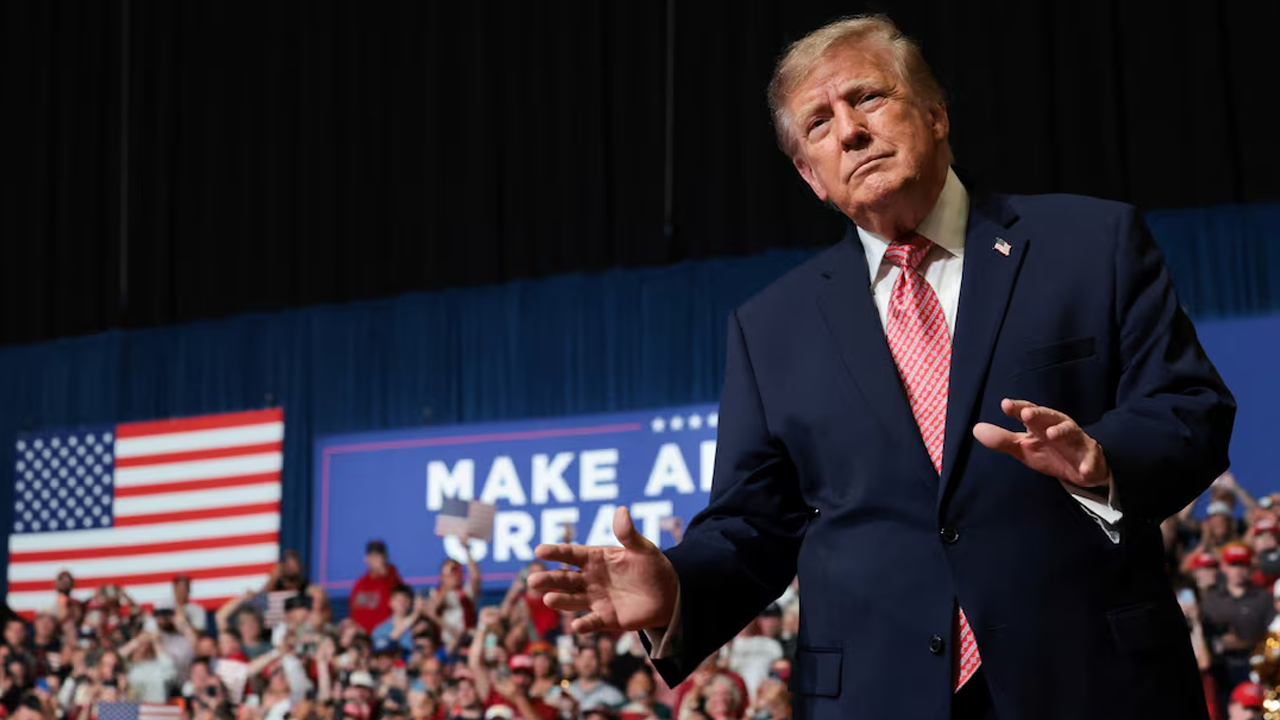
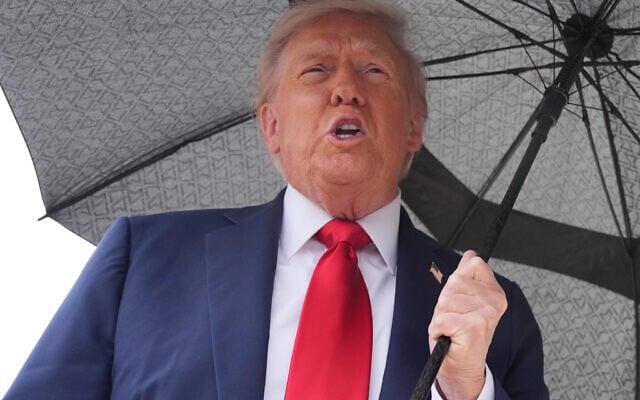
Ironically, it was Donald Trump—widely regarded as Israel’s greatest friend in the White House—who ultimately destroyed Prime Minister Benjamin Netanyahu’s most cherished dream.
Falling Down the Rabbit Hole
For Trump, stepping away from what many saw as Netanyahu’s political trap was not particularly difficult. For Netanyahu, however, Trump’s change of course on Iran represented a devastating strategic setback whose consequences could be felt for generations.
The war pushed energy prices higher, driving U.S. inflation to its highest level in three years. Trump’s popularity fell to historic lows, opposition grew within his own party, and economic disruption in the Gulf threatened business interests connected to the Trump family. With midterm elections approaching, he faced the prospect of losing control of both chambers of Congress.
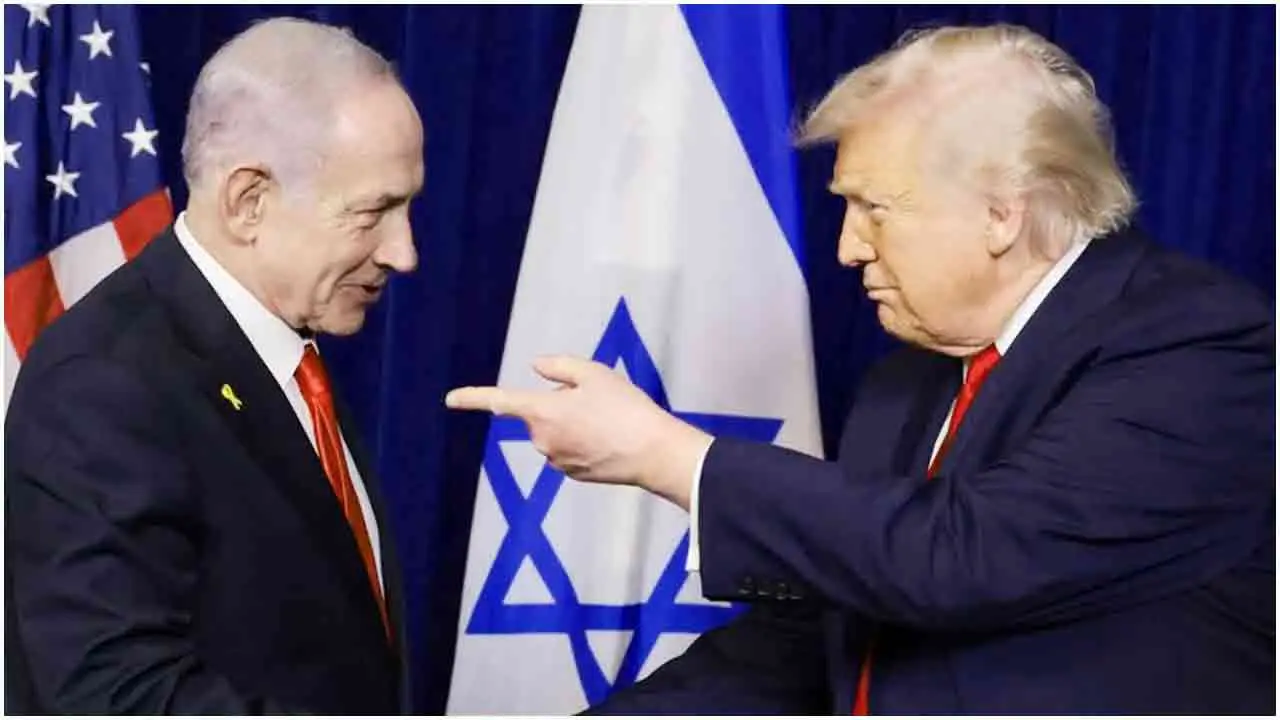
rump Ended Netanyahu’s Biggest Dream.
Trump had hoped for a quick victory similar to the U.S. approach toward Venezuela. But when it became clear that Iran would not surrender easily, the 80-year-old president effectively disengaged from the conflict.
Israeli military commentators shared this assessment. Alon Ben David, military correspondent for Channel 13, argued that the war had reversed the regional balance of power. Before the conflict, Israel—backed by the United States—was viewed as the dominant military force in the region. Afterward, Iran emerged as the most significant power.
Haaretz military analyst Amos Harel described Trump’s accommodation with Iran as Netanyahu’s biggest security failure since Hamas’s October 7, 2023 attack. Right-wing factions soon began discussing the idea that Israel must “go it alone,” a concept that even reached cabinet-level discussions.
Adding insult to injury, Trump told The New York Times that Netanyahu should be grateful to him because, in his words, “If Iran had nuclear weapons, Israel wouldn’t last two hours.” Speaking at the G7 summit in France, he went even further, stating that “without the United States, there would be no Israel.”
A Strategic Shock
Avigdor Lieberman, leader of the right-wing opposition party Yisrael Beiteinu, argued that Israel should develop its own ballistic missile force and direct Mossad toward efforts aimed at toppling the Iranian government.
Far-right Finance Minister Bezalel Smotrich declared that regime-change operations would continue through “independent and creative” means. Former Prime Minister Naftali Bennett, viewed by many as a potential successor to Netanyahu, told journalist Piers Morgan: “To the Iranian regime, I say: I will be your worst nightmare.”
Despite this strategic setback, parts of Israel’s regional agenda remain intact. These include its control over territories in Gaza, southern Lebanon, and Syria; informal security arrangements with Abu Dhabi; and the use of Somaliland as a military foothold. Such ambitions could be revived in the future.
What Netanyahu has lost, however, is the support of the current U.S. president—and the likelihood of finding another equally supportive president anytime soon appears slim.
A Toxic Alliance
If Israel’s actions in Gaza shattered the image of Israel as a peace-seeking democracy in much of the Western world, the attack on Iran damaged Israel’s credibility as a military ally in Washington.
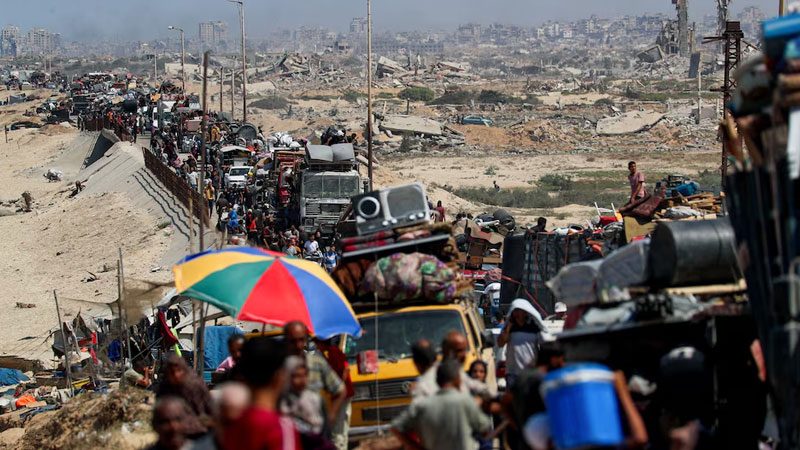
Gaza citizens flee.
Public opinion surveys have shifted, and political rhetoric has changed dramatically. The powerful pro-Israel lobbying group AIPAC is becoming increasingly controversial among Democrats. Fewer new politicians are willing to accept its financial backing. Even among Republicans, there is growing discussion about the extent of Israeli influence on U.S. foreign policy—an idea that was once dismissed as little more than a conspiracy theory.
In response, pro-Israel advocates are seeking to institutionalize the U.S.–Israel military and intelligence partnership through legislation. Under existing law, American presidents must maintain Israel’s “qualitative military edge.” New proposals would further prioritize Israel within U.S. policymaking.
One proposal would add provisions to the National Defense Authorization Act to create an executive framework coordinating U.S.–Israel defense cooperation across government agencies. Another would expand intelligence-sharing arrangements between Israel and Arab states that normalize relations with it.
A third initiative would facilitate the transfer of weapons and technologies without requiring the usual congressional oversight.
Together, these efforts represent an attempt to permanently embed a military relationship that is increasingly subject to scrutiny from both major American political parties.
A Ticket to Defeat
Support for Israel has increasingly become a form of pressure politics, with military logic often replacing domestic political debate. As the political costs of supporting Israel rise, so does Israel’s need to pressure Washington into maintaining its backing.
From this perspective, Israel appears to be boarding what critics describe as a “ticket to defeat.”
Iran, meanwhile, has emerged from the agreement as a stronger regional power. It has preserved its uranium-enrichment program, even though it reportedly gave up part of its highly enriched stockpile.

Trump may continue to claim that he prevented Tehran from obtaining a nuclear bomb. Yet neither Trump nor Mossad can erase Iran’s scientific knowledge. The country continues to produce large numbers of nuclear specialists every year, creating a technological base that cannot simply be eliminated.
Iran has also retained its missile arsenal, which demonstrated its deterrent value during the conflict. Even the most powerful and precise U.S. airstrikes failed to destroy that capability.
Gulf States Face Uncertainty
The postwar landscape has left Gulf states facing deep uncertainty. The perception of invulnerability that once surrounded their wealth and security has been punctured.
The Gulf Cooperation Council now appears weakened, while the regional security architecture built around U.S. military bases, early-warning systems, and missile defenses proved only partially effective against Iranian drones.
During the conflict, debate intensified in Qatar over the future of the U.S. Central Command presence and broader regional alignments. Qatar’s role as a mediator, however, helped ease pressure for difficult decisions.

Strait Of Harmuj.
Iran’s response has forced Gulf states to confront a new reality. Bahrain and Kuwait continue to face legitimacy challenges among segments of their populations, particularly within Shia communities. Iran’s resurgence may further complicate those dynamics.
Countries such as Oman and Qatar, which helped mediate the agreement, appear better positioned. Yet a common strategic question remains for all Gulf states: should they increasingly align with China, India, or Pakistan? Their economic prosperity now depends in part on Iran’s willingness to keep the Strait of Hormuz open.
All Eyes on Gaza
Should Trump abandon the agreement or Israel launch another major attack, Iran could again threaten to close the Strait of Hormuz, one of the world’s most important energy transit routes.
A frustrated Netanyahu may attempt to compensate for regional setbacks by intensifying military operations against Palestinians. Critics argue that Palestinians are already enduring severe discrimination and violence, and that further escalation could accelerate efforts to alter the demographic and political landscape of the occupied territories.
Neither Hamas, Hezbollah, nor Iran appears likely to disarm. Even if Israel were to reoccupy all of Gaza, the fundamental political conflict would remain unresolved.
Gaza has demonstrated remarkable social resilience despite unprecedented destruction. Many Palestinians continue to insist they will not leave their homeland. Any renewed large-scale offensive would likely provoke another wave of international outrage and economic pressure on Israel.
A Changed Middle East
The Middle East has indeed changed—but not in the way Netanyahu envisioned.
The confrontation with Iran has produced the most significant strategic rift between Israel and its principal ally, the United States, in a quarter-century. It has strengthened Iran’s regional influence and reinforced resistance movements across Palestine, Lebanon, and beyond, even as Syria has moved away from Iran’s sphere of influence.
With an ideology built around perpetual conflict and territorial expansion, Israel may eventually confront the limits of its military power. At that point, strategic retrenchment could become unavoidable, as happened previously in parts of Syria and potentially, one day, in Lebanon.
The project that Netanyahu once hoped would redefine the Middle East may ultimately be remembered as one of Israel’s greatest strategic miscalculations.
By David Hearst, co-founder and editor-in-chief of Middle East Eye. Adapted and translated from the original English article.
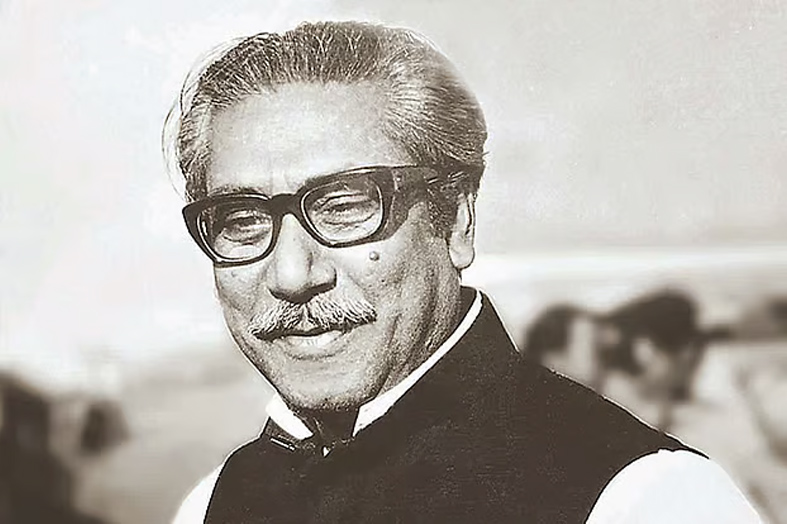
Darwin, August 15 : The death anniversary of Bangabandhu Sheikh Mujibur Rahman, the architect of independent Bangladesh, is being observed today, August 15. On this…
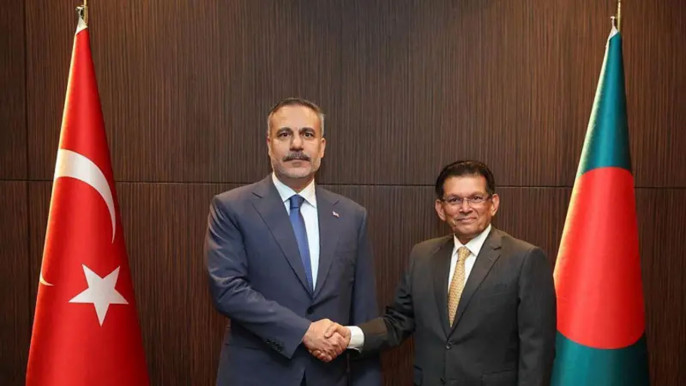
Darwin, 12 June : Turkey’s proposal to strengthen cooperation with Bangladesh in the defense industry, raised during Turkish Foreign Minister Hakan Fidan’s visit to Dhaka,…

Darwin, 14 May : The growing tendency among European leaders to publicly criticize Donald Trump can no longer be viewed as the result of any…
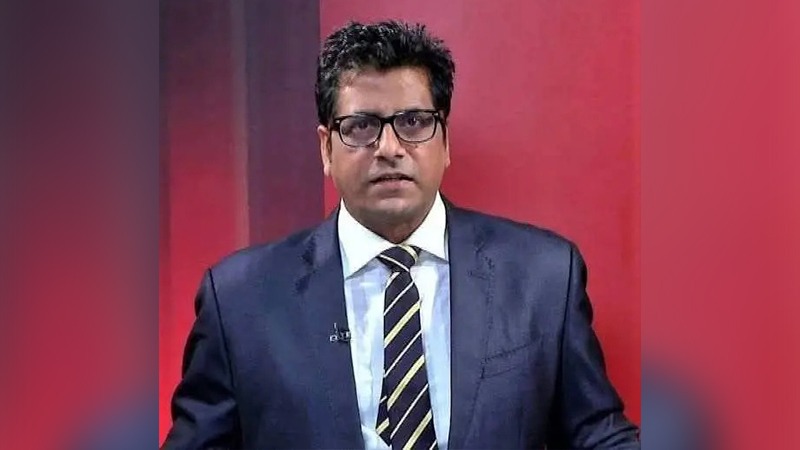
Darwin, 15 December: A senior Bangladeshi journalist has been detained by the Detective Branch (DB) of police following demands from several reactionary groups and activists,…

Ousted PM Sheikh Hasina warns that millions of supporters will boycott the next national election after the Awami League was banned. In her first media engagement since fleeing, Hasina, from New Delhi, questions the polls’ legitimacy

Australian News Time: A widespread controversy has erupted on social media and within the campus over Shree Shanto Roy, a student of Bangladesh University of…
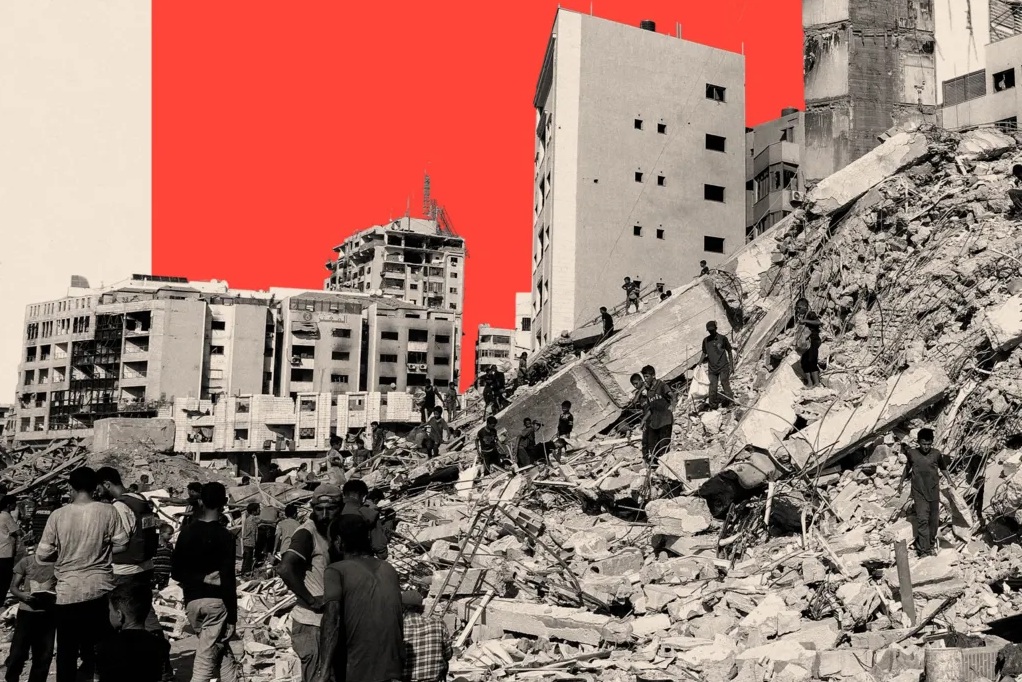
Ayish Younis, an 89-year-old Palestinian, is displaced again, living in a tent in Gaza after his home was destroyed, echoing his exile during the 1948 Arab-Israeli War
Darwin, 13 Octobor— U.S. President Donald Trump declared on Sunday that the war in Gaza is “over,” expressing strong confidence in the ceasefire and hostage…