Pritom Hasan and Shehtaz Monira End 10-Year Relationship, Move Towards Divorce
Darwin, October 05: Popular Bangladeshi singer and actor Pritom Hasan and model-actress Shehtaz Monira Hashem have decided to end their marriage after a decade together,…



Reuters exclusive interview:
Exiled former Prime Minister Sheikh Hasina has warned that millions of her supporters will boycott next year’s national election, threatening the legitimacy of the polls after her party, the Awami League (AL), was barred from contesting.
Speaking exclusively to Reuters from New Delhi—where she fled in August 2024 following a deadly student-led uprising—Hasina, 78, stated she would not return to Bangladesh under any government formed without her party’s participation.
“The ban on the Awami League is not only unjust, it is self-defeating,” Hasina said in her first media engagement since her dramatic fall from power after 15 consecutive years in politics. “The next government must have electoral legitimacy. Millions of people support the Awami League, so as things stand, they will not vote.”
An interim government led by Nobel laureate Muhammad Yunus has governed Bangladesh since Hasina’s ouster and is committed to holding elections next February.
The Election Commission suspended the Awami League’s registration in May, following a ban on all party activities by the Yunus administration. The government cited national security threats and impending war crimes investigations into senior AL leaders as justification for the ban.
With the Awami League sidelined, the rival Bangladesh Nationalist Party (BNP) is widely expected to win the upcoming vote, which will proceed despite over 126 million registered voters.
Hasina maintained a defiant tone, expressing hope that “common sense will prevail” and the Awami League will be allowed to contest, though she remained silent on any back-channel talks.
Hasina, who is credited with transforming Bangladesh’s economy but whose rule was marred by accusations of human rights abuses and suppressing dissent, faces significant legal hurdles.
The International Crimes Tribunal, Bangladesh’s domestic war crimes court, has concluded proceedings against her on charges of crimes against humanity. These charges stem from the violent crackdown on student protests in mid-2024, which a UN report indicates may have resulted in up to 1,400 deaths—mostly from security force gunfire. Prosecutors also allege she oversaw enforced disappearances and torture of opposition activists.
Hasina has dismissed the proceedings as a “politically motivated charade,” brought by “kangaroo courts” where a guilty verdict is a “foregone conclusion.” A verdict is expected on November 13.
The former Prime Minister emphasized that the Awami League would eventually return to play a role, regardless of who leads it. “It’s really not about me or my family… there must be a return to constitutional rule and political stability.”
Hasina, whose family history is marked by political violence, including the assassination of her father and brothers in 1975, confirmed her cautious but free life in Delhi.
She reiterated that she would only consider going home if the government was “legitimate, the constitution was being upheld, and law and order genuinely prevailed.” Her departure last year triggered targeted violence, and renewed clashes erupted earlier this month during a state reform charter signing, underscoring the ongoing political tension in Dhaka.
You can watch a brief overview of the crisis in the video India Reacts As Bangladesh Bans Sheikh Hasina’s Party, No Election Date In Sight | Spotlight | N18G. This video discusses the immediate geopolitical context and India’s reaction to the banning of Sheikh Hasina’s party.

Darwin, October 05: Popular Bangladeshi singer and actor Pritom Hasan and model-actress Shehtaz Monira Hashem have decided to end their marriage after a decade together,…
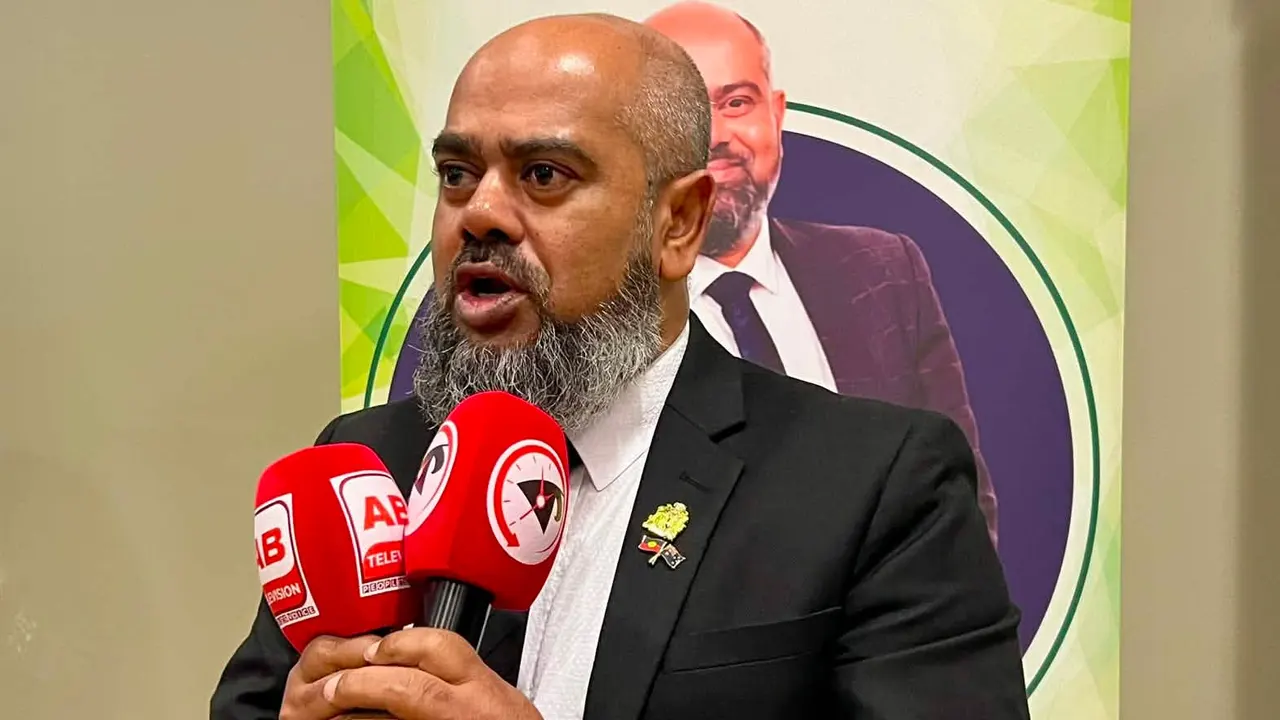
Darwin, September 06: Bangladeshi-Australian community leader and Campbelltown City Councillor and former Deputy Mayor Mohammad Ibrahim Khalil Masud has formally announced his candidacy for the…

Dhaka, September 6: One of the largest Pir-Mashaikh conferences was held in the capital Dhaka, bringing together around 3,000 delegates from home and abroad, including representatives…
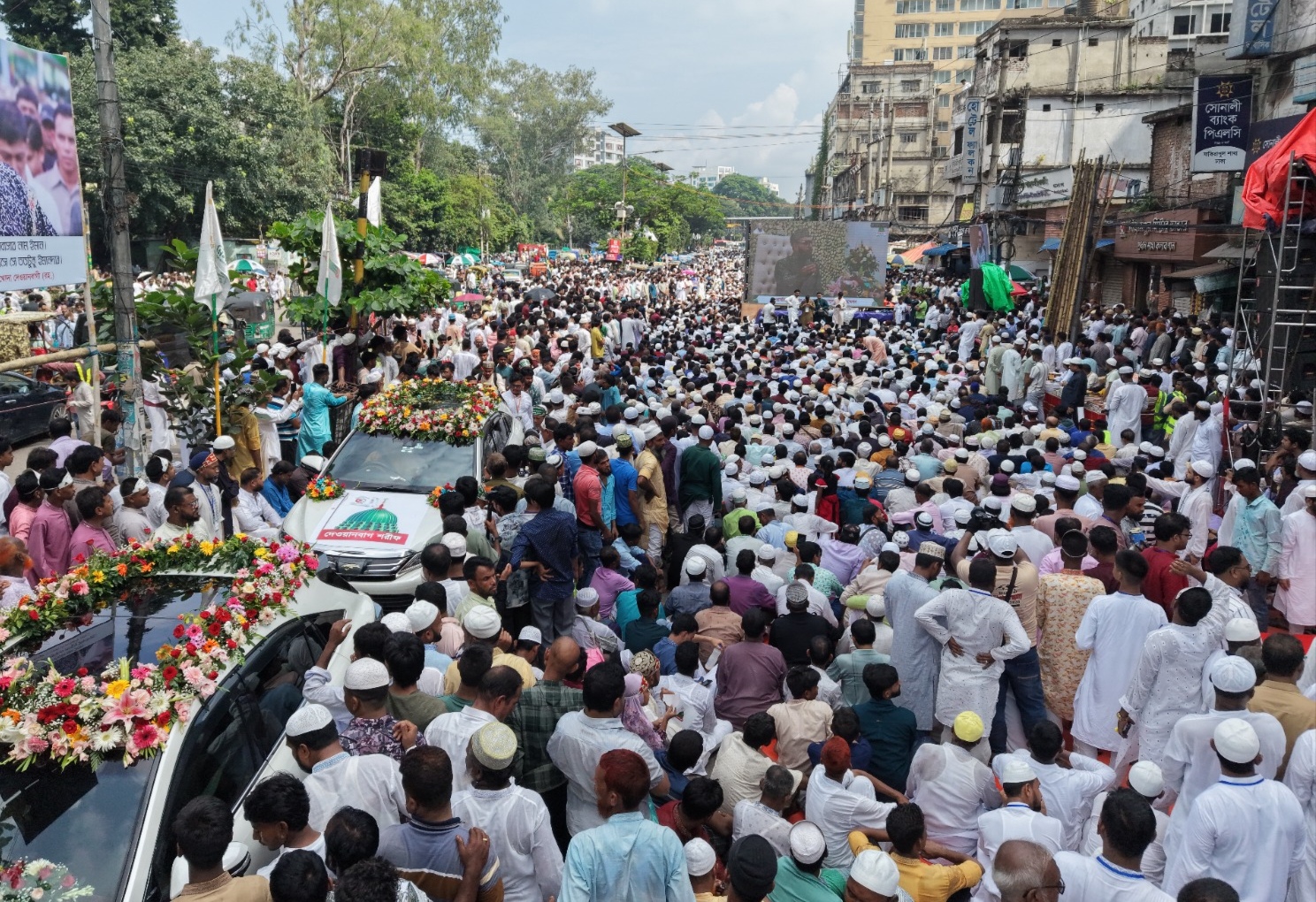
Darwin, August 27: More than 100,000 devotees took part in a colourful rally in Dhaka to mark the 1,501st birth anniversary of Prophet Muhammad (PBUH),…
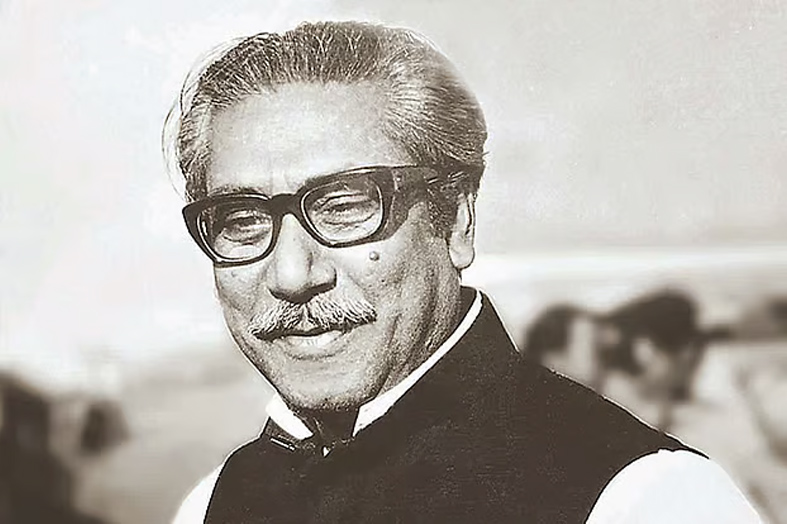
Darwin, August 15 : The death anniversary of Bangabandhu Sheikh Mujibur Rahman, the architect of independent Bangladesh, is being observed today, August 15. On this…

Darwin, 15 August : The United Nations has expressed concern over attempts to establish cells of al-Qaeda in Bangladesh. The concern was raised in a…
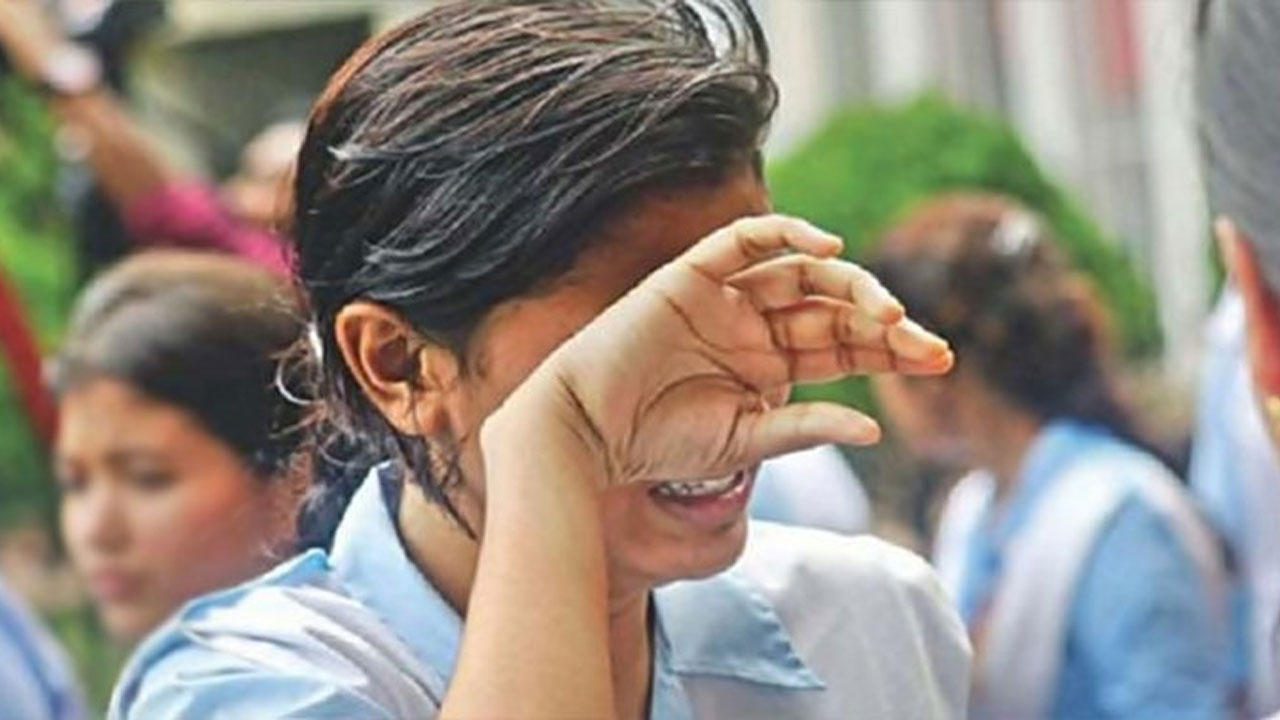
Darwin, August 10: The pass rate in this year’s Secondary School Certificate (SSC) and equivalent examinations in Bangladesh has fallen to 62.25 percent, the lowest…
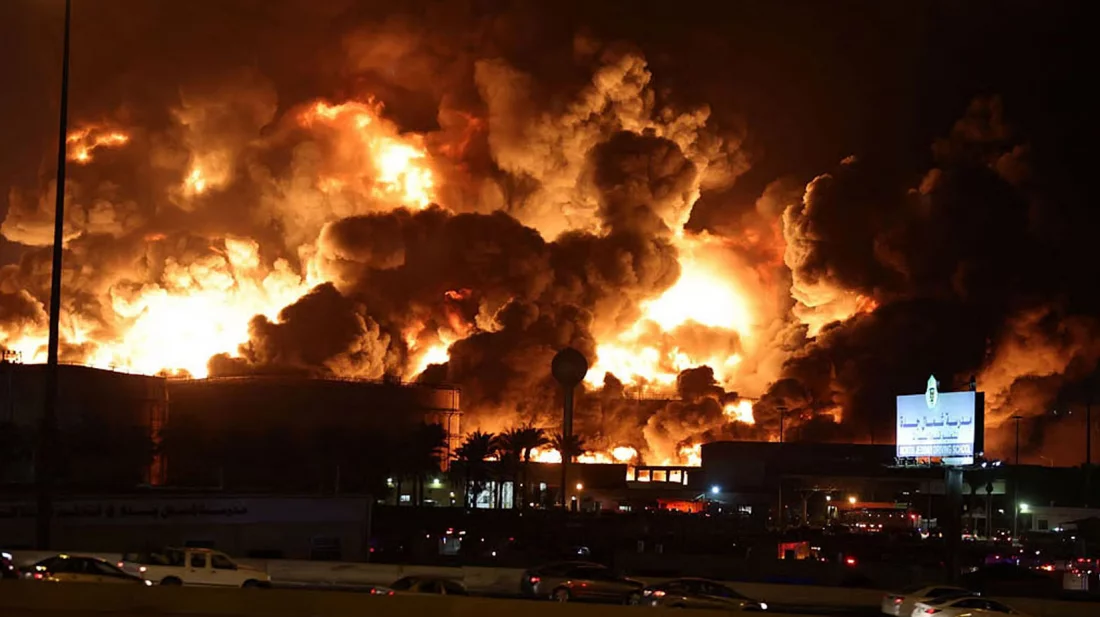
Darwin, August 10: Sixteen Bangladeshi workers have died in a devastating fire at a sofa factory in the Musa Sanaya area of Riyadh, the capital…