Pritom Hasan and Shehtaz Monira End 10-Year Relationship, Move Towards Divorce
Darwin, October 05: Popular Bangladeshi singer and actor Pritom Hasan and model-actress Shehtaz Monira Hashem have decided to end their marriage after a decade together,…



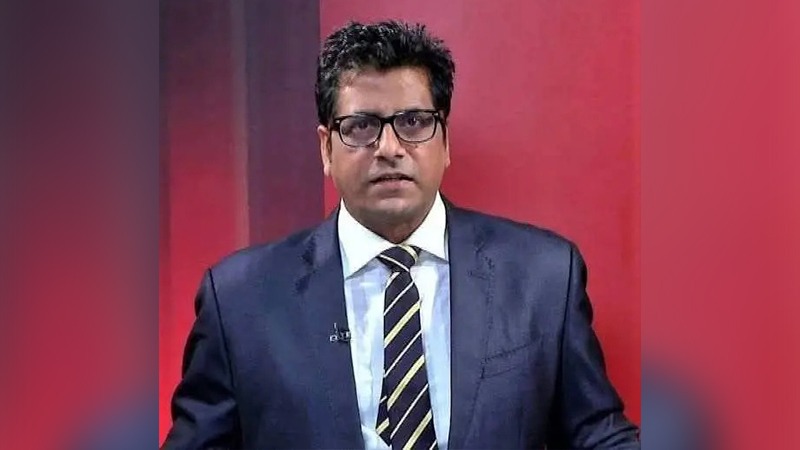
Darwin, 15 December: A senior Bangladeshi journalist has been detained by the Detective Branch (DB) of police following demands from several reactionary groups and activists, raising serious concerns about press freedom and freedom of expression in the country.
The journalist, Anis Alamgir, a veteran media figure who gained prominence for his frontline reporting from Iraq during the Gulf War, was picked up by DB police on Sunday evening around 8:00 pm from a gymnasium in Dhaka’s Dhanmondi area and taken to the DB office on Minto Road. As of now, he remains in DB custody.
According to The Daily Star, Bangladesh’s leading English-language daily, nearly 300 journalists have been implicated in cases ranging from murder to other serious charges over the past year and a half, despite the fact that none of these allegations have so far been proven in court.
Confirming Anis Alamgir’s detention, Muhammad Talebur Rahman, Deputy Commissioner of Dhaka Metropolitan Police’s Media and Public Relations Division, said that the journalist is still being held by the DB and that authorities have not yet decided what legal action, if any, will be taken against him.
Prominent journalist Shariful Hasan strongly condemned the detention in a Facebook post, stating:
“In the name of encouraging free criticism, the number of journalists who have been falsely accused and arrested to suppress or intimidate dissent over the past year and a half surpasses anything we have seen in the last 54 years since Bangladesh’s independence. The latest name added to that list is Anis Alamgir.”
Following the July mass uprising, reactionary groups have increasingly asserted influence in Bangladesh. Activists such as expatriate commentator Pinaki Bhattacharya and YouTuber Ilias Hossain have repeatedly been accused of inciting mob culture, impunity, and violence. In the aftermath of the shooting of student leader Sharif Osman Hadi, these individuals publicly demanded the arrest of several journalists, media workers, and entertainment figures without presenting any evidence. Shortly afterward, Anis Alamgir was detained by the DB.
The organization Inqilab Mancha, which has reportedly been involved in mob actions across the country for over a year, has threatened to surround the Ministry of Home Affairs if Anis Alamgir is released. Sharif Osman Hadi, who was injured in the shooting, serves as the convener of the group.
Media reports indicate that at least 296 journalists have been named in murder and violence-related cases over the past year. Among them, 101 journalists face murder charges, 22 face attempted murder charges, and 112 have been accused of vandalism and explosives-related offenses.
According to data from the human rights organization Ain o Salish Kendra (ASK), between January and July this year, 218 journalists were subjected to attacks or harassment nationwide. During this period, 31 journalists were sued for publishing news reports, 11 received death threats, and in many cases, police and administrative officials were allegedly involved in the harassment and abuse.
Transparency International Bangladesh (TIB) reports that harassment of journalists, writers, and human rights defenders continues unabated. In the period following July–August, 496 journalists were harassed, of whom 266 were named as accused in murder cases related to the July mass uprising. TIB further reports that three journalists were killed while on duty between August 2024 and July 2025.
At a discussion organized by the Editors’ Council on the occasion of World Press Freedom Day 2025, the then president of the council and editor of The Daily Star, Mahfuz Anam, expressed deep concern over the filing of murder and violence-related cases against journalists. He warned that such mass legal actions against journalists are incompatible with independent journalism and create a climate of fear.
The pattern of repression extends beyond journalists. Former secretary Abu Alam Shahid Khan and University of Dhaka law professor Hafizur Rahman Karzon, among many others, have also faced legal action merely for expressing their views. In a country where even former chief justices have been named in murder cases, critics ask whether journalists could ever be spared.
Journalist Shariful Hasan concluded: “A state that cannot guarantee freedom of expression and the right to life has no bright future—only darkness.”

Darwin, October 05: Popular Bangladeshi singer and actor Pritom Hasan and model-actress Shehtaz Monira Hashem have decided to end their marriage after a decade together,…
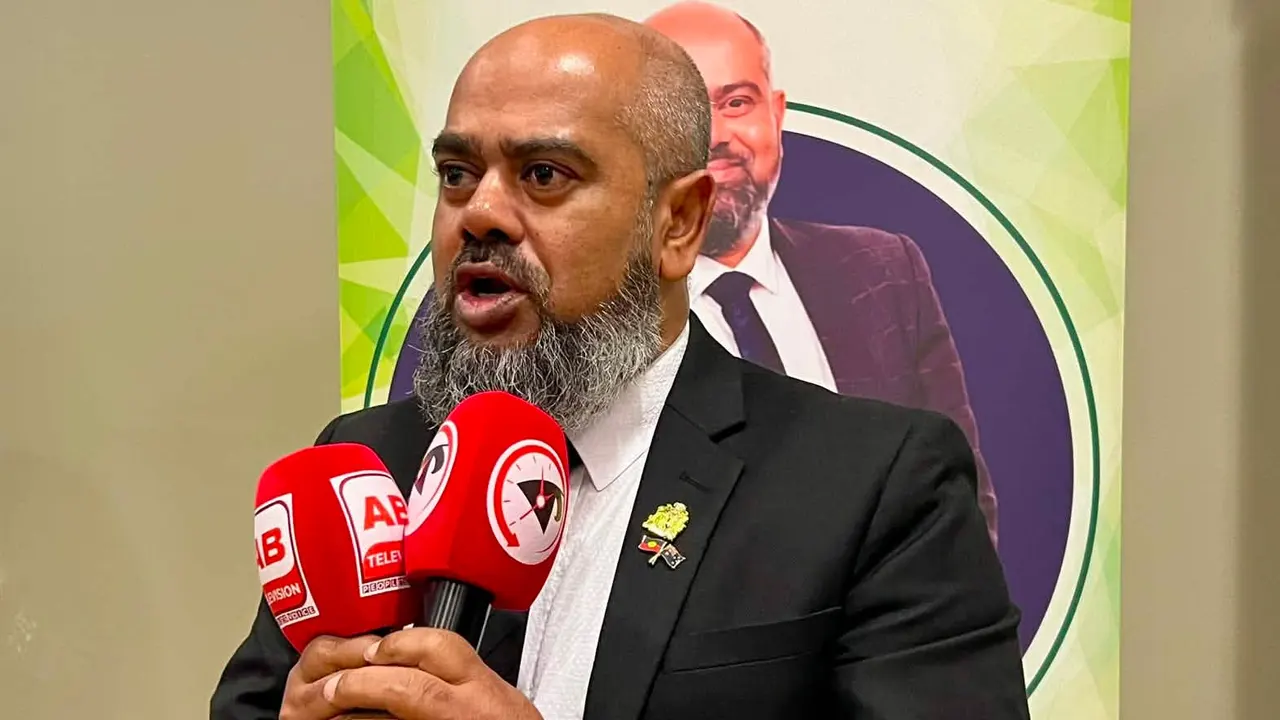
Darwin, September 06: Bangladeshi-Australian community leader and Campbelltown City Councillor and former Deputy Mayor Mohammad Ibrahim Khalil Masud has formally announced his candidacy for the…

Dhaka, September 6: One of the largest Pir-Mashaikh conferences was held in the capital Dhaka, bringing together around 3,000 delegates from home and abroad, including representatives…
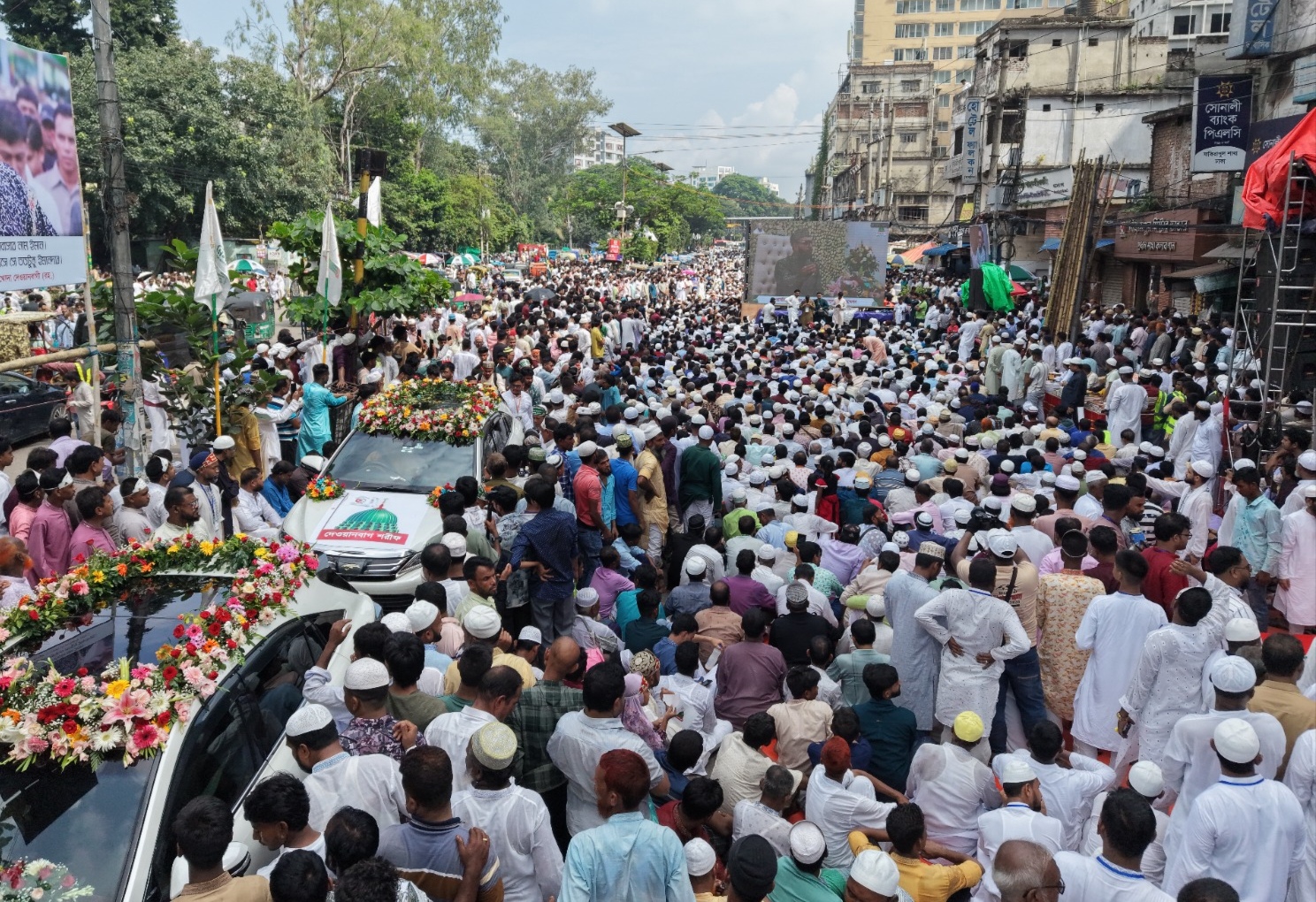
Darwin, August 27: More than 100,000 devotees took part in a colourful rally in Dhaka to mark the 1,501st birth anniversary of Prophet Muhammad (PBUH),…
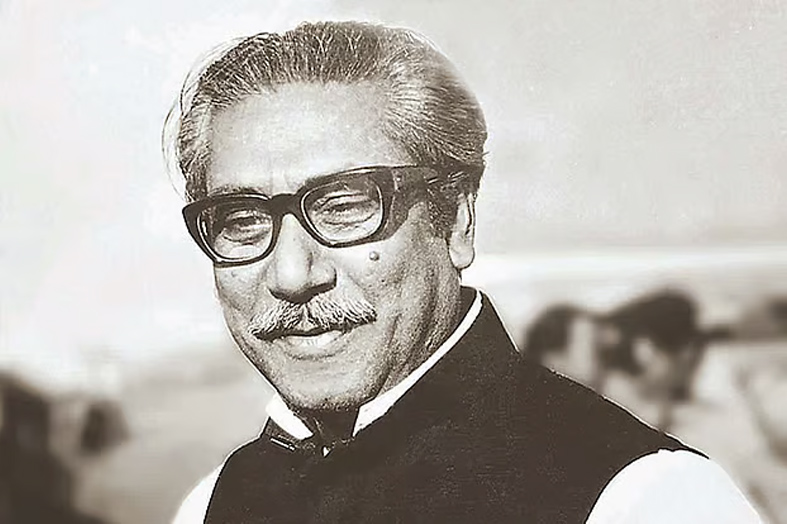
Darwin, August 15 : The death anniversary of Bangabandhu Sheikh Mujibur Rahman, the architect of independent Bangladesh, is being observed today, August 15. On this…

Darwin, 15 August : The United Nations has expressed concern over attempts to establish cells of al-Qaeda in Bangladesh. The concern was raised in a…
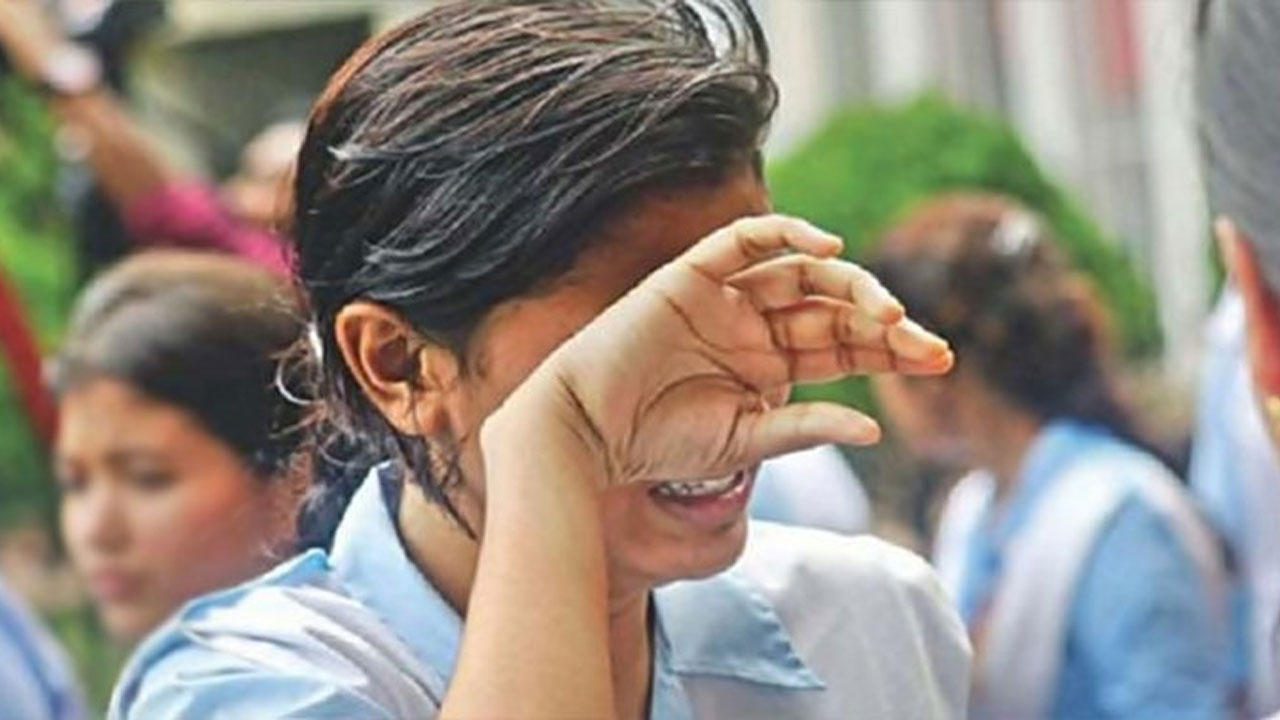
Darwin, August 10: The pass rate in this year’s Secondary School Certificate (SSC) and equivalent examinations in Bangladesh has fallen to 62.25 percent, the lowest…
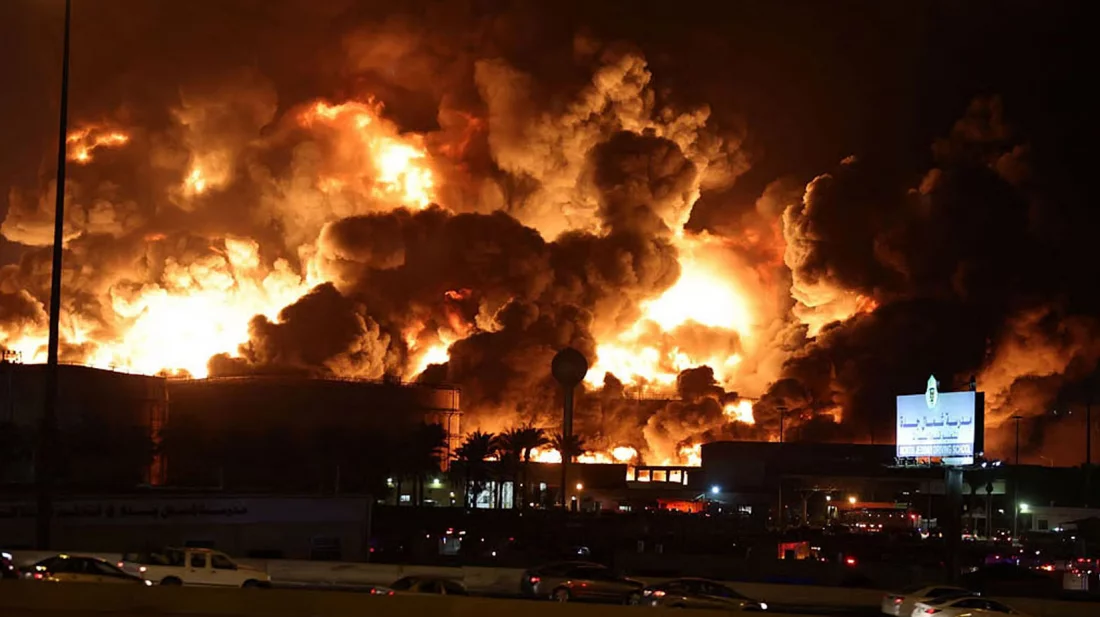
Darwin, August 10: Sixteen Bangladeshi workers have died in a devastating fire at a sofa factory in the Musa Sanaya area of Riyadh, the capital…