Iran-Backed Militants Return Funds to Cash-Strapped IRGC: CENTCOM
Darwin, October 17: Iran-aligned armed groups across the Middle East are reportedly sending money back to Iran’s Islamic Revolutionary Guard Corps (IRGC), which is facing…




Darwin, 28 July : Australia’s new national emergency alert system, AusAlert, successfully completed its first nationwide trial on Monday. At 2:00 pm local time (AEST) on Monday, July 27, a coordinated test emergency alert was sent simultaneously to compatible mobile phones, some smartwatches, and tablets across the country.
As part of the trial, devices produced a loud siren-like sound and vibration for around 10 seconds. A message displayed on the screens informed users that it was only a test alert and that no action was required.
The nationwide test was conducted simultaneously according to different Australian time zones. In New South Wales, Victoria, Queensland, Tasmania, and the Australian Capital Territory, the alert was sent at 2:00 pm. In South Australia and the Northern Territory, it was sent at 1:30 pm; in Western Australia at 12:00 pm; and on Christmas Island at 11:00 am.
The federal government’s National Emergency Management Agency (NEMA) said AusAlert is expected to be officially launched in October. The new system will replace the current SMS-based emergency alert system and will use cell broadcast technology. This will allow emergency messages to be delivered more quickly and reliably to a large number of devices in a specific area, even when mobile networks are under heavy pressure.
Authorities said the system will be used to send immediate warnings during events such as bushfires, floods, cyclones, tsunamis, public safety threats, biosecurity emergencies, and public health crises. The technology will also allow targeted alerts to be sent to specific areas, with accuracy of up to around 160 metres where required.
However, not all devices received the alert during the trial. NEMA said this should not be considered a failure of the test. Some users may not have received the message due to older or incompatible devices, outdated software, mobile network limitations, devices being switched off, airplane mode being enabled, or temporary issues with local telecommunications towers.
Earlier this year, in June, AusAlert was tested on a limited scale in nine locations across Australia. The results of the nationwide trial will be analysed before the full launch in October, with further assessments of the system’s performance across different devices, networks, and regions.
In real emergency situations, AusAlert messages will include details about the type of incident, affected areas, level of risk, recommended actions, the organisation issuing the alert, and sources for further information. Critical alerts will be able to capture users’ attention with a special sound even when their mobile phones are on silent or “Do Not Disturb” mode.
Source: National Emergency Management Agency (NEMA) and AusAlert national trial information
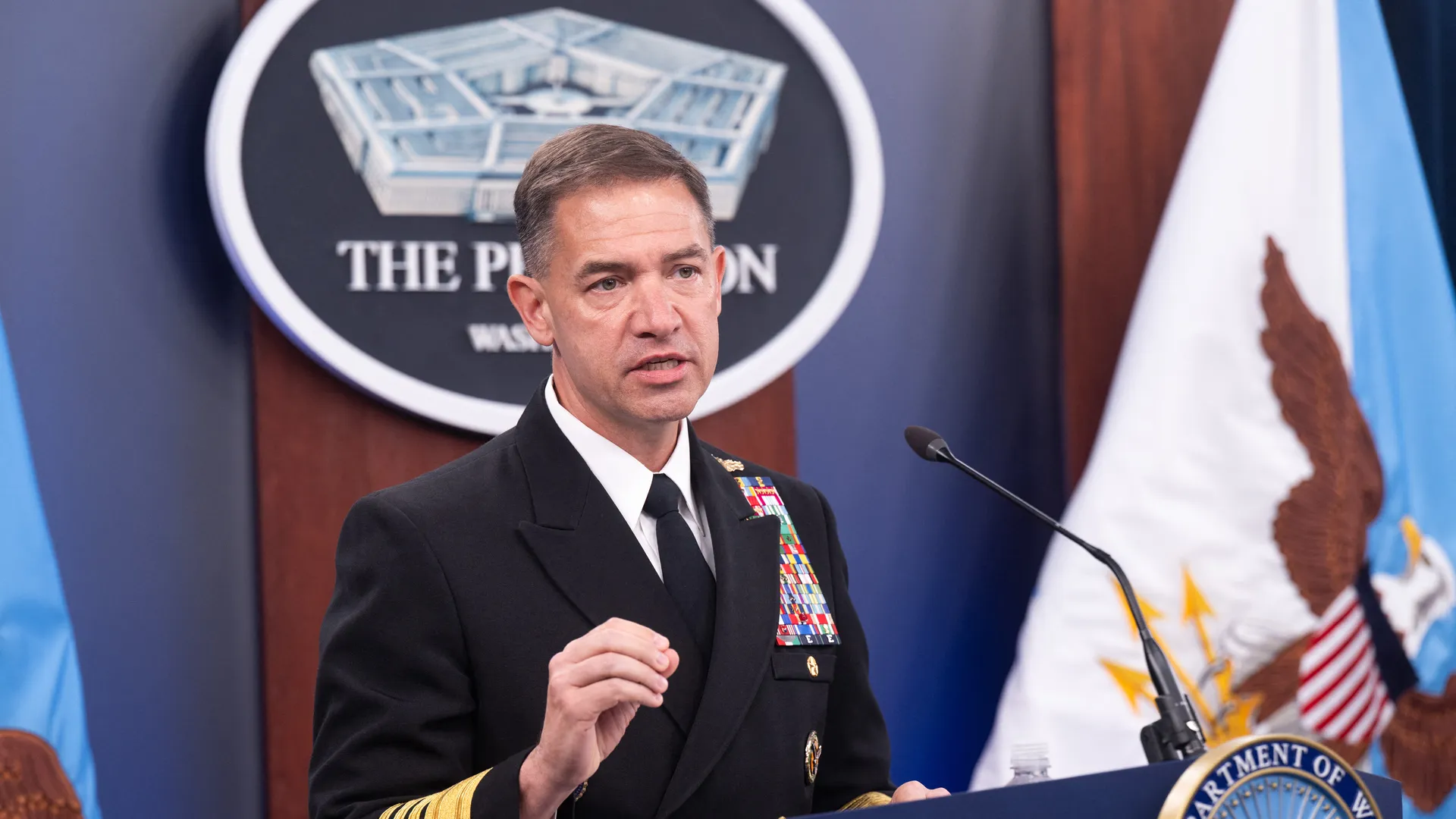
Darwin, October 17: Iran-aligned armed groups across the Middle East are reportedly sending money back to Iran’s Islamic Revolutionary Guard Corps (IRGC), which is facing…
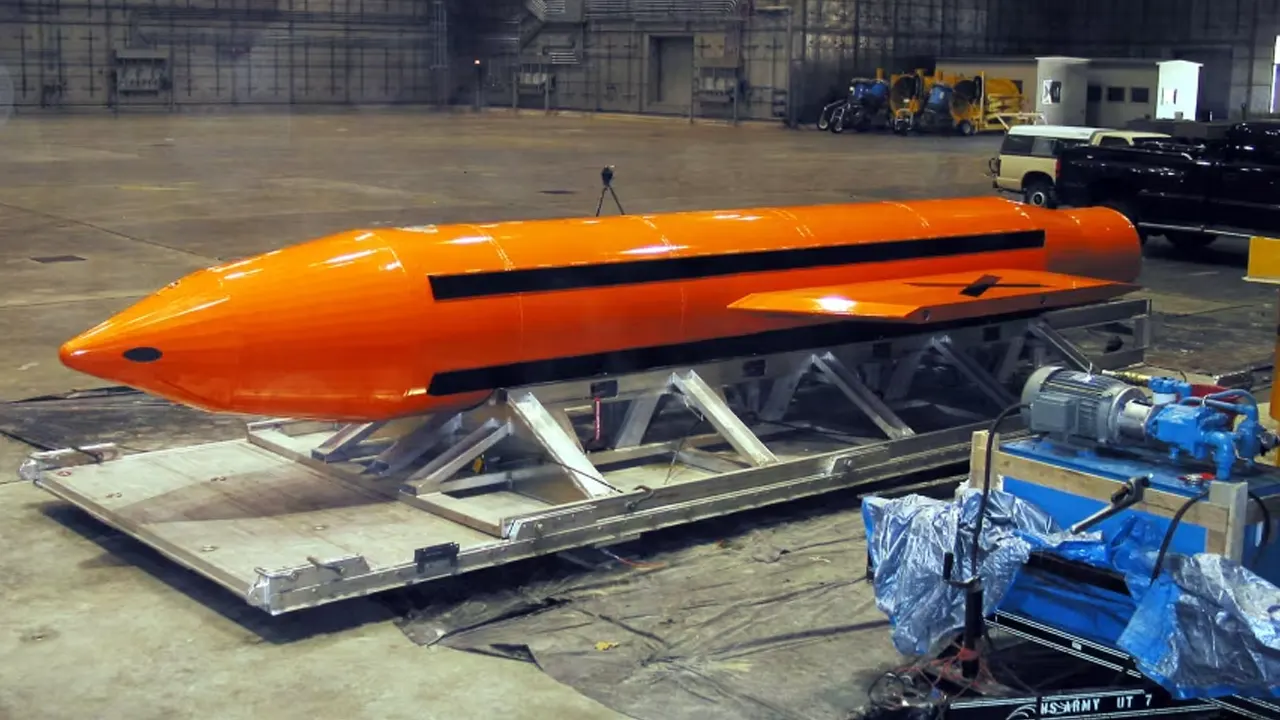
Darwin, October 15 : The US military is considering using America’s most powerful non-nuclear bomb, known as the “Mother of All Bombs,” to strike Iran’s energy…
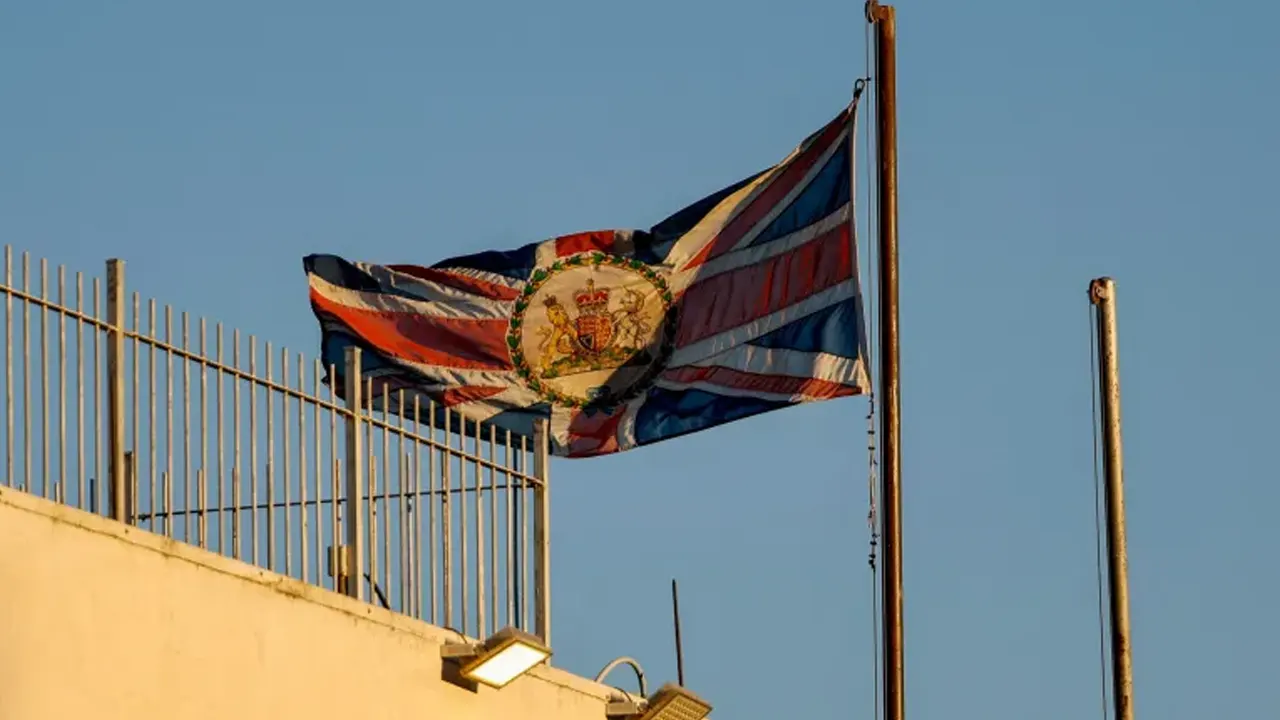
Darwin, October 15: The United Kingdom has opened the door to imposing sanctions not only on individuals and organisations involved in illegal Israeli settlement construction, but…

Darwin, October 15: Ukrainian President Volodymyr Zelenskyy has accused US President Donald Trump of personally betraying Ukraine after restrictions were imposed on the Ukrainian military’s…

Darwin, October 13: Saudi Crown Prince Mohammed bin Salman has reportedly been moving from one palace to another amid growing security concerns as Yemen’s Houthi…

Darwin, October 12: Saudi Arabia’s Civil Aviation Authority has confirmed an attack on Dammam Airport in the country’s Eastern Province. The confirmation came shortly after…

Darwin, October 12 : A fresh attack has reportedly targeted King Khalid International Airport in Riyadh, the capital of Saudi Arabia, killing one Pakistani national…
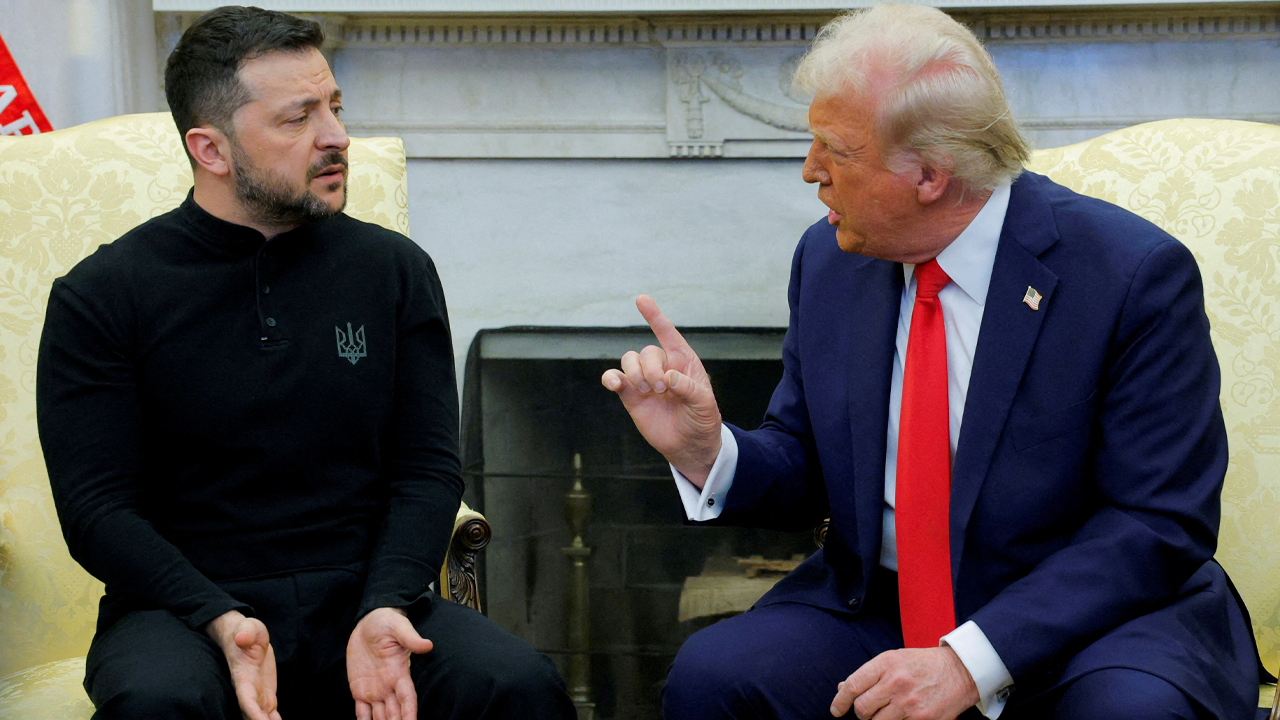
Darwin, October 11: US President Donald Trump has called for a new presidential election in Ukraine, suggesting that Volodymyr Zelenskyy has failed to seize opportunities…