Elon Musk Says It Would Be an Honour to Hire Nvidia CEO Jensen Huang
Darwin, November 13: Elon Musk, CEO of Tesla and founder of SpaceX, has said he would feel honoured to hire Nvidia chief executive Jensen Huang…



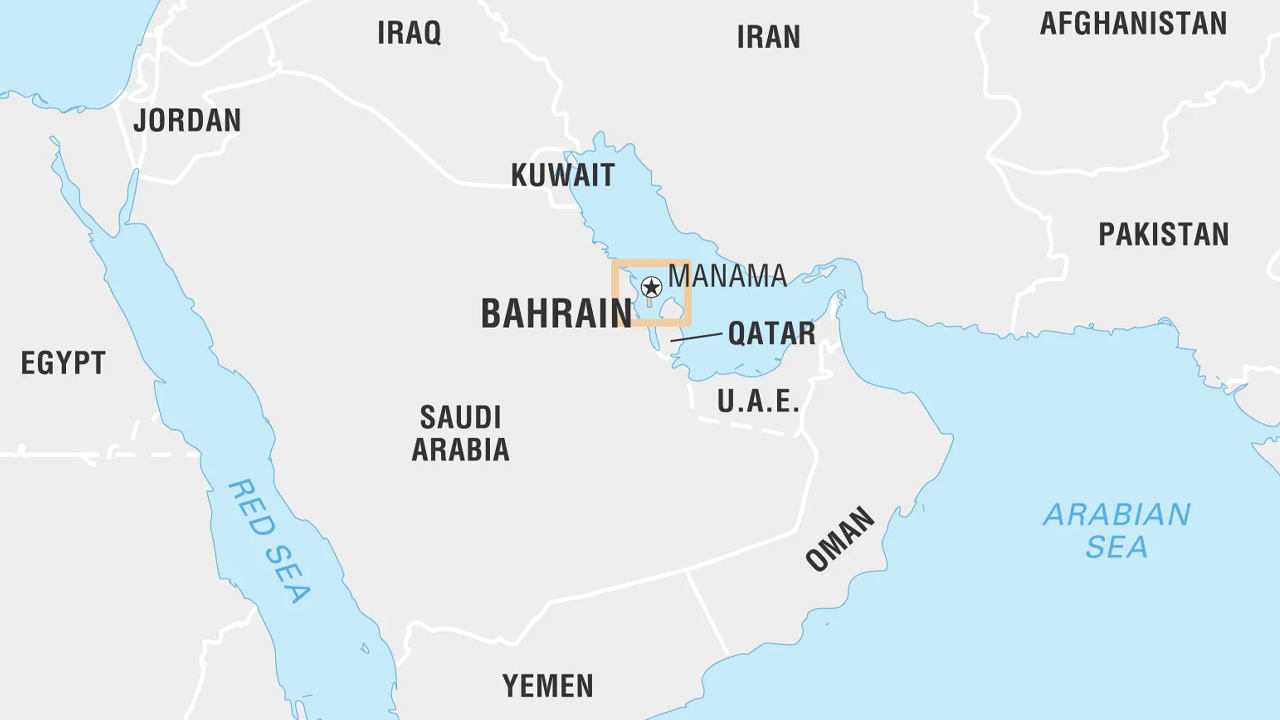
Darwin, November 13: Iran’s Islamic Revolutionary Guard Corps (IRGC) has claimed that it targeted and destroyed a US early-warning radar installation in Bahrain, marking the first such claim of an attack on American military assets in a Gulf country since early September.
The IRGC said the operation was carried out in retaliation for what it described as an airstrike on a telecommunications tower in Sirik, in Iran’s southern Hormozgan province.
The claim was reported on Friday by Iranian state media and comes amid a fragile lull in the conflict between Iran and the United States, which began with US and Israeli strikes on Iran on February 28 and subsequently spread across the region.
According to a statement carried by Iran’s semi-official Tasnim news agency, the IRGC Aerospace Force targeted the US radar system on the island of Bahrain a few hours after the alleged attack on the telecommunications facility.
The Guards described the operation as a “serious warning” to what they called an “aggressor enemy”, demanding an end to aerial provocations and what they alleged was oil smuggling through the Strait of Hormuz.
The IRGC warned that its Aerospace Force was fully prepared to respond without geographical restrictions if similar violations or acts of aggression occurred again.
Iran’s Fars news agency, which is affiliated with the IRGC, reported that the radar installation had been “targeted and destroyed”. However, the extent of the damage has not been independently verified.
Neither the United States nor Bahrain immediately commented on Iran’s claim.
Bahrain is strategically important to the US military presence in the Gulf as it hosts the headquarters of the US Navy’s Fifth Fleet, which oversees American naval operations across a large part of the Middle East.
The alleged targeting of a US early-warning radar could therefore carry wider security implications for American military operations and regional air defence arrangements.
However, no independent information has so far emerged confirming whether the radar was destroyed or whether the reported attack caused any casualties.
According to Reuters, this is the first time since early September that Iran has claimed an attack on American military assets in a Gulf country.
The latest development follows months of military confrontation between Iran and the United States and Israel.
Following the outbreak of the war on February 28, Iran launched missile and drone attacks against US military bases in several Gulf countries. Tehran also sought to restrict shipping through the Strait of Hormuz, one of the world’s most important routes for international oil and gas supplies.
Washington responded by imposing a naval blockade on Iranian ports.
The latest incident comes as tensions remain high despite a reduction in the intensity of direct military confrontations.
The immediate trigger for Iran’s latest announcement was an alleged attack on a telecommunications tower in Sirik, a port area in Hormozgan province near the Strait of Hormuz.
Iran’s state news agency IRNA, citing official sources, reported that Sirik had come under what it described as “enemy fire” on Thursday.
The IRGC subsequently linked the alleged attack to its operation against the US radar in Bahrain.
In its statement, the Iranian military force also accused the United States and its allies of carrying out aerial provocations and facilitating oil smuggling through the Strait of Hormuz.
The warning suggests that Tehran is linking the security of its territory with developments in the strategically important waterway, where tensions over shipping and oil exports have remained a major source of confrontation.
The latest claim comes amid continuing uncertainty over the future of the conflict.
Iranian officials have warned that any renewed military campaign against the country could lead to attacks on military installations involved in operations against Tehran.
Meanwhile, the United States continues to enforce restrictions on Iranian maritime trade through its naval blockade.
Although the intensity of direct attacks has eased, the latest developments indicate that the confrontation remains unresolved. Any further military action involving US installations in the Gulf could increase pressure on regional governments and threaten the security of vital energy routes.
For now, the Iranian claim of destroying the US radar in Bahrain remains unconfirmed by Washington or Manama.
Sources: Reuters, Al Jazeera, Tasnim News Agency

Darwin, November 13: Elon Musk, CEO of Tesla and founder of SpaceX, has said he would feel honoured to hire Nvidia chief executive Jensen Huang…

Darwin, November 13: Jensen Huang, chief executive officer of global technology giant Nvidia, has resigned amid allegations of two extramarital relationships and growing national security…
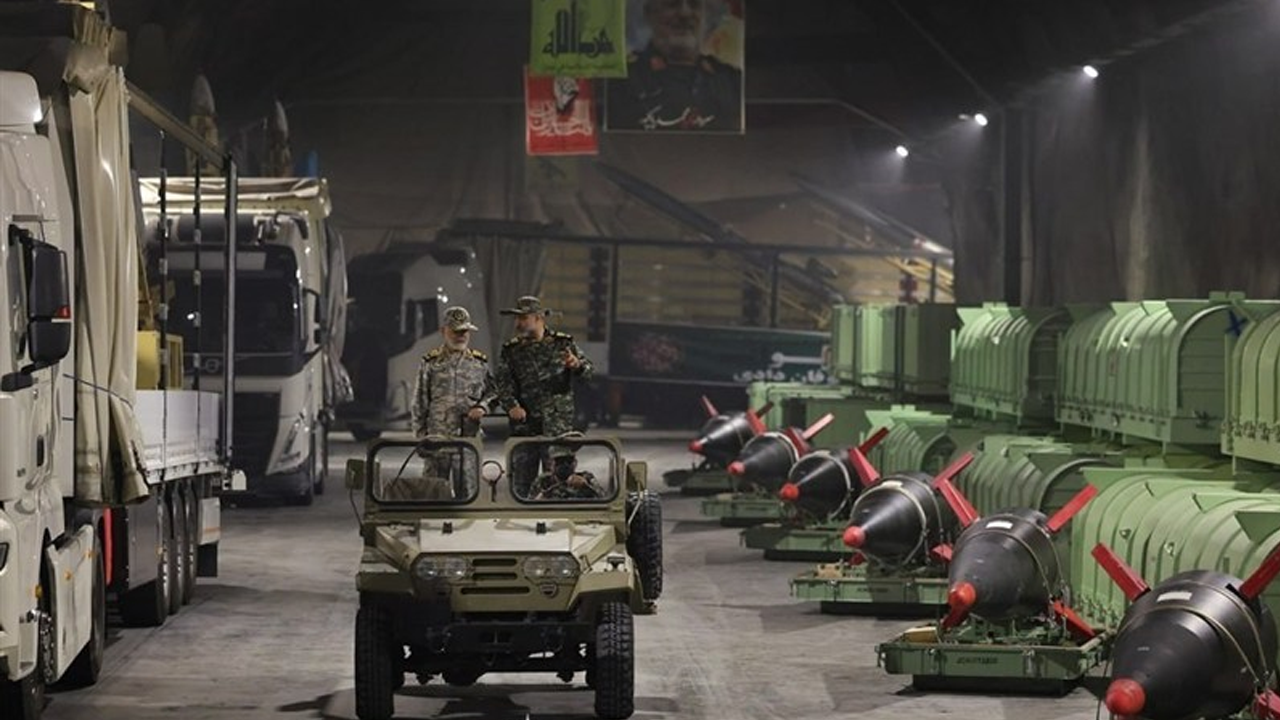
Darwin, November 11: The Islamic Revolutionary Guard Corps (IRGC) Aerospace Force of Iran has unveiled a new missile city, showcasing various types of ballistic and…
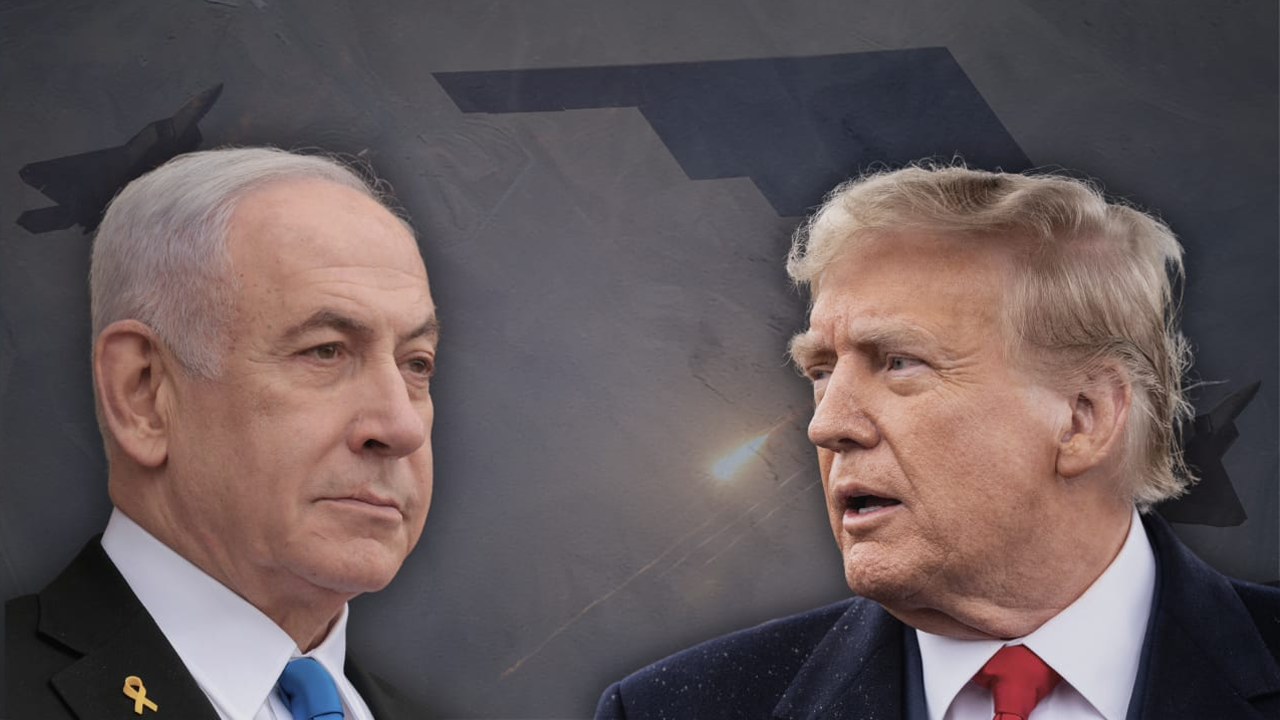
Darwin, November 11: Israeli Prime Minister Benjamin Netanyahu is reportedly calling US President Donald Trump every day to push for the launch of a fresh…
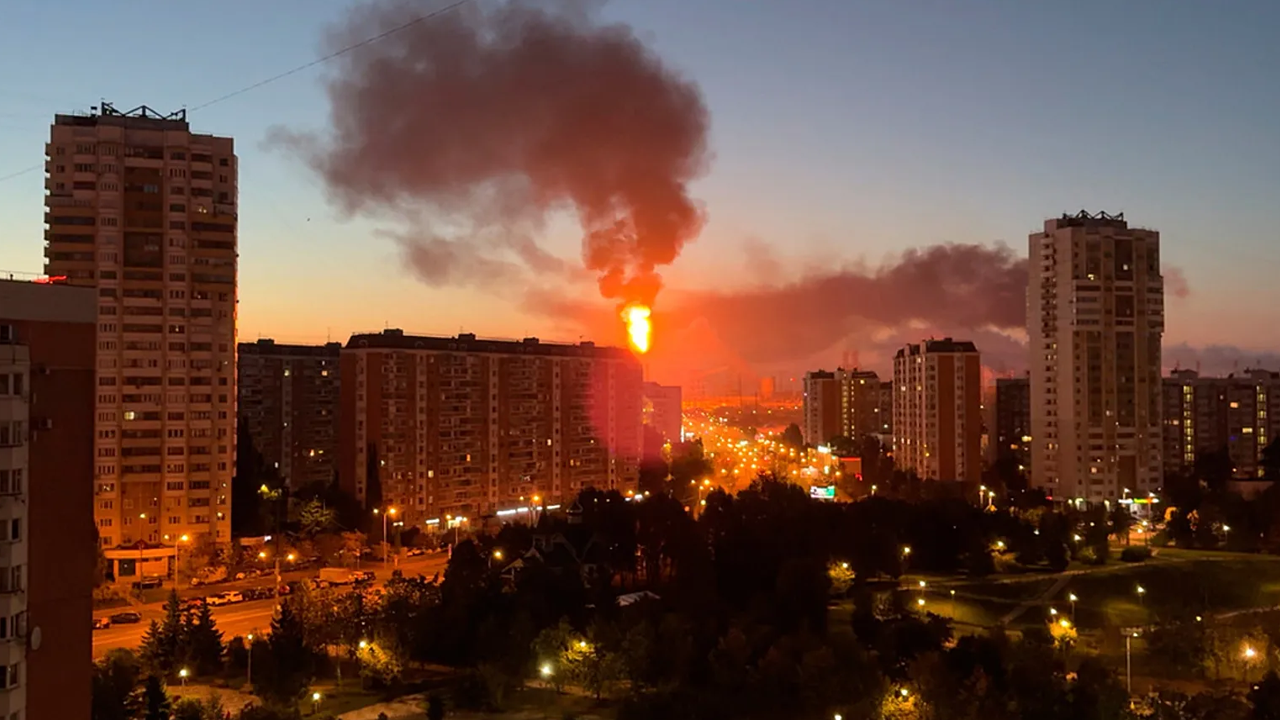
Darwin, November 10: Ukraine has launched a drone attack on Russia’s second-largest oil refinery, KirishiNefteOrgSintez (KINEF). The attack damaged three major oil processing units at…
Darwin, November 10: Saudi Arabia’s key East-West oil pipeline has come under attack. The attack took place on Monday in the country’s Medina region, state…

Darwin, November 10: The war against Iran by the United States and Israel has reached its most dangerous stage, according to Ibrahim Kalin, head of…
Darwin, November 08: Gadi Eisenkot, leader of Israel’s opposition party Yashar, has been tasked with forming the country’s next government. President Isaac Herzog has assigned…