Silver, Platinum and Palladium Prices Fall in Global Markets
Darwin, September 8: Precious metal prices declined in the international market on Tuesday. In the spot market, silver prices fell 0.5% to $65.76 per ounce….



Darwin, 27 April: Ongoing geopolitical tensions in the Middle East and the stalled peace talks between Iran and the United States have driven global oil prices up by more than 2 percent in a single jump.
Limited oil supply through the Strait of Hormuz and diplomatic gridlock between Tehran and Washington have sparked renewed concerns among investors.
According to market analysis and international media reports, the price of Brent crude futures rose by $2.22, or 2.11 percent, to reach $107.55 per barrel. Meanwhile, U.S. West Texas Intermediate (WTI) crude increased by $1.20, or 2.14 percent, reaching $96.42 per barrel.
Energy experts say that peace talks held in Islamabad, mediated by Pakistan and Oman, have hit a roadblock. The uncertainty surrounding negotiations between Iran and the United States has further heightened volatility in the global oil market.
At the same time, oil supply through one of the world’s most critical maritime routes, the Strait of Hormuz, has yet to return to normal.
Restricted vessel movement through this narrow passage has severely tightened global supply chains. As a result, oil shipments from the Middle East to Asia and Europe are being disrupted, directly impacting prices.
The sharp decline in global oil supply has created a “tight supply” situation in the international market. On one hand, production has been disrupted due to the effects of conflict involving Iran; on the other hand, key trade routes have become increasingly insecure, causing oil inventories to deplete rapidly. With no immediate alternative sources available to fill the gap, prices continue to rise.
Analysts believe that unless shipping through the Strait of Hormuz fully resumes and a sustainable agreement is reached between Washington and Tehran, volatility in the global oil market is likely to persist.
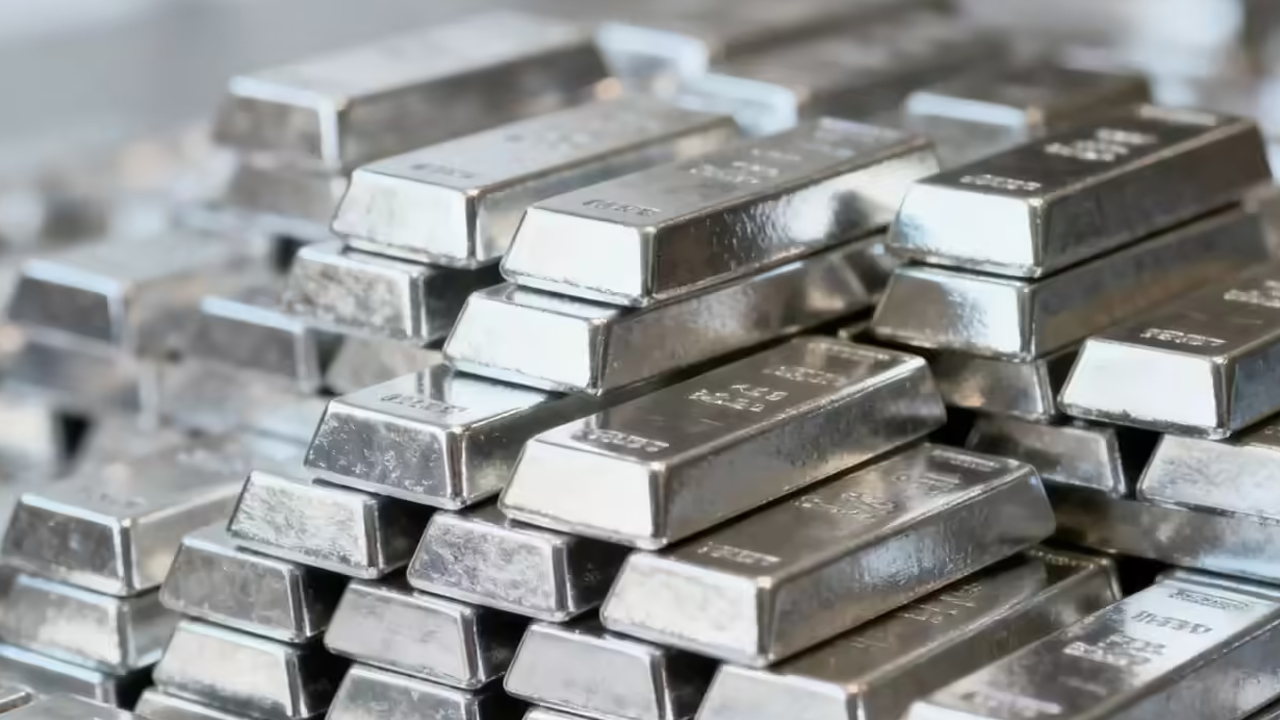
Darwin, September 8: Precious metal prices declined in the international market on Tuesday. In the spot market, silver prices fell 0.5% to $65.76 per ounce….
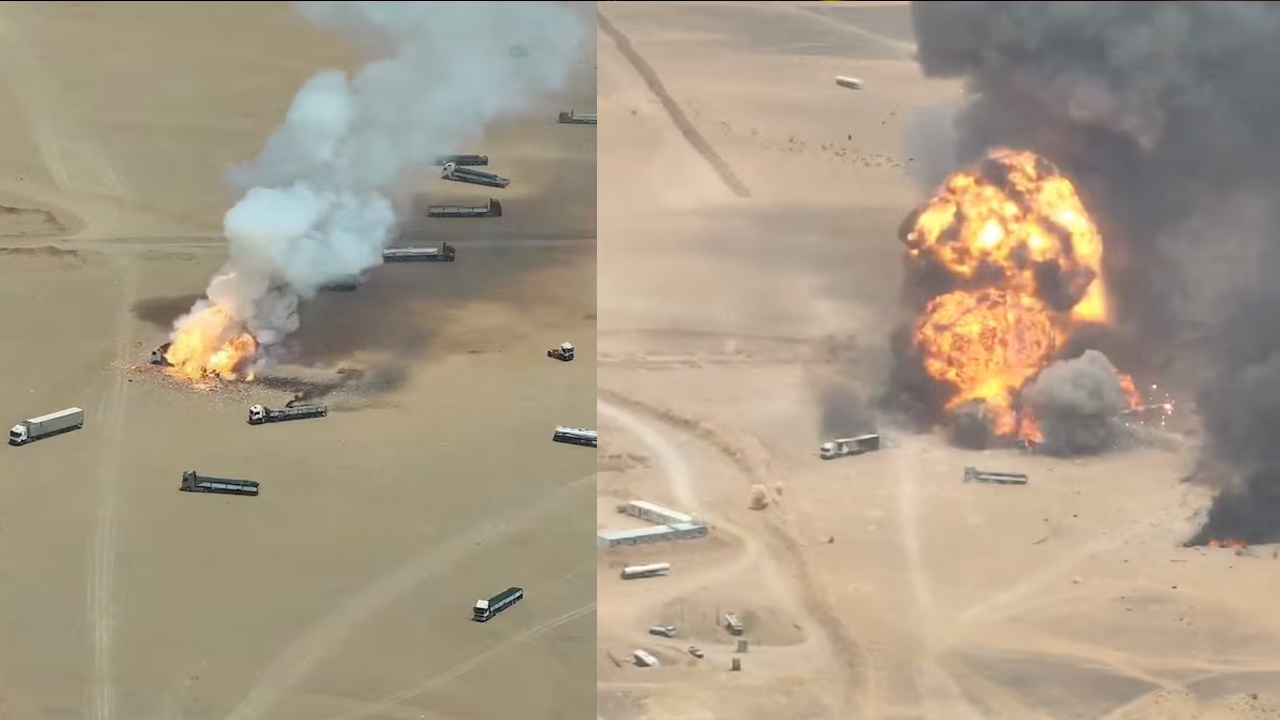
Darwin, Septermber 08 : At least 73 civilians, including women and children, have been injured in attacks by Yemen’s Houthi rebels targeting civilian and economic…

Darwin, 08 September : Ukraine has taken steps toward legalizing pornography as a way to raise funds for its war with Russia. According to The…
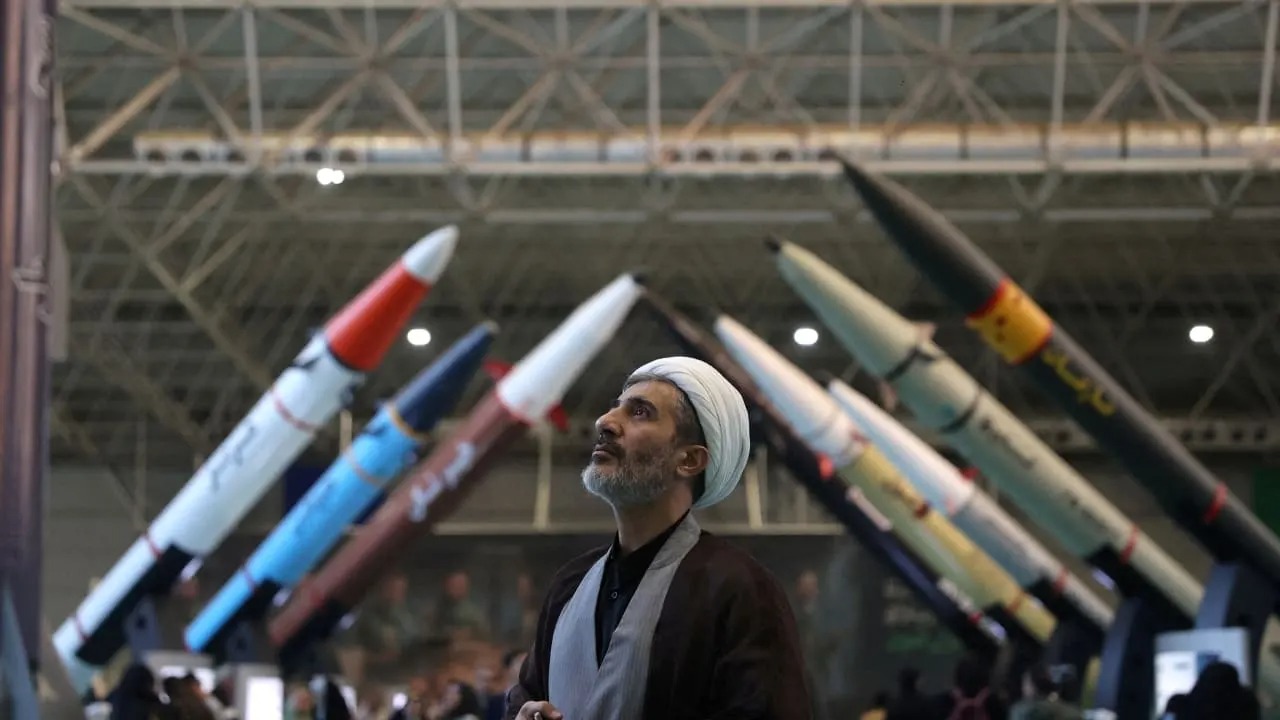
Darwin, September 07: Iran is preparing for a major, multi-front attack against Israel, according to an Israeli intelligence assessment. The report says Iran is seeking…
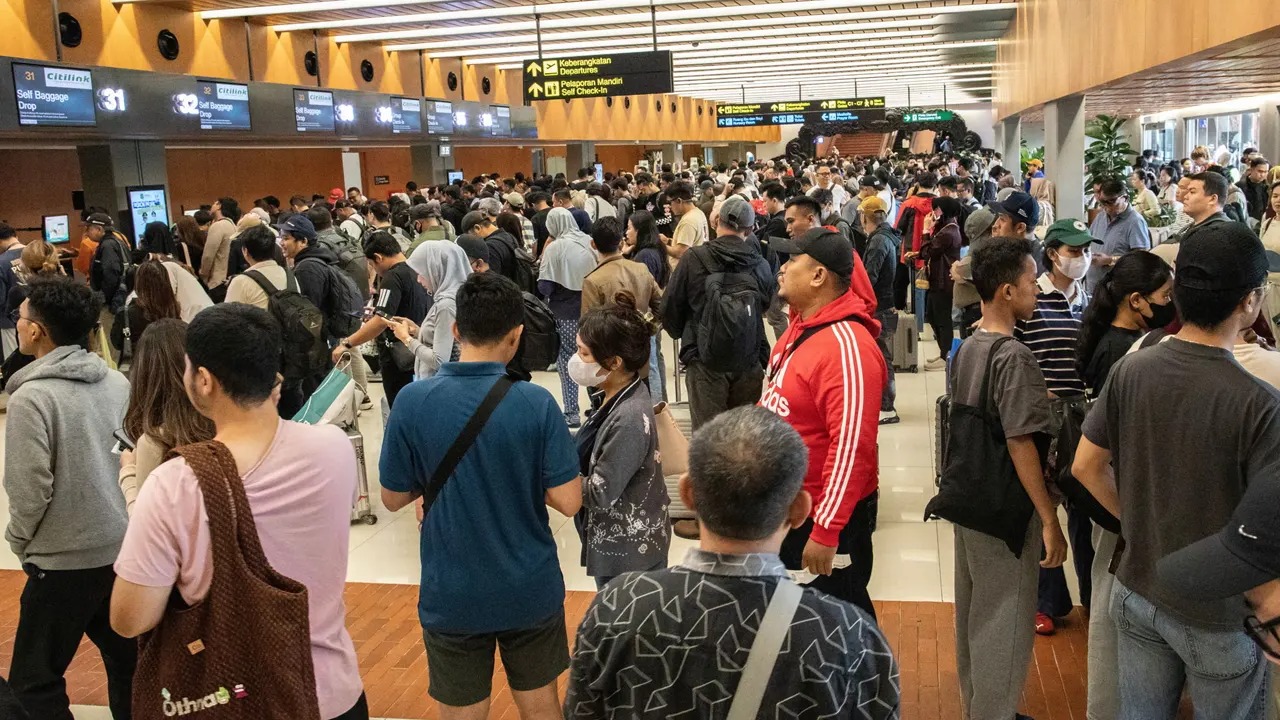
Darwin, 07 September: Air travel in Indonesia has been disrupted by ash from the eruption of Anak Krakatau volcano. As of Monday morning, seven airports,…
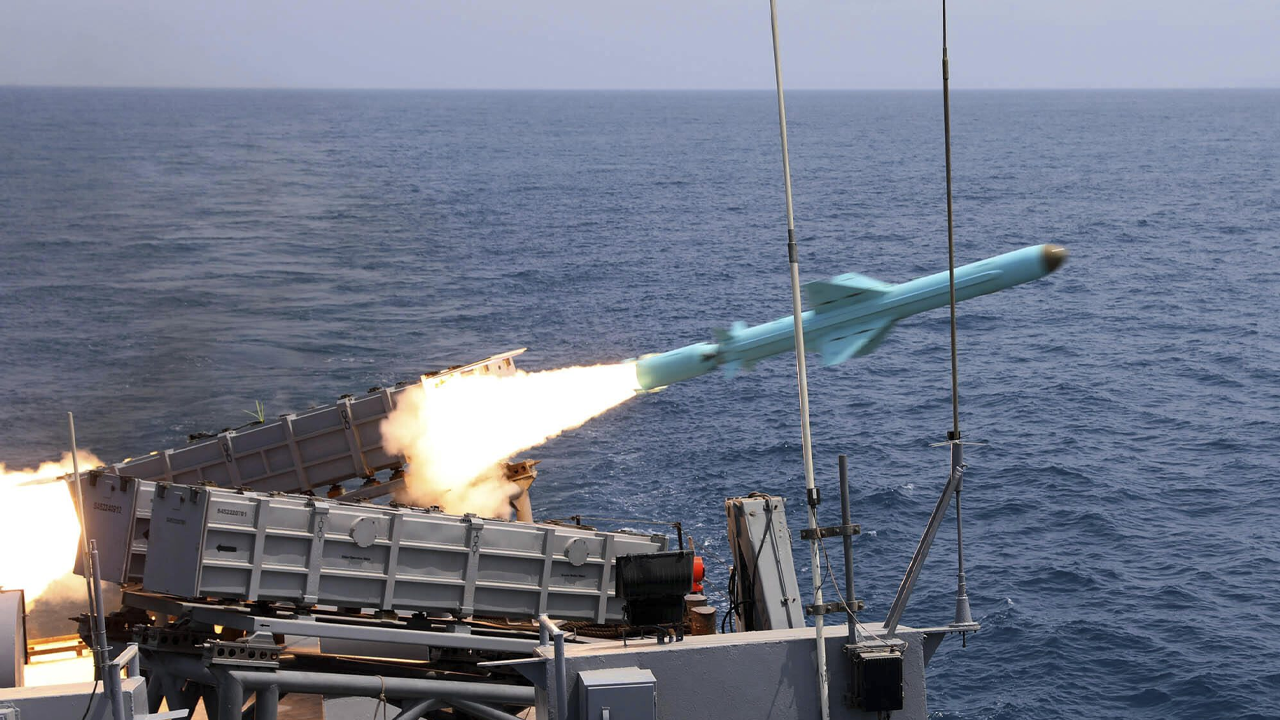
Darwin, September : Iran’s Islamic Revolutionary Guard Corps (IRGC) has launched ballistic missile attacks on a US aircraft carrier and a US Navy destroyer. In…
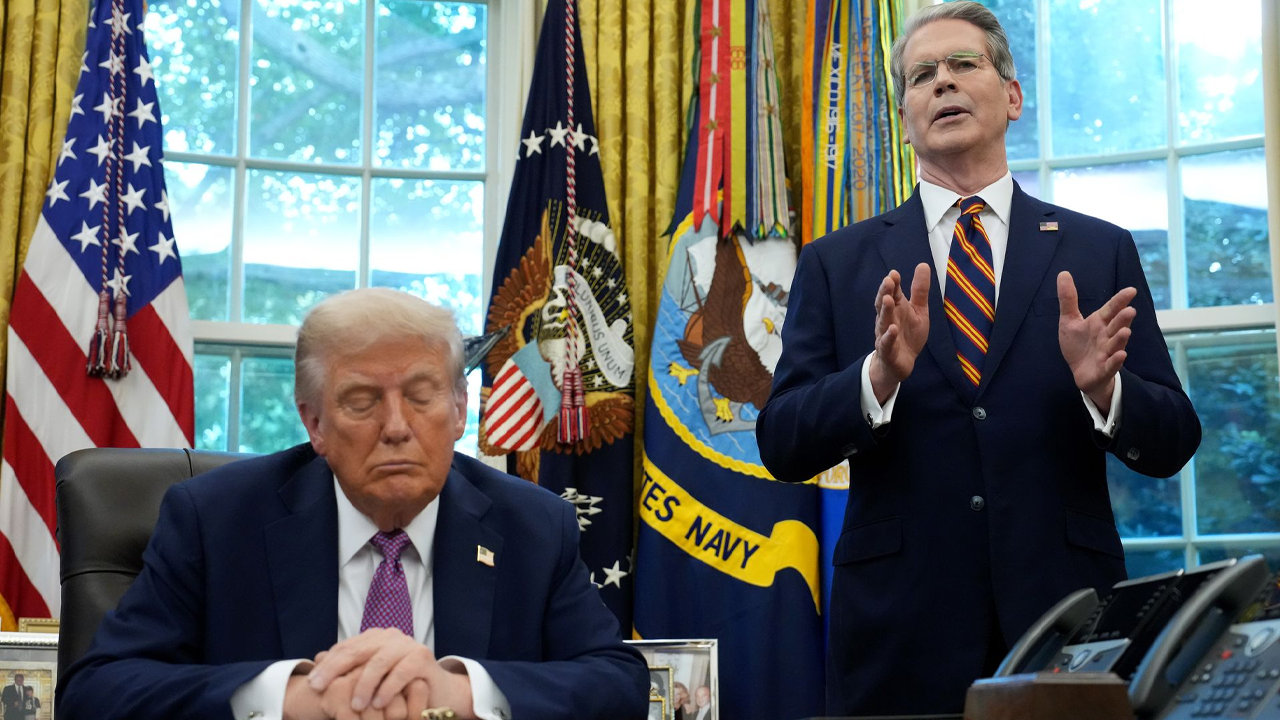
Darwin, September 05: The Trump administration’s efforts to intensify economic pressure on Iran could accelerate the emergence of a new global order less dependent on…
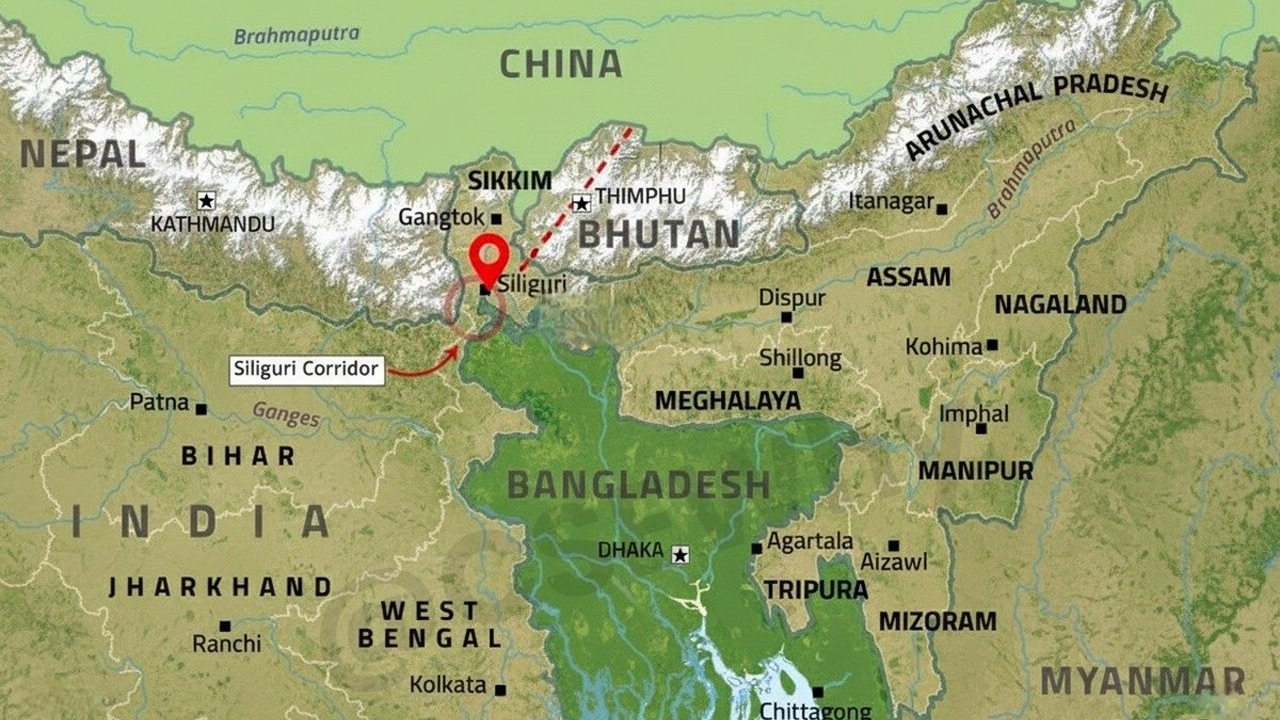
Darwin, September 04 : India’s central government has allocated Rs 2,077 crore for the construction of a new four-lane highway in the strategically important Siliguri…