Oil Prices Rise in Global Markets on Fears of Middle East Supply Disruptions
Darwin, October 21: Oil prices rose in global markets on Wednesday as traders grew concerned about potential disruptions to oil supplies in the Middle East,…



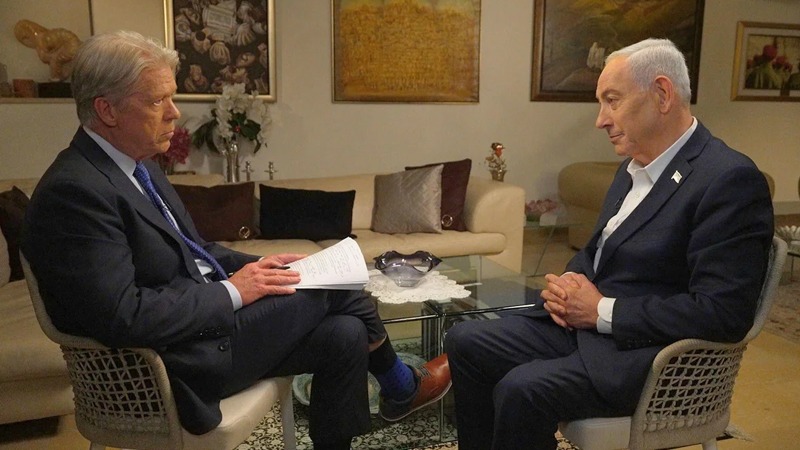
Darwin, 11 May: Netanyahu: Iran regime change not certain, despite war pressure
Benjamin Netanyahu has acknowledged that the fall of Iran’s ruling system is not guaranteed, even after years of military pressure, sanctions, and conflict involving regional and global powers.
In an interview with CBS’s “60 Minutes,” Netanyahu said he cannot predict whether Iran’s government will collapse. Responding to questions based on a The New York Times report, he denied claiming that a joint U.S.-Israel air campaign would necessarily bring down the Iranian state.
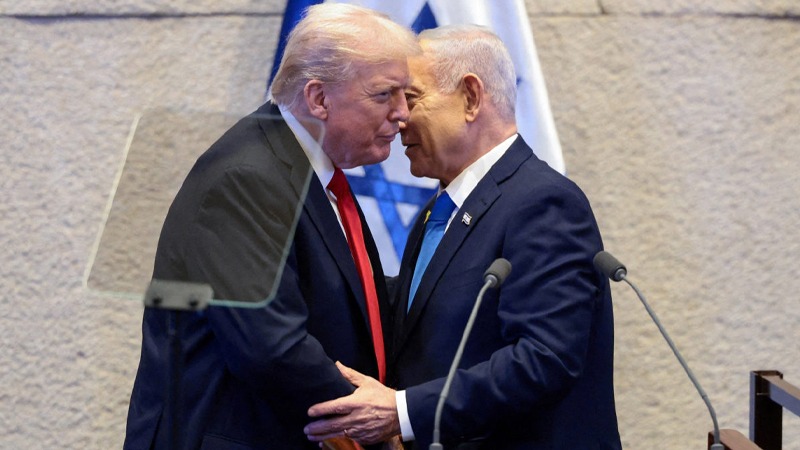
According to Netanyahu, such an outcome was never presented as certain. “We both agreed there was uncertainty and risk,” he said, referring to discussions involving former U.S. President Donald Trump.
‘Collapse is possible, but not guaranteed’
Netanyahu said the Iranian system may or may not fall, but if it does, it would likely lead to the collapse of Iran’s wider regional network, including groups such as Hezbollah, Hamas, and the Houthis, which he described as being sustained by Iran.
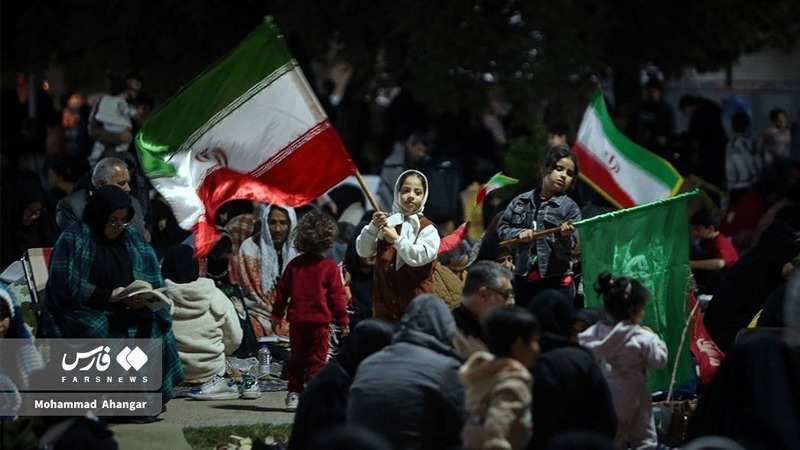
He compared the potential collapse of Iran’s system to bankruptcy: “It proceeds gradually and then suddenly it falls.”
Claims of internal weakening and uncertainty
Netanyahu’s remarks come amid continuing debate among analysts about Iran’s internal stability. Despite prolonged sanctions, external pressure, and internal unrest, Iran’s government has remained in place, prompting ongoing international analysis.
He also said he does not know when—or if—the Iranian leadership will fall, but insisted that such a scenario remains possible.
Comments on Iran’s leadership
In the interview, Netanyahu said he believes Iran’s leadership structure is still intact. He suggested that senior figures may be in hiding, but he has no confirmed information about their condition or location.
U.S. aid and strategic independence
Netanyahu also reiterated his long-term goal of reducing Israel’s dependence on U.S. military assistance within the next decade, a position he has expressed previously in interviews.
Domestic and global perception
Addressing declining public support for Israel in the United States, especially among younger generations, Netanyahu blamed social media campaigns and what he described as coordinated disinformation efforts.
He pointed to recent polling showing that a majority of Americans now hold unfavorable views of Israel and have limited trust in his leadership on global affairs.
Darwin, October 21: Oil prices rose in global markets on Wednesday as traders grew concerned about potential disruptions to oil supplies in the Middle East,…
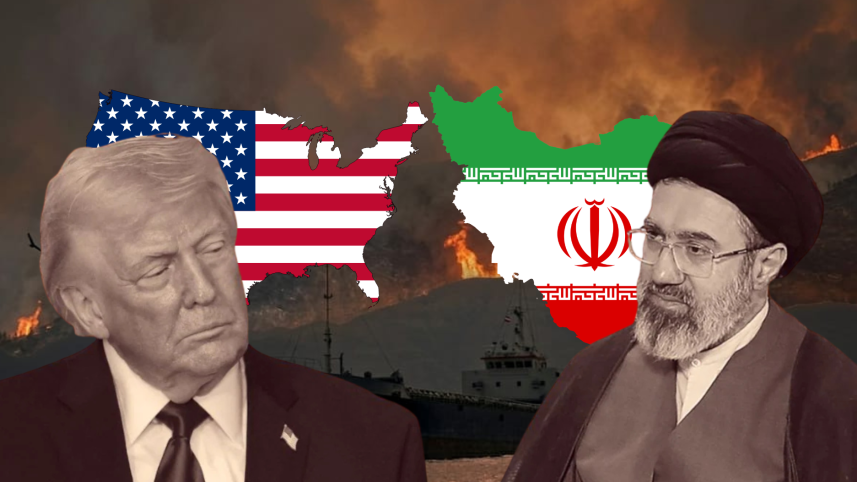
Darwin, October 21: Iran is prolonging negotiations with Washington in an attempt to politically weaken President Donald Trump ahead of the US midterm elections, according…

Darwin, October 21: Today is the auspicious occasion of Bijaya Dashami. The five-day Sharadiya Durga Puja, the biggest religious festival of the Hindu community, officially…

Darwin, October 20: Today is Maha Navami, the ninth day of Sharadiya Durga Puja. Members of the Hindu community will observe the day through religious…

Darwin, October 20: Protests and violence over the rising cost of living have erupted in Italy, one of Europe’s largest economies, following similar unrest in…
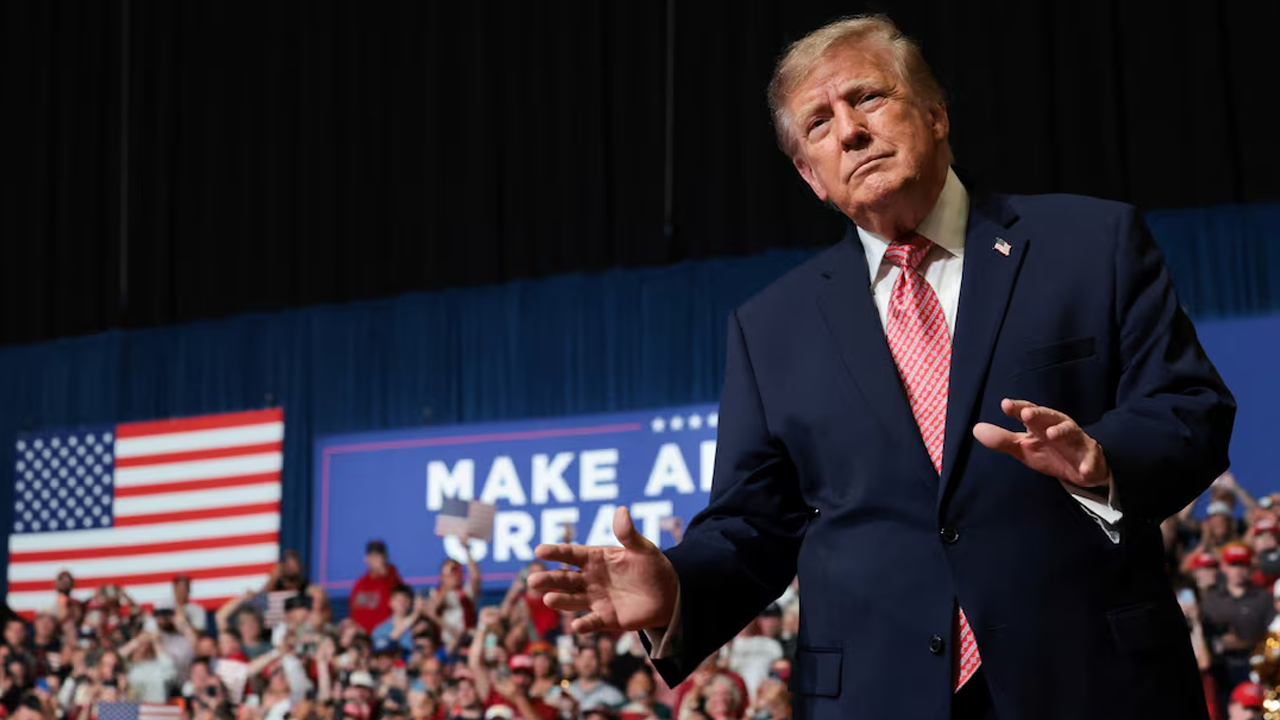
Darwin, October 20: US President Donald Trump has warned that protests and violence similar to those in France could spread across the United States if…
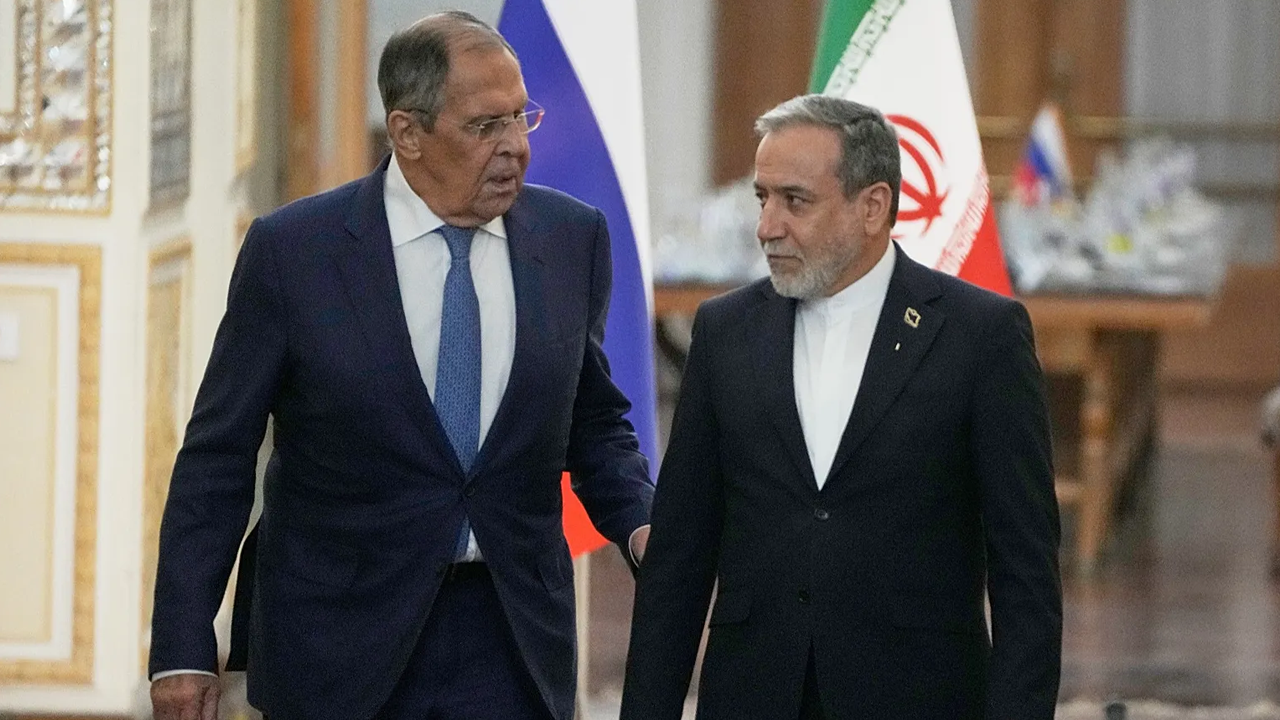
Darwin, October 20: Moscow has reaffirmed its full support for Tehran just hours after US President Donald Trump remarked that Russia was doing very little…

Darwin, October 19: Former Manchester City manager Pep Guardiola has urged the world not to forget the Palestinians in Gaza. In a video for the…