Oil Prices Rise in Global Markets on Fears of Middle East Supply Disruptions
Darwin, October 21: Oil prices rose in global markets on Wednesday as traders grew concerned about potential disruptions to oil supplies in the Middle East,…



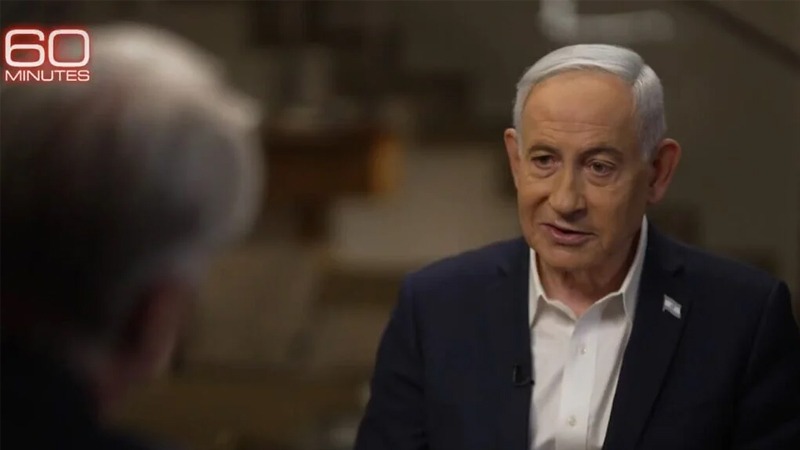
Darwin, 11 May : Israeli Prime Minister Benjamin Netanyahu has indicated that neither Israel nor the United States fully understood how effectively Iran could use its control over the Strait of Hormuz before the recent conflict began. According to him, both countries were effectively caught off guard by Iran’s exercise of power.
In an interview on CBS News’ program “60 Minutes”, Netanyahu acknowledged shortcomings in their assessments, saying: “I do not claim that our predictions were perfect. Nobody’s were. Not even the Iranians’.”
His remarks came after a New York Times report suggested that Netanyahu had believed Israeli and U.S. airstrikes would weaken Tehran enough to prevent it from closing the strategically vital Strait of Hormuz.
The Strait of Hormuz is one of the world’s most important energy transit routes. A large volume of oil and liquefied gas produced in the Persian Gulf passes through this narrow waterway to global markets. As a result, Iranian influence over the strait has a direct impact on the global economy, with oil prices reportedly rising above $100 per barrel.
Due to its geographical position, Iran has long maintained significant influence over the area. Because of the ongoing stalemate in peace negotiations with the United States, more than 1,500 commercial ships are reportedly stranded in the Hormuz region.
“Iran’s collapse is possible, but not certain”
In the same interview, Netanyahu was also asked about another New York Times report claiming that in a February 11 meeting he had suggested that a joint U.S.-Israeli operation could lead to the collapse of the Islamic Republic of Iran.
He denied presenting such an outcome as certain, saying: “We both agreed there were uncertainties and risks.”
He added that U.S. President Donald Trump reportedly said there is risk in action, but even greater risk in inaction.
When asked whether Iran’s regime could fall, Netanyahu said:
“Nobody can say when it will happen. Is it possible? Yes. Certain? No. Like bankruptcy—it happens gradually, then suddenly.”
Comments on proxy networks
Netanyahu also argued that if Iran’s government were to fall, it would significantly impact its regional allies and proxy groups. He described Iran as the “core structure” sustaining groups such as Hezbollah, Hamas, and the Houthis.
He further said he believes Iran’s Supreme Leader Mojtaba Khamenei is still alive, though he has not been seen or heard from since reportedly being appointed successor in March following the death of his father. Netanyahu suggested he may be hiding in a bunker or secret location.
Plan to reduce reliance on U.S. military aid
Netanyahu also stated that he aims for Israel to become less dependent on U.S. military aid within the next decade, reiterating comments he previously made to The Economist earlier this year.
When asked about declining public support for Israel in the United States, particularly among younger Americans following the Gaza war, he attributed it to social media and what he called effective misinformation campaigns by unnamed states.
He said: “The campaigns against the Jewish state on social media have been very effective.”
A March Pew Research survey found that 60% of American adults now hold an unfavorable view of Israel, and 59% say they have little or no confidence in Netanyahu to do the right thing in global affairs.
Darwin, October 21: Oil prices rose in global markets on Wednesday as traders grew concerned about potential disruptions to oil supplies in the Middle East,…
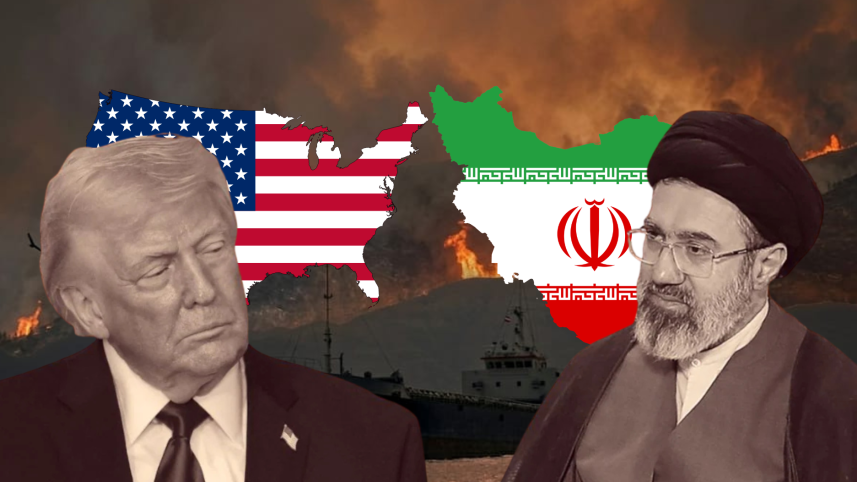
Darwin, October 21: Iran is prolonging negotiations with Washington in an attempt to politically weaken President Donald Trump ahead of the US midterm elections, according…

Darwin, October 21: Today is the auspicious occasion of Bijaya Dashami. The five-day Sharadiya Durga Puja, the biggest religious festival of the Hindu community, officially…

Darwin, October 20: Today is Maha Navami, the ninth day of Sharadiya Durga Puja. Members of the Hindu community will observe the day through religious…

Darwin, October 20: Protests and violence over the rising cost of living have erupted in Italy, one of Europe’s largest economies, following similar unrest in…
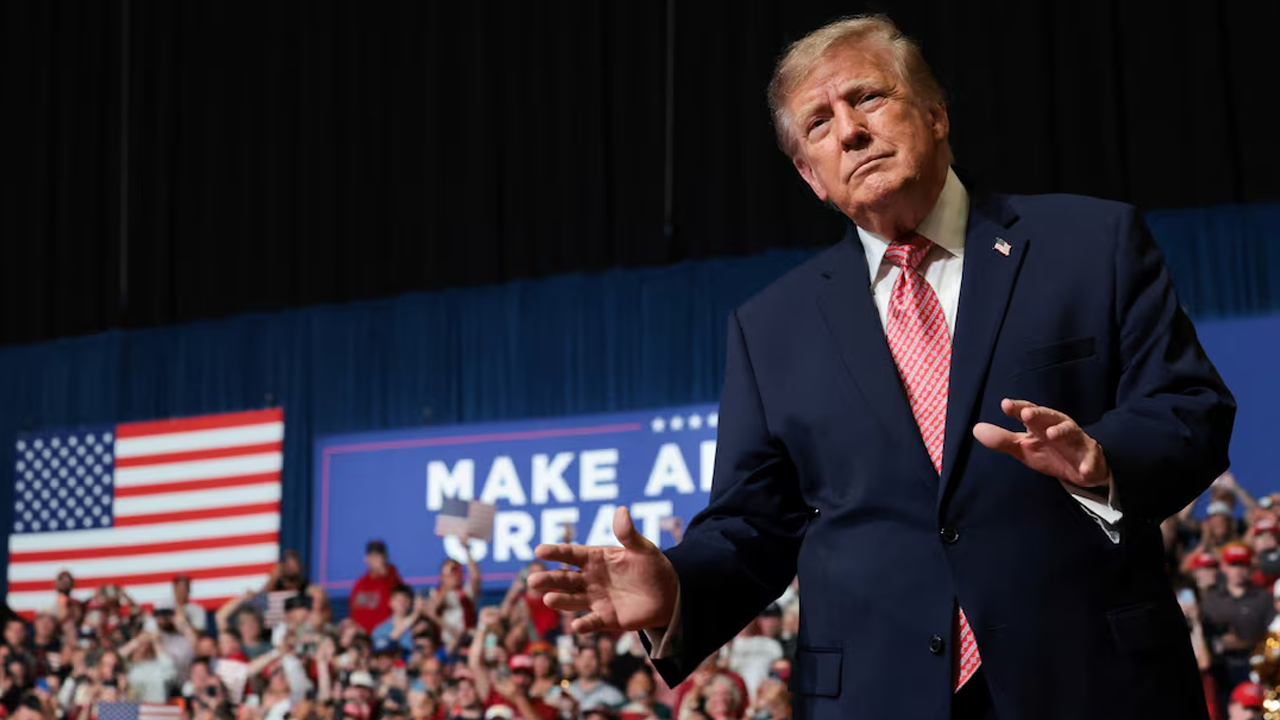
Darwin, October 20: US President Donald Trump has warned that protests and violence similar to those in France could spread across the United States if…
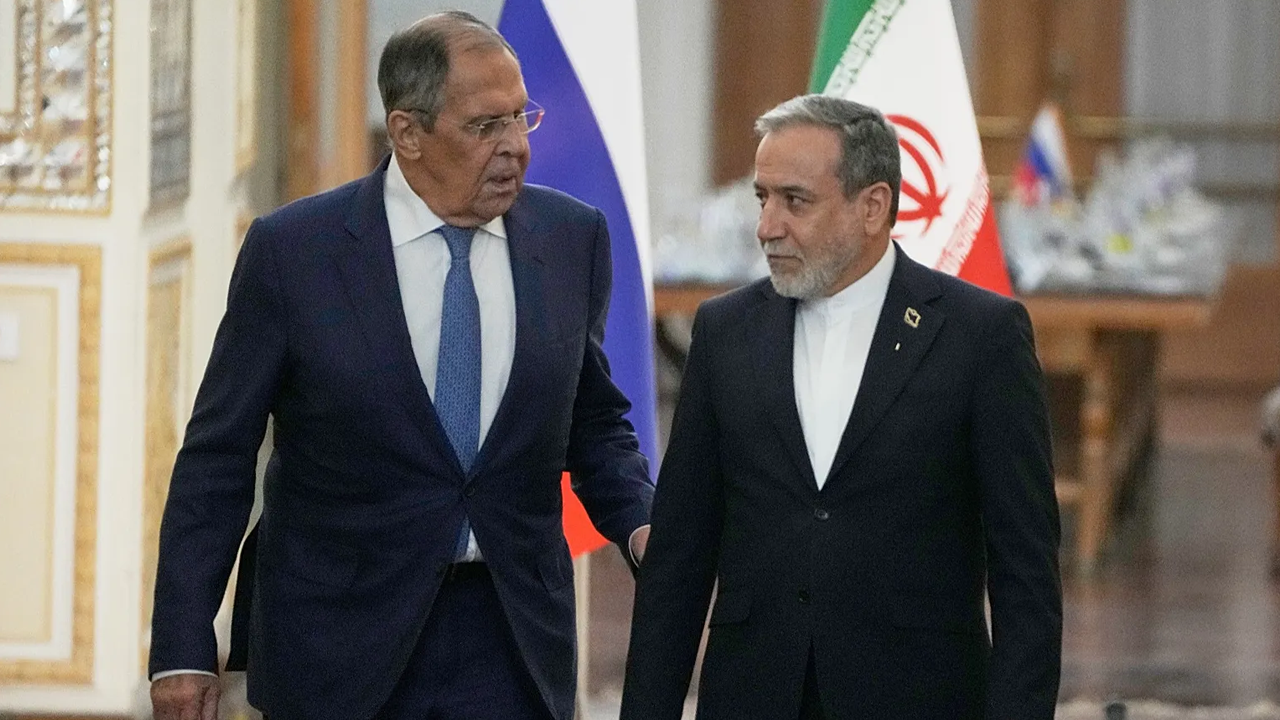
Darwin, October 20: Moscow has reaffirmed its full support for Tehran just hours after US President Donald Trump remarked that Russia was doing very little…

Darwin, October 19: Former Manchester City manager Pep Guardiola has urged the world not to forget the Palestinians in Gaza. In a video for the…