China Privately Urges Iran to Rein in Yemen’s Houthis: Reuters Special Report
Darwin, September 18 : China has privately urged Iran to rein in Yemen’s Houthis following an appeal from Saudi Arabia, according to three Iranian sources…



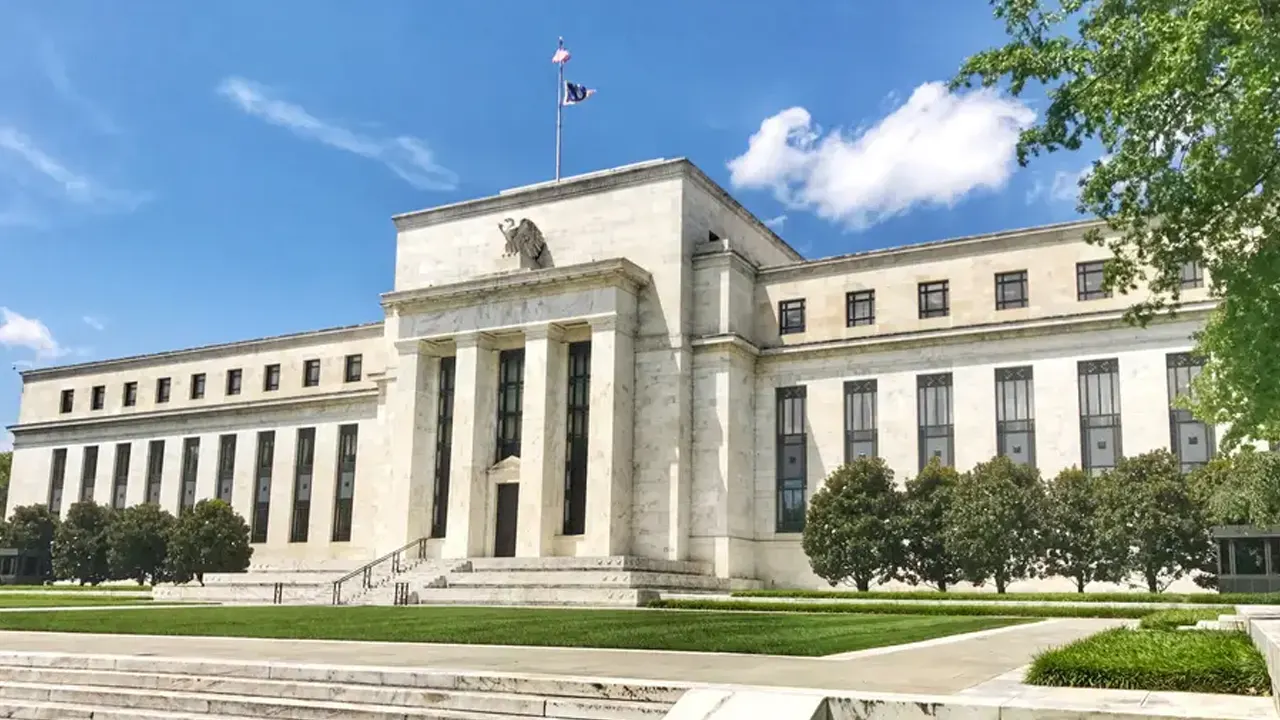
Darwin, September 18: The U.S. Federal Reserve has raised its benchmark interest rate in an effort to bring inflation under control. The central bank increased its policy rate to 3.75%–4%, marking the first rate hike in three years.
The decision was taken unanimously by the Fed’s policymaking committee after a two-day meeting that concluded on Wednesday.
The move comes as inflation remains above the Federal Reserve’s 2% target. The Fed said economic activity has been expanding at a strong pace, domestic spending remains stable, while productivity and capital investment have also remained strong. However, with inflation still elevated, policymakers said further action is needed to bring it back toward the 2% target.
Fed Chair Kevin Warsh said inflation remains too high and has stayed elevated for an extended period. He said raising interest rates was necessary to help bring inflation under control.
Before the decision, President Donald Trump had repeatedly called for rapid interest-rate cuts. After the rate increase was announced, Trump expressed support for Warsh but criticized the Fed’s policymaking board.
The rate hike could have a direct impact on borrowers. Interest rates on bank loans, mortgages and credit cards may rise, while the cost of borrowing for people looking to purchase homes could also increase. At the same time, savers may have opportunities to earn relatively higher returns on their deposits.
Following the Fed’s decision, several major U.S. banks also raised their prime lending rate from 6.75% to 7%. As a result, interest rates on credit cards and personal loans could also increase.
However, borrowers with fixed-rate 15- or 30-year mortgages will not see an immediate change in their monthly payments. Higher costs are more likely to affect people taking out new mortgages or refinancing existing loans.
Central banks generally raise interest rates to discourage individuals and businesses from borrowing. Higher rates can encourage saving and reduce spending, which can ease demand in the economy and help slow the pace of price increases.
There can also be a downside. As borrowing becomes more expensive, businesses may reduce investment, potentially slowing economic growth.
The Fed’s latest projections also revealed differences among policymakers over the future path of interest rates. Several officials supported further monetary tightening later this year.
The Fed’s decision could also affect the U.S. housing market. Mortgage rates for new borrowers may rise, although long-term mortgage rates do not move directly and one-for-one with the Federal Reserve’s policy rate.
Before the Fed’s decision, the average interest rate on a 30-year U.S. mortgage was above 6%. As a result, pressure on the cost of buying a home is expected to continue in the high-interest-rate environment.
Beyond the United States, inflation and geopolitical developments have also created renewed pressure on monetary policymakers in many countries. As a result, decisions by other central banks regarding interest rates are also being closely watched.
The Federal Reserve said that despite uncertainty surrounding geopolitical developments, U.S. economic activity remains strong. The central bank is therefore weighing both the need to control inflation and developments in economic growth and employment.
Source: BBC
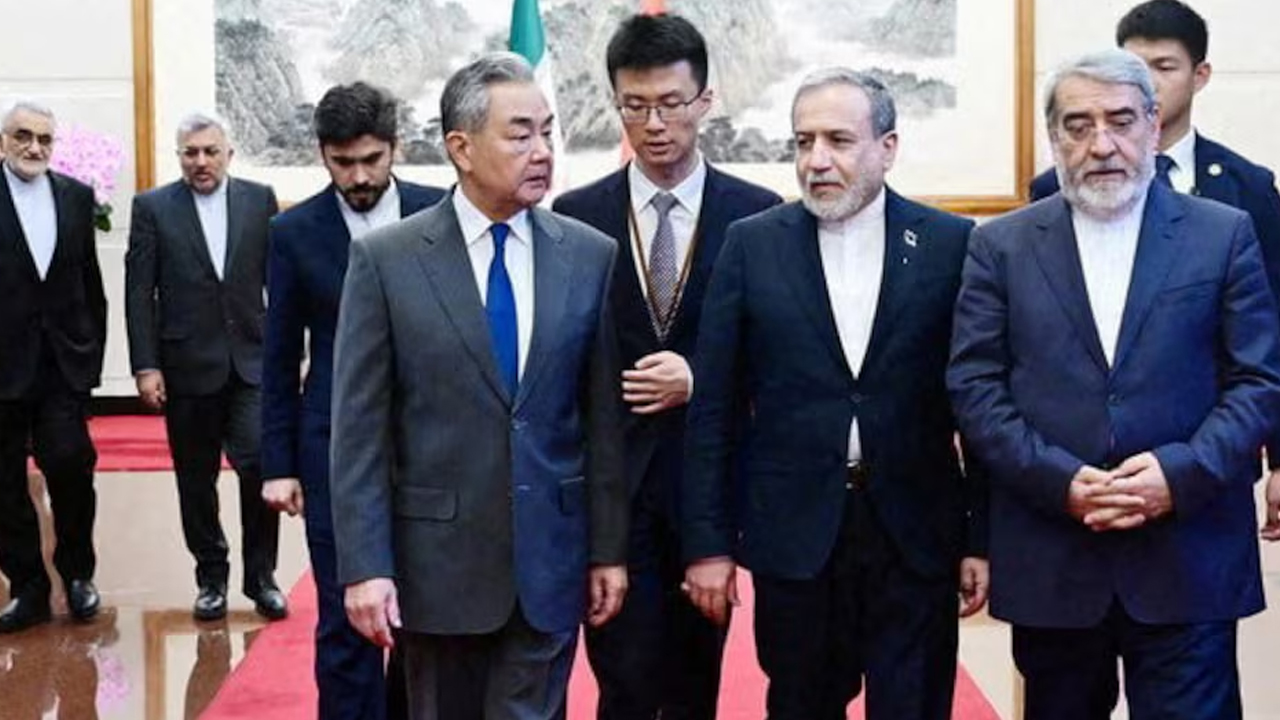
Darwin, September 18 : China has privately urged Iran to rein in Yemen’s Houthis following an appeal from Saudi Arabia, according to three Iranian sources…

Darwin, September 18: Saudi Arabia is running short of missile interceptors as its conflict with Yemen’s Houthi rebels drags on, prompting Riyadh to seek air…
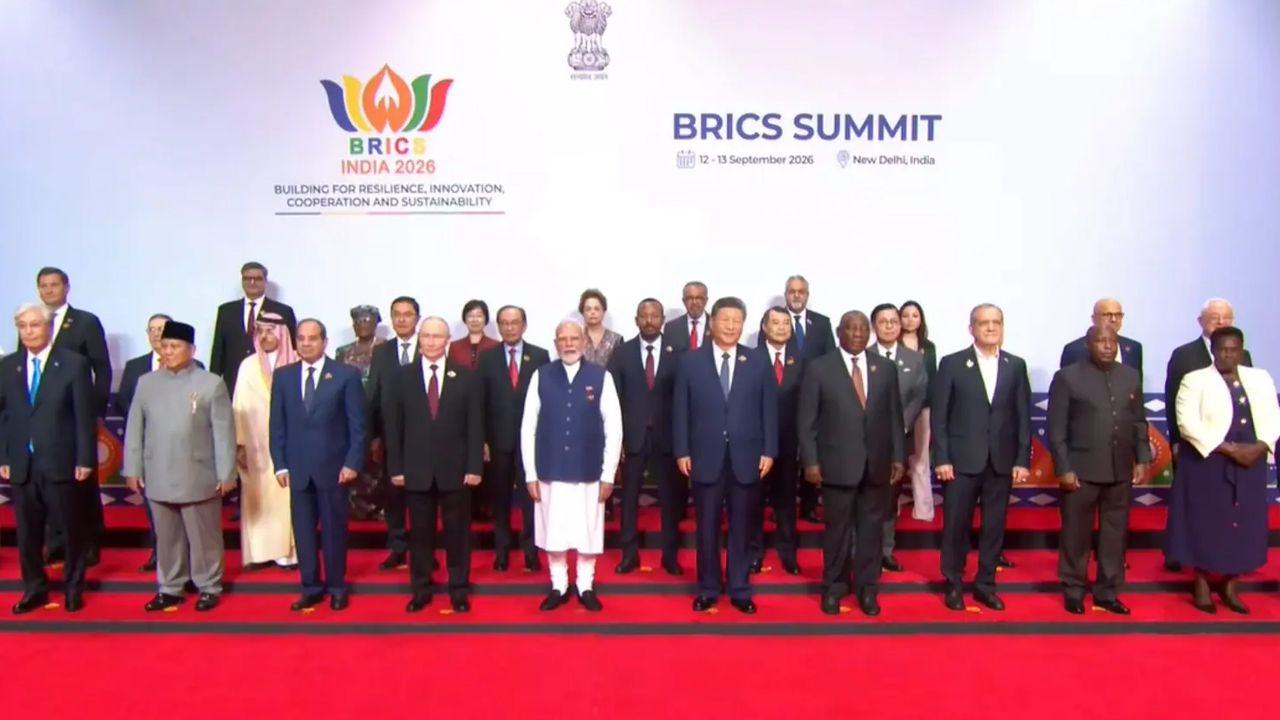
Darwin, September 14: At a time when the global diplomatic landscape is marked by deep instability and mounting tensions—with a raging war in the Middle…

Darwin, September 13 : Iraq has closed a key border crossing with Iran following a drone attack launched from Iraqi territory that targeted Saudi Arabia’s…

Darwin, September 11 : The ongoing conflict in Yemen could escalate into a major new war, as Iran-backed Houthi forces are allegedly advancing to seize…

Darwin, September 11 : Israel’s National Security Council (NSC) has warned of an increased risk of terrorist attacks against Israeli citizens and Jews in various…

Darwin, 11 September : Missiles fired by an “enemy” struck several areas of Sirik in southern Iran, the country’s state media reported. Al Jazeera reported…

Darwin, September 8: Precious metal prices declined in the international market on Tuesday. In the spot market, silver prices fell 0.5% to $65.76 per ounce….