Israel’s Next Prime Minister to Be Decided on Sunday
Darwin, November 8: Israeli President Isaac Herzog is expected to announce on Sunday whom he will nominate to form the country’s next government following consultations…



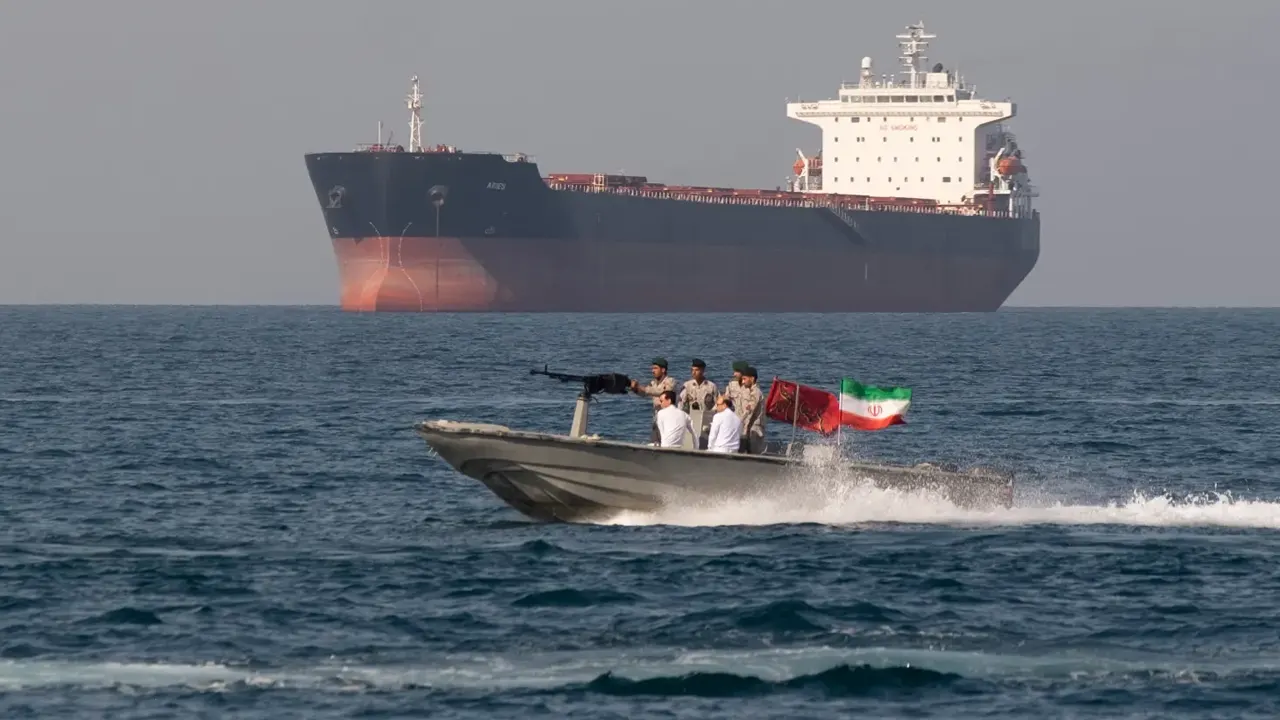
Darwin, November 6: Iran has imposed restrictions on shipping through the strategically vital Strait of Hormuz amid its war with the United States and Israel, but is allowing vessels from India, China, Qatar and Iraq to pass through the waterway. A senior Iranian lawmaker says ships from these countries are able to navigate the strait without obstruction.
In return, Tehran is receiving medicines, political support and potentially significant revenue from shipping fees. However, uncertainty remains over how effective these exemptions will be amid the US naval blockade.
Amir Hayat-Moqaddam, deputy head of the Iranian parliament’s National Security and Foreign Policy Committee, told the Iranian Students’ News Agency (ISNA) that vessels from the four countries were moving freely through the strait and that the United States was not preventing them from doing so.
Following US and Israeli attacks on Iran on February 28, Tehran effectively closed the Strait of Hormuz. Washington subsequently imposed another naval blockade on Iran’s southern ports in July.
The situation has raised questions about why Iran is granting exemptions to these four countries and whether their vessels can continue to operate freely despite the US blockade.
Hayat-Moqaddam said Iran was receiving medicines from India and political support from China. Qatar, meanwhile, has been mediating between Washington and Tehran in an effort to end the war.
He added that Iran would charge Indian and Chinese vessels fees for transporting goods through the strait. Qatari ships, however, would be allowed to pass without paying any charges.
He did not clarify whether Iraqi vessels would also be required to pay transit fees.
Rouxbeh Parsi, a researcher at Sweden’s Lund University and an Iran analyst, said exchanging goods and securing reciprocal benefits despite international sanctions was not new for Iran.
However, he said the latest arrangement was linked to Tehran’s efforts to create opportunities to import and export essential goods and services by exploiting gaps in the sanctions system.
All four countries depend, to varying degrees, on energy exports passing through the Strait of Hormuz.
According to Muyu Xu, a senior oil analyst at data and analytics firm Kpler, around 42 per cent of the 12.3 million barrels of crude oil that passed through the strait daily from the Gulf region in October went to China, while 13 per cent went to India.
Parsi said India had suffered significant losses because of disruptions to oil supplies from the Gulf. At the same time, India is a major producer of medicines that Iran cannot manufacture domestically, creating opportunities for trade between the two countries.
Qatar was unable to transport any liquefied natural gas (LNG) through the Strait of Hormuz in August. However, in October, it managed to ship 1.8 million tonnes of LNG.
During the same period, Qatar’s crude oil shipments fell from 517,000 barrels per day to 193,000 barrels per day.
In contrast, Iraq’s shipments increased from 1.69 million barrels per day to 2.65 million barrels per day.
However, maintaining good relations with Iran while preserving ties with the United States remains important for both India and Qatar.
According to Parsi, despite the advantages of the exemptions, they also carry political risks for the countries involved.
The US Central Command (CENTCOM) has said that the blockade applies to vessels of all countries entering or leaving Iranian coastal areas and ports.
However, ships that do not call at Iranian ports are not covered by the restrictions. Essential humanitarian supplies, including food and medicine, may also be permitted to pass following inspection.
Analysts say that if Iran’s exemptions extend beyond vessels trading with other Gulf countries, ships travelling to and from Iran from China and India could also benefit.
If Washington accepts such arrangements, enforcing the US blockade could become more complicated.
However, it remains unclear whether Iran is granting exemptions based on a vessel’s flag, ownership or operating company.
The uncertainty surrounding these arrangements raises questions about how long the exemptions will remain effective and whether they can withstand the pressure of the US naval blockade.
Source: Al Jazeera
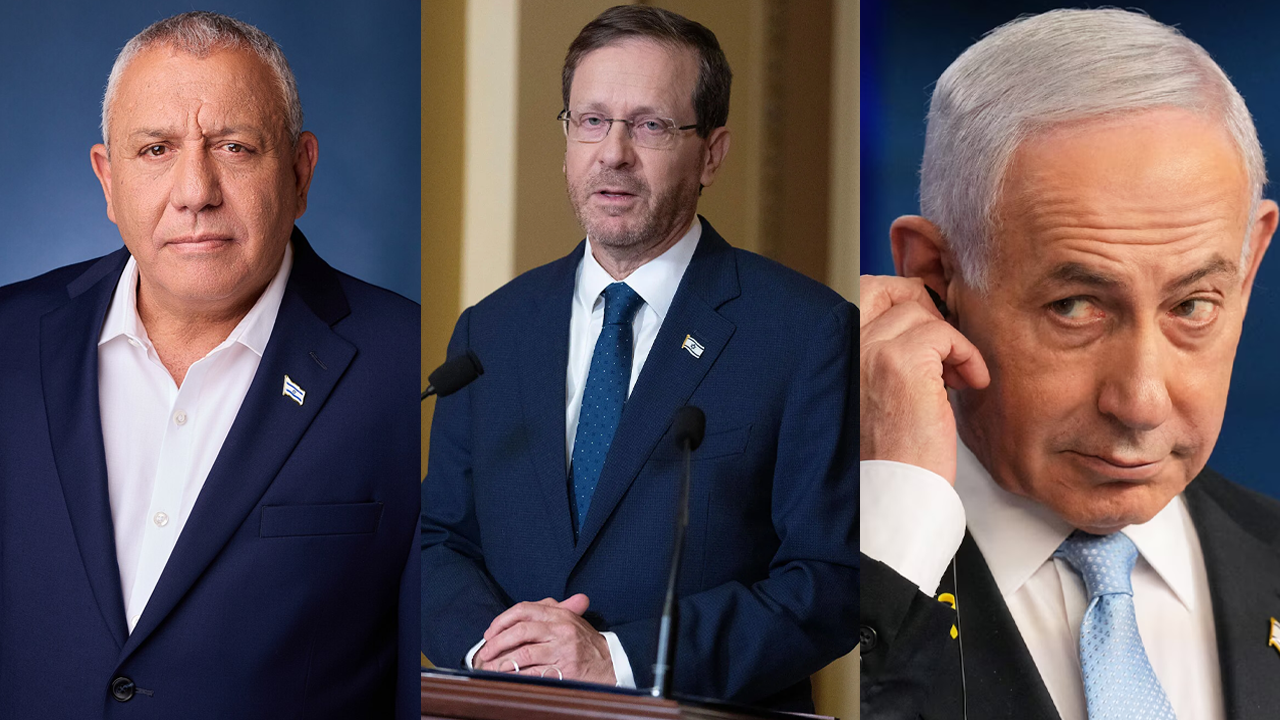
Darwin, November 8: Israeli President Isaac Herzog is expected to announce on Sunday whom he will nominate to form the country’s next government following consultations…
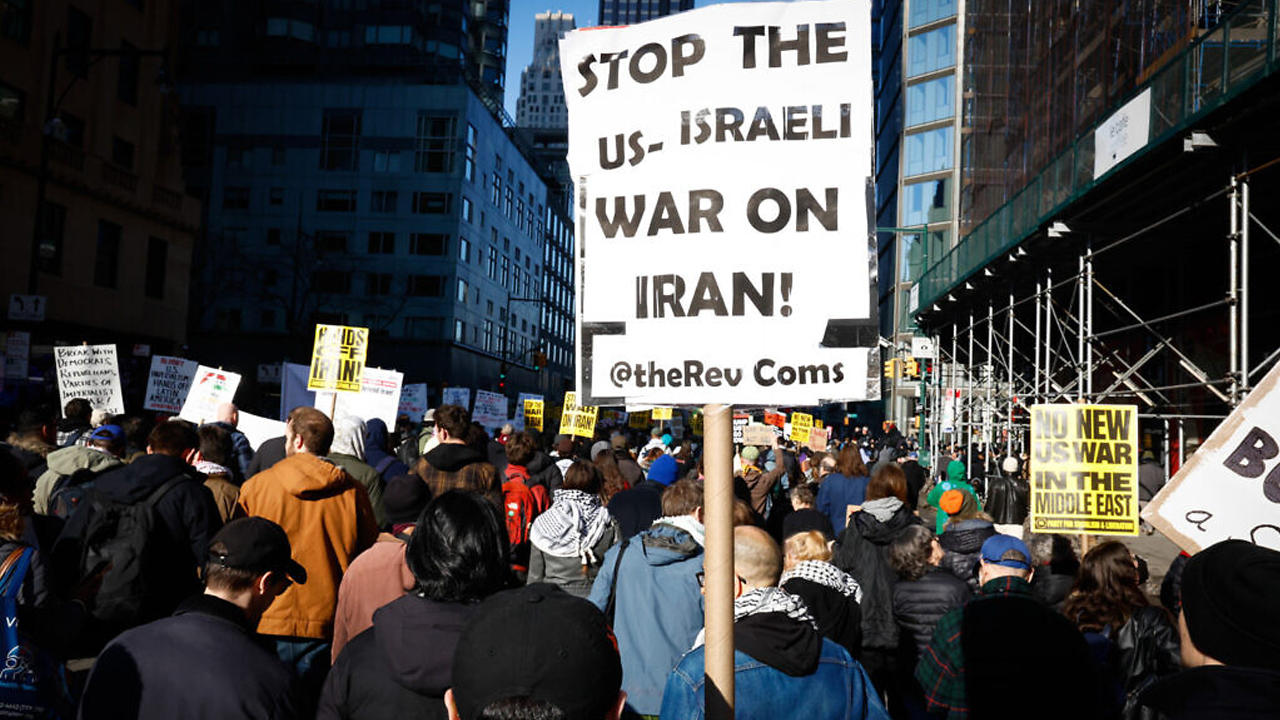
Darwin, November 7: A major Democratic victory in the US midterm elections is expected to intensify pressure on President Donald Trump to end the war…
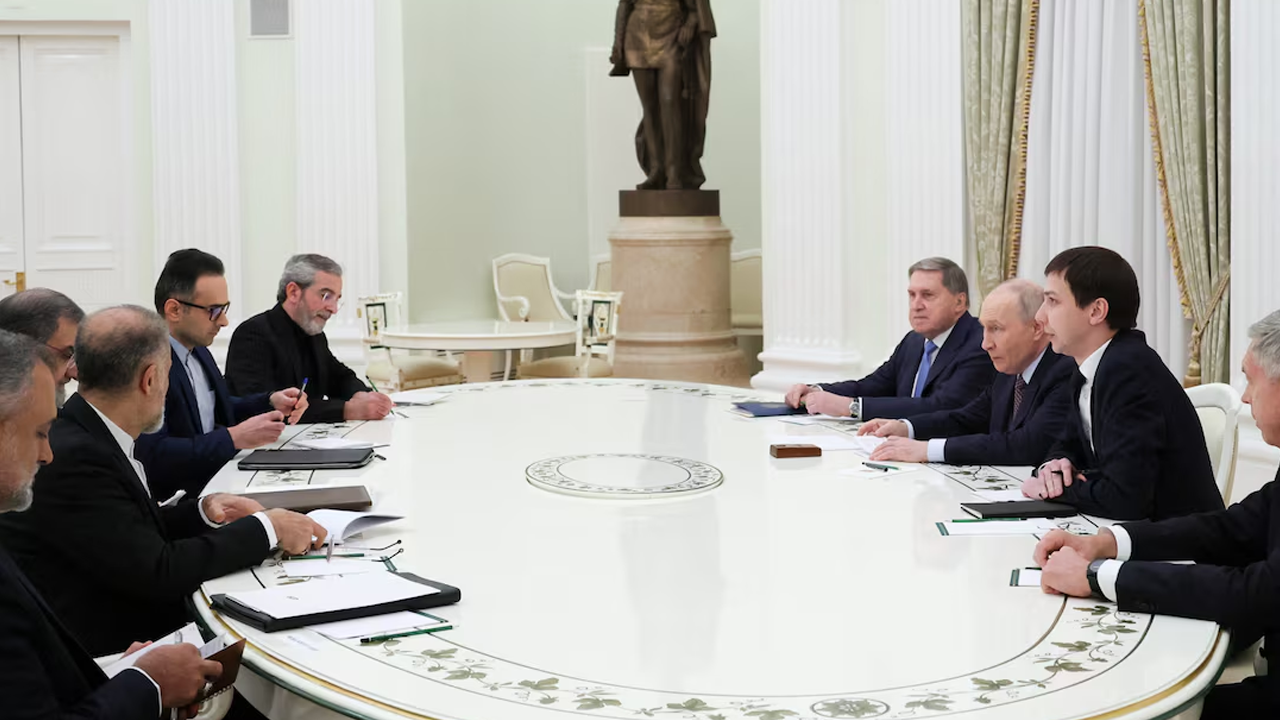
Darwin, November 7: Russian President Vladimir Putin and Iran’s security chief Mohsen Rezaei have discussed the possibility of building a pipeline to transport natural gas…
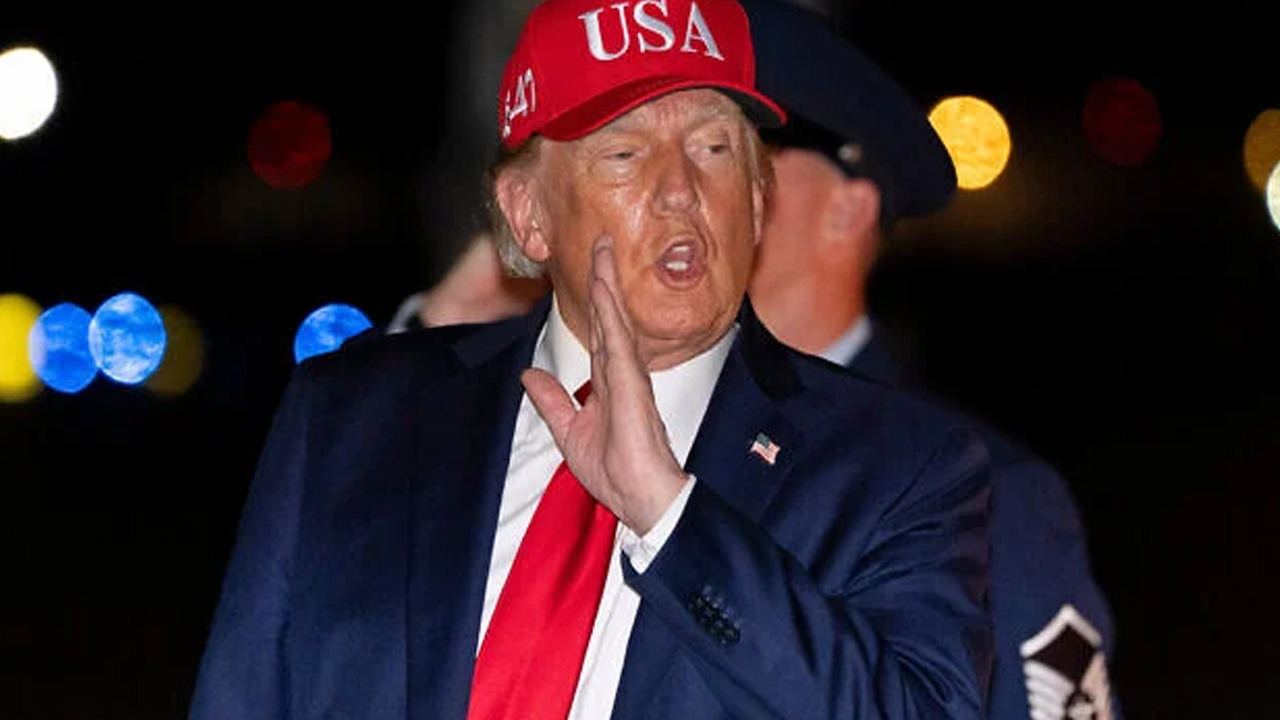
Darwin, November 6: A devastating midterm election defeat has triggered a wave of recriminations within the Republican Party, with senior figures increasingly questioning President Donald…

Darwin, November 4: The Democratic Party has secured a major victory in the US midterm elections, taking control of the Senate following an unexpected win…
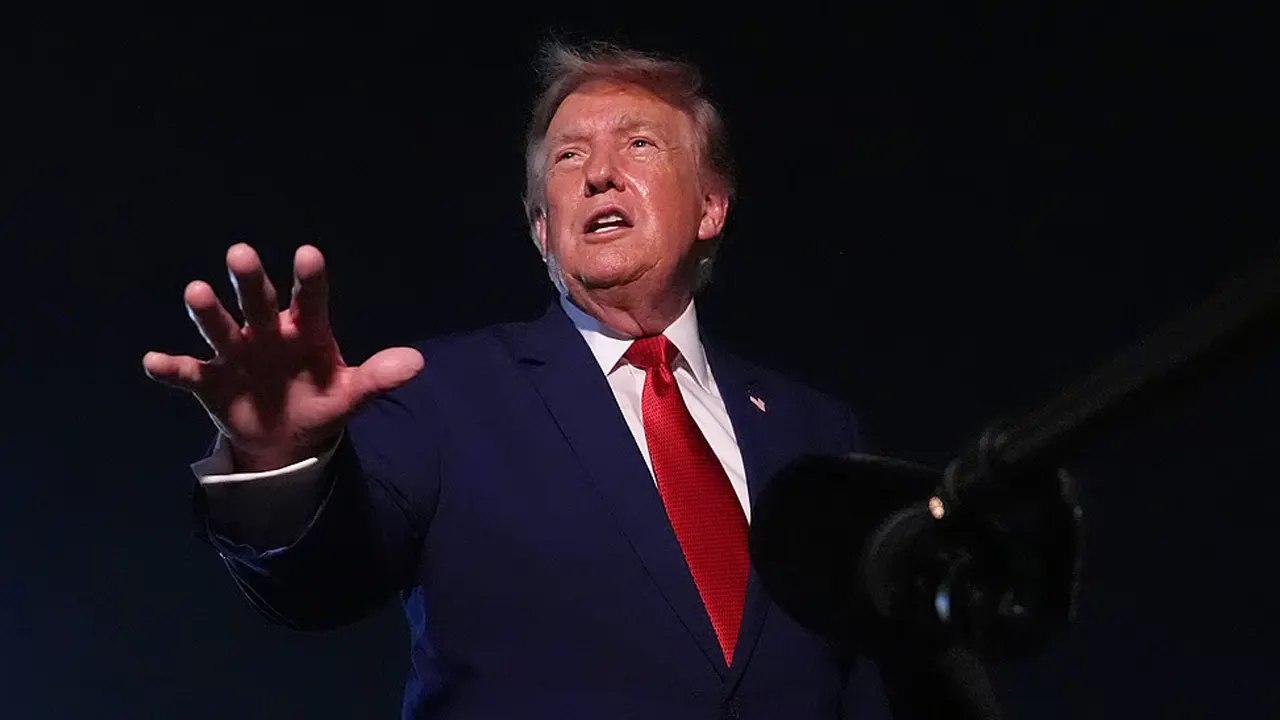
Darwin, November 4: US President Donald Trump has said he is prepared to accept the results of the country’s midterm elections. He has also expressed…
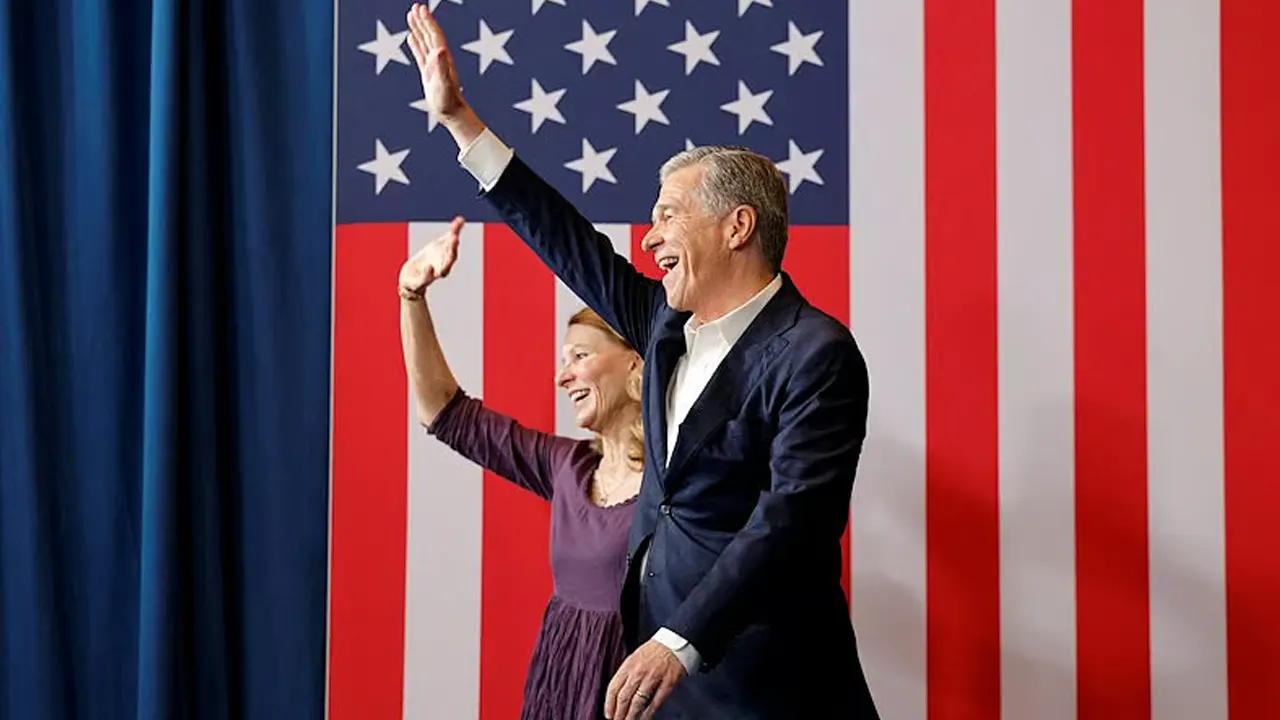
Darwin, November 4: Former North Carolina Governor Roy Cooper is a prominent Democratic politician who served two terms as the state’s governor. By winning a…

Democrats are poised to make significant gains in the US midterm elections. CBS News has projected that the Democrats will take control of the House…