Pakistan Deploys Special Task Force to Combat Air Pollution
Thick smog has once again engulfed Lahore, Pakistan. Amid the worsening air quality, authorities have intensified efforts to stop farmers from burning leftover crop stubble…



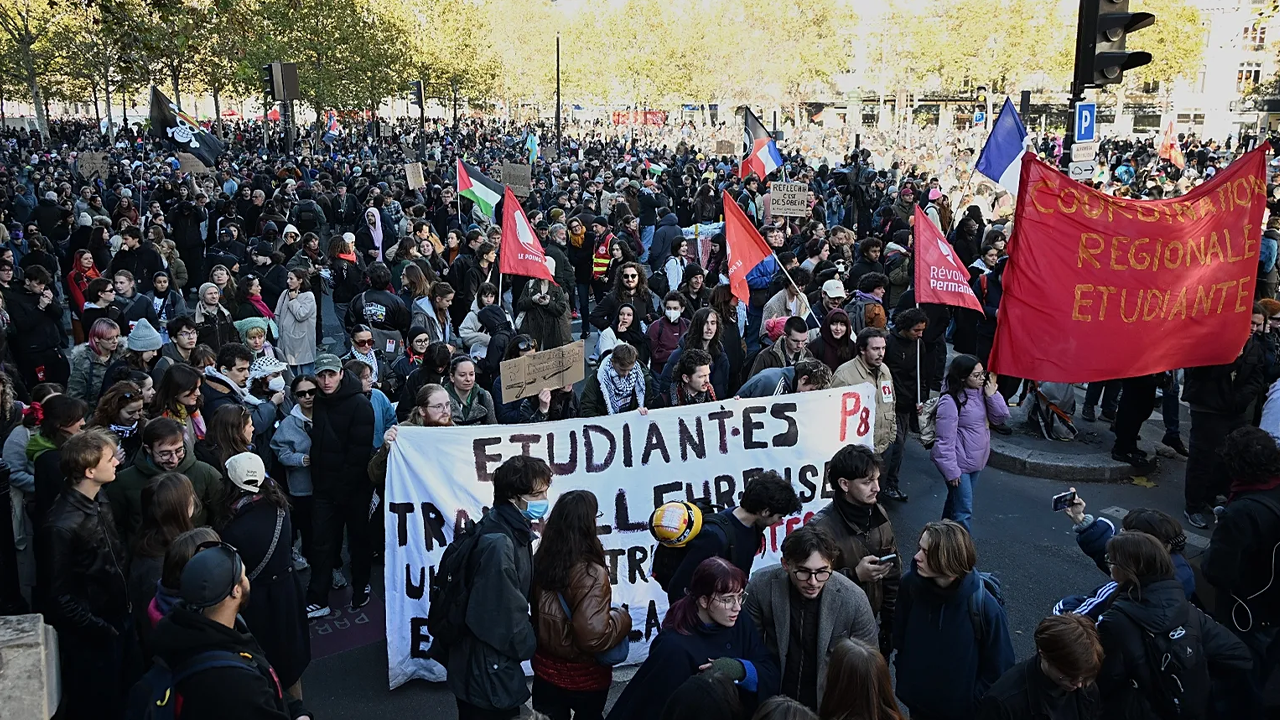
Thousands of people have once again taken to the streets across France to protest against the rising cost of living, demand increased funding for education, call for greater protection of children and teenagers, and oppose proposed legislation that would expand police powers.
On Saturday (November 14), members of the Yellow Vest movement, students and representatives of various education-sector unions staged demonstrations for the fifth consecutive week.
In the capital, Paris, a large number of protesters gathered at Place de la République, a well-known symbolic venue for demonstrations and public protests across the country.
Marius Mesnil, deputy secretary-general of the student union Syndical Lycéen, said, “We want teachers to be present when we go to class. We do not want the roof above our heads to collapse while we are eating in the cafeteria. Despite conditions deteriorating every year, we want to be able to continue our studies at university after passing our final secondary school examinations.”
Blockades and demonstrations have been taking place at educational institutions across France for more than a month.
According to the French Interior Ministry, approximately 106,000 people took part in Saturday’s demonstrations nationwide, including 24,000 in Paris. However, organizers put the total number of protesters at 200,000, with around 100,000 participating in the capital.
Attendance on Saturday was lower than at previous demonstrations. More than 500,000 people took to the streets across the country during Thursday’s strikes and protests called by trade unions.
Trade unions have announced another nationwide strike for next Tuesday. They have rejected the government’s pledge to increase the minimum wage by 0.6 percent, arguing that the proposed increase is insufficient.
Benjamin Ball, a member of the Yellow Vest movement, said, “The government has given us nothing but scraps, while we want the entire bakery.”
Protesters have also opposed a new bill that would provide additional legal protection to police officers using firearms. If passed, the proposed legislation would make it more difficult to take legal action against police officers and gendarmes who use firearms while performing their duties.
Among the supporters of the bill is the far-right party led by Marine Le Pen. The party has been leading in opinion polls ahead of the presidential election. Supporters argue that law enforcement officers should not automatically be treated as criminals whenever allegations of excessive force arise during official duties.
However, trade unions and student organizations argue that the legislation would effectively create a “licence to kill” for police officers. They fear it would make it even more difficult to hold law enforcement personnel accountable. In France, many allegations of police abuse never reach criminal courts.
Sabrine Kharbakh, a spokesperson for a student union, said, “The licence-to-kill law scheduled for a vote next week states that whenever a police officer fires a weapon, it will initially be presumed that they acted lawfully.”
She added, “It will create another layer of immunity for those who beat us with batons, fire tear gas at us and leave us disabled. This is another opportunity for impunity for the police, who serve as the armed force of the state.”
Kenza, a 28-year-old protester participating in a demonstration in the southern French city of Toulouse, said, “Repression against protesters is completely unacceptable, especially when children are involved.”
Last week, lawyers representing at least 18 people injured during recent demonstrations in France announced plans to file a lawsuit against the Interior Ministry over alleged excessive use of force by police, according to local media reports.
Condemning police violence during the demonstrations, the lawyers said protesters had sustained serious injuries to their arms, legs and eyes, with some suffering permanent disabilities.
Source: Euronews
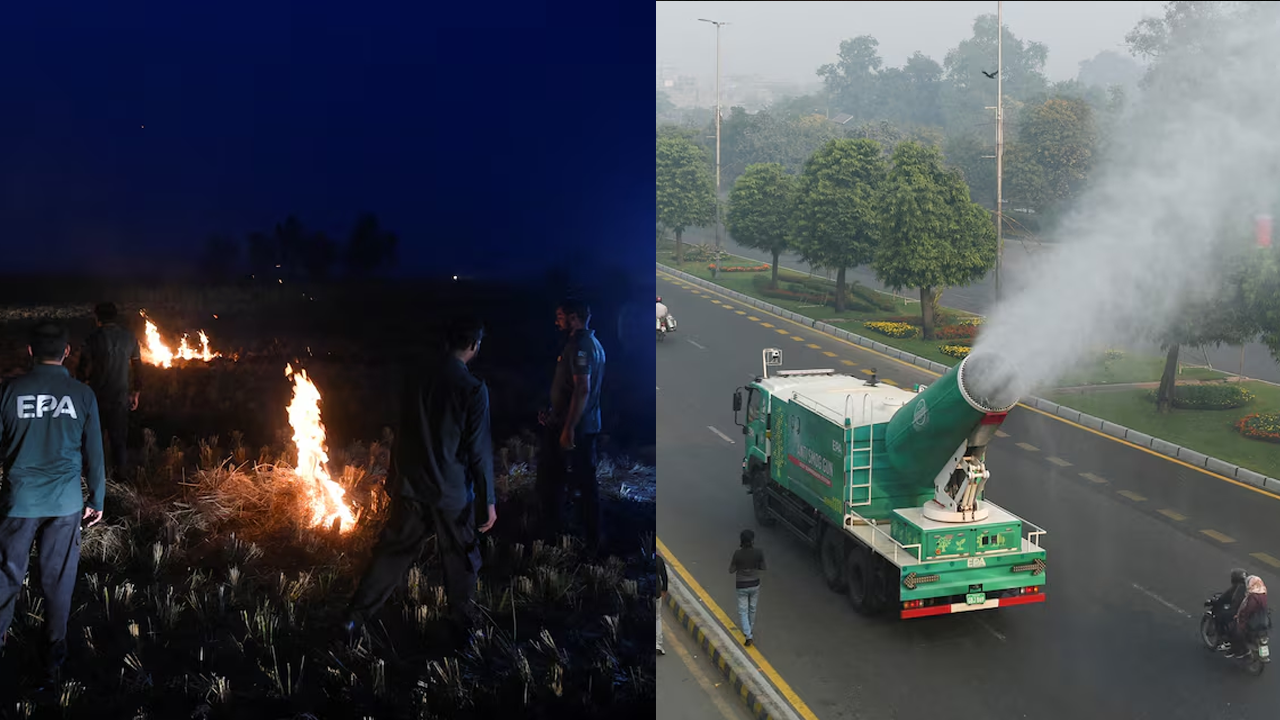
Thick smog has once again engulfed Lahore, Pakistan. Amid the worsening air quality, authorities have intensified efforts to stop farmers from burning leftover crop stubble…

Dubai in the United Arab Emirates has taken an extraordinary initiative to attract tourists. The city is developing a special pedestrian walkway made of pure…

Darwin, November 14: A senior German intelligence official has warned that the United States could potentially use internet-connected Tesla vehicles to conduct espionage in Germany,…

Darwin, November 14: Microsoft has fully restored its Teams, Outlook, Copilot and other services following a global disruption that lasted more than a day and…
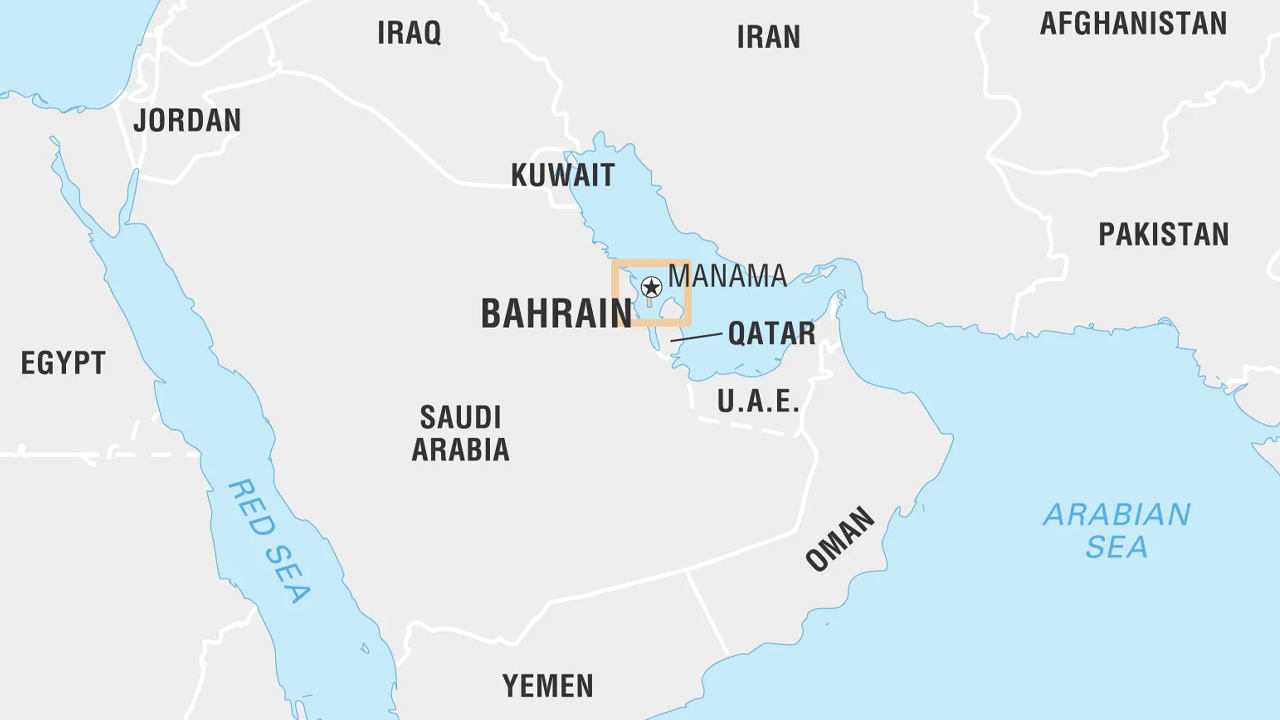
Darwin, November 13: Iran’s Islamic Revolutionary Guard Corps (IRGC) has claimed that it targeted and destroyed a US early-warning radar installation in Bahrain, marking the…

Darwin, November 13: Elon Musk, CEO of Tesla and founder of SpaceX, has said he would feel honoured to hire Nvidia chief executive Jensen Huang…

Darwin, November 13: Jensen Huang, chief executive officer of global technology giant Nvidia, has resigned amid allegations of two extramarital relationships and growing national security…
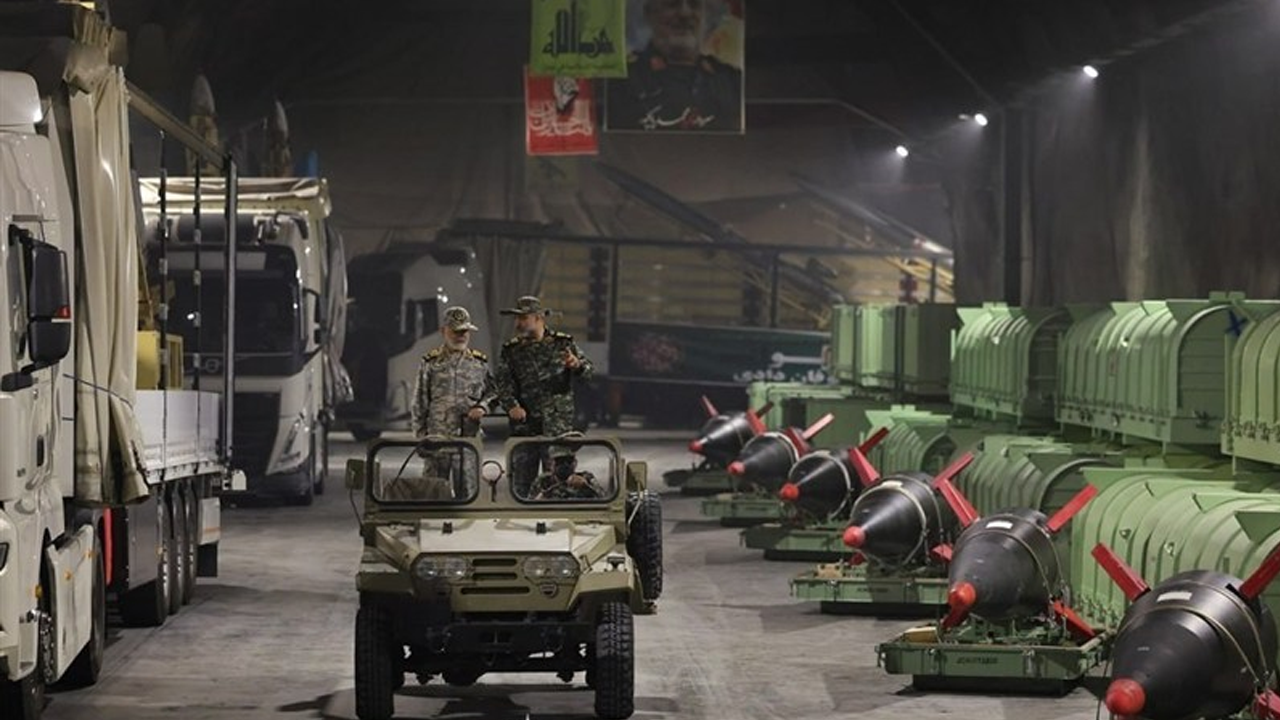
Darwin, November 11: The Islamic Revolutionary Guard Corps (IRGC) Aerospace Force of Iran has unveiled a new missile city, showcasing various types of ballistic and…