Conservatives Hope to Win Key Australian State of Victoria
Conservative political parties in Australia are hoping to defeat the ruling Labor Party by a wide margin in Victoria, home to the country’s second-largest city,…



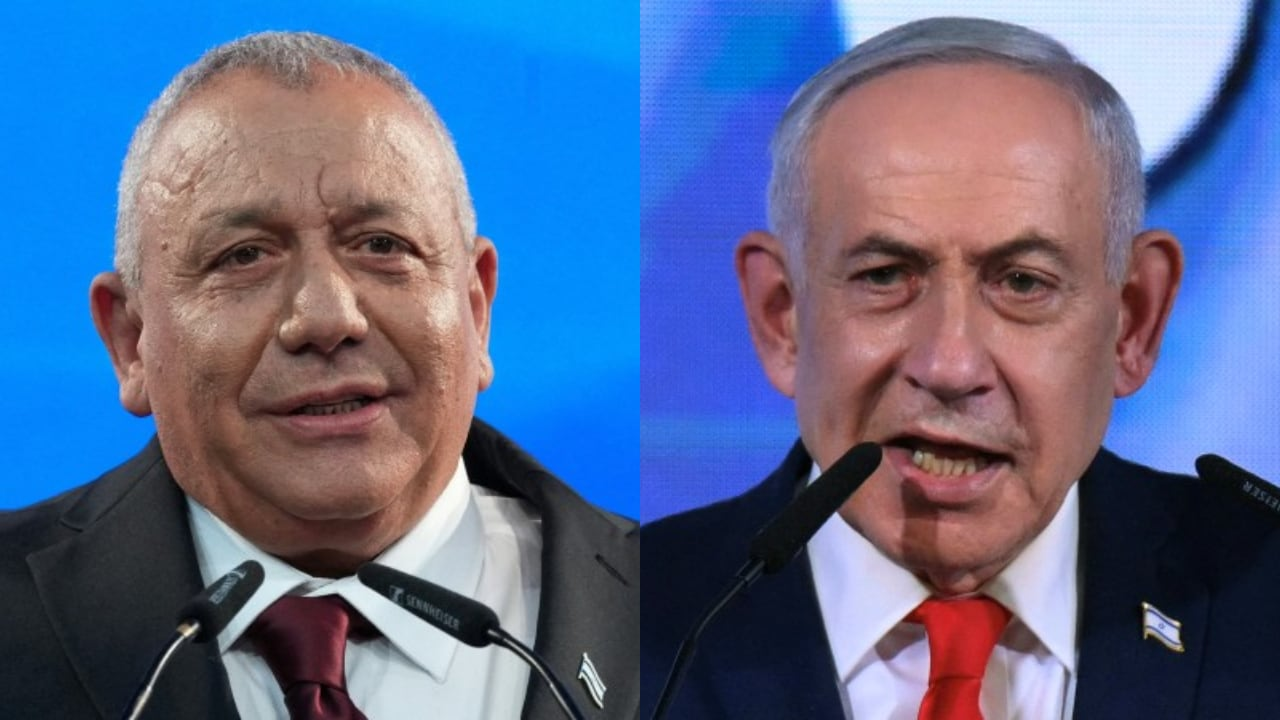
November 29: Amid political negotiations over forming a new government in Israel, Prime Minister Benjamin Netanyahu is reportedly preparing to offer opposition leader Gadi Eisenkot a rotational prime ministership, under which the two leaders would share the position.
Under the proposed arrangement, Eisenkot would serve as prime minister during the first term, before handing over the office to Netanyahu, according to Israeli television channel 13.
Officials in Netanyahu’s office said there were differences of opinion within the prime minister’s inner circle over whether to make such an offer.
Meanwhile, the public broadcaster Kan reported that the proposal had already been conveyed to Eisenkot through informal channels. This would allow the Likud party to deny responsibility for making an official offer. However, there are also disagreements within Likud over the terms of such an arrangement.
Eisenkot remains sceptical about Netanyahu’s reported proposal. He is trying to form a new government next week, before the preliminary deadline for forming a government expires on December 6.
If necessary, Eisenkot can ask the president for an additional 14 days to complete the process.
Avigdor Lieberman, leader of the Yisrael Beiteinu party, views Netanyahu’s possible offer as a tactic to derail the formation of a new government.
In a post on social media platform X, Lieberman warned that Netanyahu could offer Eisenkot a rotational premiership, with Netanyahu himself serving during the second term. However, Lieberman described the proposal as a political manoeuvre.
According to Lieberman, Netanyahu wants new elections. He will therefore continue negotiations over a unity government until the last moment before looking for an excuse to break them off.
Lieberman also claimed that even if a unity government involving Likud were formed, Netanyahu would try to create a crisis within a few months and push the country towards another election.
He urged political leaders to remain aware of what he described as Netanyahu’s strategy.
According to reports, Eisenkot has already assured his coalition partners, Lieberman and Democrats Party leader Yair Golan, that he would not pursue a unity government with Netanyahu without their approval.
Channel 13 reported that senior figures in Eisenkot’s coalition had said Naftali Bennett, leader of the Yachad party, would vote against an Eisenkot-led government if it were formed before negotiations with Netanyahu had concluded.
This is despite Bennett’s public support for forming a unity government with Likud.
Bennett’s Yachad is the only party in Eisenkot’s four-party coalition that has not yet signed a formal coalition agreement with his Yashar party.
The four-party alliance, including Bennett’s Yachad, currently holds 48 seats, well short of the 61 seats required for a parliamentary majority.
To bridge the gap, Eisenkot has several possible options: securing support from two Arab-led parties, two ultra-Orthodox Jewish parties, or a combination of both.
For now, one of Eisenkot’s preferred options appears to be forming a coalition with the ultra-Orthodox United Torah Judaism party and the relatively moderate Arab party Ra’am.
However, senior figures in Eisenkot’s coalition had opposed forming a government with these parties before the election. They may therefore need to reconsider their positions and reach compromises to avoid another election.
Golan supports forming a minority government with the backing of Arab-led parties. He believes this is the only realistic way to remove Netanyahu from power.
Lieberman, however, opposes such an arrangement and favours forming a coalition with ultra-Orthodox Jewish parties instead.
In a lengthy social media post on Friday, Eisenkot said he was willing to reach an agreement with Likud to form a unity government, but accused the party of lacking genuine interest in negotiations.
He claimed that negotiating teams from Yashar and Likud had met only five times over the past two weeks. According to Eisenkot, Likud had also rejected requests for more frequent meetings.
Eisenkot accused Likud of refusing to agree to the establishment of a state commission of inquiry into the security failures surrounding Hamas’s October 7, 2023, attack and killings.
He also said Likud had rejected discussions on forming a government that would remove extremist figures from power and pass legislation requiring military or national service for all citizens.
Eisenkot said Likud had presented what he described as the worst possible proposal for a unity government: “The same government, the same partners, no change, and no law on military recruitment.”
“I do not want to take part in such a farce,” he said.
Eisenkot claimed his coalition had been willing to compromise on establishing a state commission of inquiry and on certain changes to the judicial system.
However, he said Likud had failed to put forward any concrete proposal during two weeks of negotiations.
He added that his door remained open if Likud was prepared to engage in serious negotiations and become a genuine partner in reaching an agreement.
Source: The Times of Israel

Conservative political parties in Australia are hoping to defeat the ruling Labor Party by a wide margin in Victoria, home to the country’s second-largest city,…

The US military has attacked an Iranian vessel after it attempted to breach a naval blockade and leave Iranian waters. The attack targeted the Palau-flagged…

A remote community in Papua New Guinea claims its ancestral roots are connected to an ancient Jewish population. Its members not only identify themselves as…
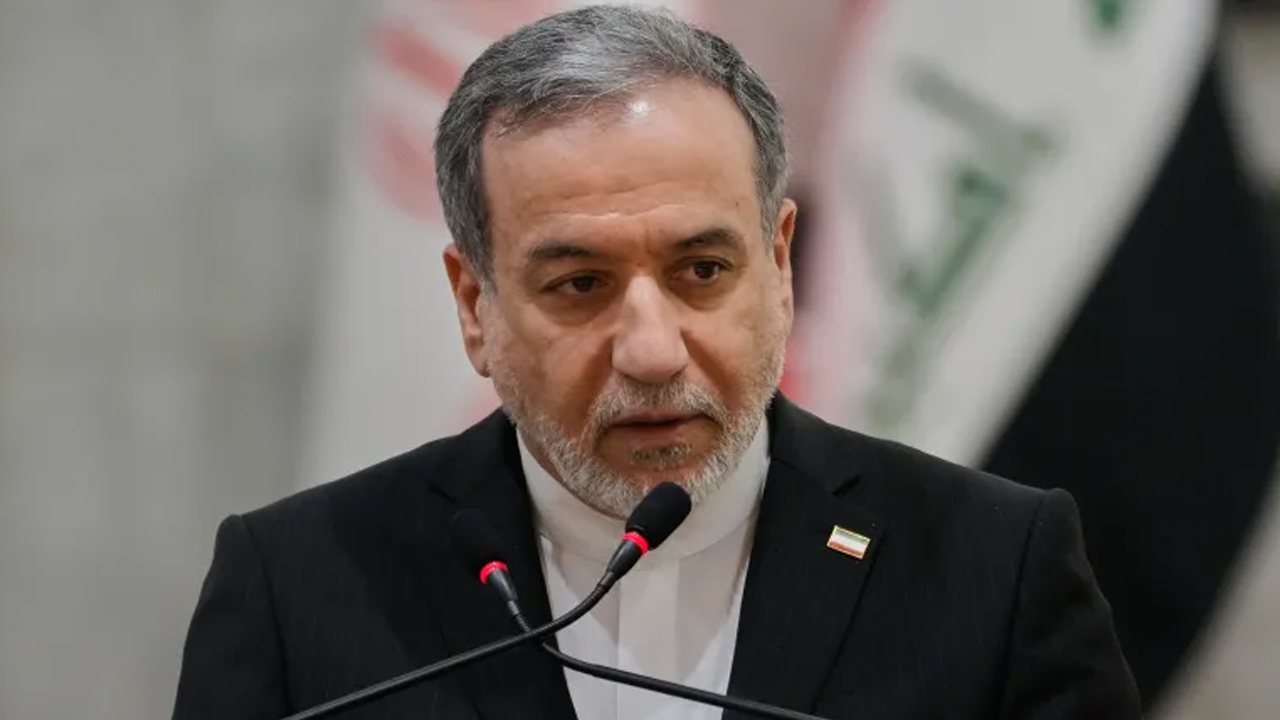
November 27: Two Italian nationals have been killed in an attack on a facility in Kuwait, with Italy and Kuwait blaming Iran. Tehran has denied…
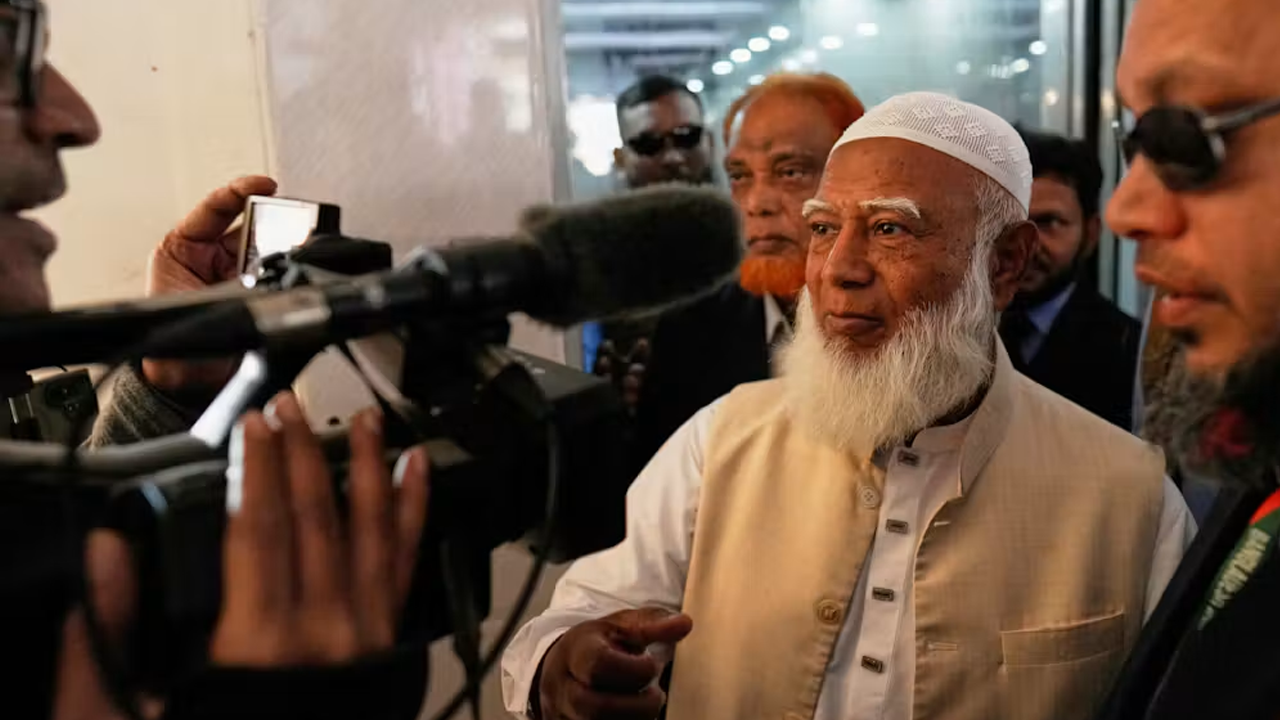
Jewish and Hindu organizations in Australia have demanded accountability from the Australian government over the issuance of a visa to Bangladesh Jamaat-e-Islami leader Shafiqur Rahman….
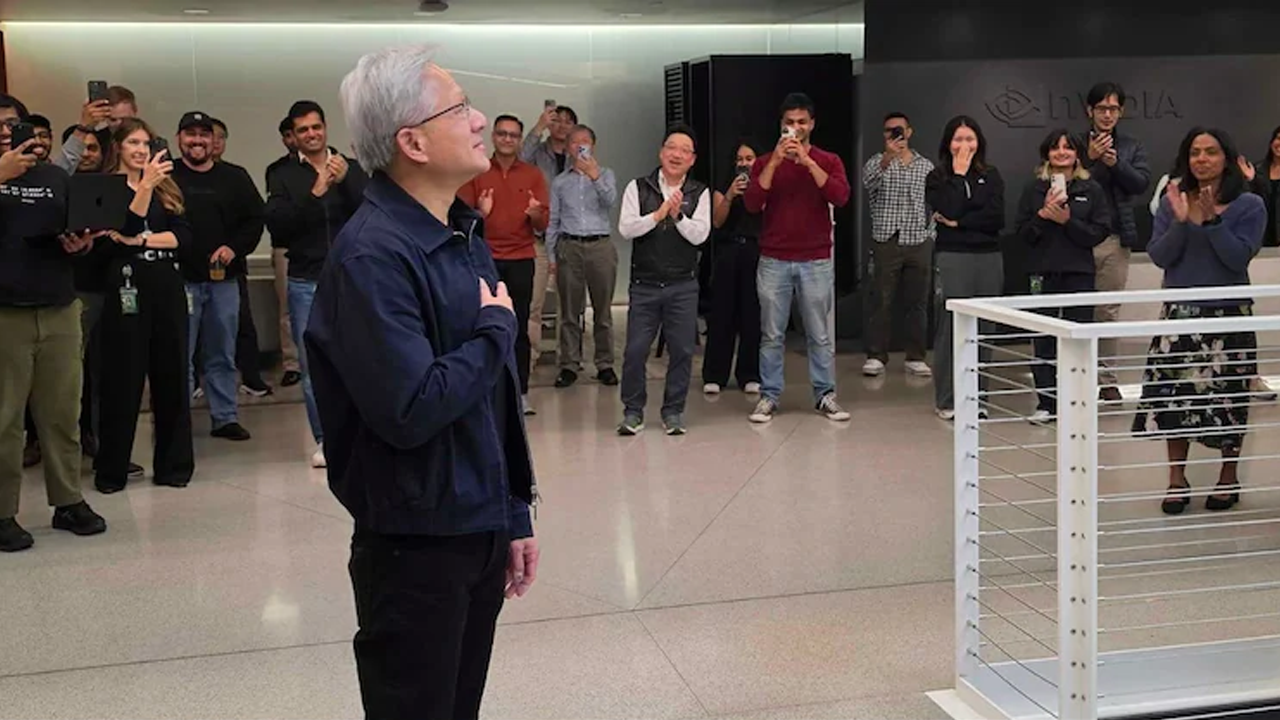
November 24: Just 11 days after losing his position amid a series of allegations, Jensen Huang has returned as chief executive officer of Nvidia. The…

November 24: Nvidia co-founder Jensen Huang has returned as the chipmaker’s chief executive officer, just 12 days after stepping down amid a controversy. News of…

Antalya, November 23: The European Union, the United Kingdom and several developing nations have rejected the proposed outcome of the COP31 climate summit in Turkey,…