US Forces to Leave Iraq After Two Decades and 4,500 Military Deaths
Darwin, September 30 : The United States is preparing to withdraw its military forces from Iraq after more than two decades of war and the…



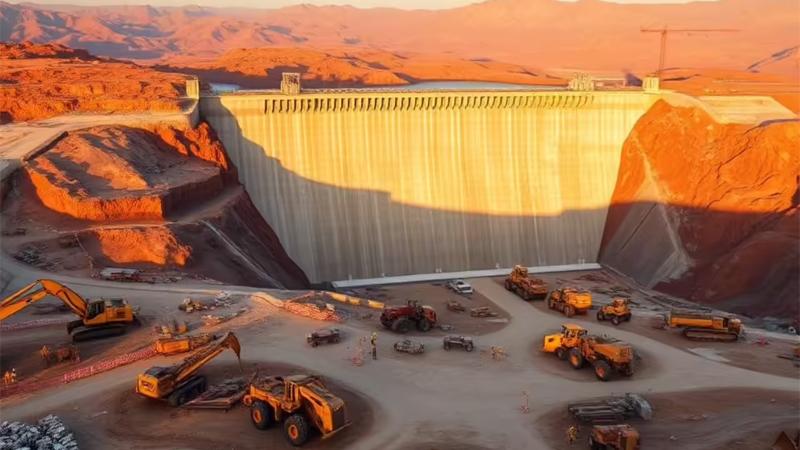
Melbourne, July 21 — China has officially begun construction of what is set to become the world’s largest hydropower project in the southeastern Tibetan city of Nyingchi. Chinese Premier Li Qiang laid the foundation stone for the massive dam project on Saturday.
According to a report by the South China Morning Post, the project is expected to generate 300 billion kilowatt-hours of electricity annually, making it three times larger than China’s current largest hydropower plant, the Three Gorges Dam.
The dam is located on the lower reaches of the Yarlung Tsangpo River, which flows into India as the Brahmaputra River, passing through Arunachal Pradesh and Assam before entering Bangladesh. This geographical reality has raised serious concerns in both India and Bangladesh, particularly regarding water security, agricultural sustainability, and ecological balance.
China’s state-run news agency Xinhua reported that the megaproject will consist of a cascade of five hydropower stations and is expected to cost approximately 1.2 trillion yuan (about USD 167 billion). The electricity generated will primarily serve China’s domestic energy needs, especially in distant regions, though local consumption will also be supported.
Beijing claims that the project has undergone rigorous scientific assessment and will not negatively affect the topography, ecosystem, or the water rights of downstream countries.
“We do not seek to profit at the expense of our neighbors,” China’s Foreign Ministry stated. “Rather, this project will aid in disaster prevention and climate adaptation.”
In a separate report, Xinhua announced the formation of a new state-owned enterprise, China Yajiang Group, which will oversee the construction and operation of the project. At its inauguration, Chinese Vice Premier Zhang Guoqing emphasized the project’s focus on technological innovation and environmental protection.
India has expressed strong concerns over the project’s proximity to Arunachal Pradesh, a region it considers its own territory, but which China claims as “South Tibet.” Indian officials fear that the dam may allow China to exert unilateral control over the Brahmaputra’s flow, potentially using water as a strategic weapon.
Although China insists it will not create artificial droughts or floods, analysts warn that the reservoir could give Beijing future leverage over downstream nations.
In response, India has accelerated the development of its own hydropower projects, particularly in Arunachal Pradesh, following China’s announcement.
Bangladesh, heavily reliant on the Brahmaputra for agriculture in its northern regions, may also face significant challenges if the river’s natural flow is altered. Potential consequences include increased droughts, soil salinity, and riverbank erosion.
Although China has assured that downstream nations will not suffer, Bangladesh has yet to issue an official response.

Darwin, September 30 : The United States is preparing to withdraw its military forces from Iraq after more than two decades of war and the…
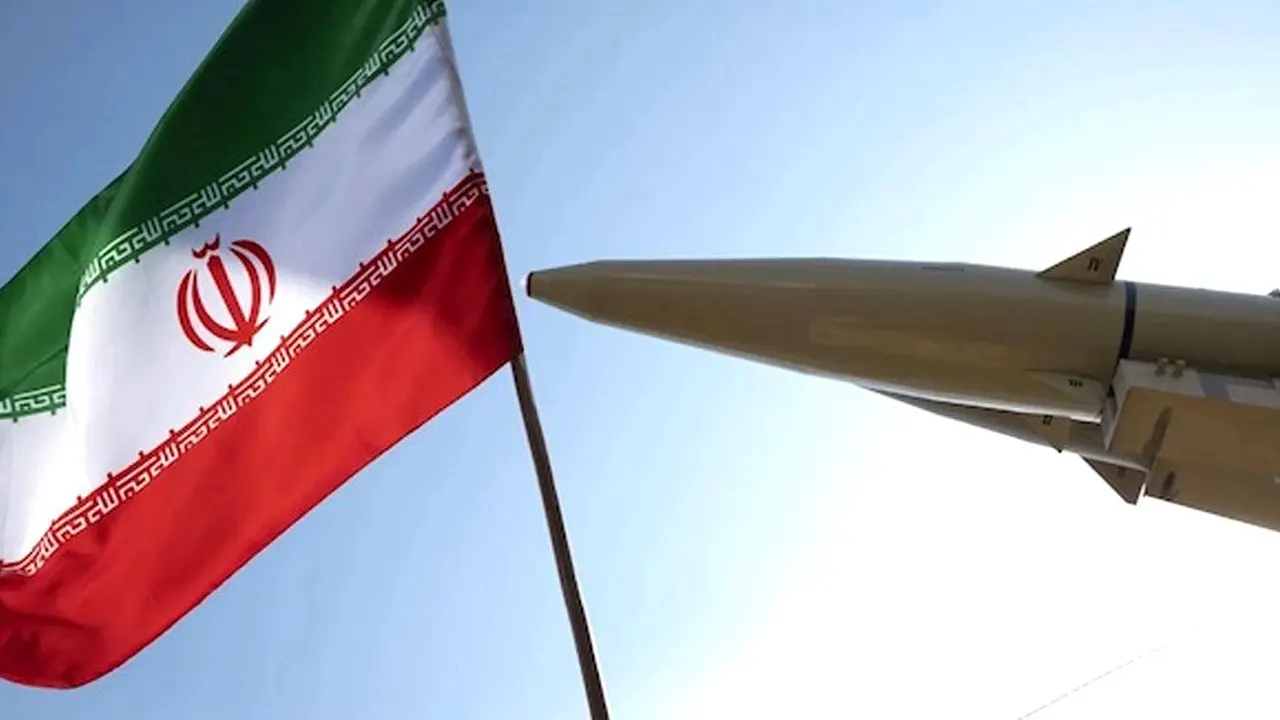
Darwin, September 30: Russia has urged Iran not to withdraw from the Treaty on the Non-Proliferation of Nuclear Weapons (NPT), calling on Tehran to remain…

Darwin, September 30: Russia currently lacks sufficient military capability to launch a major attack against NATO because its forces are engaged in the war in…

Four personnel of India’s Central Industrial Security Force (CISF), including an officer, were killed after a colleague allegedly opened fire on them at a hydropower…

Darwin, September 25: The Netherlands is seeking to build an international coalition to evacuate at least 1,000 sick and injured children from Gaza for medical treatment,…

Darwin, September 25: Police arrested at least 100 people, including Oscar-winning actress Susan Sarandon, during a protest against Israeli Prime Minister Benjamin Netanyahu outside the…
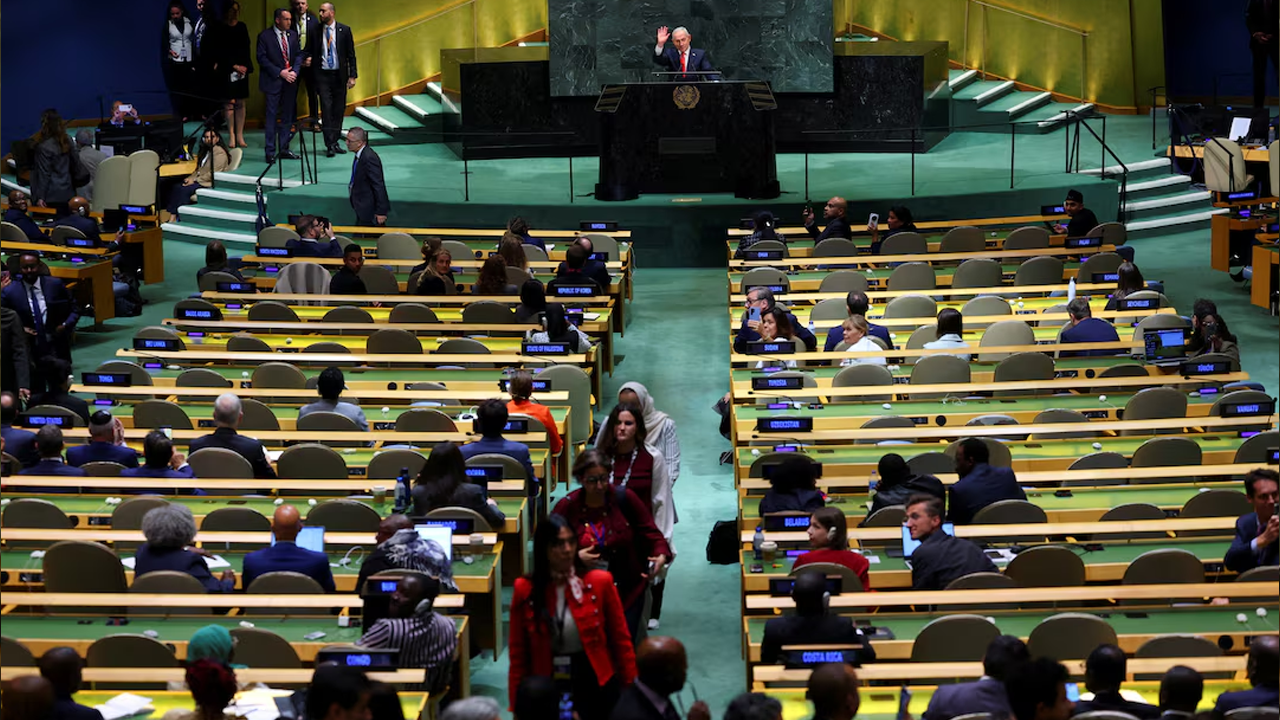
Darwin, September 25: Representatives from Bangladesh and 76 other countries walked out of the United Nations General Assembly hall as Israeli Prime Minister Benjamin Netanyahu…
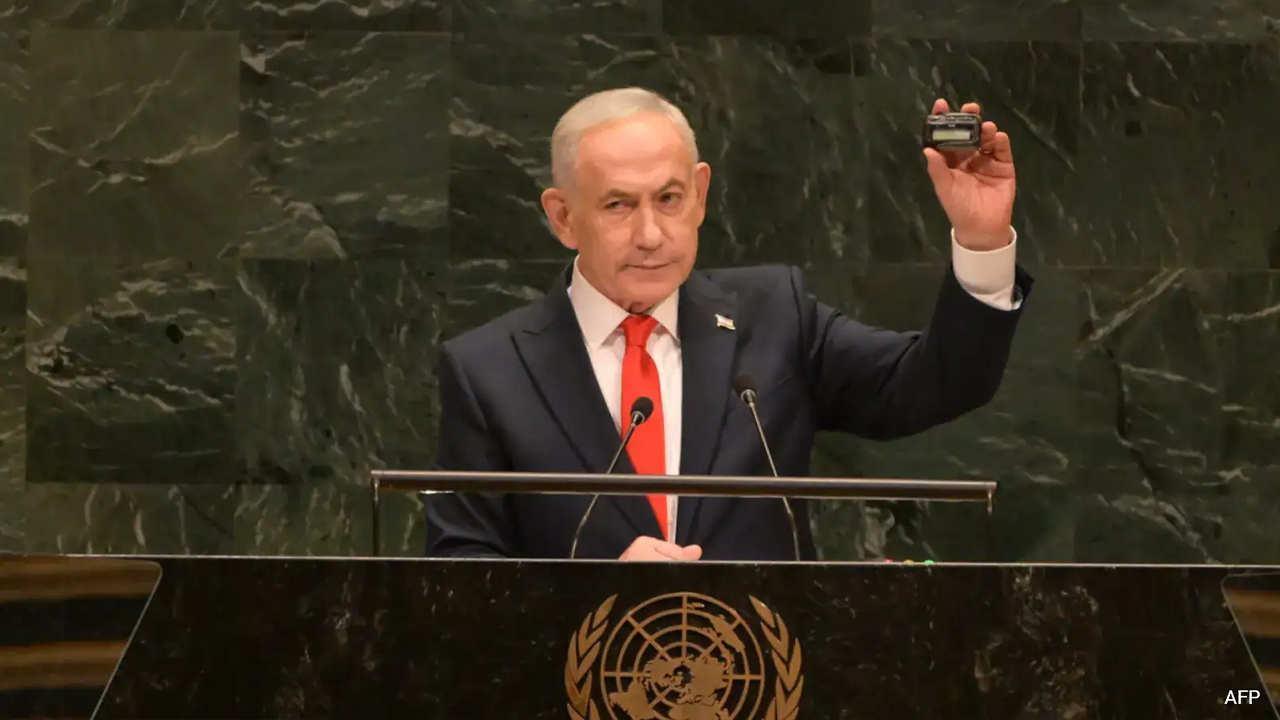
Darwin, September 25 : Israeli Prime Minister Benjamin Netanyahu brought a pager to the United Nations General Assembly while delivering a speech, using it to highlight…