US Forces to Leave Iraq After Two Decades and 4,500 Military Deaths
Darwin, September 30 : The United States is preparing to withdraw its military forces from Iraq after more than two decades of war and the…



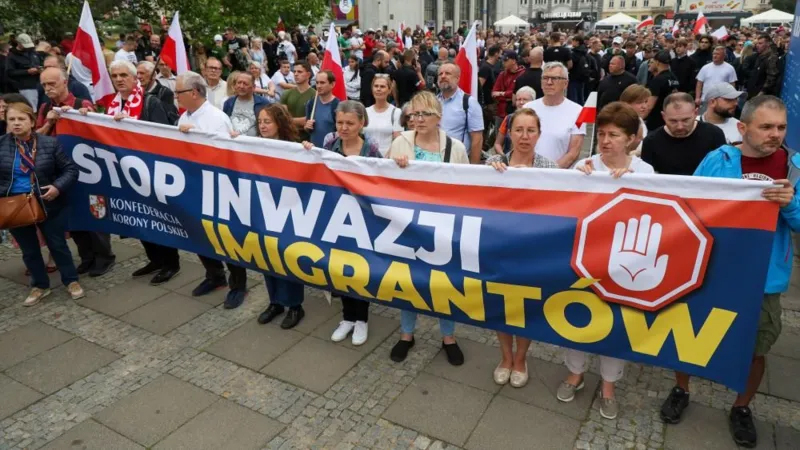
Melbourne, July 21 — A wave of anti-immigration protests took place across cities and towns in Poland on Saturday, drawing varied participation depending on location.
According to a BBC report, while some demonstrations saw only a few hundred participants, the southern city of Katowice recorded the largest turnout, with police documenting at least 3,000 people in attendance.
The protests were organized primarily by the far-right political alliance Konfederacja and another nationalist group. Protest leaders claimed that Poland is currently facing a “wave of illegal immigration”, which they say poses a threat to the country’s security and cultural identity.
However, official statistics do not support this claim—immigration rates so far this year are reportedly lower than in 2023.
At a rally in the city of Białystok, Krzysztof Bosak, co-leader of Konfederacja, said: “If Poland is not closed to illegal immigration, if we don’t start deportation efforts, and if we keep prioritizing political correctness over national security, our safety will slowly collapse.”
Some protest sites observed a minute of silence in memory of a 24-year-old Polish woman who was recently murdered in the central city of Toruń. The case sparked national outrage after police revealed that the suspect is a Venezuelan national.
In the capital, Warsaw, two opposing rallies were held simultaneously—one opposing immigration, the other led by pro-immigration and human rights activists. Police reported no clashes between the two groups.
Leaders of Law and Justice (PiS), Poland’s main opposition party, have also voiced strong anti-immigration rhetoric, despite government data showing that immigration numbers in 2024 are lower than the previous year.
Over the past decade, Poland has experienced a notable increase in immigration, particularly from Ukraine, Belarus, Venezuela, and South Asian countries. The political debate intensified after the 2022 Ukraine war, which led to a large humanitarian influx of Ukrainians.
In response to growing domestic concerns over internal security and EU border controls, Poland has recently established new checkpoints along its borders with Germany and Lithuania. Germany, in turn, had already reinstated border controls along its borders with Poland and the Czech Republic back in 2023.
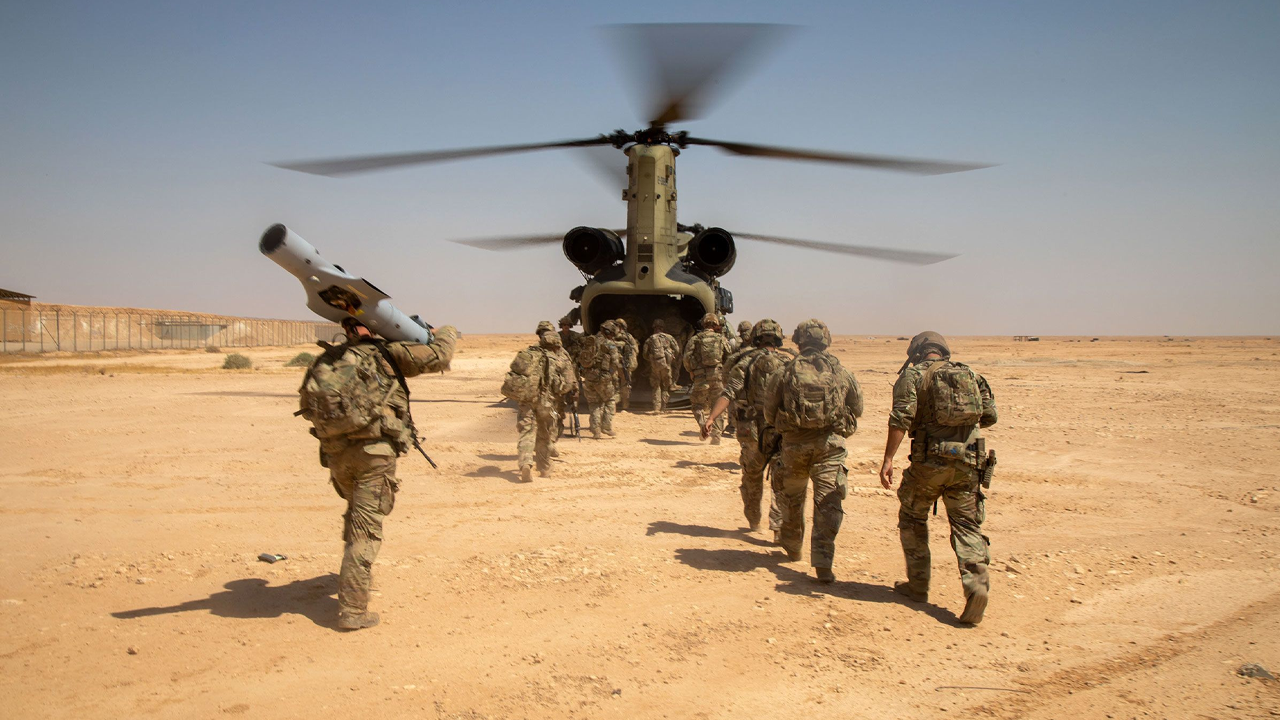
Darwin, September 30 : The United States is preparing to withdraw its military forces from Iraq after more than two decades of war and the…
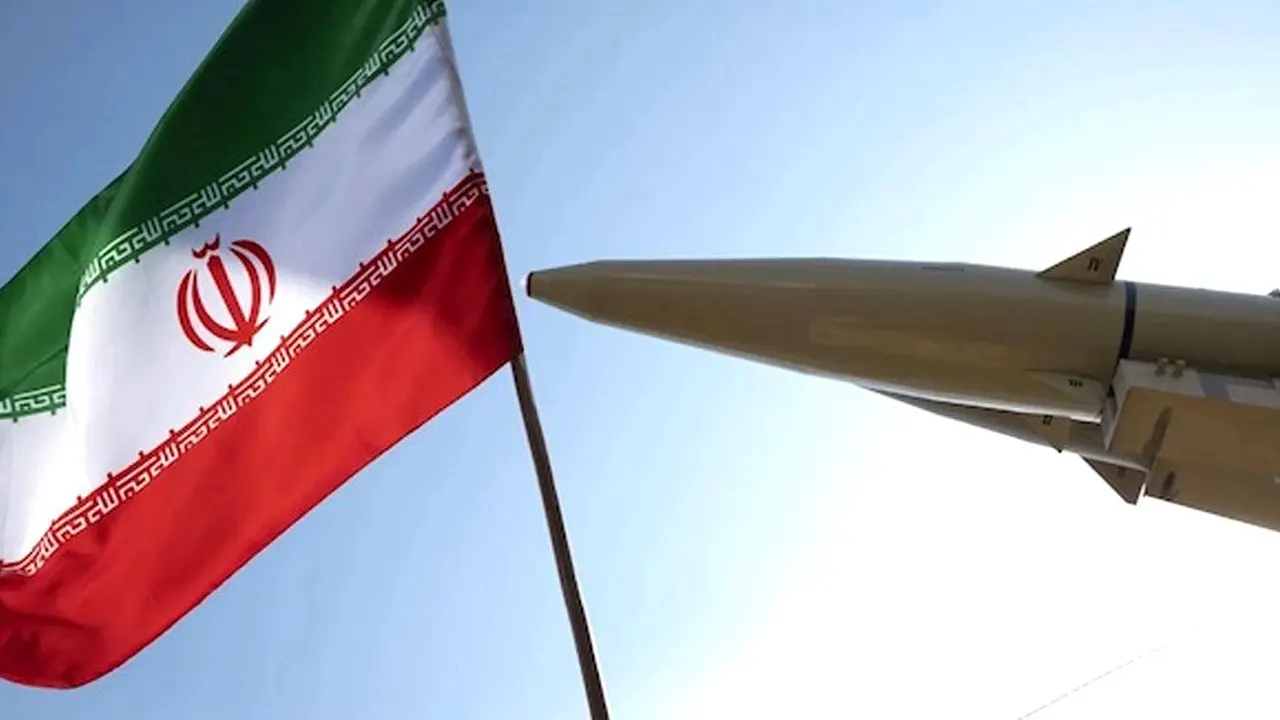
Darwin, September 30: Russia has urged Iran not to withdraw from the Treaty on the Non-Proliferation of Nuclear Weapons (NPT), calling on Tehran to remain…
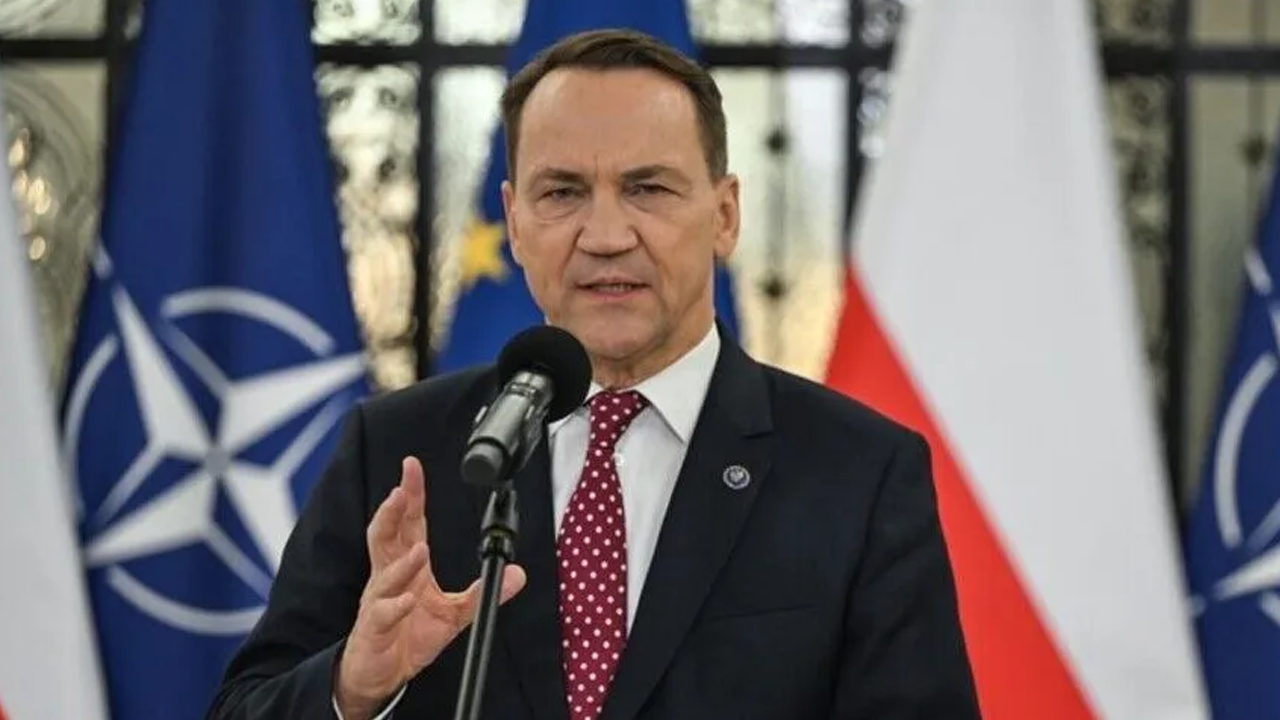
Darwin, September 30: Russia currently lacks sufficient military capability to launch a major attack against NATO because its forces are engaged in the war in…
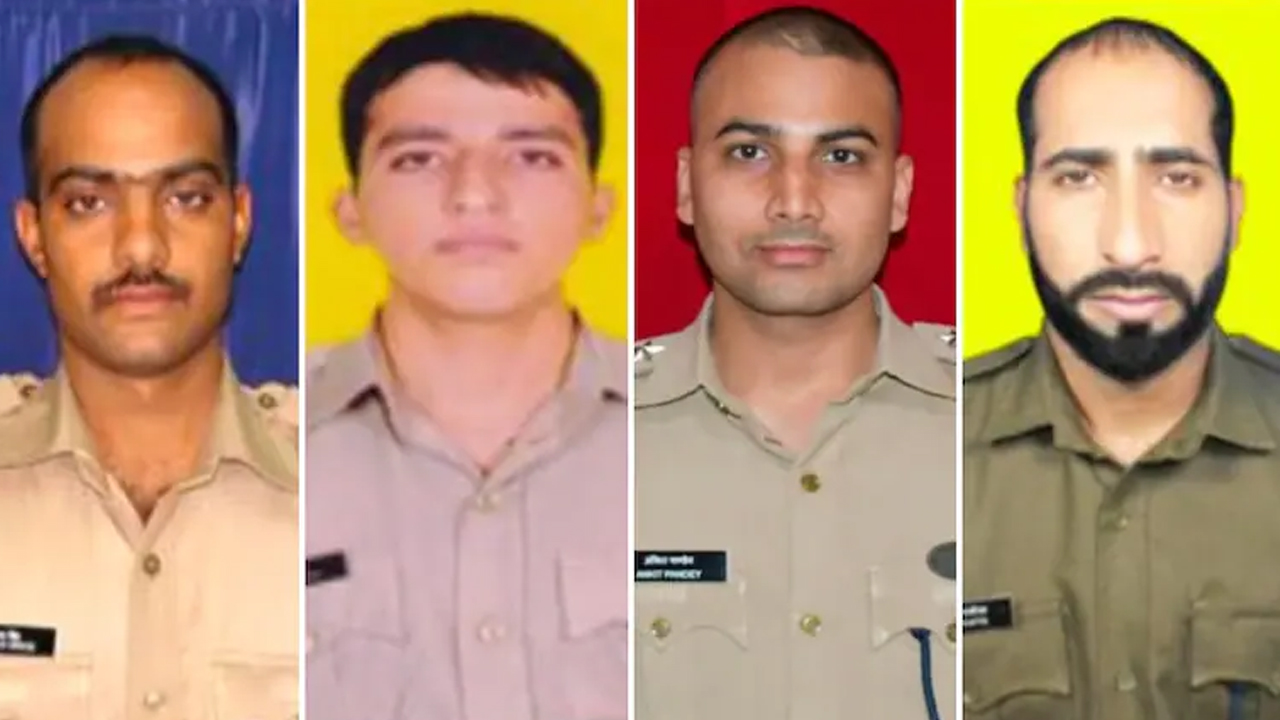
Four personnel of India’s Central Industrial Security Force (CISF), including an officer, were killed after a colleague allegedly opened fire on them at a hydropower…

Darwin, September 25: The Netherlands is seeking to build an international coalition to evacuate at least 1,000 sick and injured children from Gaza for medical treatment,…

Darwin, September 25: Police arrested at least 100 people, including Oscar-winning actress Susan Sarandon, during a protest against Israeli Prime Minister Benjamin Netanyahu outside the…
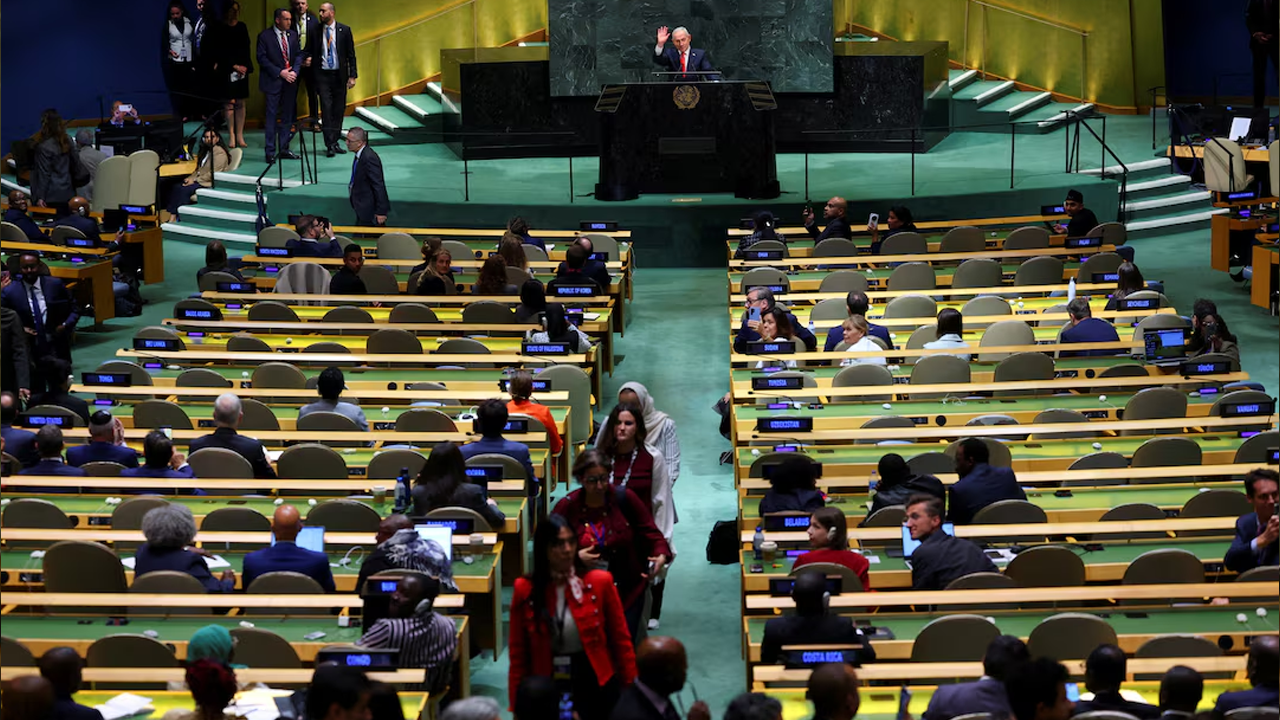
Darwin, September 25: Representatives from Bangladesh and 76 other countries walked out of the United Nations General Assembly hall as Israeli Prime Minister Benjamin Netanyahu…
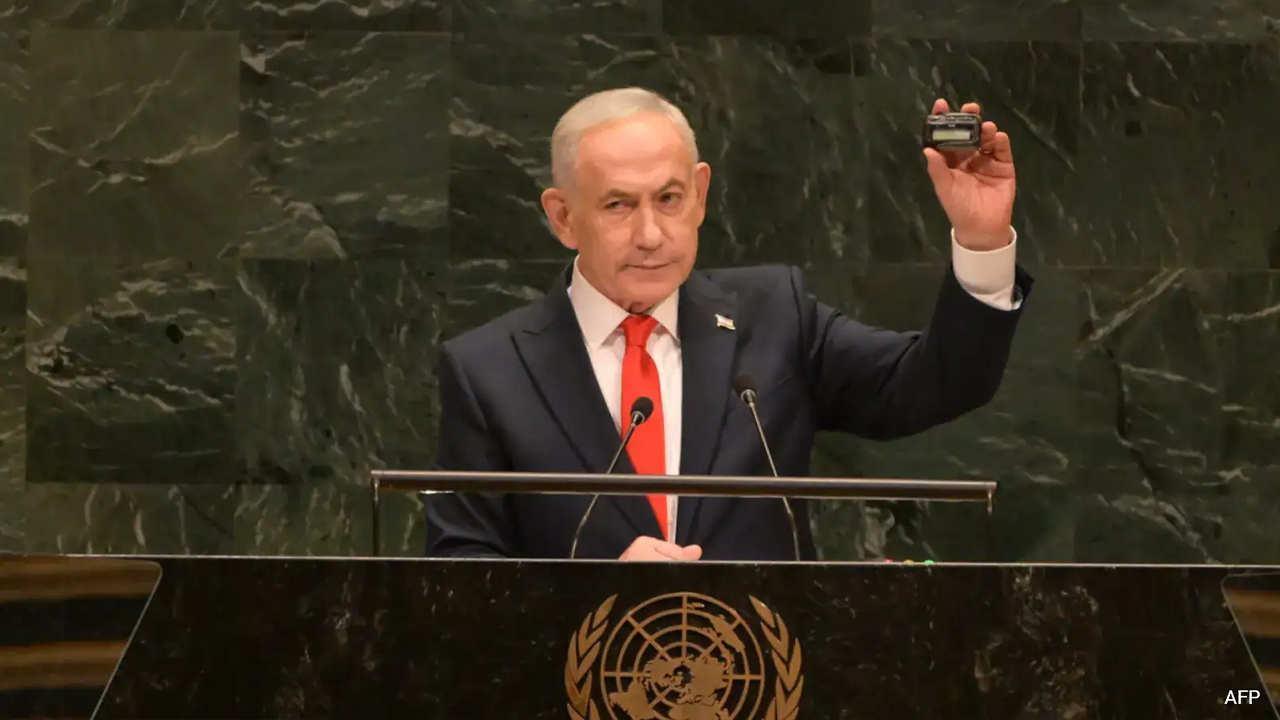
Darwin, September 25 : Israeli Prime Minister Benjamin Netanyahu brought a pager to the United Nations General Assembly while delivering a speech, using it to highlight…