US Forces to Leave Iraq After Two Decades and 4,500 Military Deaths
Darwin, September 30 : The United States is preparing to withdraw its military forces from Iraq after more than two decades of war and the…



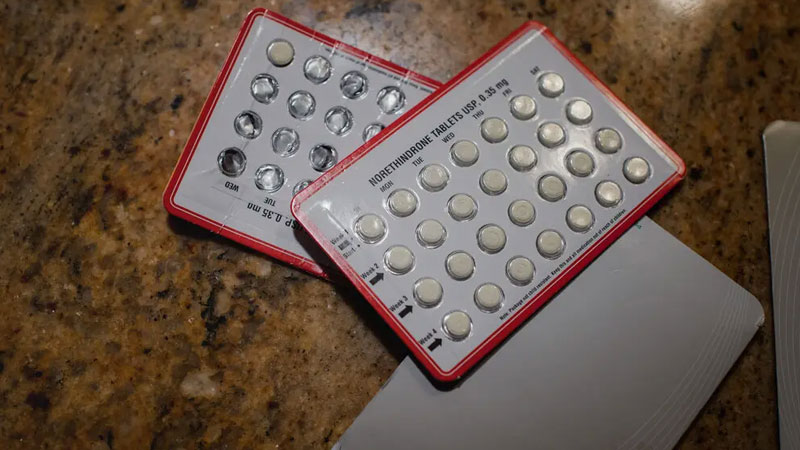
Melbourne, 24 July — The United States has decided to destroy millions of dollars’ worth of contraceptives instead of donating them to poorer countries. These contraceptive supplies are currently stored in a warehouse in Belgium. The U.S. has rejected proposals to send them to developing countries or sell them to the United Nations or family planning organizations.
According to Reuters, the contraceptives will be transported to France to be incinerated. The stockpile includes implants, pills, and intrauterine devices (IUDs). Shipments were halted earlier this year after former President Donald Trump suspended U.S. foreign aid in January.
The U.S. government will spend $160,000 to transport and incinerate the products at a medical waste facility in France.
When asked why the supplies were being destroyed instead of donated, the U.S. State Department declined to comment.
This month, some U.S. lawmakers introduced two bills aimed at preventing the destruction of the contraceptives. However, aid organizations warn that if the bills are not passed in time, the destruction will proceed as planned.
The total value of the contraceptives is $9.7 million. According to an internal inventory verified by three sources, the products are set to expire between April 2027 and September 2031.
Sarah Shaw, Associate Director of Advocacy at the nonprofit MSI Reproductive Choices, told Reuters that her organization had offered to repackage the supplies without USAID branding and cover the costs of doing so, including transport and import duties. However, the U.S. government rejected the proposal.
“We offered to pay for the packaging, shipping, and import fees, but they declined,” Shaw said. “We were told the U.S. government would only sell the products at full market price.”
Although Shaw didn’t disclose the amount her NGO was willing to pay, she believes the rejection reflects the Trump administration’s hardline stance on abortion and family planning.
“This isn’t about saving money,” she said. “This feels more like an ideological attack on reproductive rights—one that is already harming women.”
She also noted that many countries in sub-Saharan Africa had previously relied on USAID for contraceptive supplies, and the loss of this support would likely result in an increase in unsafe abortions.
Three sources told Reuters that the United Nations reproductive health agency, UNFPA, had also offered to purchase the supplies, although the financial terms of the proposal were not disclosed.
However, one source mentioned that the negotiations made no progress because the U.S. government never responded. UNFPA declined to comment on the matter.
One source said that the Trump administration was strictly adhering to the Mexico City Policy, which prohibits U.S. funding or supplies to organizations that provide or promote abortion. The source added that the U.S. could not be certain that UNFPA would not share the contraceptives with abortion-related organizations, which would be a violation of the policy.
Another complication lies in the fact that the packaging of the contraceptives in storage bears the USAID logo and branding. The U.S. government does not want any USAID-branded materials to be distributed elsewhere.
Abortion remains one of the most polarizing political issues in the United States. It was a central topic in the 2024 election. In 2022, the U.S. Supreme Court overturned the constitutional right to abortion, allowing individual states to set their own laws on the matter.
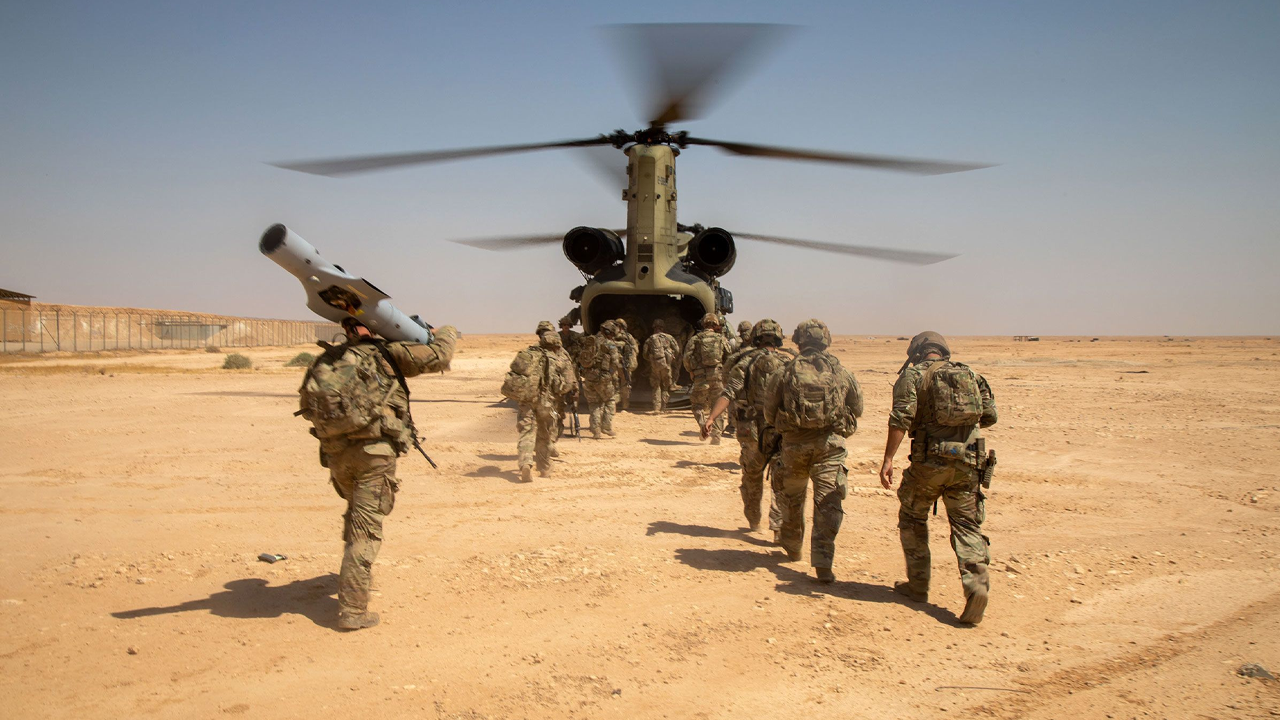
Darwin, September 30 : The United States is preparing to withdraw its military forces from Iraq after more than two decades of war and the…
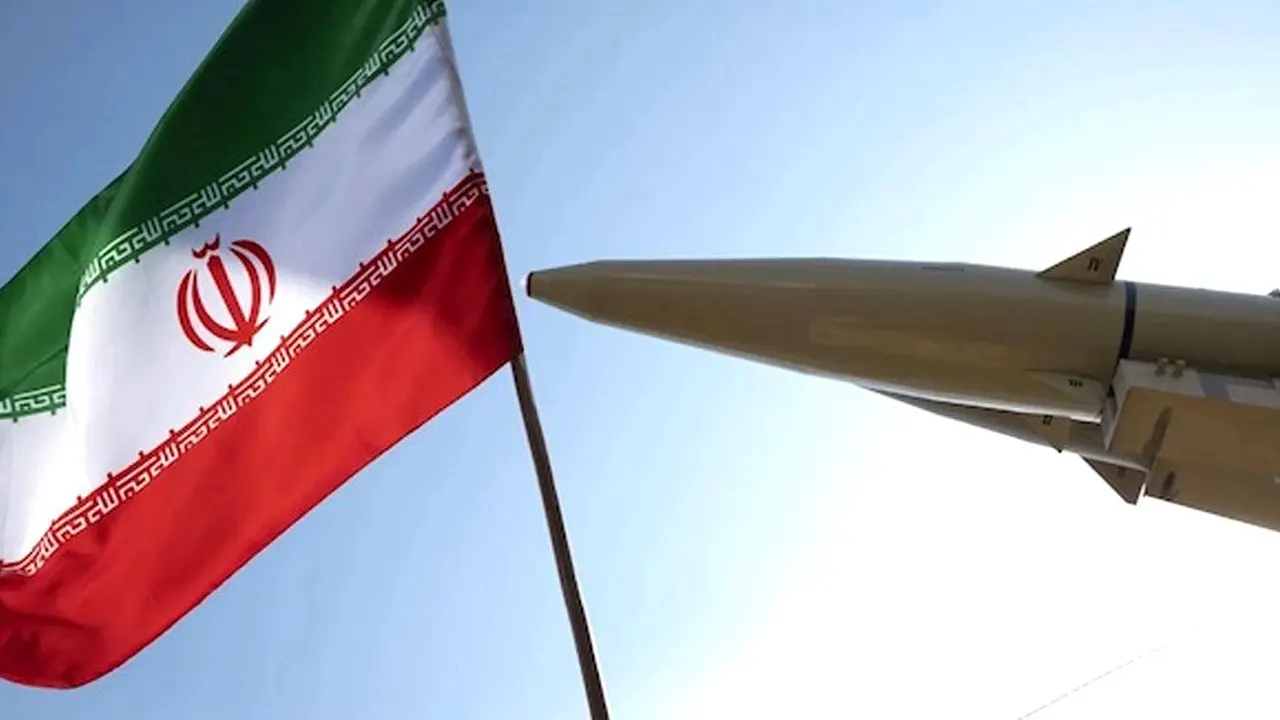
Darwin, September 30: Russia has urged Iran not to withdraw from the Treaty on the Non-Proliferation of Nuclear Weapons (NPT), calling on Tehran to remain…
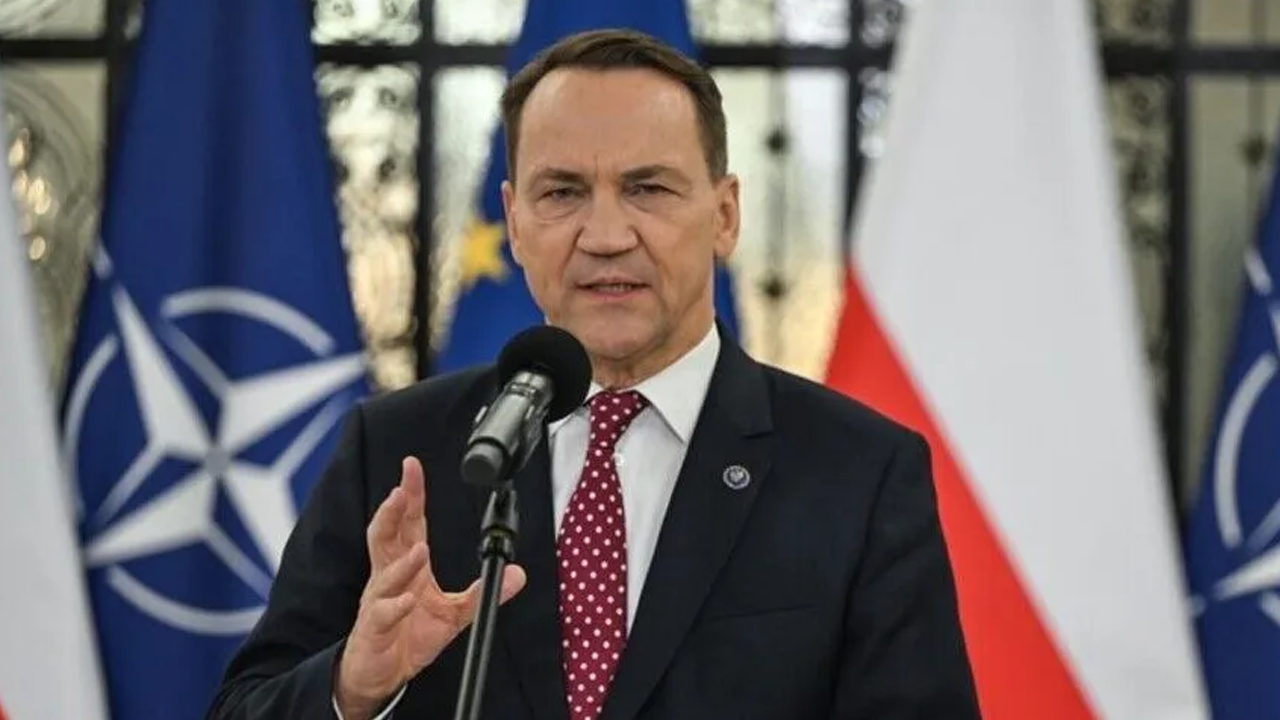
Darwin, September 30: Russia currently lacks sufficient military capability to launch a major attack against NATO because its forces are engaged in the war in…

Four personnel of India’s Central Industrial Security Force (CISF), including an officer, were killed after a colleague allegedly opened fire on them at a hydropower…

Darwin, September 25: The Netherlands is seeking to build an international coalition to evacuate at least 1,000 sick and injured children from Gaza for medical treatment,…

Darwin, September 25: Police arrested at least 100 people, including Oscar-winning actress Susan Sarandon, during a protest against Israeli Prime Minister Benjamin Netanyahu outside the…
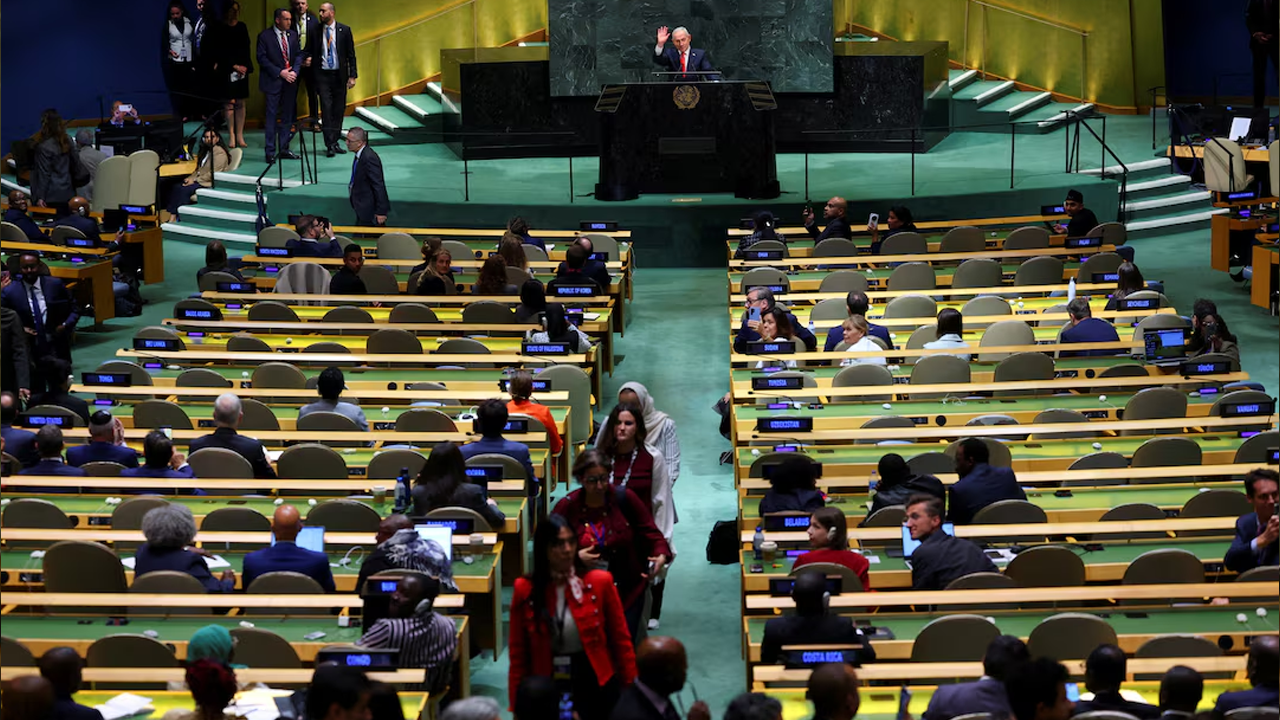
Darwin, September 25: Representatives from Bangladesh and 76 other countries walked out of the United Nations General Assembly hall as Israeli Prime Minister Benjamin Netanyahu…
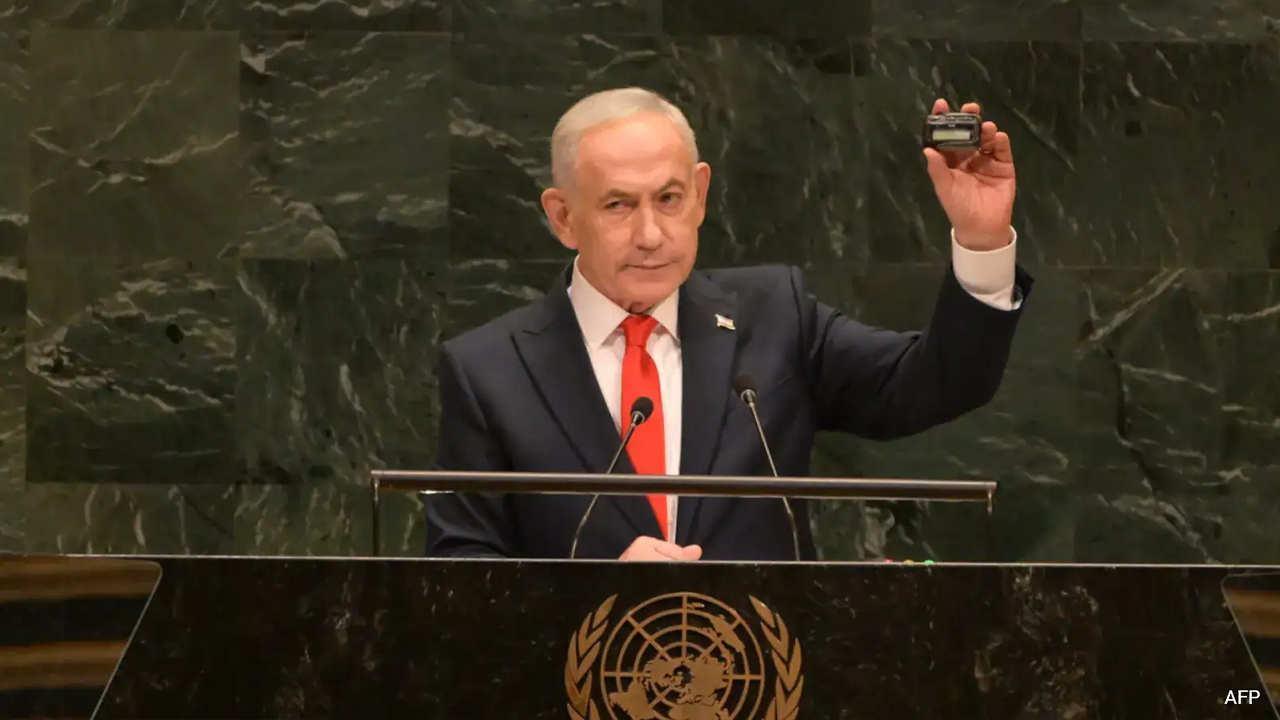
Darwin, September 25 : Israeli Prime Minister Benjamin Netanyahu brought a pager to the United Nations General Assembly while delivering a speech, using it to highlight…