US Forces to Leave Iraq After Two Decades and 4,500 Military Deaths
Darwin, September 30 : The United States is preparing to withdraw its military forces from Iraq after more than two decades of war and the…



Melbourne, 25 July — A deadly border conflict has erupted between two Southeast Asian neighbors, Thailand and Cambodia, with clashes continuing for two consecutive days. The fighting, centered around the disputed Emerald Triangle region, led to the deaths of 15 people on Thursday alone in Thailand, and at least 46 others were injured, including 15 Thai military personnel.
Thousands of residents in Thai villages near the Cambodian border have fled their homes in search of safety. According to a statement issued Friday by Thailand’s Ministry of Health, approximately 140,000 people were displaced from border areas on the first day of the conflict.
Both sides have reportedly used heavy weaponry. Thailand has warned that if the situation persists, it could escalate into a full-scale war.
Clashes began Thursday in the disputed border zone as forces from both nations engaged in heavy fighting. On Friday, the conflict intensified with continued exchanges of fire, including airstrikes and rocket attacks. Over two days, at least 16 people have died.
Thailand’s acting Prime Minister Phumtham Wechayachai issued a strong warning on Friday, stating: “This conflict could turn into a war.” He accused Cambodia of using heavy weapons during the attacks.
Cambodia, in turn, accused Thailand of firing banned cluster bombs into its territory.
The sudden escalation stems from tensions that began in May, when troops from both nations clashed in the Emerald Triangle, a border region connecting Thailand, Cambodia, and Laos. In that initial skirmish, one Cambodian soldier was killed.
Following the incident, both countries claimed they had acted in self-defense and blamed each other. While military leaders from both sides expressed a desire to de-escalate tensions, the reality has seen a buildup of forces and increasingly hostile rhetoric.
Thailand has since taken control of several checkpoints along the border and imposed restrictions on cross-border movement. Thai authorities also threatened to cut off electricity and internet services in Cambodian towns near the border.
In retaliation, Cambodia banned the import of Thai fruits and vegetables and imposed a ban on the broadcast of Thai films and TV dramas.
Tensions escalated further with a series of landmine explosions in the border region, severely straining diplomatic ties. Both countries have since scaled back their bilateral relations and recalled their diplomats.
On July 16, a Thai soldier lost his leg in one such explosion. Another blast occurred this past Wednesday, injuring at least five Thai soldiers — one of whom also lost a leg. Thursday’s violent clashes marked the peak of this ongoing escalation.
The border crisis has had a significant impact on Thailand’s internal politics. Prime Minister Paetongtarn Shinawatra was temporarily suspended from office on July 1 following the leak of a phone call with former Cambodian leader Hun Sen, in which she criticized her own military’s actions.
At just 38, Shinawatra is Thailand’s youngest-ever prime minister. The leaked phone conversation revealed apparent tensions between the civilian government and the military, putting her at serious risk of permanent removal from power.
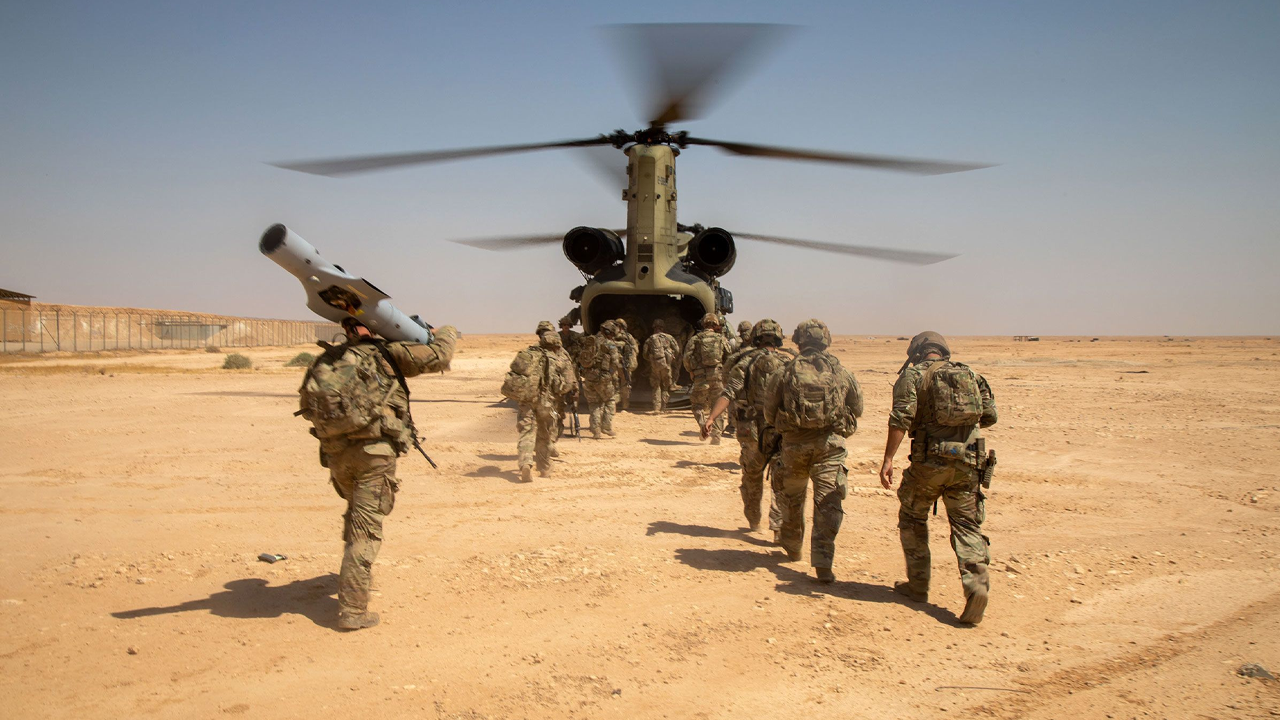
Darwin, September 30 : The United States is preparing to withdraw its military forces from Iraq after more than two decades of war and the…
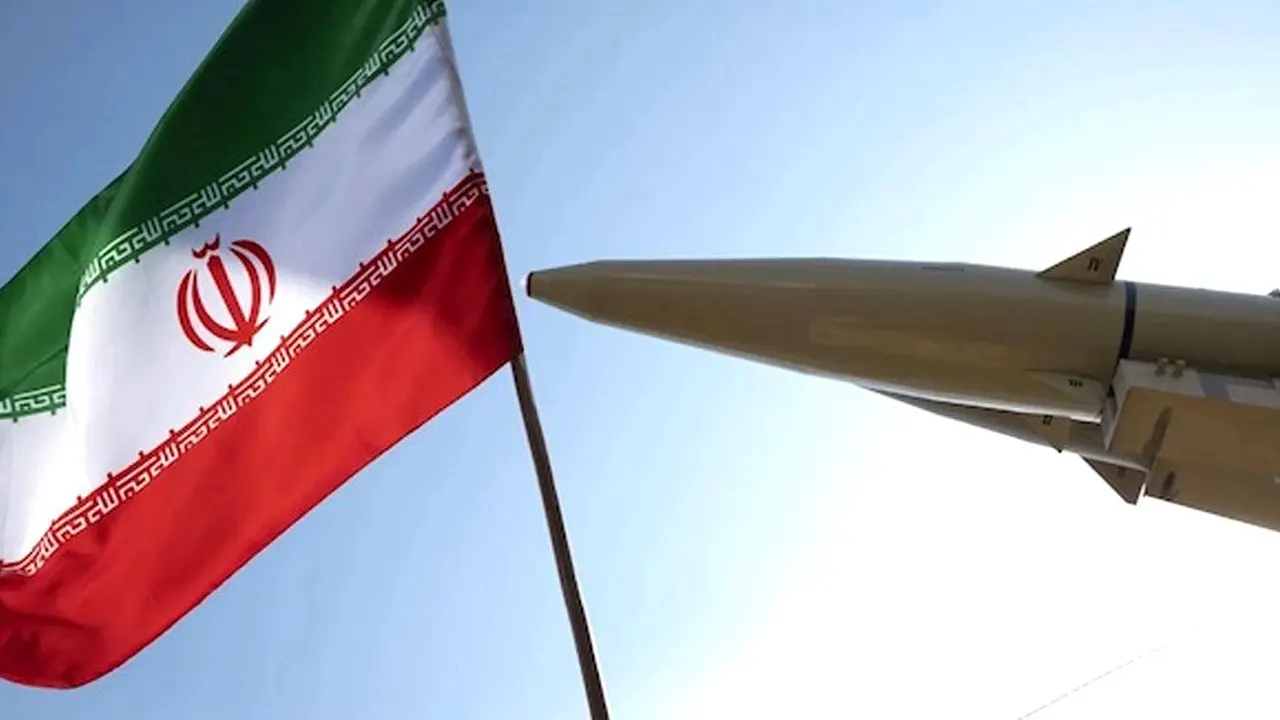
Darwin, September 30: Russia has urged Iran not to withdraw from the Treaty on the Non-Proliferation of Nuclear Weapons (NPT), calling on Tehran to remain…
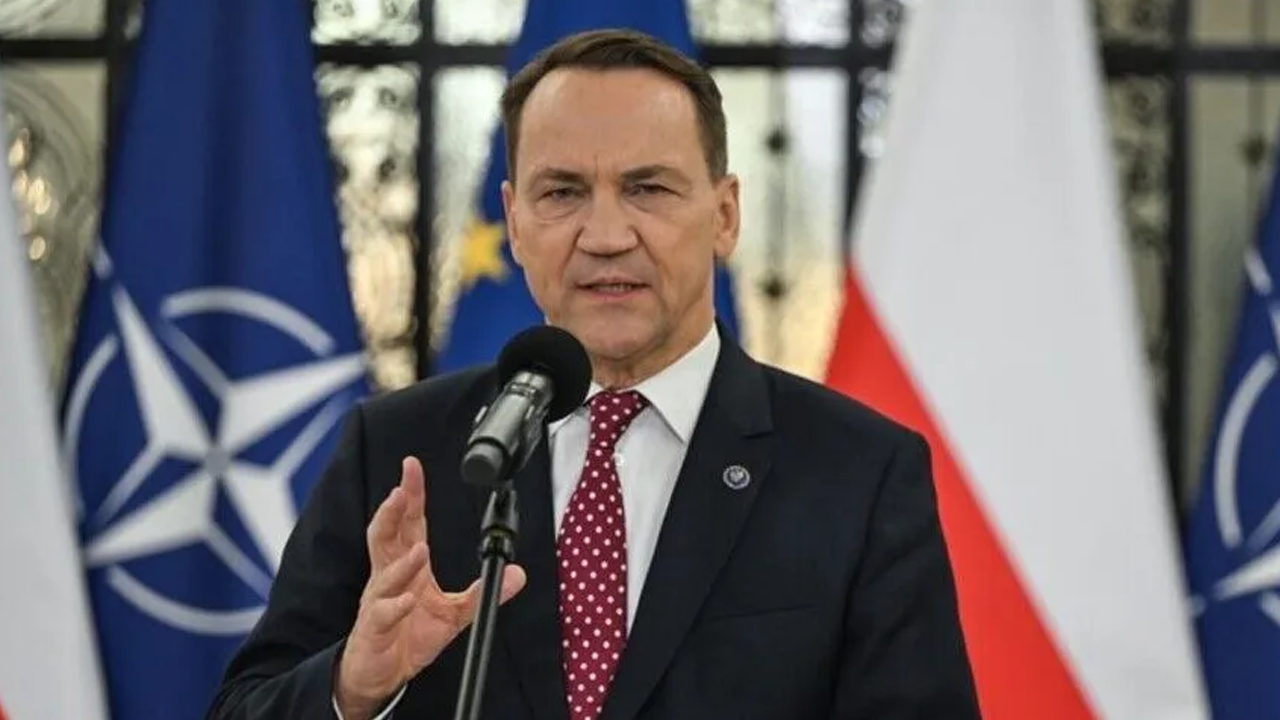
Darwin, September 30: Russia currently lacks sufficient military capability to launch a major attack against NATO because its forces are engaged in the war in…
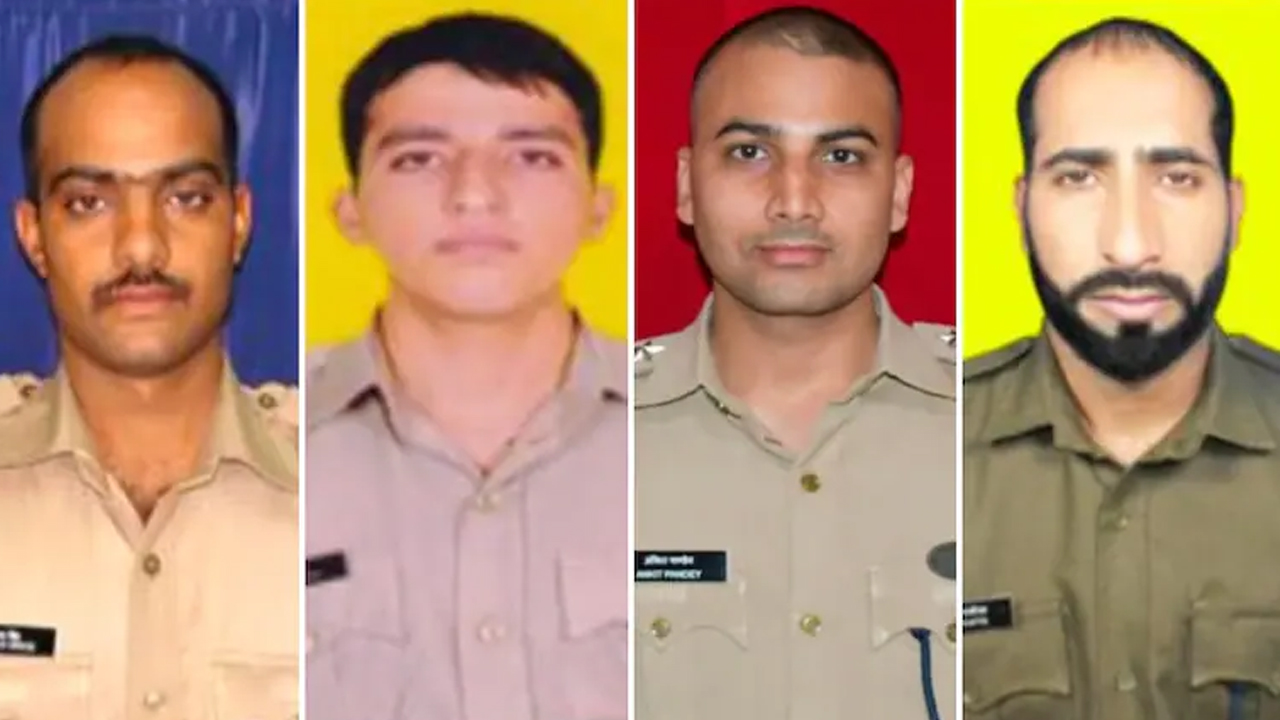
Four personnel of India’s Central Industrial Security Force (CISF), including an officer, were killed after a colleague allegedly opened fire on them at a hydropower…

Darwin, September 25: The Netherlands is seeking to build an international coalition to evacuate at least 1,000 sick and injured children from Gaza for medical treatment,…

Darwin, September 25: Police arrested at least 100 people, including Oscar-winning actress Susan Sarandon, during a protest against Israeli Prime Minister Benjamin Netanyahu outside the…
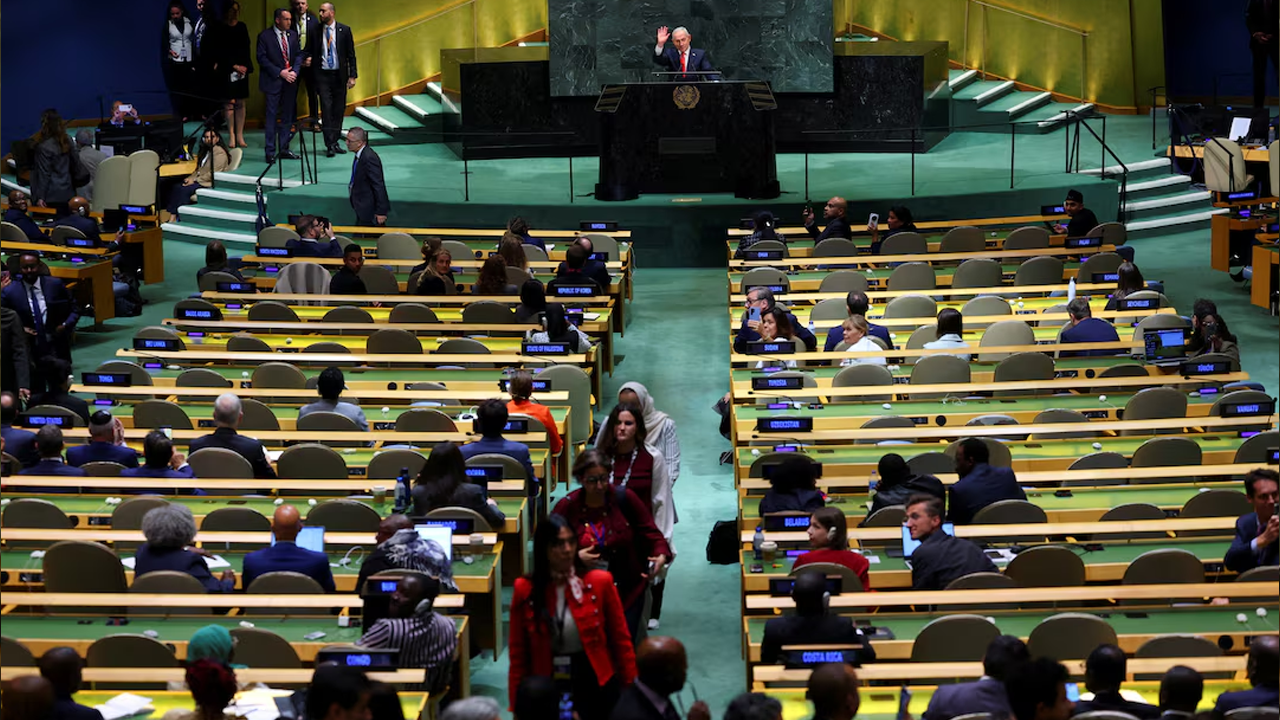
Darwin, September 25: Representatives from Bangladesh and 76 other countries walked out of the United Nations General Assembly hall as Israeli Prime Minister Benjamin Netanyahu…
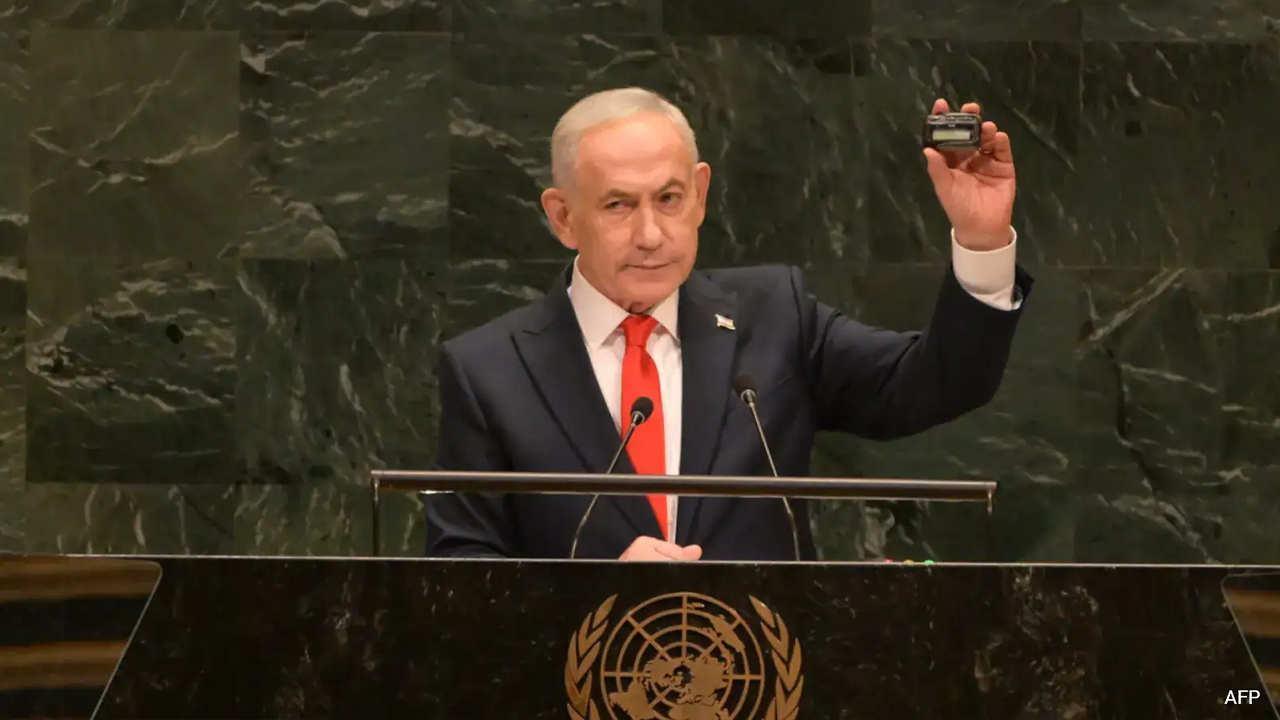
Darwin, September 25 : Israeli Prime Minister Benjamin Netanyahu brought a pager to the United Nations General Assembly while delivering a speech, using it to highlight…