US Forces to Leave Iraq After Two Decades and 4,500 Military Deaths
Darwin, September 30 : The United States is preparing to withdraw its military forces from Iraq after more than two decades of war and the…



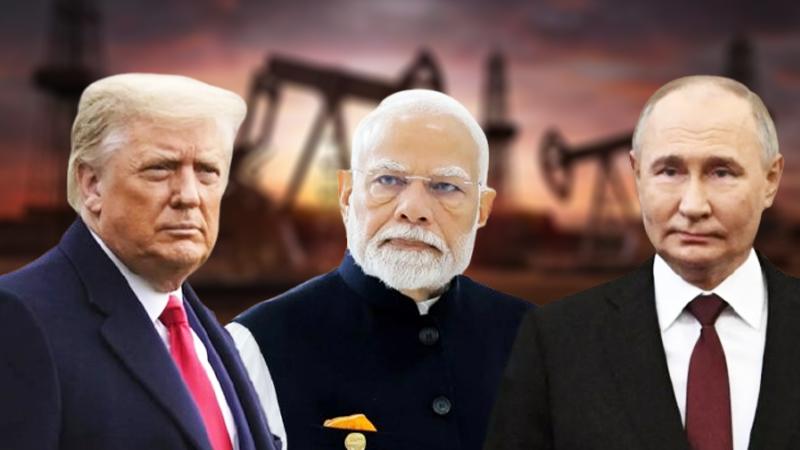
Melbourne, August 9 — If India stops importing oil from Russia, its energy import bill could rise by nearly $12 billion in the 2026–27 fiscal year, the State Bank of India (SBI) has warned.
According to Indian news outlet NDTV, citing SBI, the estimated additional cost for the current fiscal year stands at $9 billion, which could increase to $11.7 billion by 2026–27.
This forecast comes at a time when the U.S. has decided to double import tariffs on Indian goods to 50%, citing India’s continued import of Russian crude oil. U.S. President Donald Trump blamed India’s Russian oil purchases for helping finance Russia’s aggression in Ukraine. Along with Brazil, India is now subject to the highest U.S. tariffs.
SBI’s research report states, “If India halts Russian oil imports for the remainder of the current fiscal year, its energy import bill could rise significantly.” The report notes that Russia currently supplies about 35% of India’s total crude oil imports. This year alone, India has imported 88 million metric tons of Russian oil, accounting for roughly 2/5 of total imports.
If India ceases buying Russian oil, it could return to older suppliers such as Iraq, Saudi Arabia, and the UAE. India has long-term agreements with these Middle Eastern countries, making additional supply from them feasible.
However, such a shift may drive up global crude oil prices. Russia supplies about 10% of global oil demand. If multiple countries simultaneously stop importing Russian oil, prices could rise by at least 10%, SBI’s report adds.
Beyond energy, the Trump administration’s potential new tariffs could negatively impact India’s agriculture and pharmaceutical sectors. While no tariffs have yet been imposed on pharmaceuticals, future 50% duties could reduce revenue for Indian drug exporters by 5–10%.
On Thursday, Indian Prime Minister Narendra Modi stated, “India will never compromise on the interests of farmers, fishermen, or the dairy sector. I am even ready to pay a personal price, if necessary.”
SBI’s report further warned that any U.S. tariffs on Indian pharmaceuticals would affect American consumers as well. India supplies 35% of the generic medicines in the U.S., helping keep overall drug costs down significantly.
Experts believe Trump’s stance sends not just a commercial message, but a geopolitical and diplomatic one too. However, analysts also argue that finding an alternative to cheap Russian oil will not be easy for India.
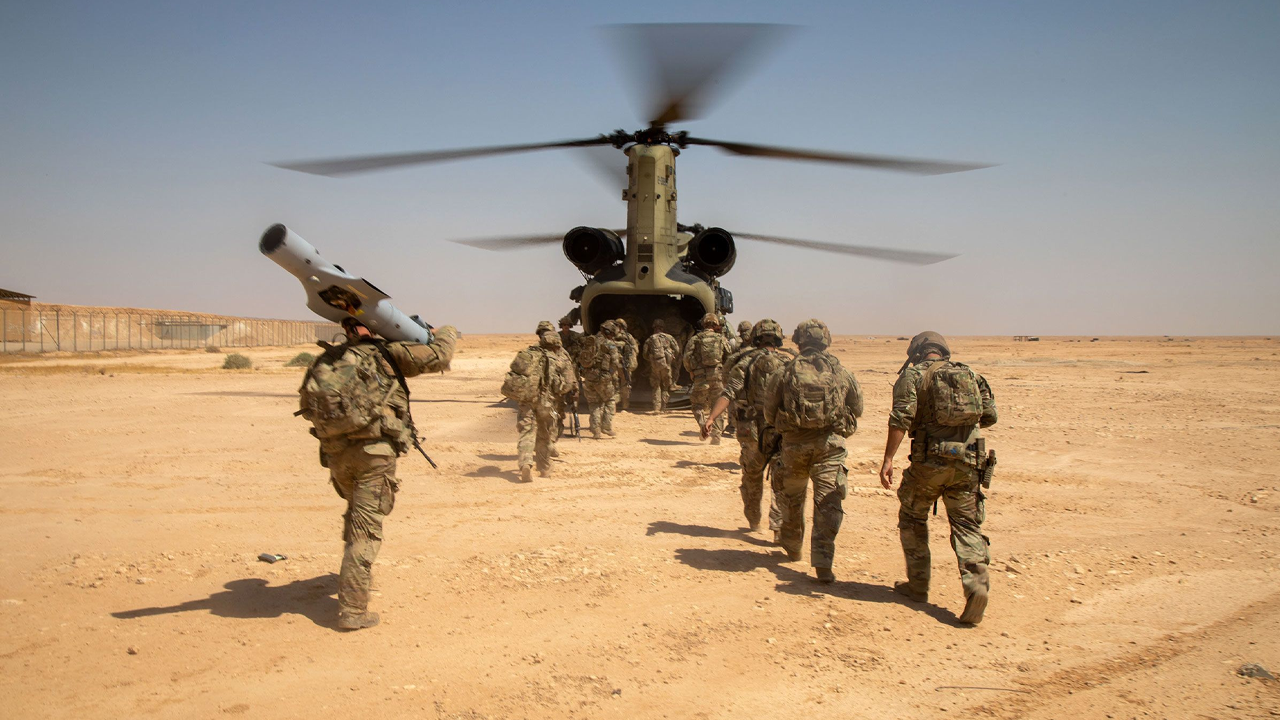
Darwin, September 30 : The United States is preparing to withdraw its military forces from Iraq after more than two decades of war and the…
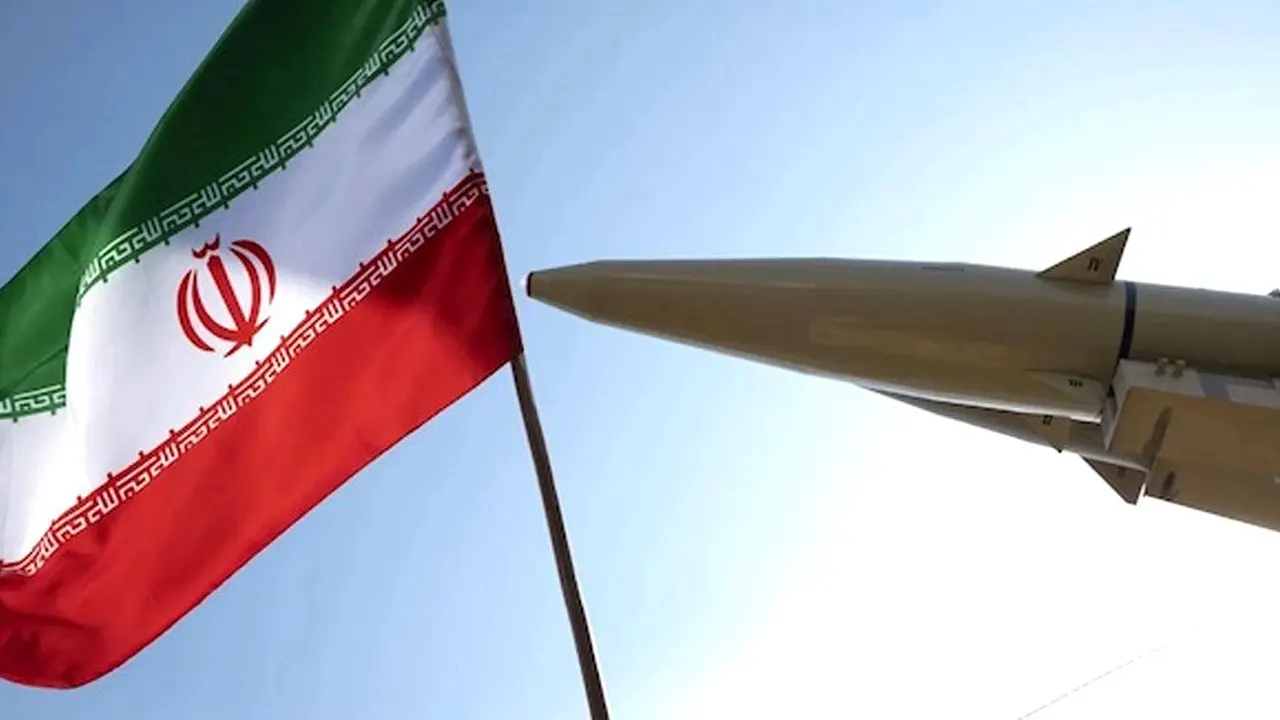
Darwin, September 30: Russia has urged Iran not to withdraw from the Treaty on the Non-Proliferation of Nuclear Weapons (NPT), calling on Tehran to remain…
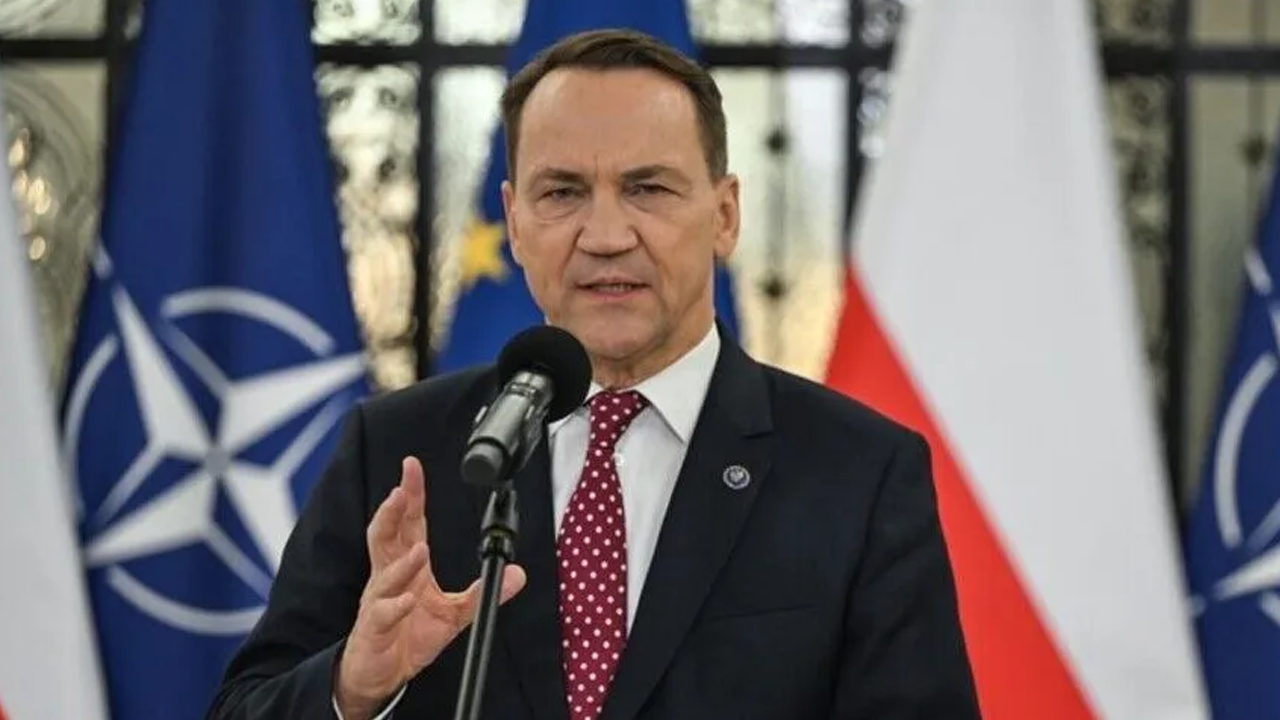
Darwin, September 30: Russia currently lacks sufficient military capability to launch a major attack against NATO because its forces are engaged in the war in…
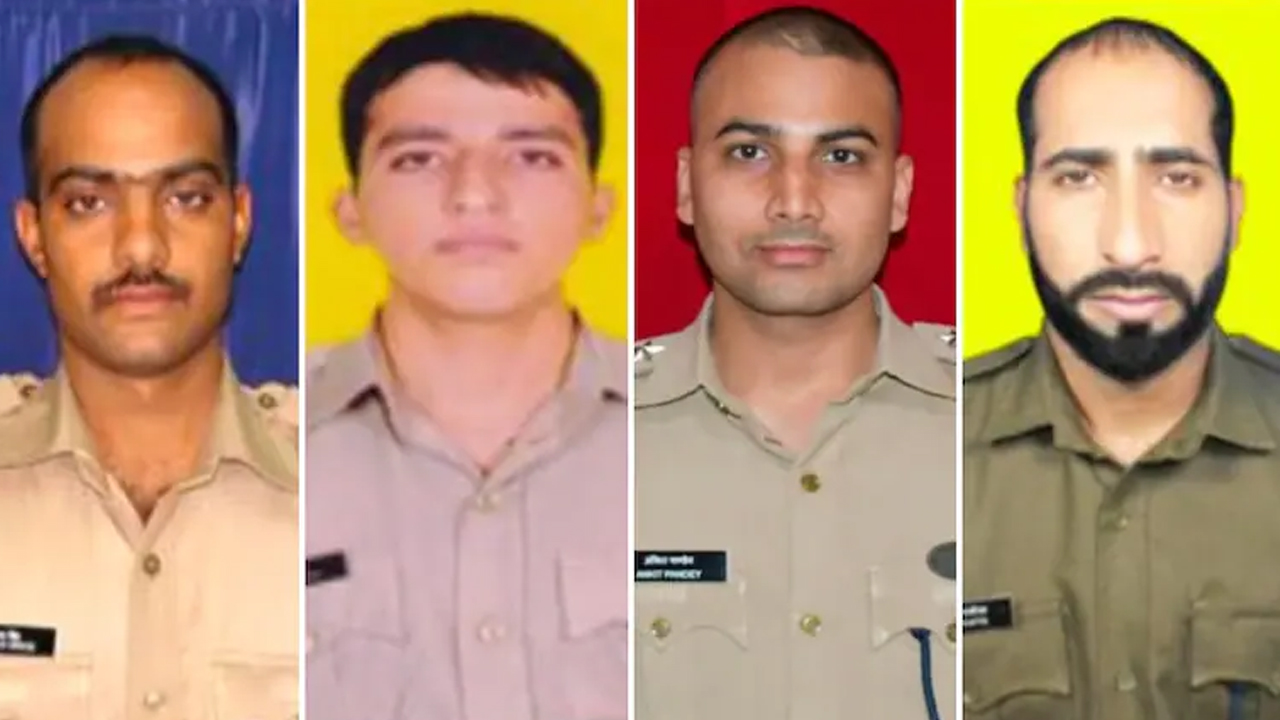
Four personnel of India’s Central Industrial Security Force (CISF), including an officer, were killed after a colleague allegedly opened fire on them at a hydropower…

Darwin, September 25: The Netherlands is seeking to build an international coalition to evacuate at least 1,000 sick and injured children from Gaza for medical treatment,…

Darwin, September 25: Police arrested at least 100 people, including Oscar-winning actress Susan Sarandon, during a protest against Israeli Prime Minister Benjamin Netanyahu outside the…
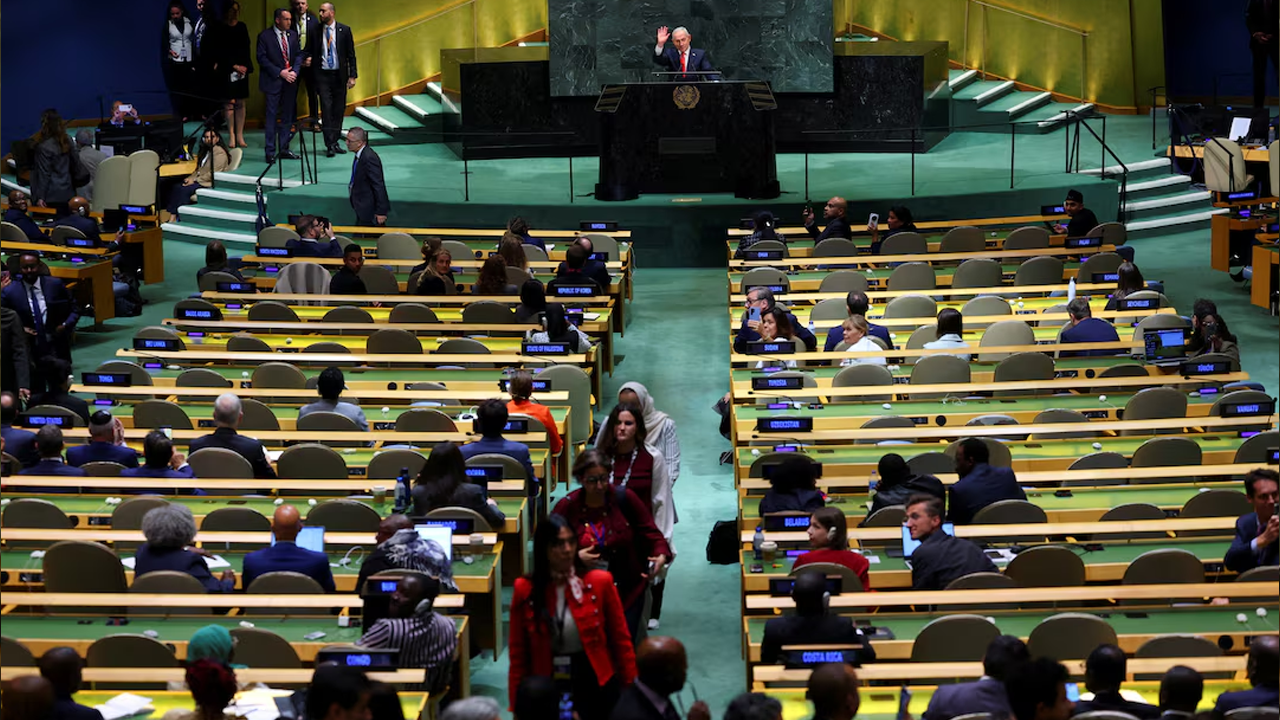
Darwin, September 25: Representatives from Bangladesh and 76 other countries walked out of the United Nations General Assembly hall as Israeli Prime Minister Benjamin Netanyahu…
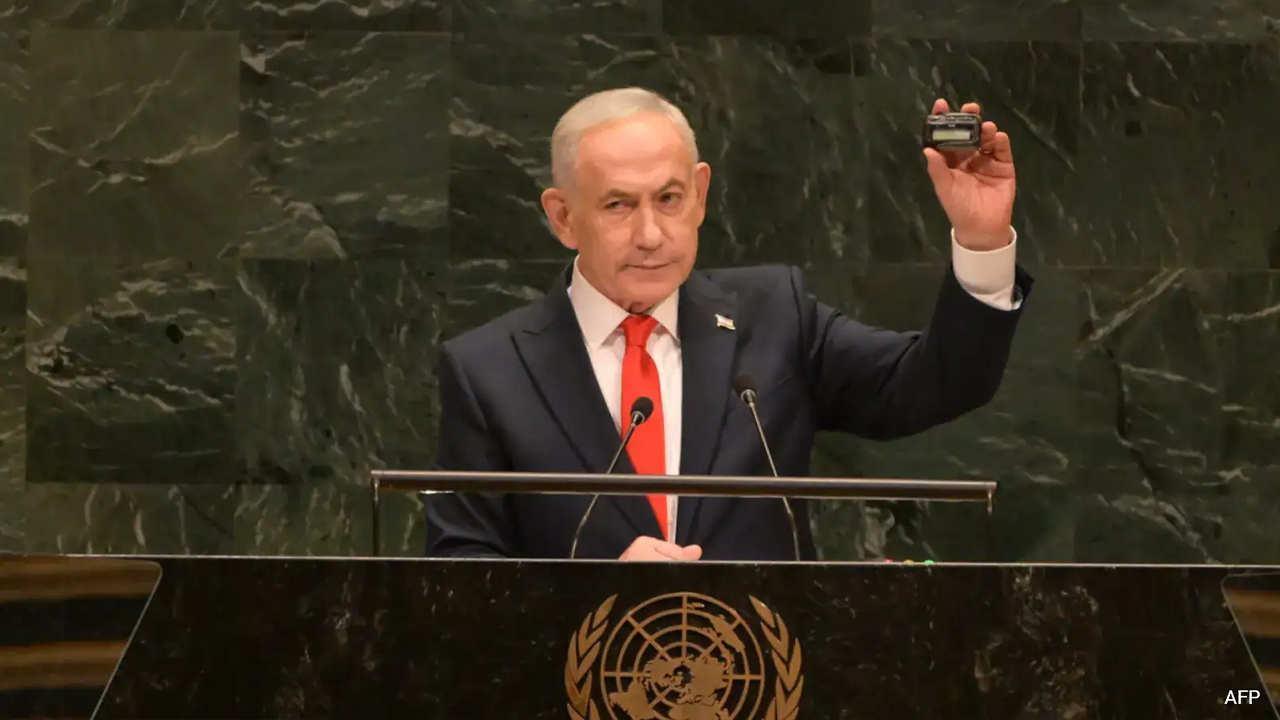
Darwin, September 25 : Israeli Prime Minister Benjamin Netanyahu brought a pager to the United Nations General Assembly while delivering a speech, using it to highlight…