US Forces to Leave Iraq After Two Decades and 4,500 Military Deaths
Darwin, September 30 : The United States is preparing to withdraw its military forces from Iraq after more than two decades of war and the…



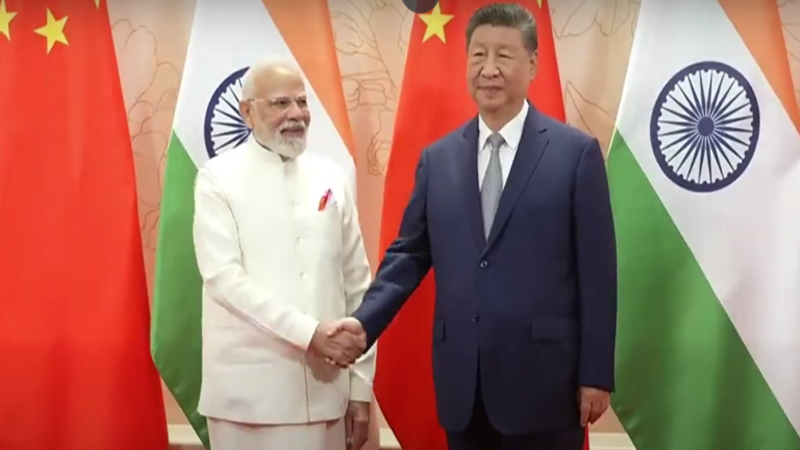
Darwin, September 1 — In a significant diplomatic development, Indian Prime Minister Narendra Modi and Chinese President Xi Jinping met on Sunday in Tianjin to discuss efforts to normalize bilateral relations between the two neighboring powers.
According to a report published by Russia Today, the meeting took place on the sidelines of the Shanghai Cooperation Organization (SCO) summit, hosted this year by China.
This marks Prime Minister Modi’s first visit to China since 2018.
The meeting comes at a time when both nations have been making concerted efforts for months to ease long-standing tensions along their disputed border. The two leaders had previously met during the BRICS summit in Kazan, Russia, in October last year.
In a post-meeting statement, Prime Minister Modi said, “Our relationship is moving in a positive direction. Peace and stability have been maintained along the border.”
He also noted that the Kailash Mansarovar Yatra in China’s Tibet Autonomous Region has resumed, and plans are underway to restart direct flight services between the two countries.
Modi further added, “The interests of our combined 2.8 billion people are tied to our cooperation. This collaboration could also pave the way for the welfare of all humanity. We are committed to advancing our relations based on mutual trust, respect, and sensitivity.”
This high-level meeting comes against the backdrop of the deadly June 2020 border clash, after which relations between India and China had sharply deteriorated.
Simultaneously, former U.S. President Donald Trump’s administration has imposed up to 50% tariffs on Indian goods in response to India’s trade policies and its continued oil trade with Russia.
Ahead of the Modi-Xi meeting, Chinese Foreign Minister Wang Yi visited New Delhi. During his visit, he co-chaired the 24th round of Special Representatives Talks on the border issue with India’s National Security Advisor Ajit Doval.
Following the discussions, both sides agreed to improve border management, resume direct air connectivity as soon as possible, and reopen border trade. They also pledged to support each other’s BRICS presidency in 2026 and 2027.
In response to the U.S. tariff threats, Beijing expressed strong support for India.
China’s Ambassador to India Xu Feihong stated, “The United States has imposed tariffs of up to 50% on India and is threatening more. China strongly opposes such actions. Silence or compromise in the face of such behavior only emboldens the oppressor. China stands firmly with India.”
Meanwhile, senior officials from Moscow, Beijing, and New Delhi have been in discussions to revive the Russia-India-China (RIC) dialogue—a trilateral cooperation mechanism originally established decades ago as a counterbalance to Western dominance and to promote a multipolar global order.
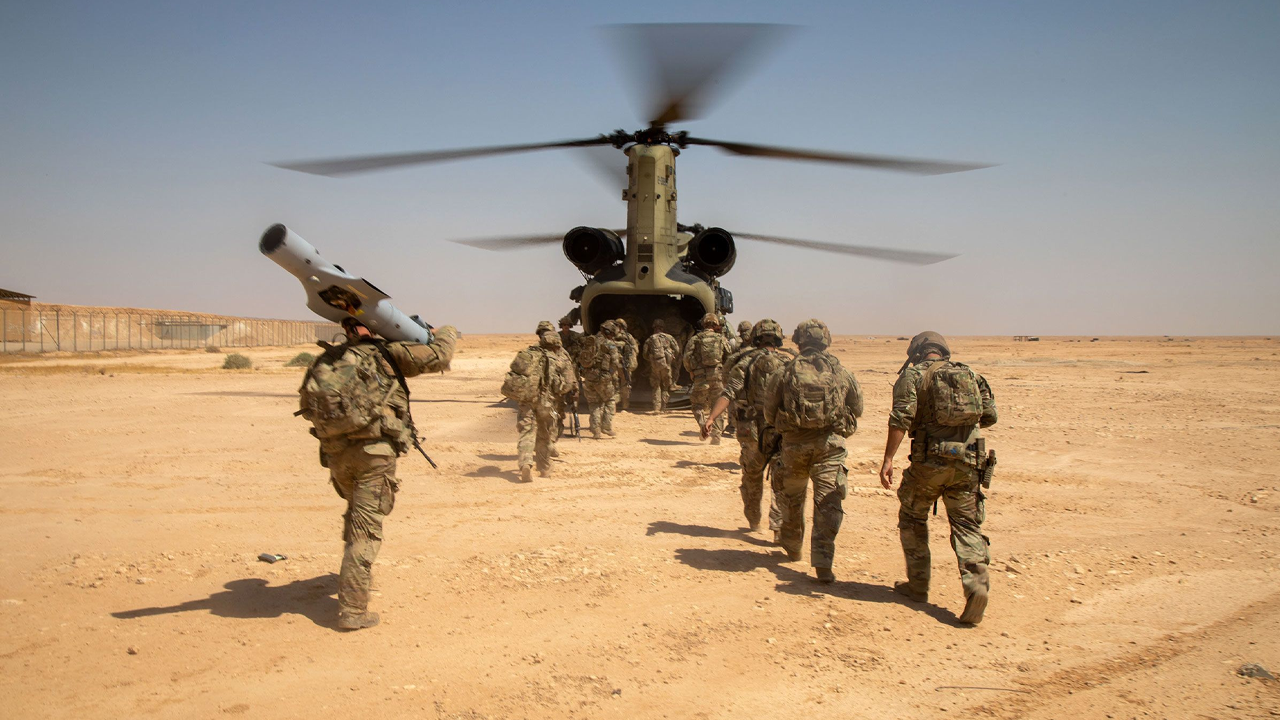
Darwin, September 30 : The United States is preparing to withdraw its military forces from Iraq after more than two decades of war and the…
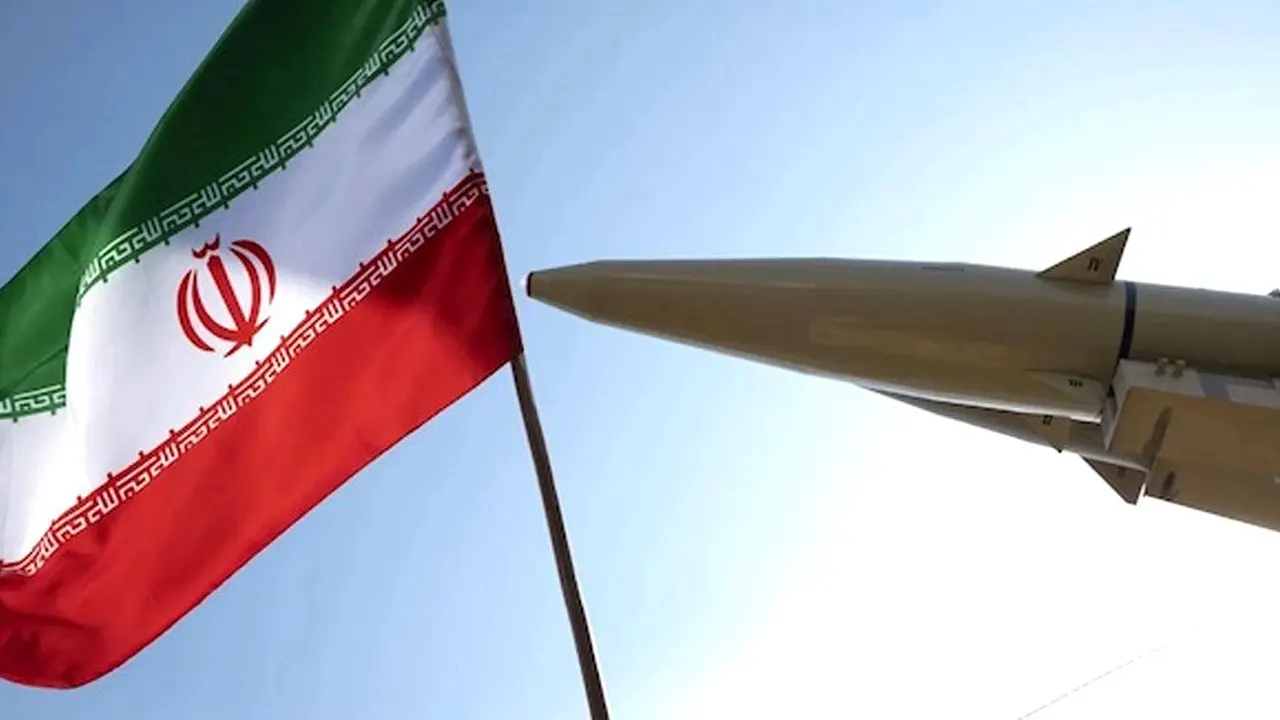
Darwin, September 30: Russia has urged Iran not to withdraw from the Treaty on the Non-Proliferation of Nuclear Weapons (NPT), calling on Tehran to remain…
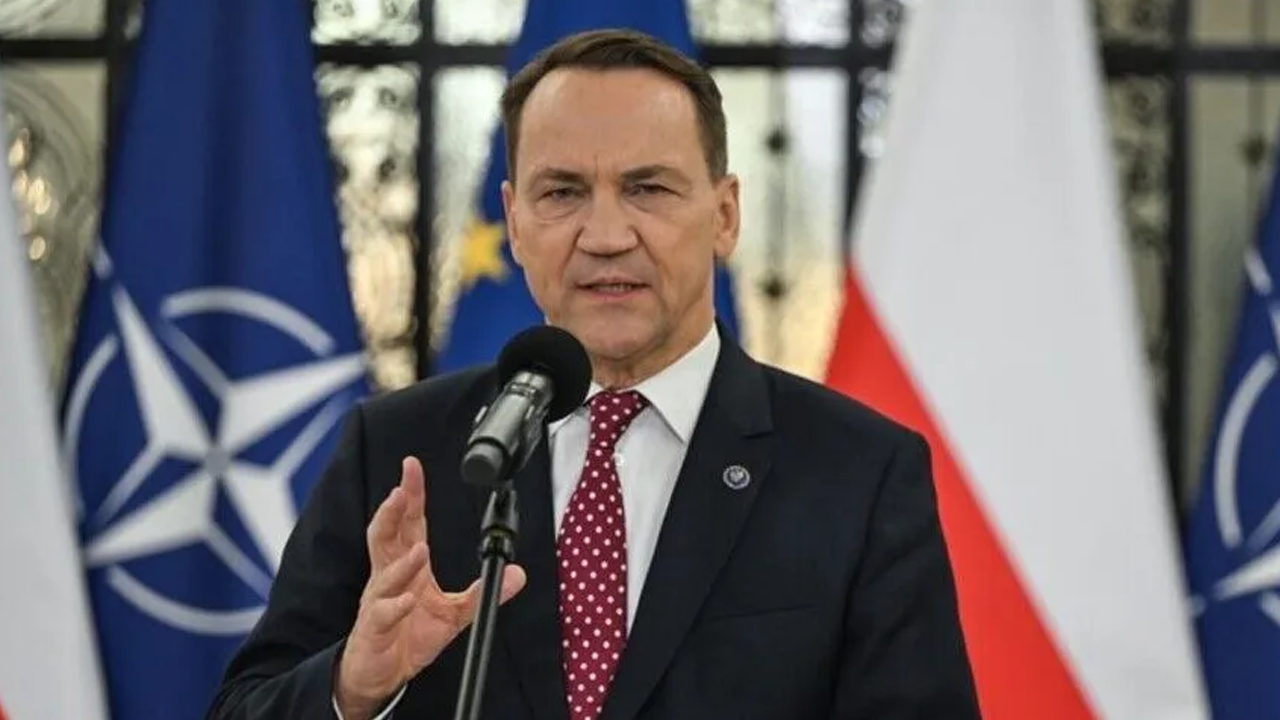
Darwin, September 30: Russia currently lacks sufficient military capability to launch a major attack against NATO because its forces are engaged in the war in…
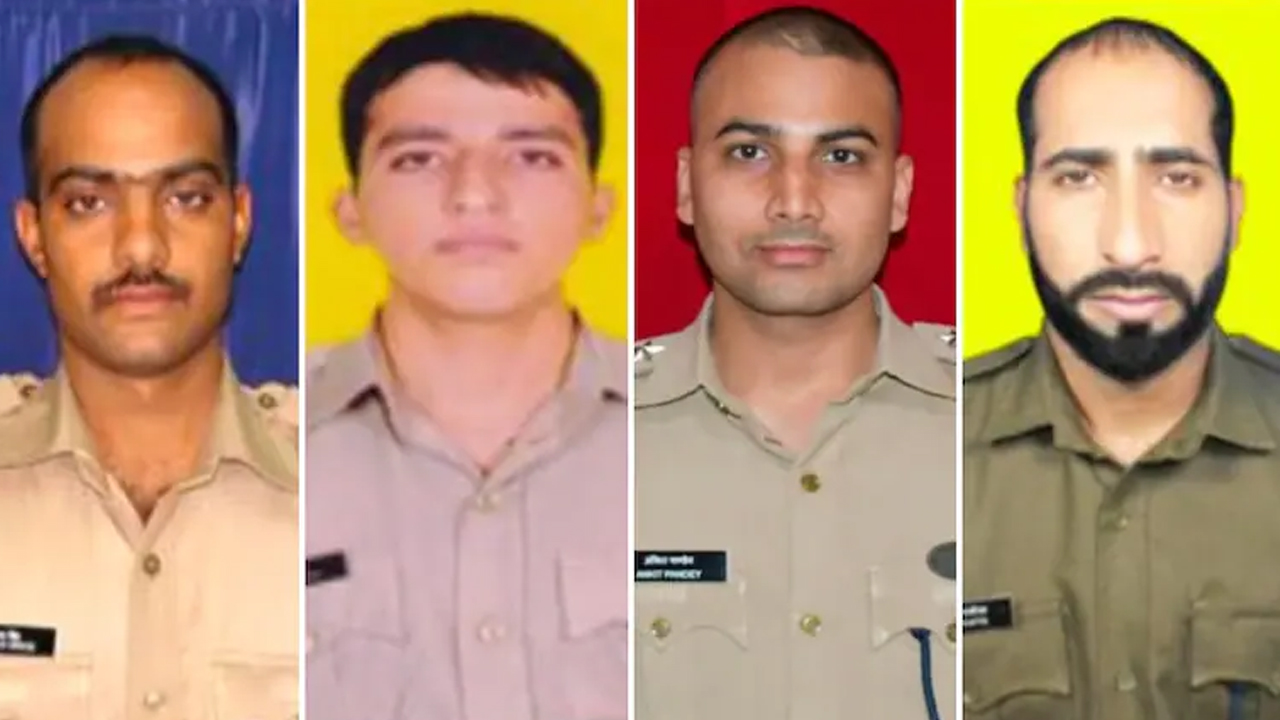
Four personnel of India’s Central Industrial Security Force (CISF), including an officer, were killed after a colleague allegedly opened fire on them at a hydropower…
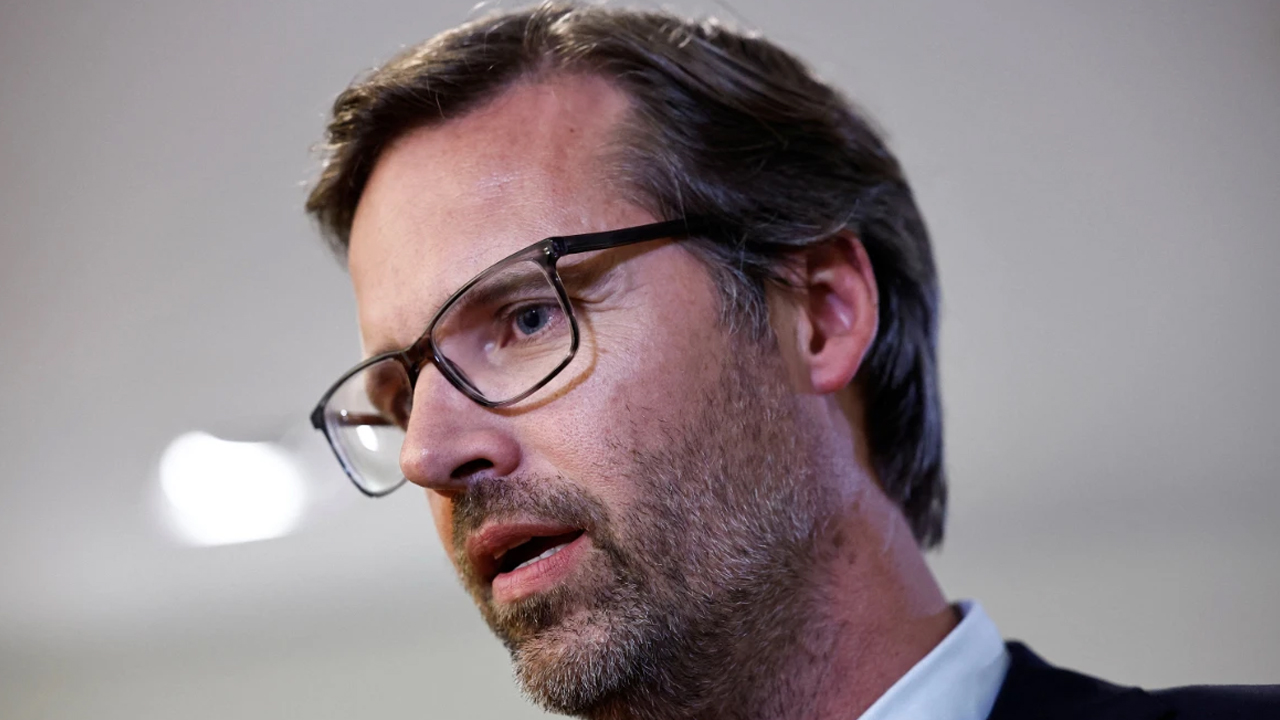
Darwin, September 25: The Netherlands is seeking to build an international coalition to evacuate at least 1,000 sick and injured children from Gaza for medical treatment,…

Darwin, September 25: Police arrested at least 100 people, including Oscar-winning actress Susan Sarandon, during a protest against Israeli Prime Minister Benjamin Netanyahu outside the…
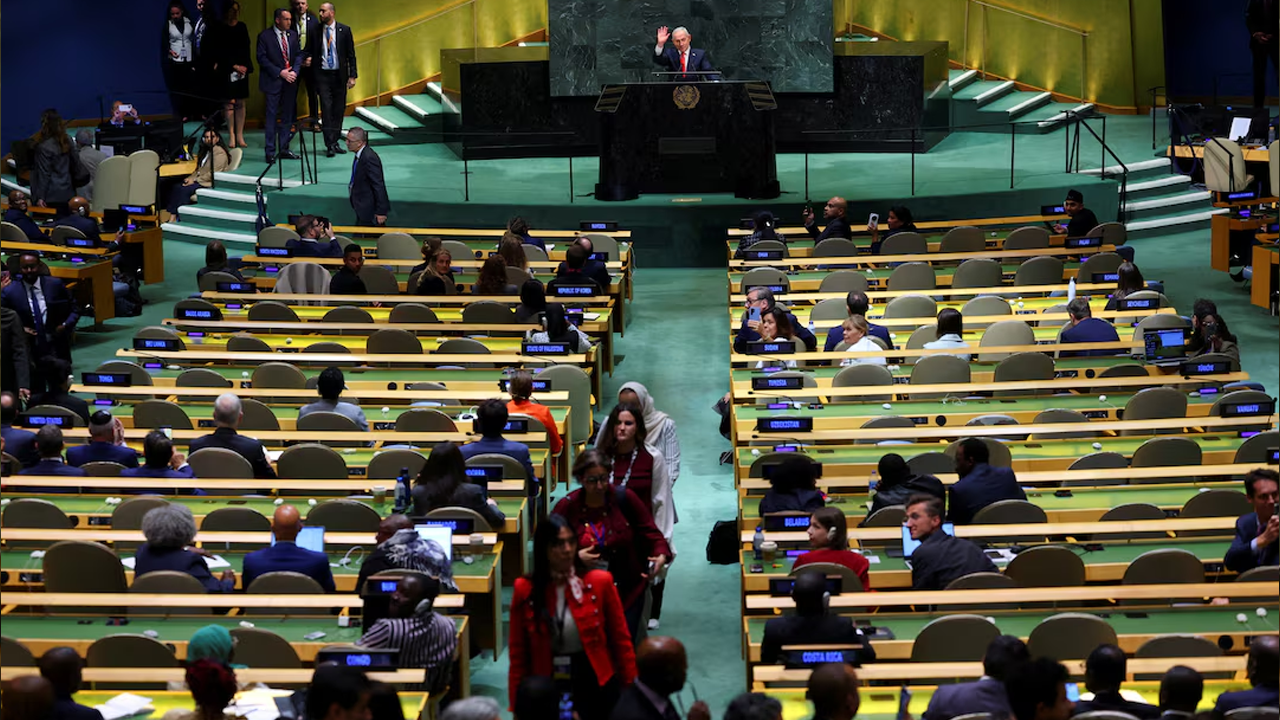
Darwin, September 25: Representatives from Bangladesh and 76 other countries walked out of the United Nations General Assembly hall as Israeli Prime Minister Benjamin Netanyahu…
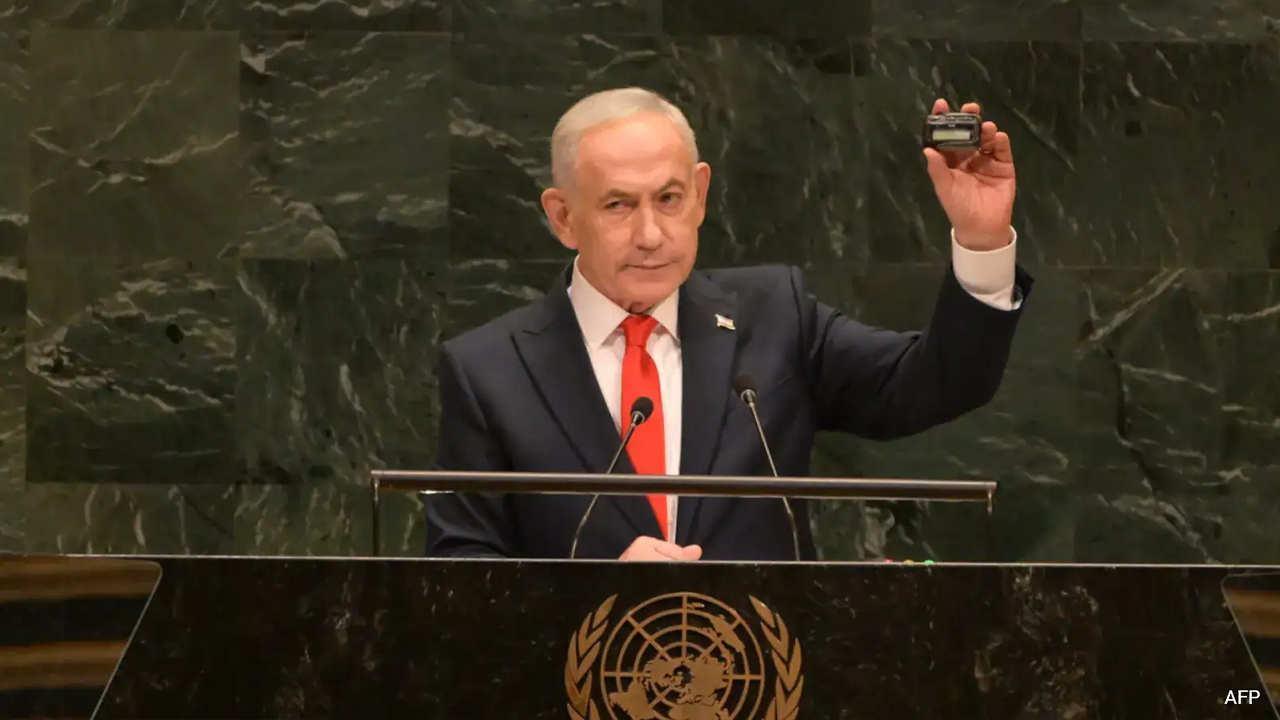
Darwin, September 25 : Israeli Prime Minister Benjamin Netanyahu brought a pager to the United Nations General Assembly while delivering a speech, using it to highlight…