US Forces to Leave Iraq After Two Decades and 4,500 Military Deaths
Darwin, September 30 : The United States is preparing to withdraw its military forces from Iraq after more than two decades of war and the…



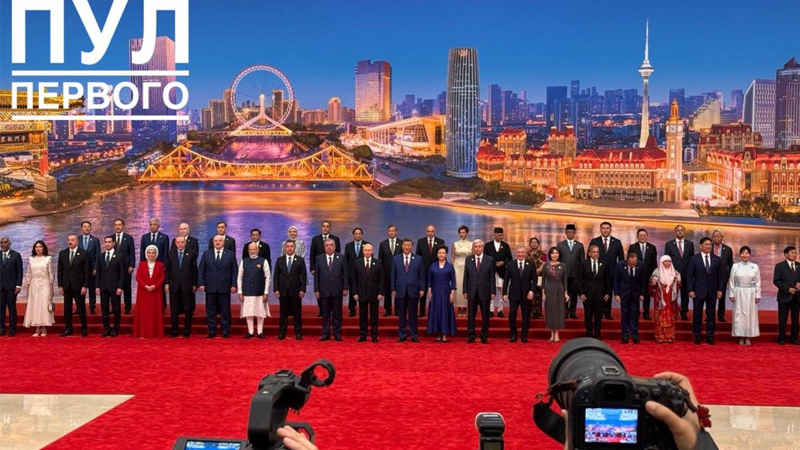
Darwin, September 1 —
In July 2024, during the SCO summit in Astana, China’s President Xi Jinping invoked an ancient Chinese proverb: “Those who share common aspirations, be they mountains or seas, can never drive them apart.” Back then, India’s Prime Minister Narendra Modi, a major SCO member, was absent—sending a subtle signal of distance from the China-Russia-led organization.
But fast-forward a year, and the geopolitical landscape has shifted dramatically. Modi not only attends the summit—his first visit to China since 2018—but China now anticipates attendance from over 20 global leaders, marking the largest gathering in SCO’s history.
This marks a symbolic transformation from sidelining to center stage participation—highlighting SCO’s elevated role in shaping global diplomacy.
At a time when the U.S. under Trump is imposing steep trade tariffs on India (up to 50%), the SCO summit projects an alternate picture: the emergence of a multipolar world where alliances are not centered around Western influence.
Xi used the summit to call for cooperation with India, calling them the “Dragon and the Elephant” and urging that friendship—not rivalry—should define their ties. He underscored the need for multilateralism, balanced trade, and a shared responsibility in shaping a just global order.
For Trump and the West, it sends a pointed signal: as Western policies grow more coercive, global partners are turning increasingly toward alternative institutions and norms.
Largest SCO gathering ever: Over 20 heads of state—including Modi, Vladimir Putin, Recep Tayyip Erdoğan, and Iran’s President—are present alongside top diplomats.
Diplomatic balancing act: The summit doubles as a venue for China to present itself as a reliable partner, especially to the Global South. Leaders from Southeast Asia, the Middle East, and Central Asia also attend.
Contrasting Western alignment: Unlike the U.S.-led quad bloc, SCO espouses “indivisible security”—where one nation’s safety must not jeopardize another’s, signaling a complex, multipolar approach.
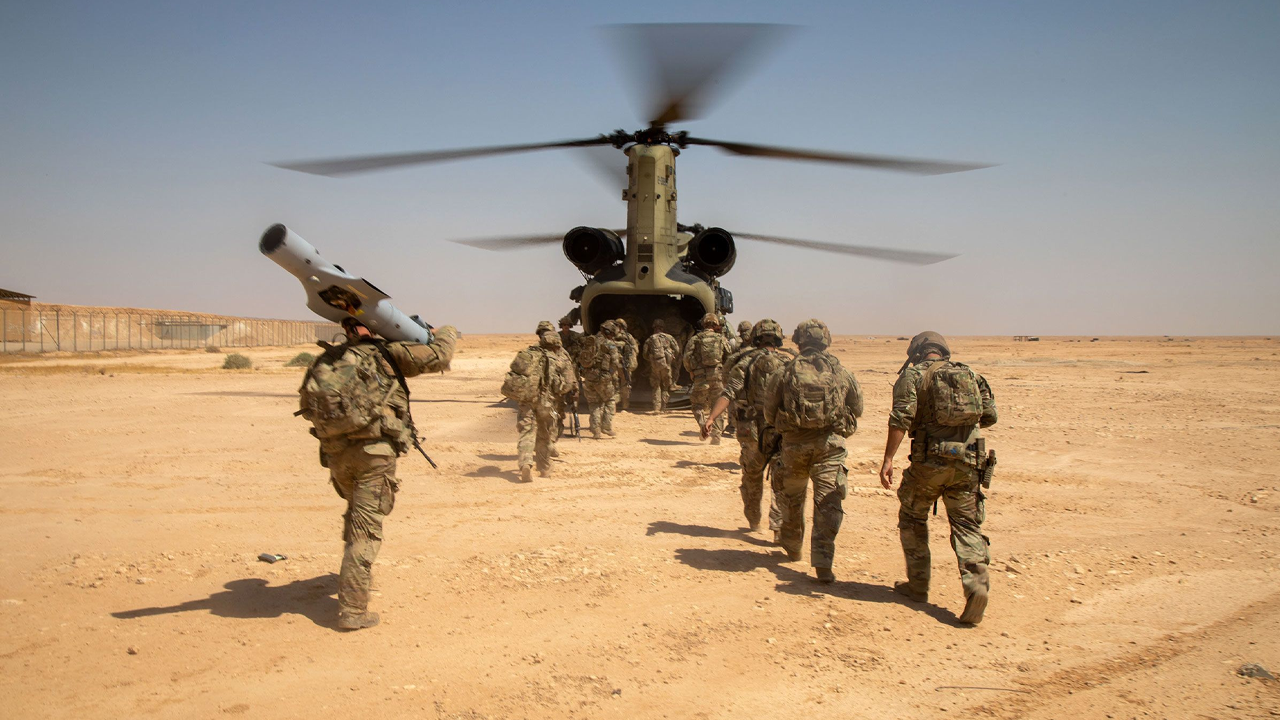
Darwin, September 30 : The United States is preparing to withdraw its military forces from Iraq after more than two decades of war and the…
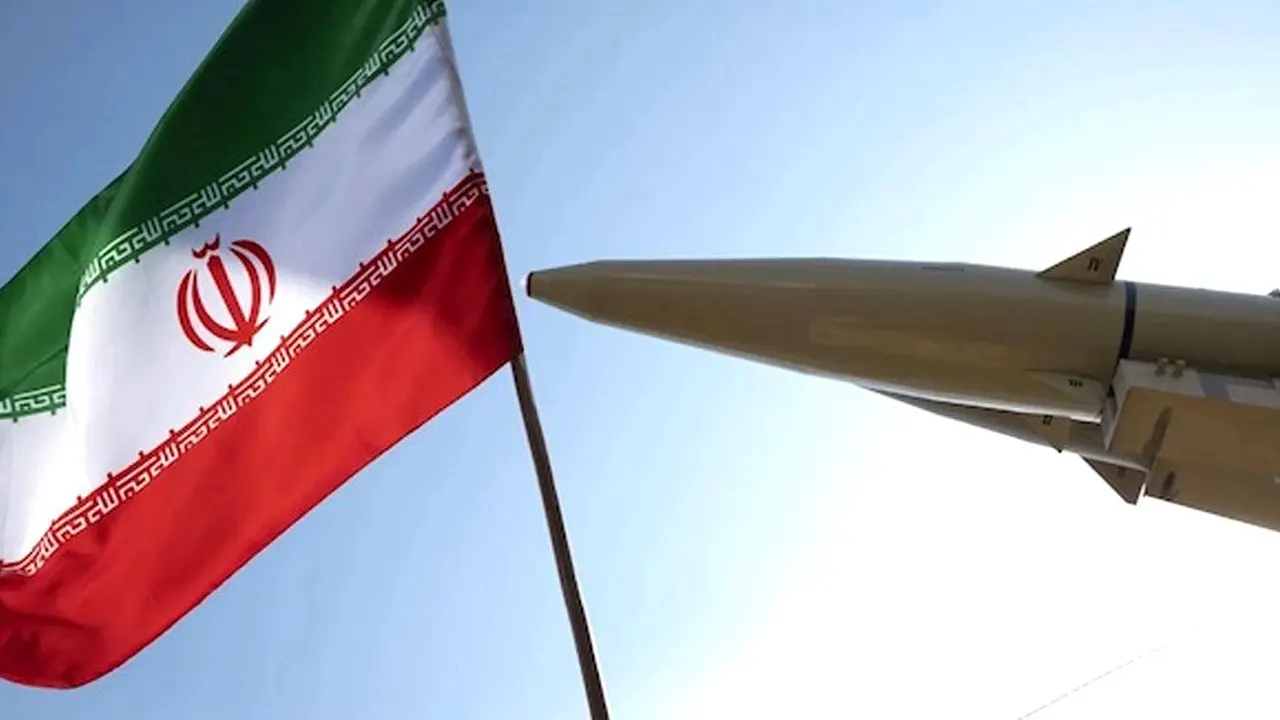
Darwin, September 30: Russia has urged Iran not to withdraw from the Treaty on the Non-Proliferation of Nuclear Weapons (NPT), calling on Tehran to remain…
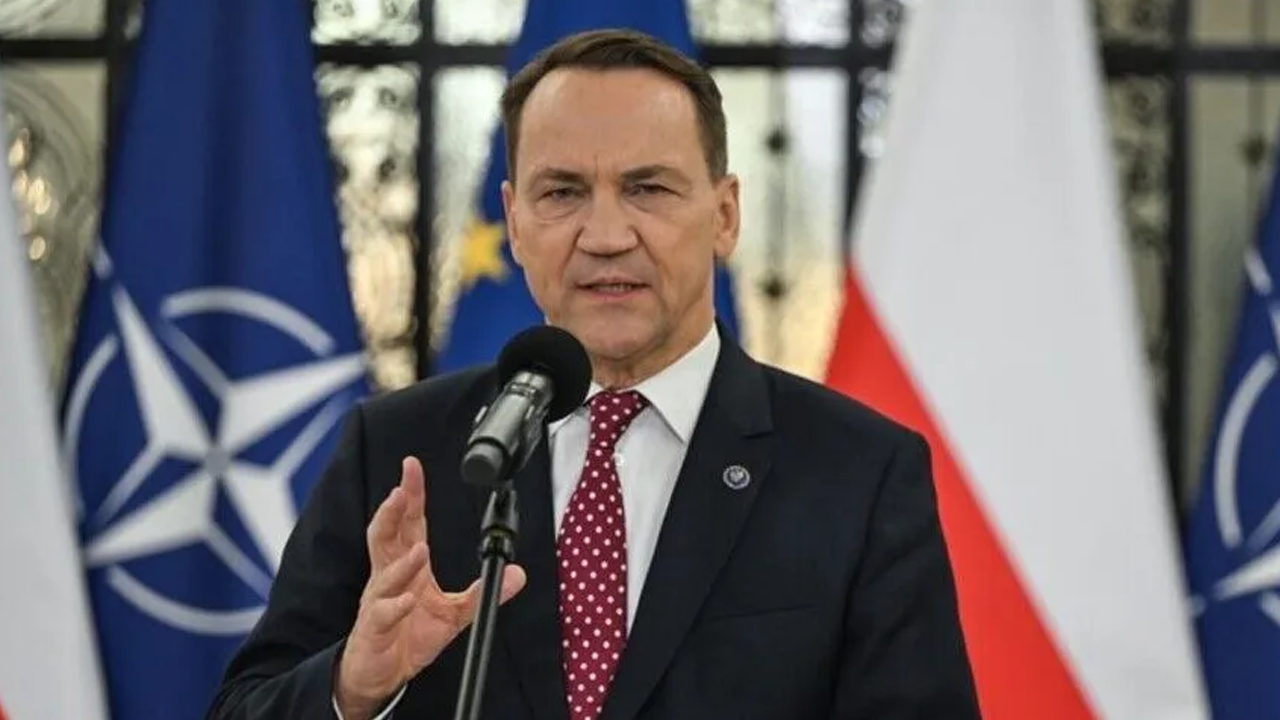
Darwin, September 30: Russia currently lacks sufficient military capability to launch a major attack against NATO because its forces are engaged in the war in…
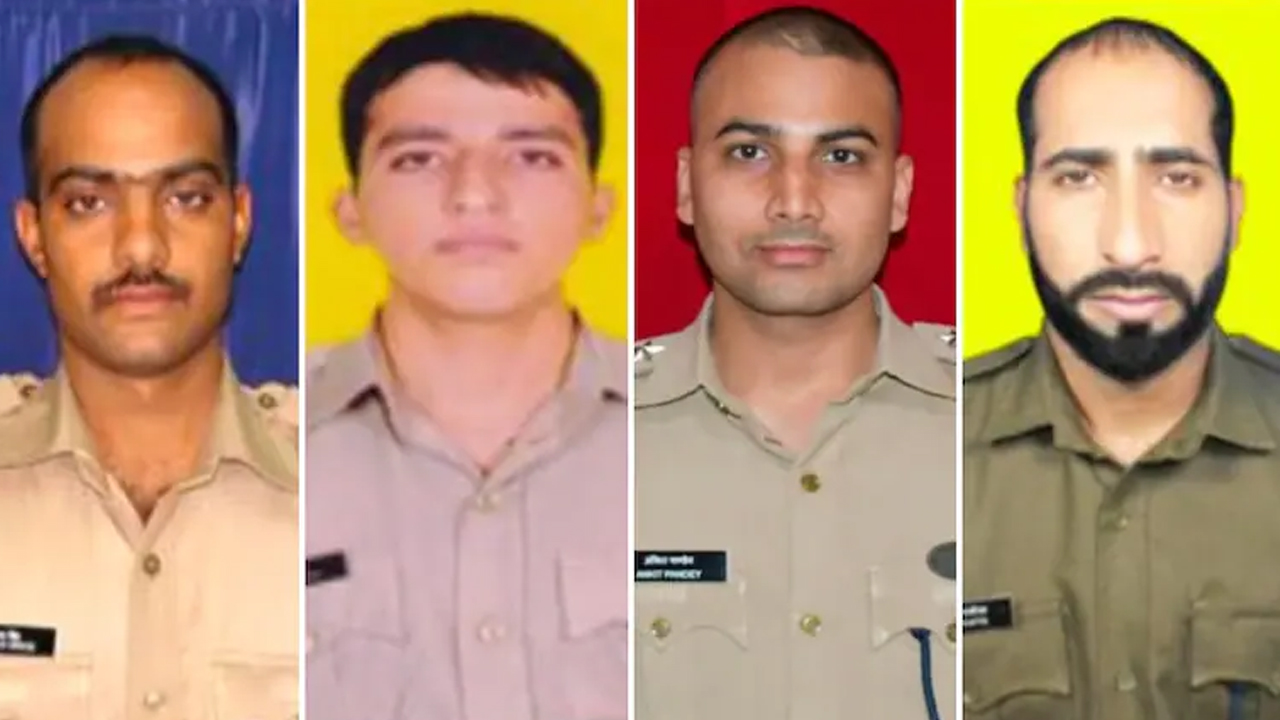
Four personnel of India’s Central Industrial Security Force (CISF), including an officer, were killed after a colleague allegedly opened fire on them at a hydropower…
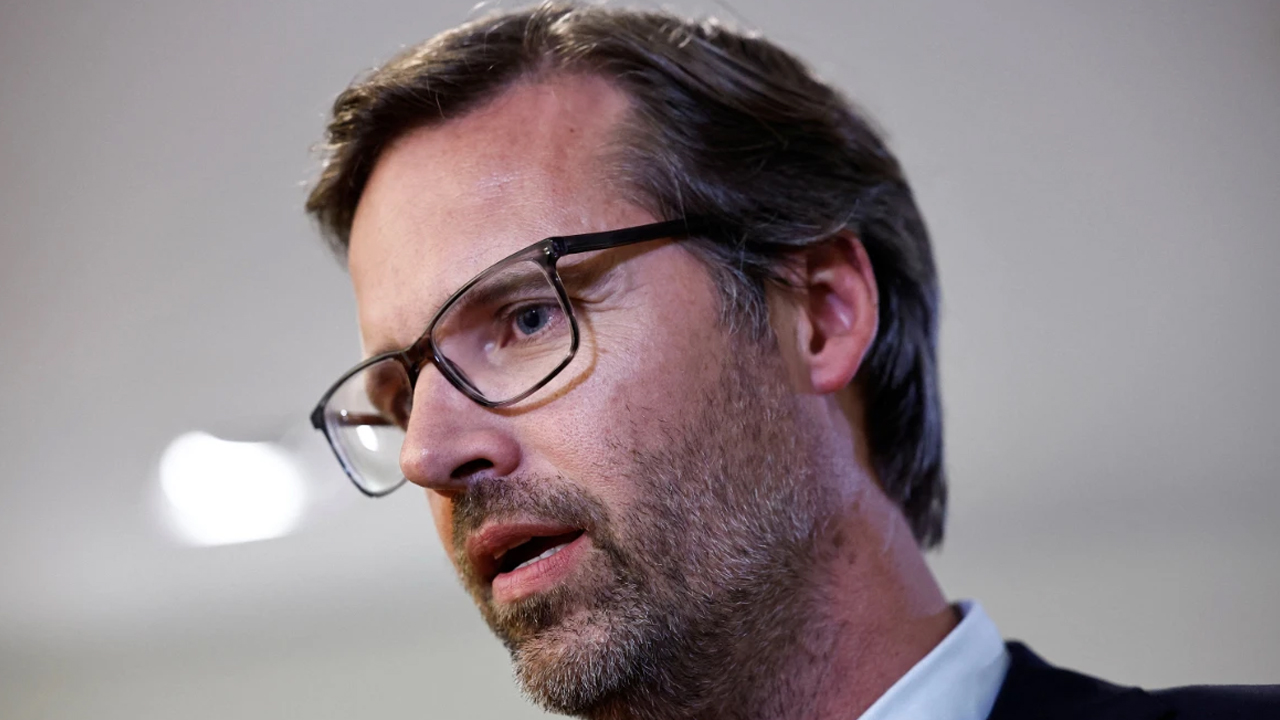
Darwin, September 25: The Netherlands is seeking to build an international coalition to evacuate at least 1,000 sick and injured children from Gaza for medical treatment,…

Darwin, September 25: Police arrested at least 100 people, including Oscar-winning actress Susan Sarandon, during a protest against Israeli Prime Minister Benjamin Netanyahu outside the…
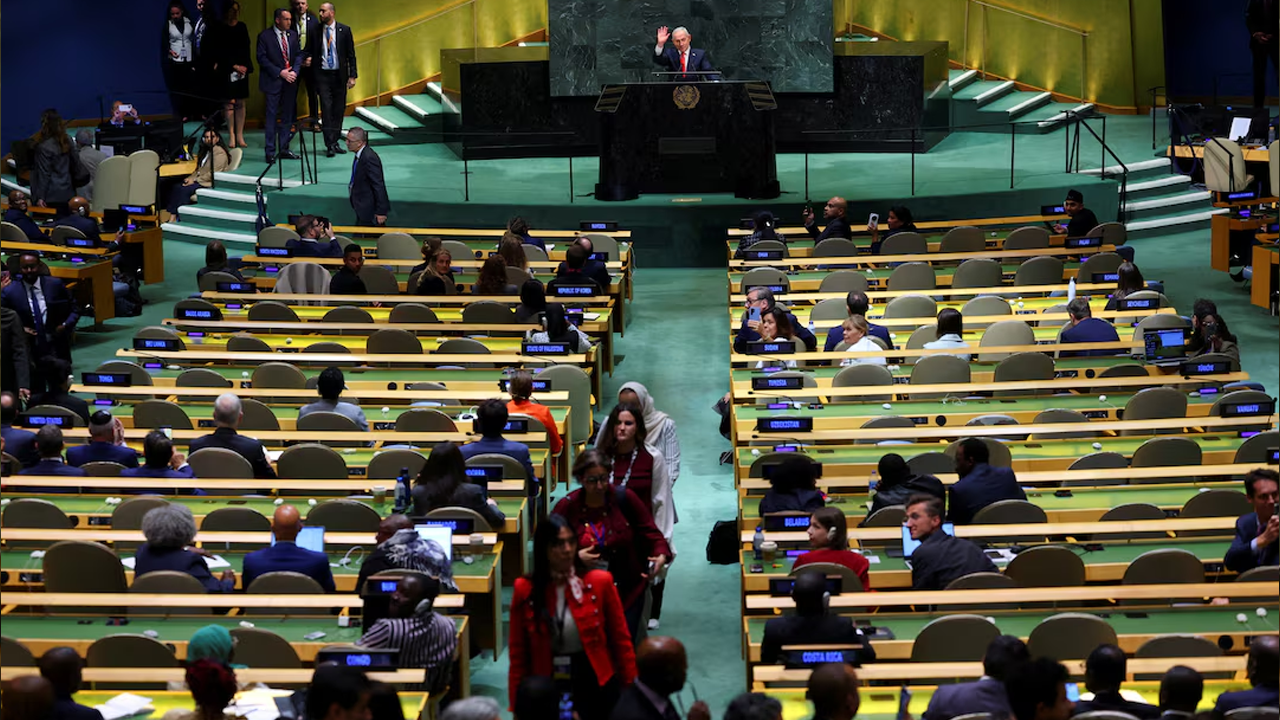
Darwin, September 25: Representatives from Bangladesh and 76 other countries walked out of the United Nations General Assembly hall as Israeli Prime Minister Benjamin Netanyahu…
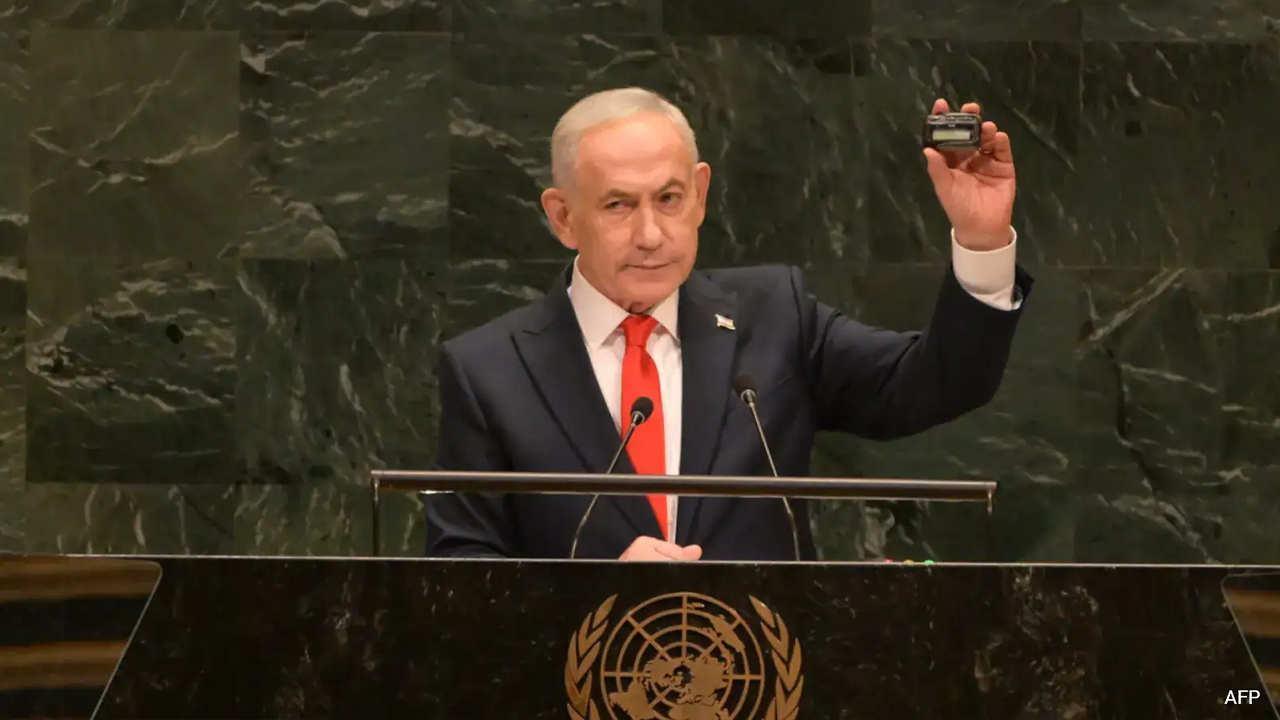
Darwin, September 25 : Israeli Prime Minister Benjamin Netanyahu brought a pager to the United Nations General Assembly while delivering a speech, using it to highlight…