G7 to Release Up to 100 Million Barrels of Oil From Reserves to Lower Prices
Darwin, October 3: Under pressure from US President Donald Trump to bring down rising fuel prices, G7 leaders are set to release up to 100…



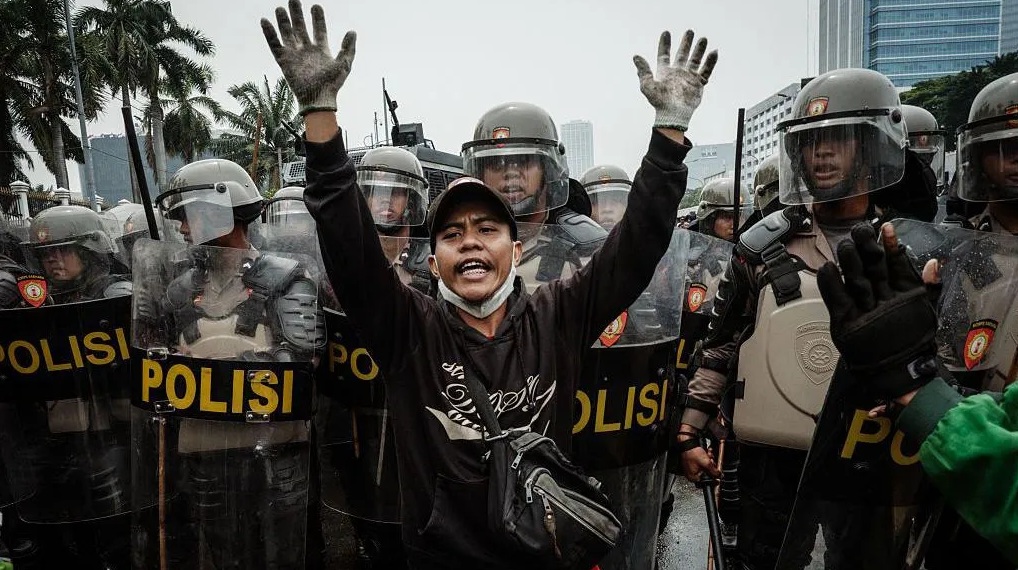
JAKARTA – Indonesia is facing a fresh wave of public outrage after its lawmakers quietly nearly doubled a key allowance just weeks after widespread protests forced the cancellation of a controversial housing perk.
The country’s parliamentarians will now receive 702 million rupiah ($42,400; £31,800) for their recess allowance—a massive increase from the previous 400 million rupiah. This new allocation, which began on October 3, is designed to support lawmakers’ official duties, such as meeting constituents, when the legislature is not in session.
The hike comes in the immediate aftermath of a tumultuous August, when thousands took to the streets across Indonesia to protest a proposed $3,000 monthly housing allowance for Members of Parliament (MPs)—an amount nearly ten times the minimum wage in Jakarta. That perk was ultimately cut in a bid to quell the public anger, which had expanded into wider protests against corruption and economic inequality in Southeast Asia’s largest economy.
The timing of the new, substantial allowance has been met with disbelief by parliamentary watchdogs.
“It’s like Indonesians have been pranked,” said Lucius Karus of Formappi, a non-profit organization that monitors the Indonesian parliament. “We were satisfied by the abolition of the housing allowance… but, in fact, another fantastic allowance has appeared.”
One social media user on X (formerly Twitter) summed up the growing public sentiment, writing: ”
behavior is not surprising. What is surprising is why the Indonesian people still want to choose them.”
Official Justification and Transparency Push
Indonesian lawmakers take approximately five recesses each year. Defending the increase, Deputy House Speaker Sufmi Dasco Ahmad told reporters that the hike was necessary to match the “increased activities by lawmakers” during their breaks and to account for the rising cost of food and transport.
In an apparent move to address public criticism over a lack of accountability, Dasco also announced that the House of Representatives would launch a publicly accessible app. Lawmakers will be required to use this application to report on their expenditure of the recess funds, allowing citizens to monitor their spending and ostensibly increase transparency.
The latest controversy underscores a deep-seated public frustration over what many perceive to be the lavish privileges and impunity of Indonesia’s political elite, often contrasting their salaries and perks with the economic hardship faced by ordinary citizens.

Darwin, October 3: Under pressure from US President Donald Trump to bring down rising fuel prices, G7 leaders are set to release up to 100…
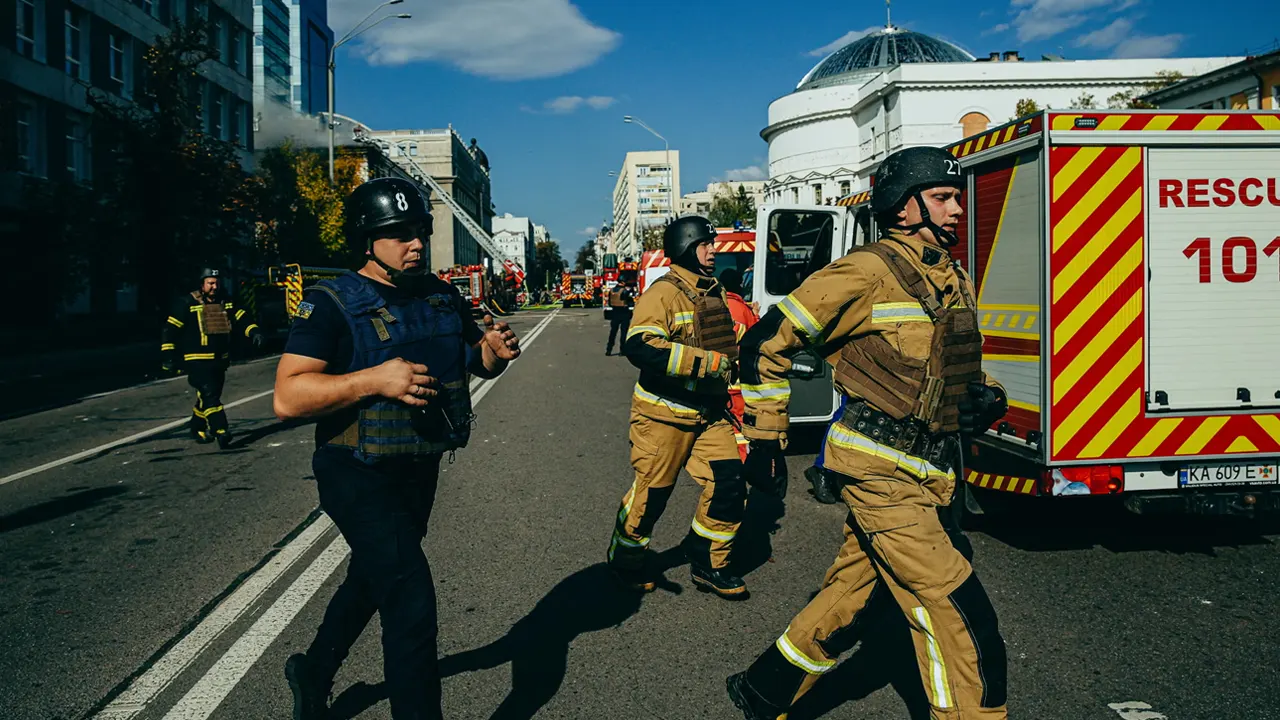
Darwin, October 3: Russia’s daily attacks are filling the lives of Kyiv residents with fear and uncertainty. From schools and hospitals to bridges, power plants…

Darwin, October 3: At least 80 fighters have been killed over the past 24 hours in fierce fighting between Iran-backed Houthi rebels and Saudi-backed government…

Darwin, October 3: As the Iran war enters its eighth month, the United States is sending a third aircraft carrier strike group to waters near…

Darwin, September 30 : The United States is preparing to withdraw its military forces from Iraq after more than two decades of war and the…

Darwin, September 30: Russia has urged Iran not to withdraw from the Treaty on the Non-Proliferation of Nuclear Weapons (NPT), calling on Tehran to remain…

Darwin, September 30: Russia currently lacks sufficient military capability to launch a major attack against NATO because its forces are engaged in the war in…

Four personnel of India’s Central Industrial Security Force (CISF), including an officer, were killed after a colleague allegedly opened fire on them at a hydropower…