US Forces to Leave Iraq After Two Decades and 4,500 Military Deaths
Darwin, September 30 : The United States is preparing to withdraw its military forces from Iraq after more than two decades of war and the…




Darwin, 25 October-
In an unprecedented move to tackle severe smog and hazardous air pollution, the government of India’s capital, New Delhi, has announced plans to induce artificial rainfall for the first time. The experimental measure aims to reduce harmful dust particles and pollution in the air through a process known as cloud seeding, where rainfall is triggered by dispersing certain substances into the clouds.
Delhi Chief Minister Rekha Gupta stated that, if weather conditions are favorable, the first artificial rain is scheduled to take place on October 29. The Meteorological Department has predicted cloudy skies over Delhi on October 28, 29, and 30. With support from the Indian Institute of Technology (IIT) Kanpur, a preliminary cloud seeding test has already been conducted in the city’s northern Burari area.
What is Cloud Seeding and Why is It Being Done?
Cloud seeding is a weather modification technique in which aircraft spray chemicals such as silver iodide, potassium iodide, or dry ice into clouds. These particles help water droplets cluster together, accelerating the formation of rain.
Home to around 30 million people, Delhi consistently ranks among the most polluted capitals in the world. Every winter, heavy smog blankets the city due to crop burning, industrial emissions, and vehicle exhaust. Experts say the concentration of PM2.5 particles often exceeds the World Health Organization’s safe limits by several times. Recently, air quality worsened further following the Diwali festival, when widespread firecracker use released additional pollutants into the air, intensifying the already dire situation.

Darwin, September 30 : The United States is preparing to withdraw its military forces from Iraq after more than two decades of war and the…
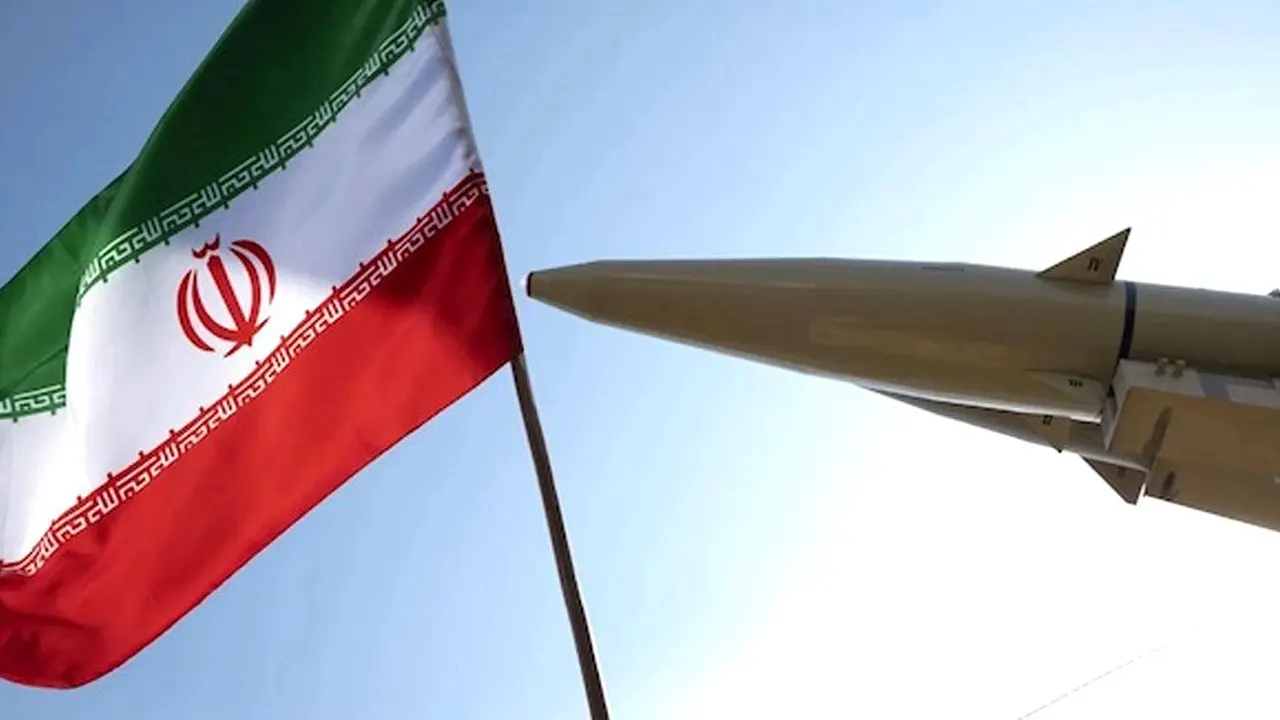
Darwin, September 30: Russia has urged Iran not to withdraw from the Treaty on the Non-Proliferation of Nuclear Weapons (NPT), calling on Tehran to remain…

Darwin, September 30: Russia currently lacks sufficient military capability to launch a major attack against NATO because its forces are engaged in the war in…
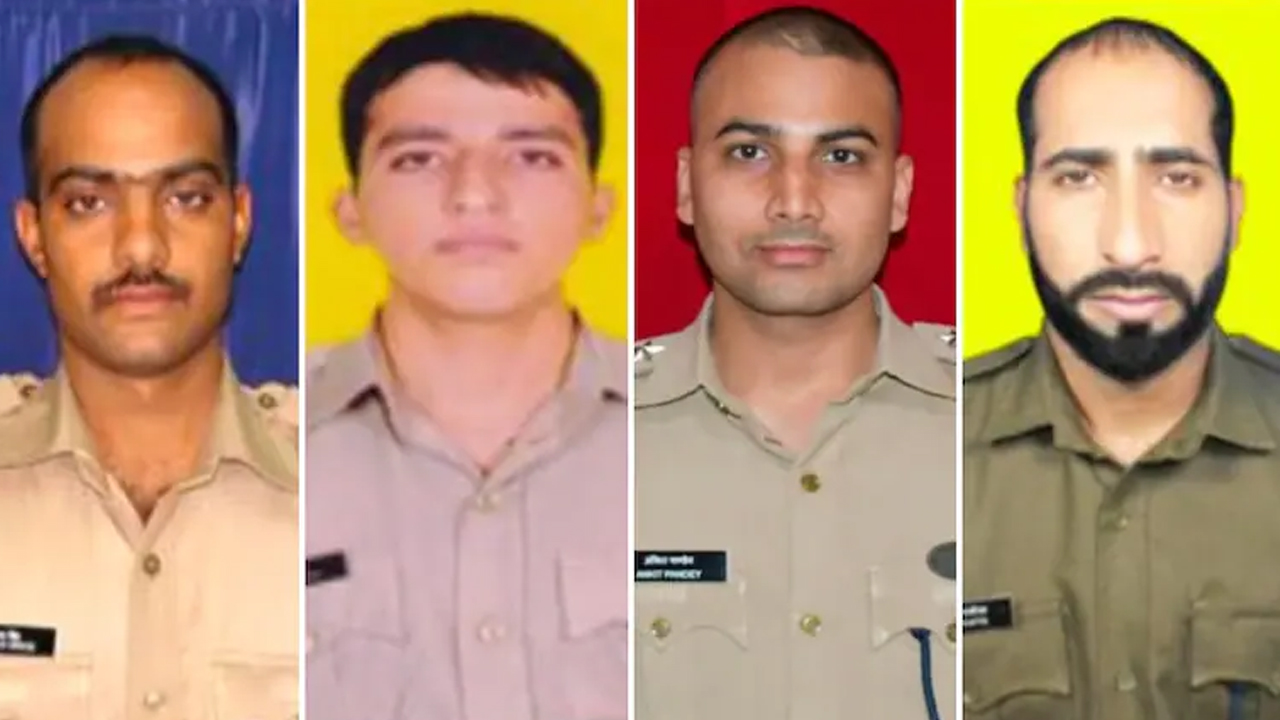
Four personnel of India’s Central Industrial Security Force (CISF), including an officer, were killed after a colleague allegedly opened fire on them at a hydropower…

Darwin, September 25: The Netherlands is seeking to build an international coalition to evacuate at least 1,000 sick and injured children from Gaza for medical treatment,…

Darwin, September 25: Police arrested at least 100 people, including Oscar-winning actress Susan Sarandon, during a protest against Israeli Prime Minister Benjamin Netanyahu outside the…
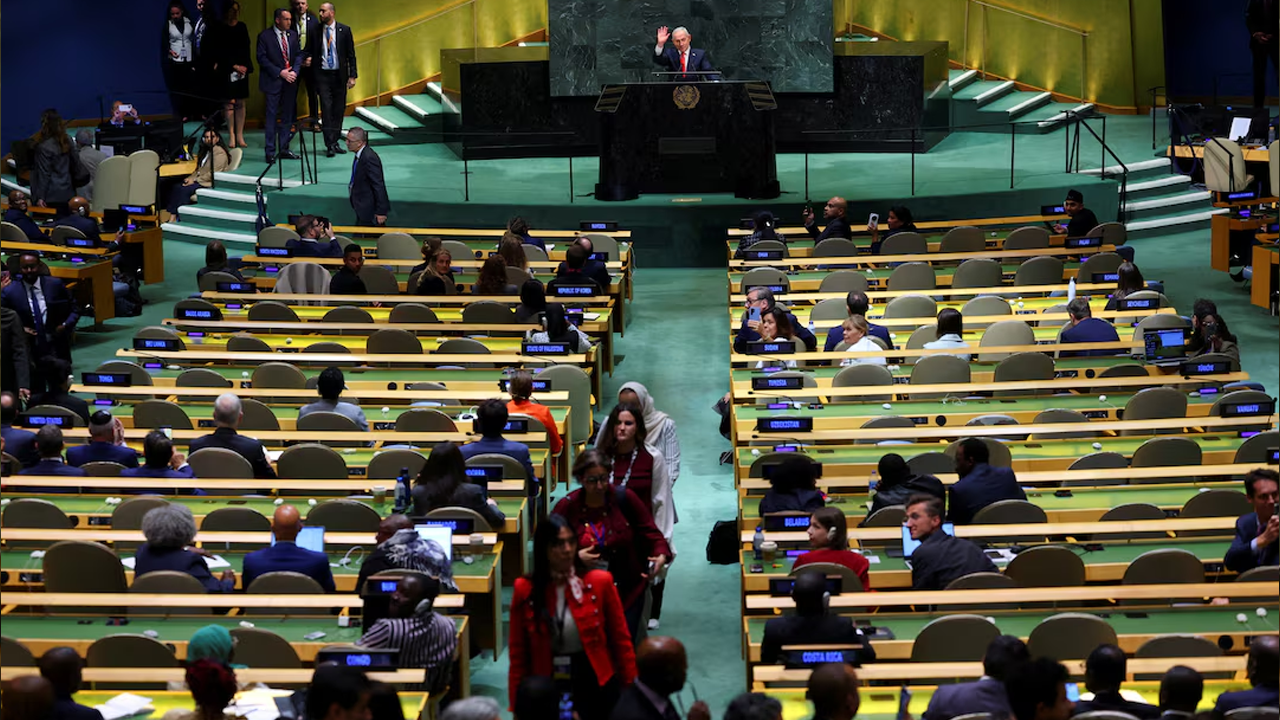
Darwin, September 25: Representatives from Bangladesh and 76 other countries walked out of the United Nations General Assembly hall as Israeli Prime Minister Benjamin Netanyahu…
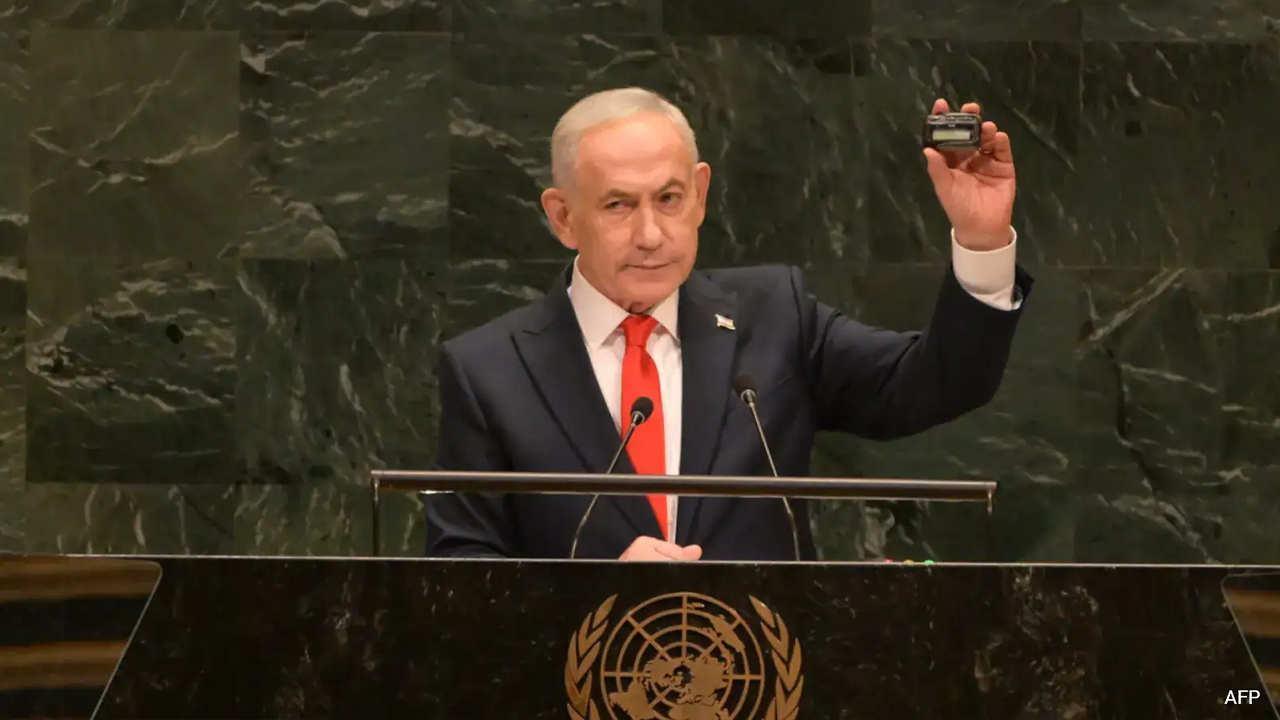
Darwin, September 25 : Israeli Prime Minister Benjamin Netanyahu brought a pager to the United Nations General Assembly while delivering a speech, using it to highlight…