US Forces to Leave Iraq After Two Decades and 4,500 Military Deaths
Darwin, September 30 : The United States is preparing to withdraw its military forces from Iraq after more than two decades of war and the…



Darwin, 29 October-
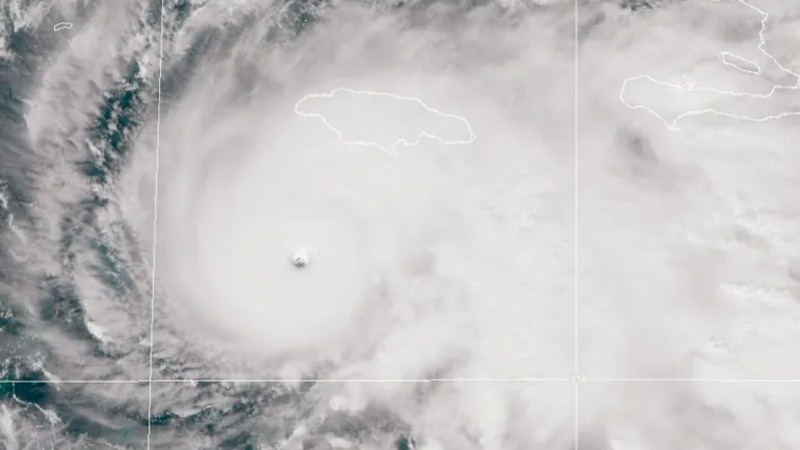
Category 5 destructive hurricane Melissa has struck Jamaica with winds of nearly 300 kilometers per hour (185 mph). It is one of the strongest hurricanes to ever hit the island in modern history.
According to AFP, citing analysis of weather data from the United States, Al Jazeera reported that this is the strongest tropical cyclone globally so far in 2025.
On Tuesday afternoon local time, the hurricane made landfall in the southwestern New Hope area, bringing heavy rain and strong winds that caused widespread devastation along the coast.
Roads and buildings near the hurricane’s center have been destroyed, countless trees have been uprooted, roofs torn off, and widespread power outages have occurred.
Multiple international media outlets have confirmed that the southwestern region of the island has experienced severe flooding. Landslides, fallen rocks, and uprooted trees have blocked many roads.
The government has warned that it will take time to assess the full extent of the damage.
Michael Brennan, director of the U.S. National Hurricane Center (NHC), said, “This is an extremely dangerous situation. Extensive destruction is expected at the center of Melissa, and entire buildings could collapse.”
He also noted that wind speeds could reach up to 200 mph (322 km/h) at Jamaica’s highest mountain peaks.
Mercy Corps advisor Colin Bogle, stationed near the capital Kingston, said, “There is unbearable noise and air pressure across the area. Everyone is terrified and trying to stay safe until the storm passes.”
He added that after a loud explosion was heard in Portmore, the entire area went dark.
Although the government has instructed people in high-risk areas to evacuate, many families are taking shelter in their homes.
Meanwhile, an unexpected danger has accompanied the storm—crocodiles floating in floodwaters.
The South East Regional Health Authority of Jamaica warned on Instagram, “Rising river, stream, and wetland waters may bring crocodiles into residential areas.”
Residents of Kingston, St. Andrew, St. Catherine, and St. Thomas have been advised to stay cautious, avoid floodwaters, and keep children and pets away from danger.
The NHC, in its latest advisory, has urged Jamaicans to remain in their safe shelters.
Latest reports indicate that Melissa is now gradually moving toward Cuba. The country’s Health Minister, Jose Angel Portal Miranda, has called on citizens to stay prepared via social media.
He wrote on X, “We are monitoring necessary operations to keep the healthcare system functional as we respond to the impending impact of Melissa on the eastern part of the country.”
Local media reported that parts of eastern Cuba are already experiencing intermittent rain.
According to the U.S. National Oceanic and Atmospheric Administration (NOAA), Hurricane Melissa is the strongest tropical cyclone globally this year, surpassing Typhoon Ragasak in September; Ragasak’s maximum wind speed was 267 km/h (166 mph).

Darwin, September 30 : The United States is preparing to withdraw its military forces from Iraq after more than two decades of war and the…

Darwin, September 30: Russia has urged Iran not to withdraw from the Treaty on the Non-Proliferation of Nuclear Weapons (NPT), calling on Tehran to remain…

Darwin, September 30: Russia currently lacks sufficient military capability to launch a major attack against NATO because its forces are engaged in the war in…

Four personnel of India’s Central Industrial Security Force (CISF), including an officer, were killed after a colleague allegedly opened fire on them at a hydropower…

Darwin, September 25: The Netherlands is seeking to build an international coalition to evacuate at least 1,000 sick and injured children from Gaza for medical treatment,…

Darwin, September 25: Police arrested at least 100 people, including Oscar-winning actress Susan Sarandon, during a protest against Israeli Prime Minister Benjamin Netanyahu outside the…
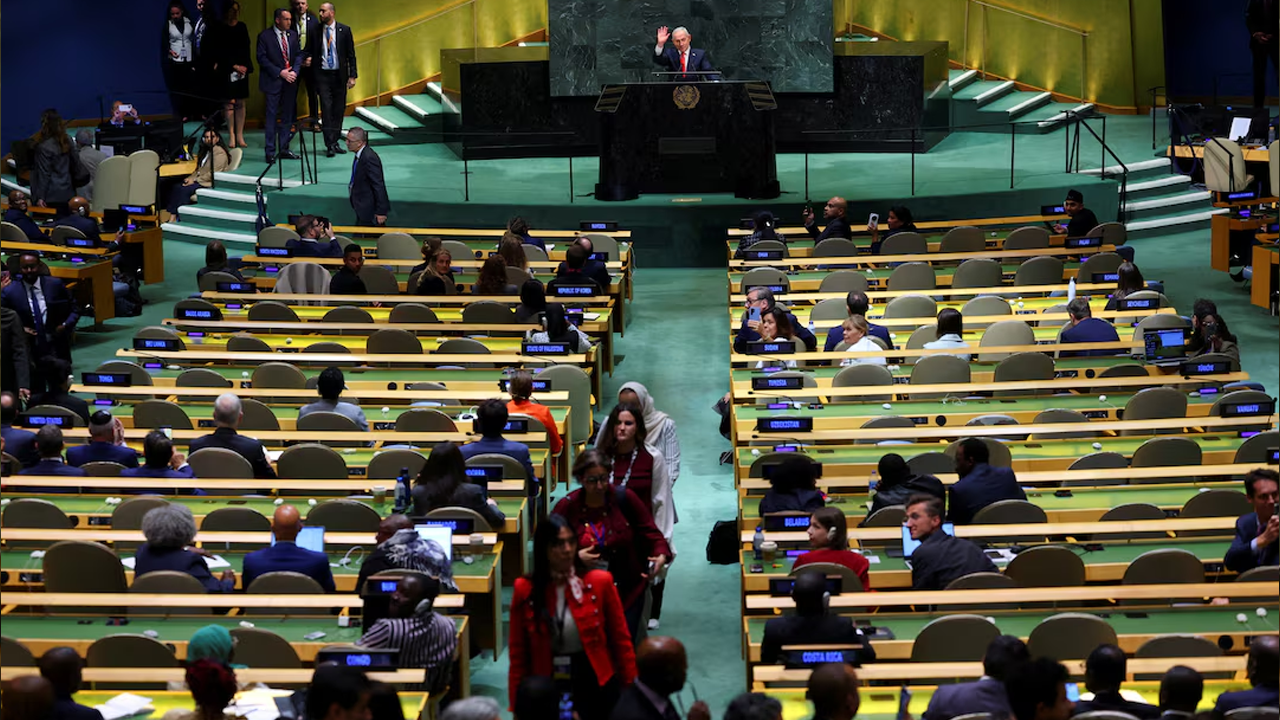
Darwin, September 25: Representatives from Bangladesh and 76 other countries walked out of the United Nations General Assembly hall as Israeli Prime Minister Benjamin Netanyahu…
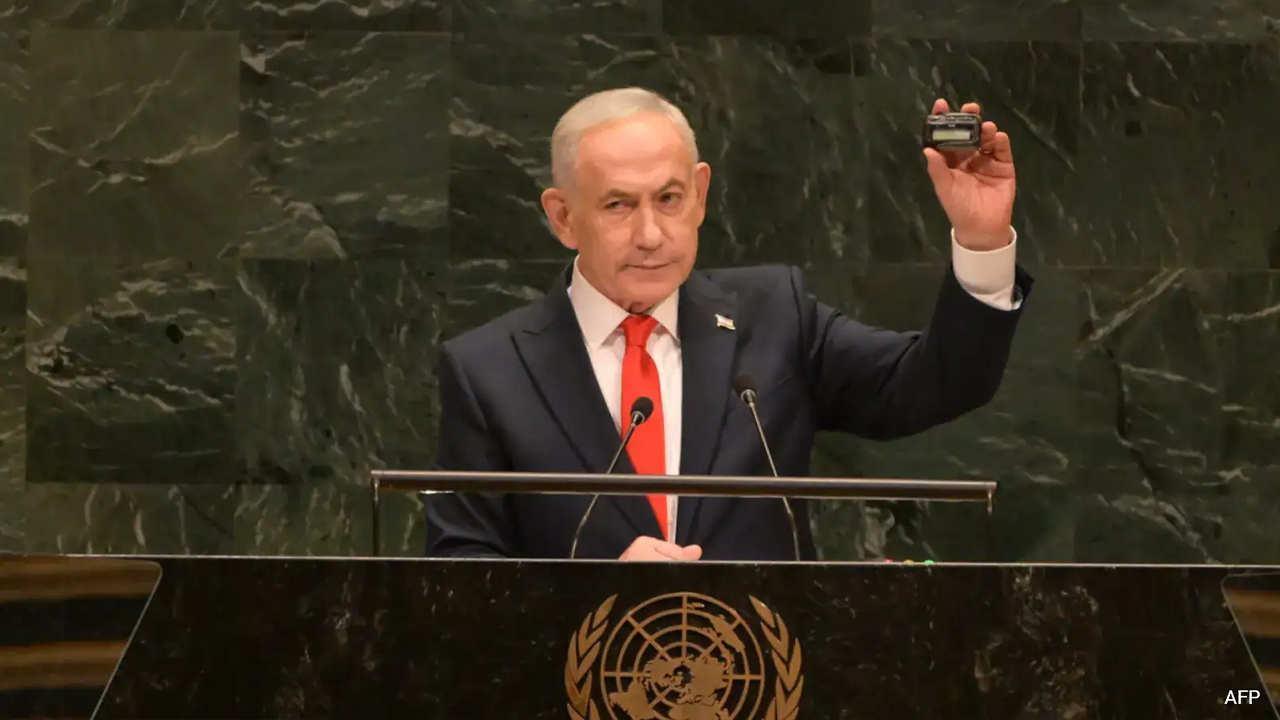
Darwin, September 25 : Israeli Prime Minister Benjamin Netanyahu brought a pager to the United Nations General Assembly while delivering a speech, using it to highlight…