Ten Injured After Car Ploughs Into Rugby League Fans in Australia
Darwin, October 04: Ten people, including three children, have been injured after a car crashed into a crowd of rugby league fans in Newcastle, eastern…



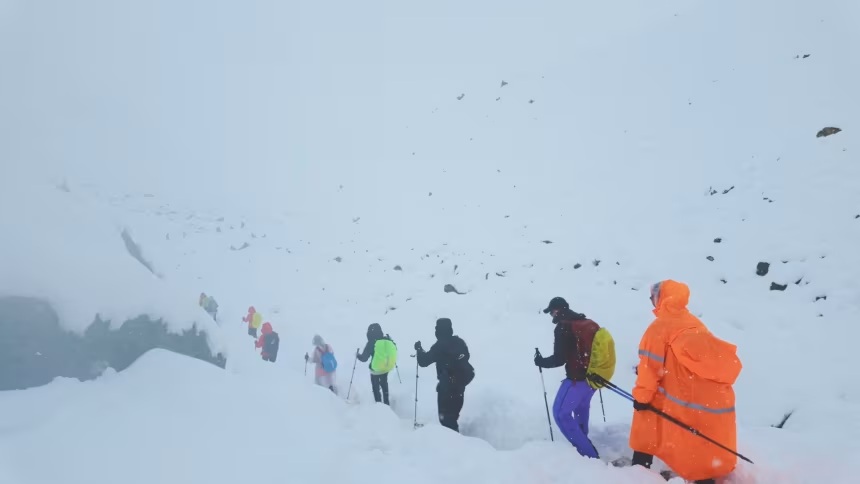
KATHMANDU, NEPAL – Both the Nepali and Chinese sides of the Mount Everest region were shut down to tourism on Wednesday due to heavy, unseasonable snowfall, which also led to a helicopter crash during a mission to rescue stranded trekkers.
The region, popular with thousands of climbers and hikers, has been blanketed in deep snow since Monday, the result of Cyclone Montha churning across India from the Bay of Bengal and bringing a second round of severe Himalayan snowfall this month.
In a dramatic incident near Everest Base Camp, a small private helicopter attempting to reach stranded trekkers near Lobuche crashed while trying to land in the deep snowdrifts.
Civil Aviation Authority of Nepal (CAAN) spokesperson Gyanendra Bhul confirmed the crash, stating the helicopter slipped on the snow. Video footage showed the aircraft lying on its side. Fortunately, the pilot survived and was later rescued. The status of the trekkers the pilot was attempting to reach remains unclear.
Nepali authorities have halted trekking on numerous high-altitude routes, urging hikers to avoid the Annapurna, Manaslu, and Dhaulagiri areas. Weather officials have forecast heavy rain and snow to continue through Thursday and Friday as Cyclone Montha, which roared into India’s Andhra Pradesh state, passes through the region.
On the Tibetan side of Everest, ticket sales were suspended Tuesday afternoon by the tourism department of Tingri county. Roads have become icy, and visibility has plunged, creating impassable conditions for all vehicular traffic. It is currently unknown if any tourists are trapped in the Everest region in Tibet.
The closure comes just weeks after a separate blizzard in early October stranded hundreds of trekkers near the eastern face of Everest in Tibet, requiring a multi-day rescue operation. Additionally, Nepal is grappling with the aftermath of recent heavy rains that triggered floods and landslides, resulting in over 50 deaths.
Temperatures in the region are expected to dip further below freezing this week, compounding the dangers for anyone remaining on the high trails.

Darwin, October 04: Ten people, including three children, have been injured after a car crashed into a crowd of rugby league fans in Newcastle, eastern…

Darwin, October 4: Australia’s central bank has raised interest rates to their highest level in 15 years, increasing mortgage repayments for millions of Australian households….

Darwin, October 3: Under pressure from US President Donald Trump to bring down rising fuel prices, G7 leaders are set to release up to 100…

Darwin, October 3: Russia’s daily attacks are filling the lives of Kyiv residents with fear and uncertainty. From schools and hospitals to bridges, power plants…
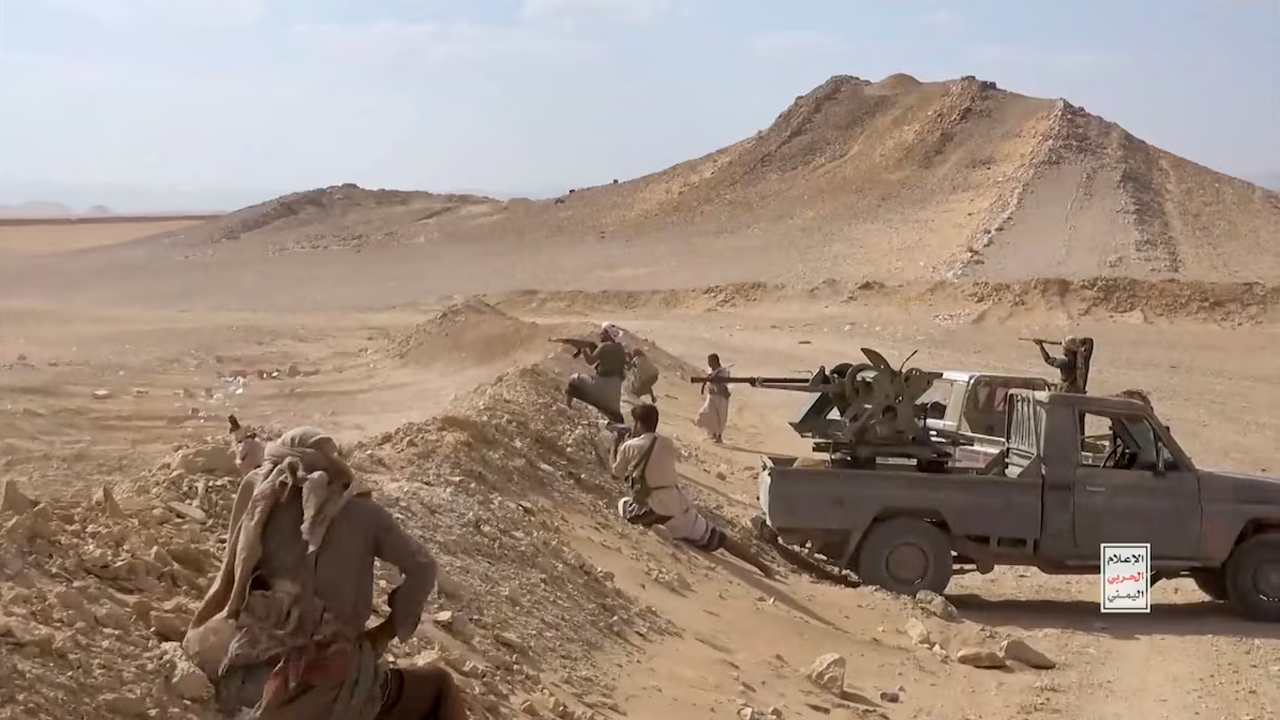
Darwin, October 3: At least 80 fighters have been killed over the past 24 hours in fierce fighting between Iran-backed Houthi rebels and Saudi-backed government…
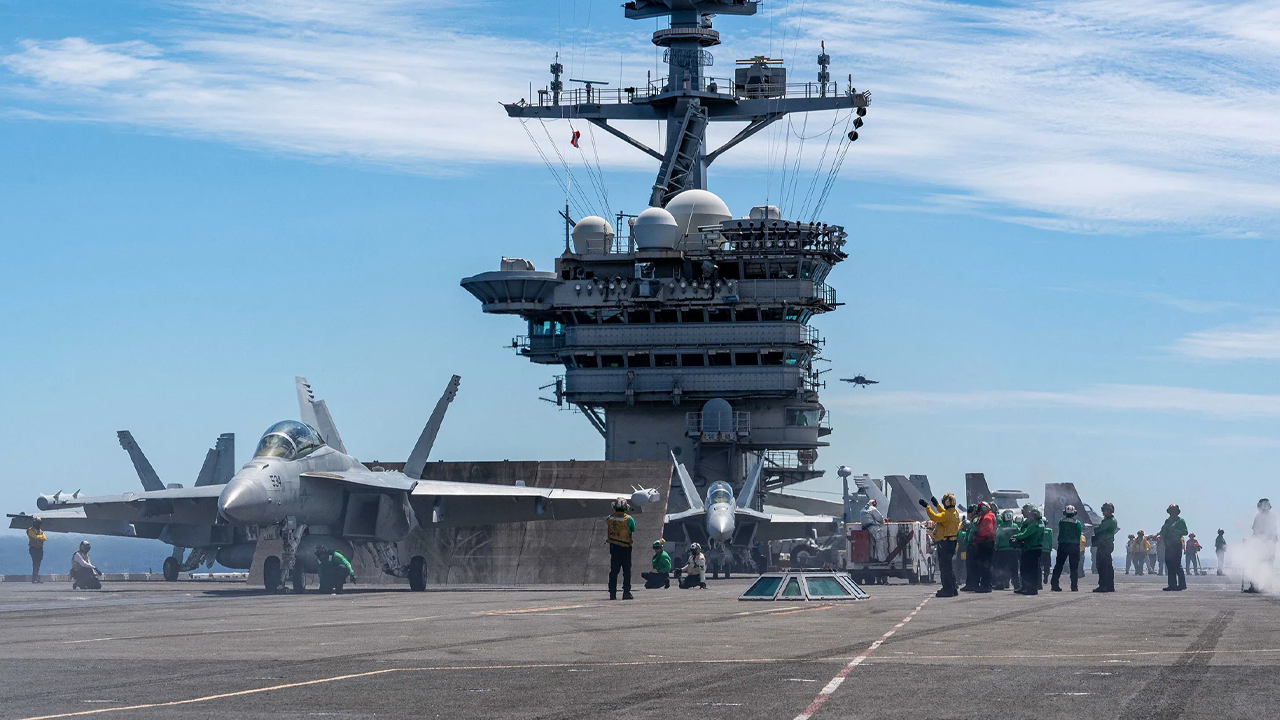
Darwin, October 3: As the Iran war enters its eighth month, the United States is sending a third aircraft carrier strike group to waters near…
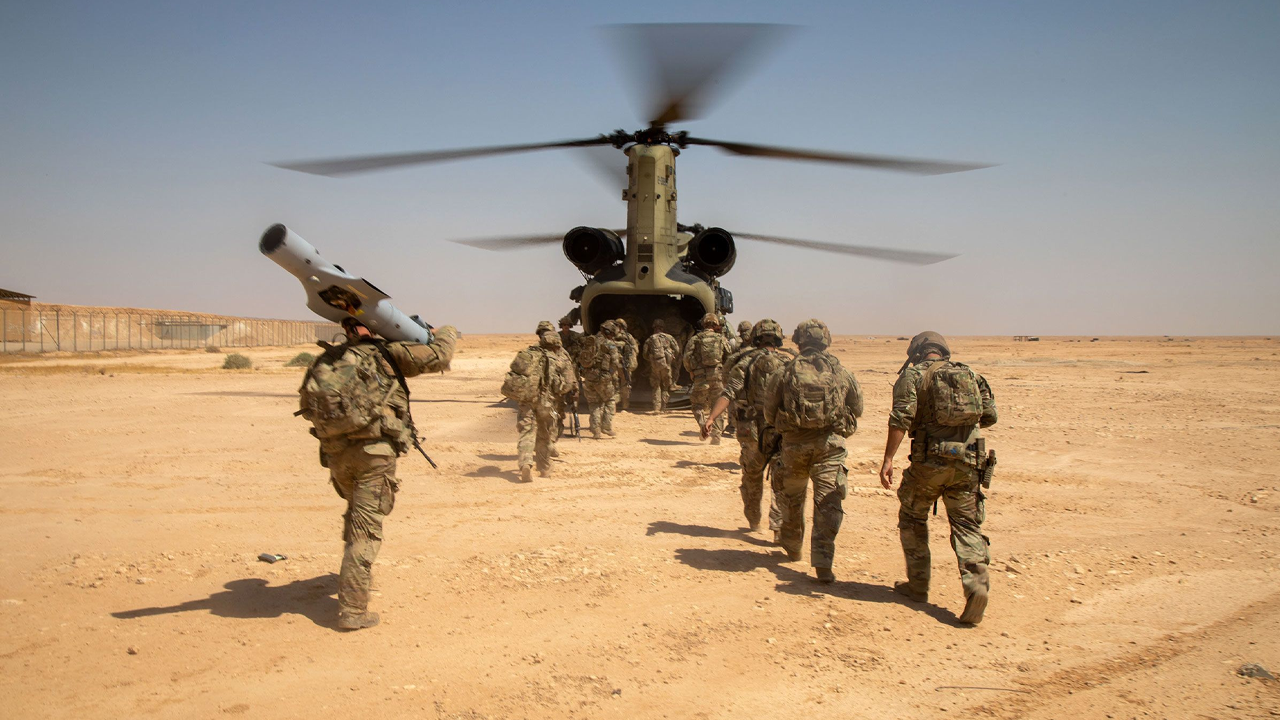
Darwin, September 30 : The United States is preparing to withdraw its military forces from Iraq after more than two decades of war and the…
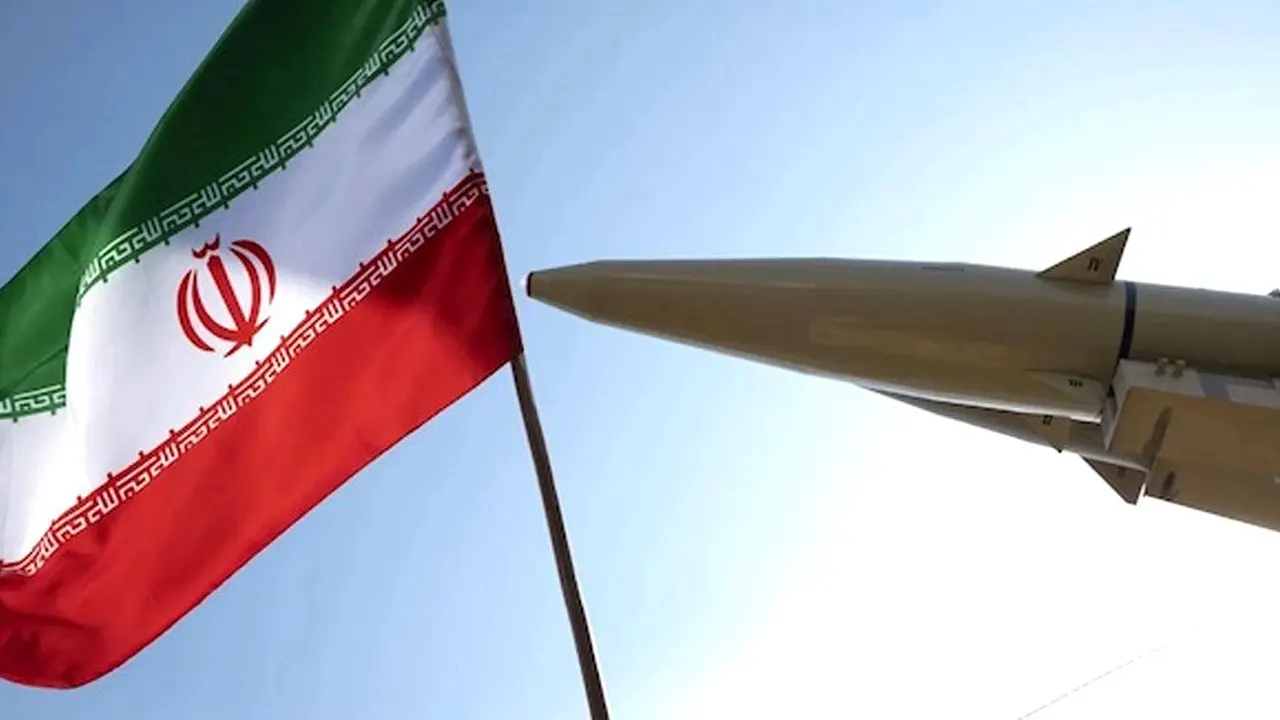
Darwin, September 30: Russia has urged Iran not to withdraw from the Treaty on the Non-Proliferation of Nuclear Weapons (NPT), calling on Tehran to remain…