G7 to Release Up to 100 Million Barrels of Oil From Reserves to Lower Prices
Darwin, October 3: Under pressure from US President Donald Trump to bring down rising fuel prices, G7 leaders are set to release up to 100…




WASHINGTON D.C. – The US government shutdown has entered its fifth week, pushing millions of Americans to the brink of a financial crisis as a political deadlock between Democrats and Republicans over a spending plan continues on Capitol Hill. The economic pain is now escalating from delayed paychecks to the loss of critical social lifelines.
Here is a breakdown of how the prolonged shutdown is immediately affecting everyday Americans:
The most urgent threat is to food assistance. The Supplemental Nutrition Assistance Program (SNAP), used by over 40 million Americans, is set to run out of federal funding on November 1st.
This marks the potential for the first lapse in the programme’s history, threatening a “critical lifeline that keeps families out of poverty,” according to Professor Hannah Garth of Princeton University.
New York Governor Kathy Hochul has already declared a state of emergency to prepare to help three million New Yorkers who risk losing aid.
Half of US states, plus the District of Columbia, have sued the Trump administration over the food aid freeze. The administration insists it will only use a contingency fund for natural disasters, blaming Democrats for the funding shortfall.
More than a million active-duty US military members are set to miss their paychecks this Friday unless the administration intervenes.
Financial Vulnerability: The situation is dire for military families, with up to 27% having $500 or less in emergency savings, and a quarter considered food insecure.
The White House is scrambling for solutions, planning to use money from military housing and defense procurement funds to cover the payroll on October 31st. Earlier, $6.5 billion was moved from military research.
Even a generous $130 million donation accepted by the Pentagon works out to only about $100 per service member.
As temperatures drop, thousands of low-income Americans face the risk of freezing this winter due to the shutdown freezing the Low Income Home Energy Assistance Program (Liheap).
Liheap, which helps approximately six million Americans pay utility bills, usually sends funds directly to utility companies in mid-November.
While some states bar utility companies from cutting off natural gas and electric service, those rules often do not apply to propane or heating oil. Experts warn that unless the government reopens, thousands could face deadly conditions.
An estimated 4.5 million federal civilian paychecks—worth about $21 billion—risk being withheld if the shutdown reaches December 1st. Many workers, including congressional aides, are missing a second or third paycheck.
Thousands of air traffic controllers, who are legally designated as essential workers, missed their first paychecks this week. Reports of controllers calling in sick and taking second jobs have increased. Transportation Secretary Sean Duffy has directly linked these absences to widespread flight delays, while warning controllers could face termination if they fail to show up for work.

Darwin, October 3: Under pressure from US President Donald Trump to bring down rising fuel prices, G7 leaders are set to release up to 100…

Darwin, October 3: Russia’s daily attacks are filling the lives of Kyiv residents with fear and uncertainty. From schools and hospitals to bridges, power plants…

Darwin, October 3: At least 80 fighters have been killed over the past 24 hours in fierce fighting between Iran-backed Houthi rebels and Saudi-backed government…

Darwin, October 3: As the Iran war enters its eighth month, the United States is sending a third aircraft carrier strike group to waters near…
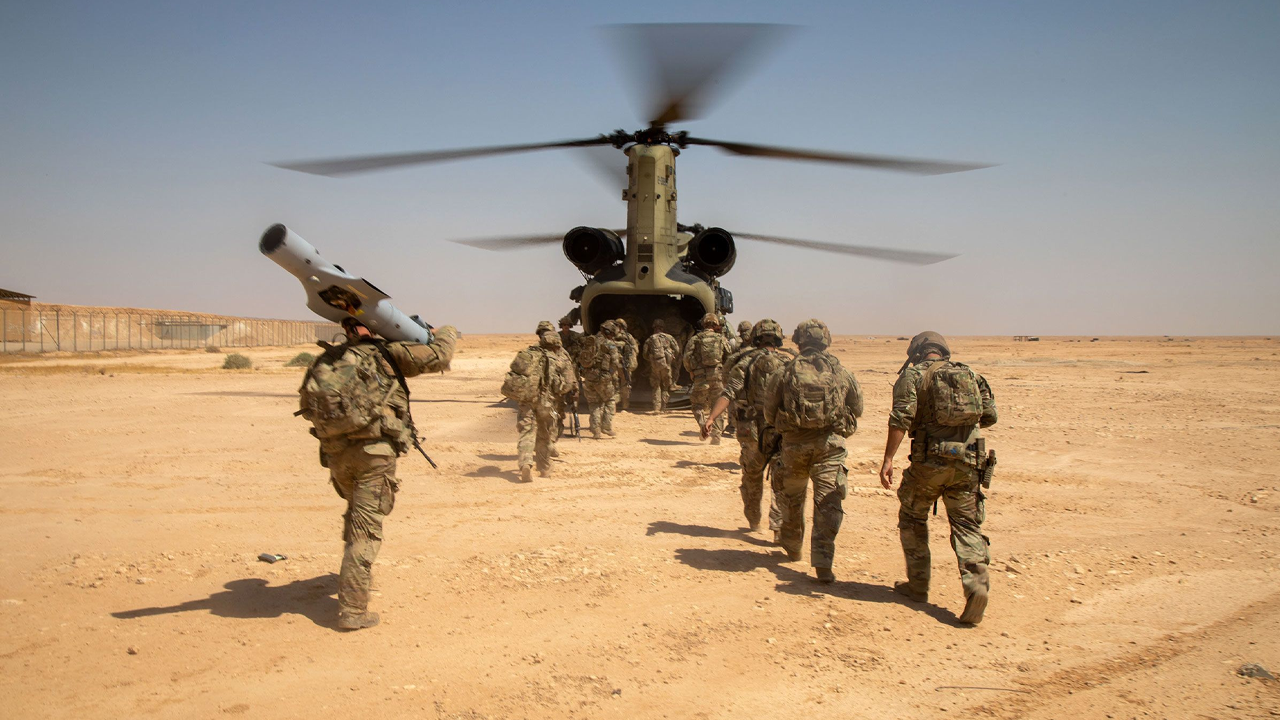
Darwin, September 30 : The United States is preparing to withdraw its military forces from Iraq after more than two decades of war and the…

Darwin, September 30: Russia has urged Iran not to withdraw from the Treaty on the Non-Proliferation of Nuclear Weapons (NPT), calling on Tehran to remain…

Darwin, September 30: Russia currently lacks sufficient military capability to launch a major attack against NATO because its forces are engaged in the war in…

Four personnel of India’s Central Industrial Security Force (CISF), including an officer, were killed after a colleague allegedly opened fire on them at a hydropower…