Ten Injured After Car Ploughs Into Rugby League Fans in Australia
Darwin, October 04: Ten people, including three children, have been injured after a car crashed into a crowd of rugby league fans in Newcastle, eastern…



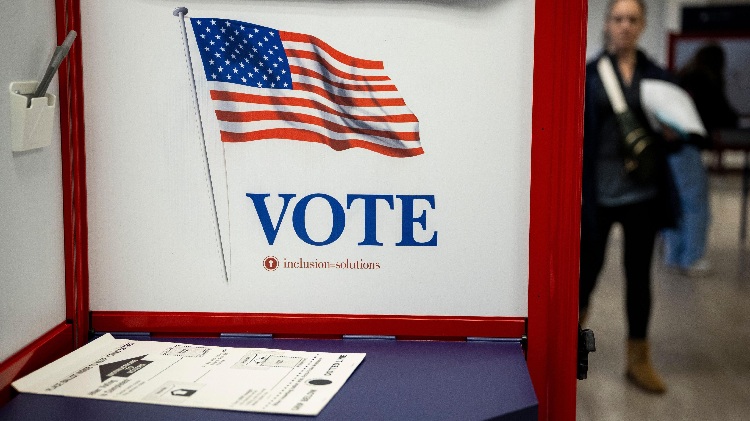
Polls are open across the US for a crucial set of “off-year” elections, with contests in New York, Virginia, and New Jersey setting the stage for next year’s congressional midterms. The votes tonight feature compelling ideological battles and the potential for historic political milestones.
All eyes are on the Big Apple where Zohran Mamdani, a 34-year-old Democratic Socialist, is attempting a major upset to become the city’s youngest mayor in over a century, and its first Muslim mayor.
Mamdani, whose campaign focused on cost-of-living issues like rent, groceries, and wages, heads into Election Day with a significant lead over his independent opponent, former Governor Andrew Cuomo.
Latest Polling: According to a RealClearPolitics average, Mamdani leads with 46.1% support, holding a 14.3-point advantage over Cuomo (31.8%).
The Trump Factor: The race was complicated by President Donald Trump’s late endorsement of Cuomo, with the President threatening to cut federal funding to New York if Mamdani—whom he falsely labeled a “communist”—wins. Cuomo, meanwhile, has hit Mamdani hard on public safety and experience.
The Virginia Governor’s race is a key bellwether for the national political mood. Regardless of the outcome, the state will elect its first female governor. Voters are choosing between Democrat Abigail Spanberger and Republican Winsome Earle-Sears, the current Lieutenant Governor.
Poll Margins: Democrat Spanberger holds a solid lead, polling at 51% to Earle-Sears’ 41%, according to the latest Roanoke College Poll.
Historic First: If Earle-Sears wins, she will make history as the first Black woman ever elected to lead a US state, a political milestone that would resonate nationally.
The outcome of this race, which often swings between parties, will be closely watched to gauge voter sentiment regarding the economic impact of federal policy and the successful use of cultural wedge issues, which Earle-Sears has highlighted.

Darwin, October 04: Ten people, including three children, have been injured after a car crashed into a crowd of rugby league fans in Newcastle, eastern…
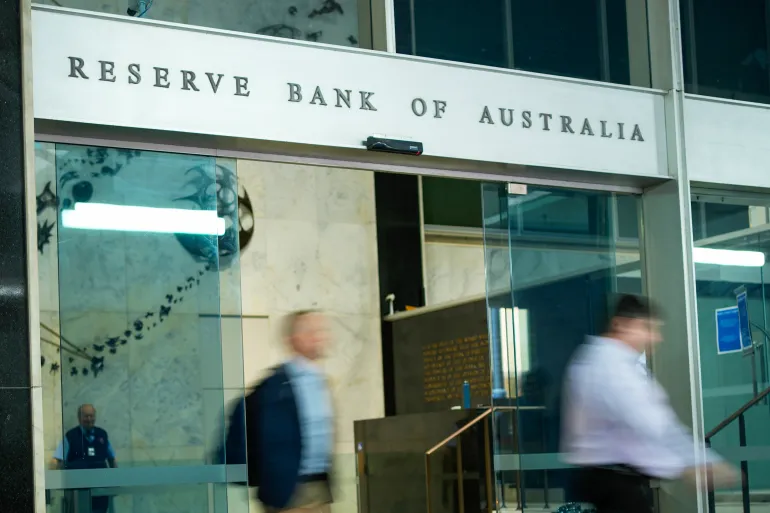
Darwin, October 4: Australia’s central bank has raised interest rates to their highest level in 15 years, increasing mortgage repayments for millions of Australian households….

Darwin, October 3: Under pressure from US President Donald Trump to bring down rising fuel prices, G7 leaders are set to release up to 100…

Darwin, October 3: Russia’s daily attacks are filling the lives of Kyiv residents with fear and uncertainty. From schools and hospitals to bridges, power plants…

Darwin, October 3: At least 80 fighters have been killed over the past 24 hours in fierce fighting between Iran-backed Houthi rebels and Saudi-backed government…

Darwin, October 3: As the Iran war enters its eighth month, the United States is sending a third aircraft carrier strike group to waters near…

Darwin, September 30 : The United States is preparing to withdraw its military forces from Iraq after more than two decades of war and the…

Darwin, September 30: Russia has urged Iran not to withdraw from the Treaty on the Non-Proliferation of Nuclear Weapons (NPT), calling on Tehran to remain…