Ten Injured After Car Ploughs Into Rugby League Fans in Australia
Darwin, October 04: Ten people, including three children, have been injured after a car crashed into a crowd of rugby league fans in Newcastle, eastern…



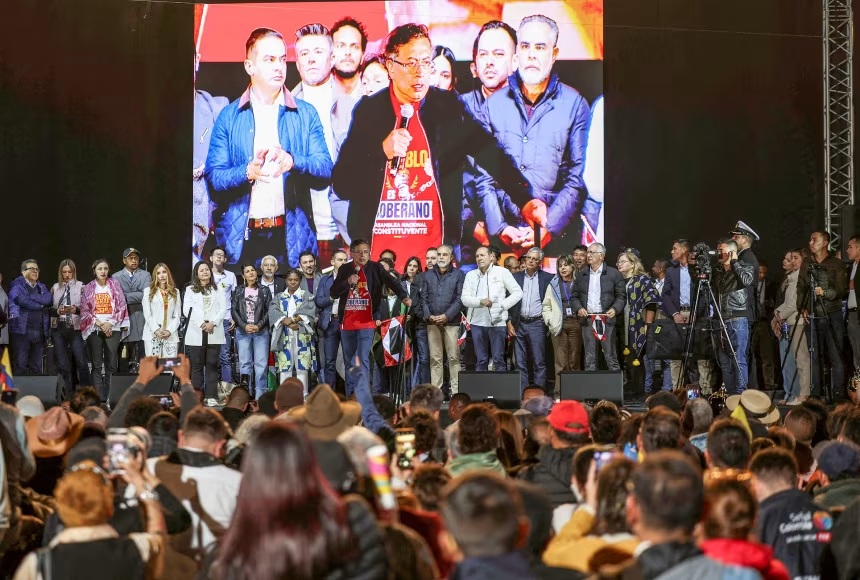
WASHINGTON D.C. – More than two weeks after President Donald Trump publicly declared he would halt “all payments” to Colombia, the bulk of US assistance continues uninterrupted. The pause in a comprehensive review of aid, and the subsequent targeting of President Gustavo Petro with sanctions, signals a strategic effort by key US officials to preserve a decades-long security partnership.
The canceled interagency meeting on Colombia’s aid left Secretary of State Marco Rubio as the most influential voice in shaping the policy. Rubio has worked to draw a clear distinction between penalizing the country’s leader—whom he called a “hostile foreign leader”—and preserving the robust, working-level relationship between the two nations.
While the Trump administration sanctioned President Petro and two family members for playing a “role in the global illicit drug trade,” Rubio and the State Department have been careful to protect the broader relationship.
Targeted Penalty: Rubio stated the targeting of Petro is “separate” from any effort to punish the joint efforts at the working level, which the US has invested in for decades.
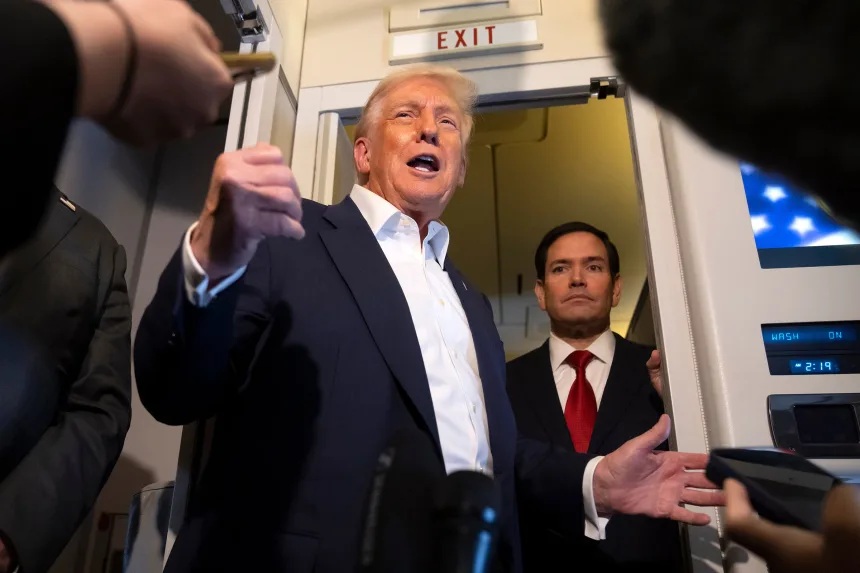
State Department Language: The official decertification of Colombia as a partner in combatting drug trafficking was paired with language that firmly supported the country’s institutions, citing “the failures and incompetence of Gustavo Petro and his inner circle.”
Continued Funding: Despite the destruction of the USAID budget earlier in Trump’s second term, the US has continued to provide approximately $210 million in assistance this fiscal year from the State and Defense departments, primarily for counternarcotics efforts.
The distinction is critical, experts warn, because the US-Colombia military partnership is one of the closest outside of NATO.
Intelligence Risk: Elizabeth Dickinson, Senior Analyst for Colombia at the International Crisis Group, stressed the deep integration of the two militaries. She warned that if intelligence sharing were cut, the US would be left “flying blind,” noting that “85% of all actionable intelligence” the US uses to interdict drugs in the Caribbean comes directly from Colombia.
Historical Precedent: Former US officials recall that cutting assistance to Colombia in 1997 failed to achieve its intended results and instead limited the US Department of Justice’s ability to prosecute cartels.
The current strategy, focused on waiting out Petro’s presidency (which ends in 2026) while maintaining institutional ties, reflects a cautious approach aimed at avoiding unintended consequences that could severely harm US counter-drug operations.
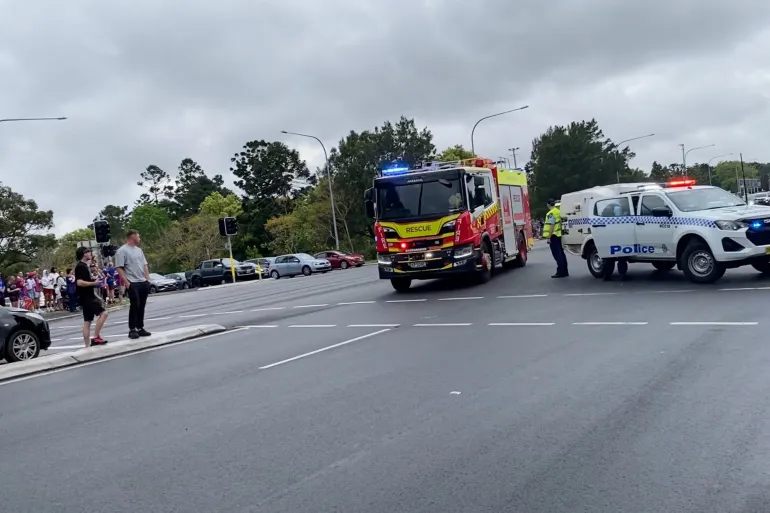
Darwin, October 04: Ten people, including three children, have been injured after a car crashed into a crowd of rugby league fans in Newcastle, eastern…
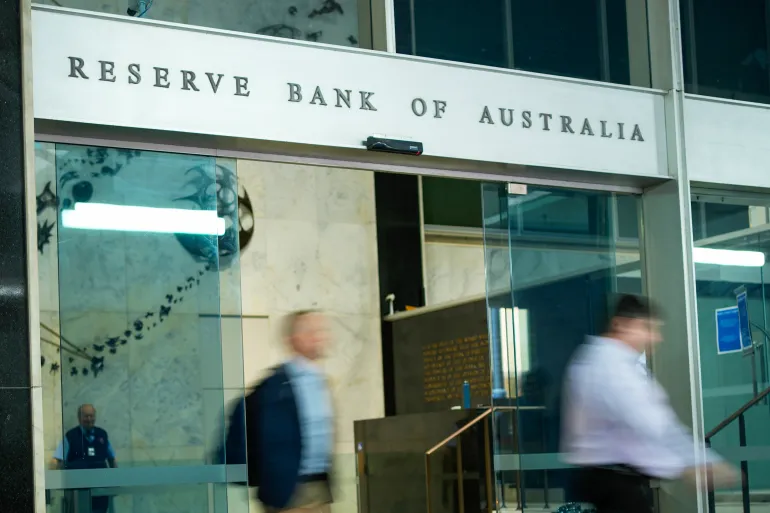
Darwin, October 4: Australia’s central bank has raised interest rates to their highest level in 15 years, increasing mortgage repayments for millions of Australian households….
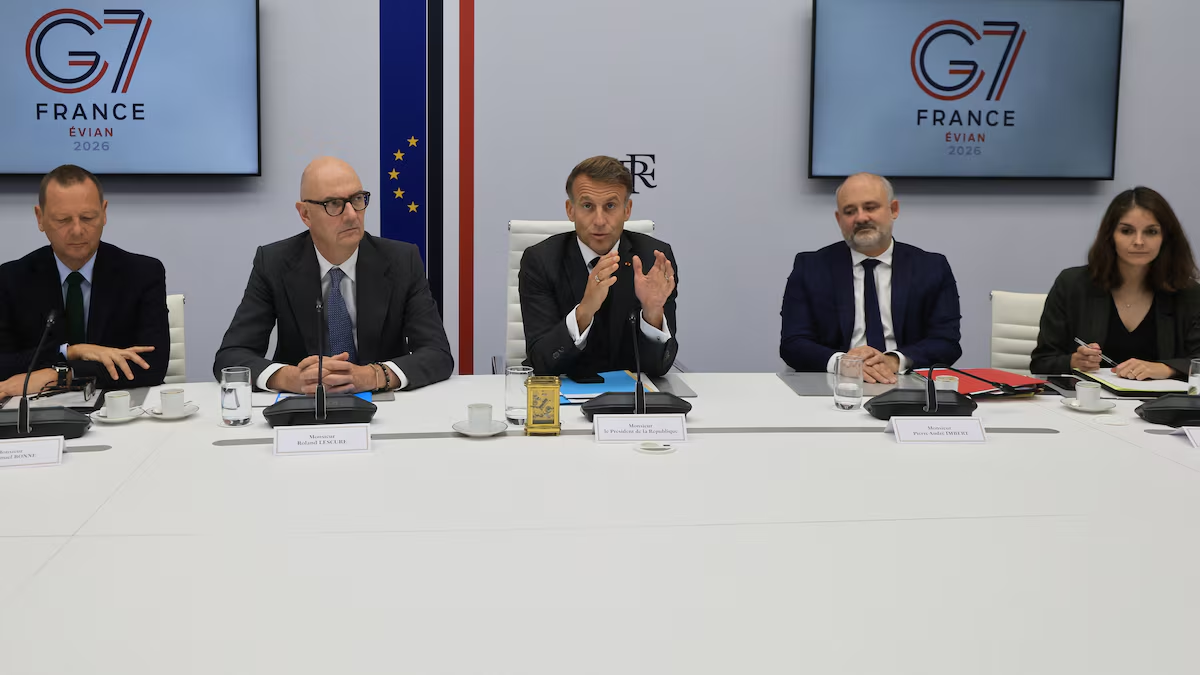
Darwin, October 3: Under pressure from US President Donald Trump to bring down rising fuel prices, G7 leaders are set to release up to 100…
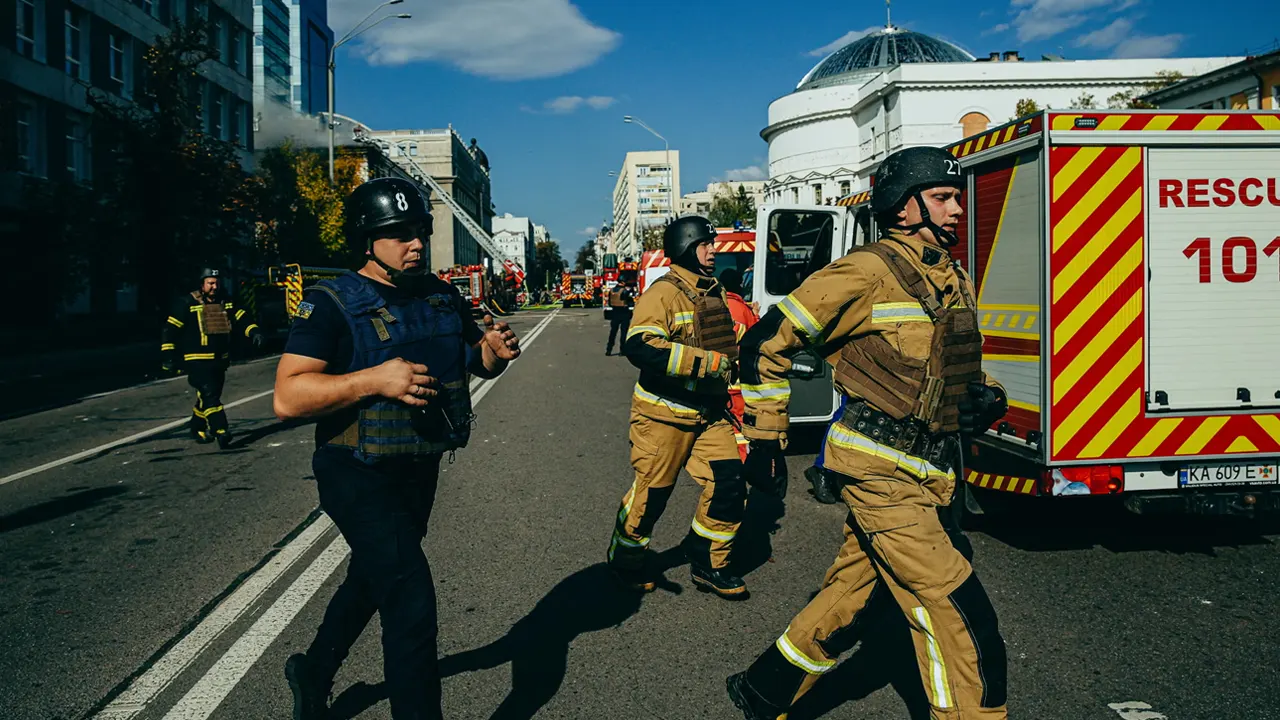
Darwin, October 3: Russia’s daily attacks are filling the lives of Kyiv residents with fear and uncertainty. From schools and hospitals to bridges, power plants…
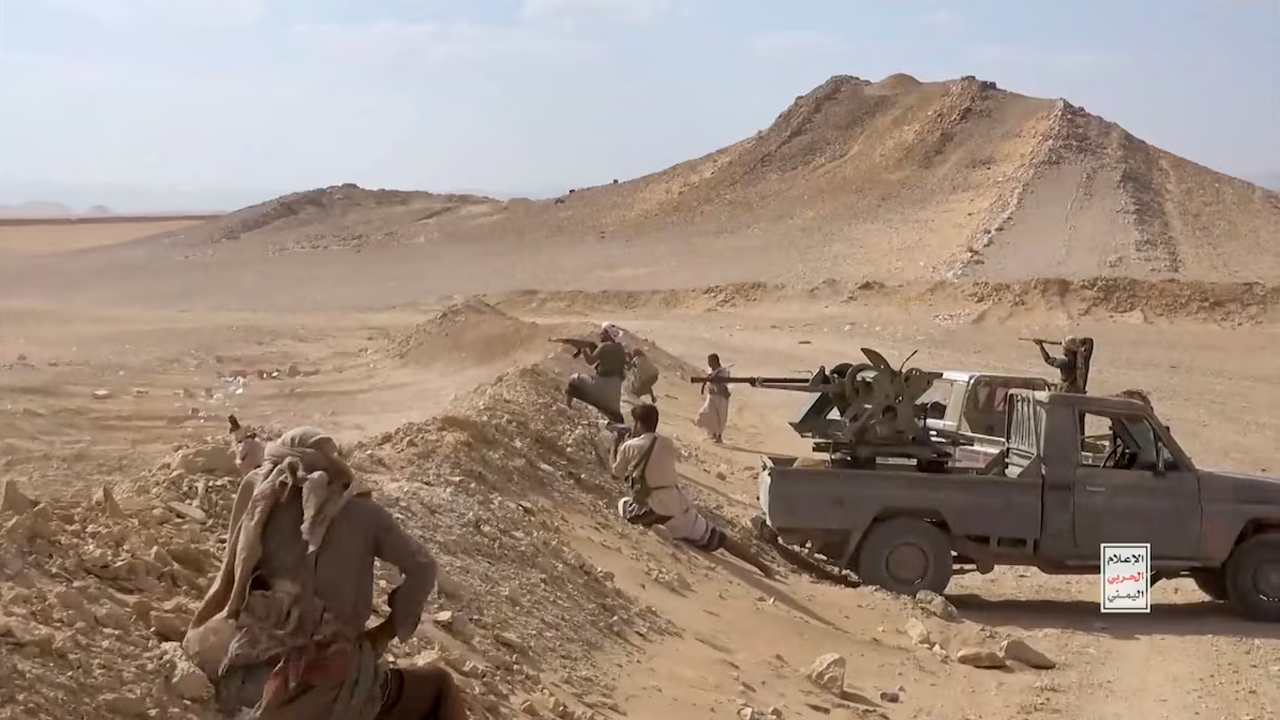
Darwin, October 3: At least 80 fighters have been killed over the past 24 hours in fierce fighting between Iran-backed Houthi rebels and Saudi-backed government…
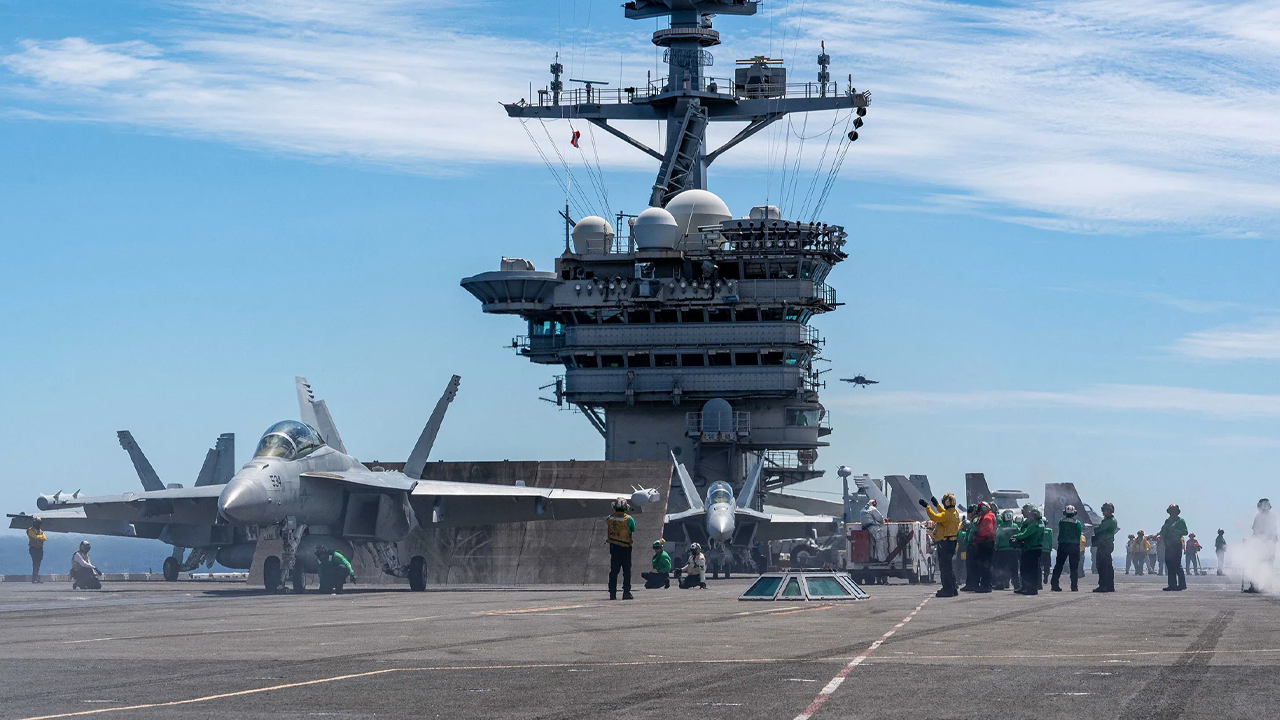
Darwin, October 3: As the Iran war enters its eighth month, the United States is sending a third aircraft carrier strike group to waters near…
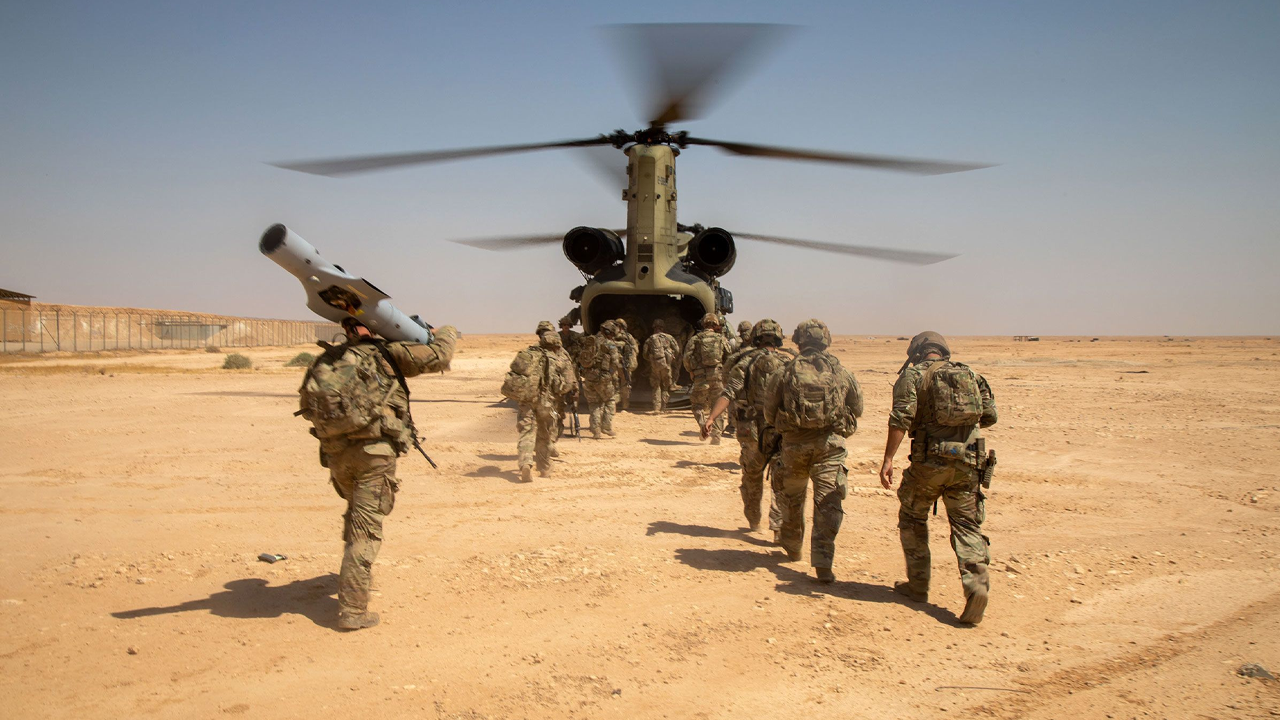
Darwin, September 30 : The United States is preparing to withdraw its military forces from Iraq after more than two decades of war and the…
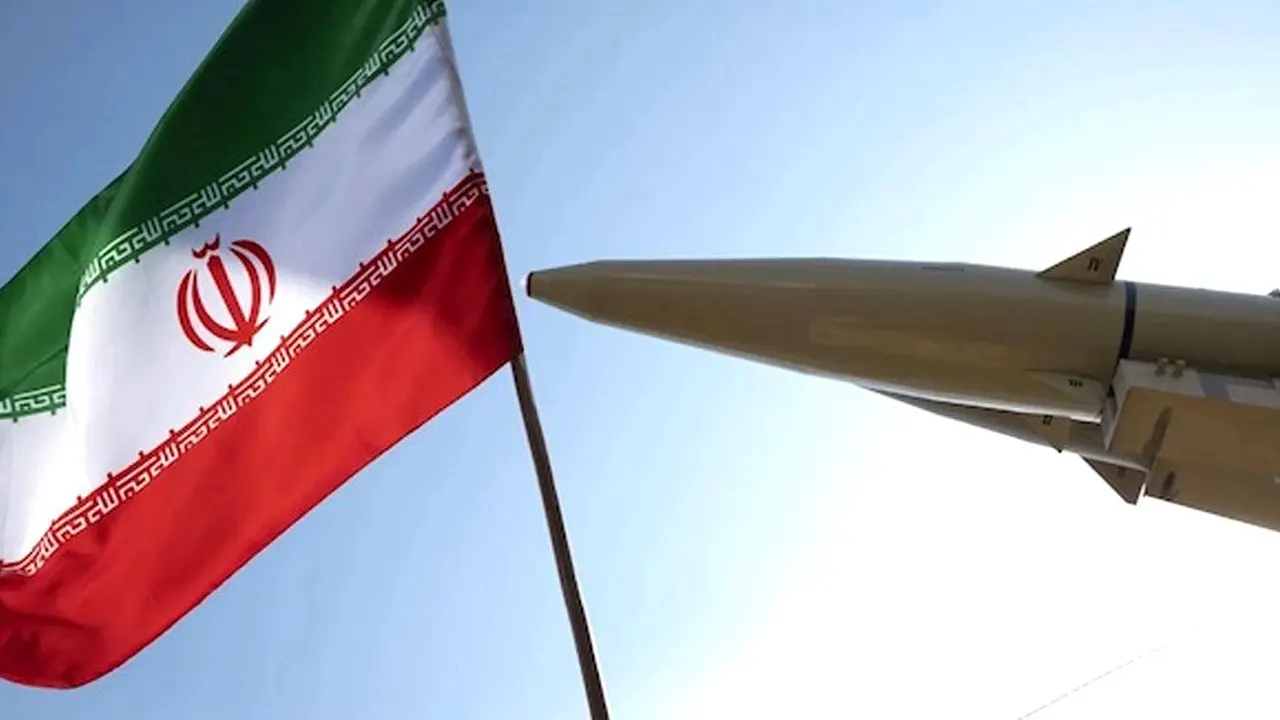
Darwin, September 30: Russia has urged Iran not to withdraw from the Treaty on the Non-Proliferation of Nuclear Weapons (NPT), calling on Tehran to remain…