Ten Injured After Car Ploughs Into Rugby League Fans in Australia
Darwin, October 04: Ten people, including three children, have been injured after a car crashed into a crowd of rugby league fans in Newcastle, eastern…



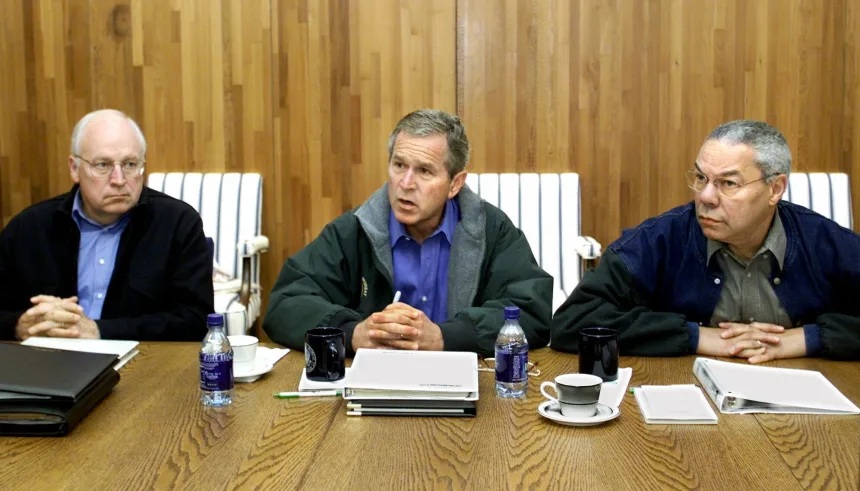
WASHINGTON D.C. – Dick Cheney, the 46th Vice President of the United States and the chief architect of the nation’s post-9/11 “War on Terror,” has died at age 84, his family confirmed Tuesday. He died from complications of pneumonia and cardiovascular disease, having lived 13 years after receiving a heart transplant.
Cheney served two terms alongside President George W. Bush (2001-2009) and was widely regarded as the most powerful and polarizing vice president in modern American history, leveraging his deep experience in Washington to wield immense influence from behind the scenes.
Cheney’s political identity was fundamentally reshaped by the attacks of September 11, 2001. From a bunker deep below the White House that day, he went into crisis mode, determined to enforce US power and pursue a doctrine of pre-emptive war.
Iraq War: Cheney’s aggressive warnings about Saddam Hussein’s supposed weapons of mass destruction and alleged ties to al Qaeda were instrumental in laying the groundwork for the 2003 US invasion of Iraq. Post-war inquiries later showed that he and other administration officials exaggerated or misrepresented faulty intelligence about weapons that Iraq did not possess.
Controversial Practices: The War on Terror also saw Cheney become the outspoken champion of controversial legal and moral practices, including the use of “enhanced interrogations” (which critics branded as torture) and the indefinite detention of suspects at Guantanamo Bay, Cuba.
To the end of his life, Cheney maintained he had no regrets about his decisions, stating in 2015 of the Iraq War: “It was the right thing to do then. I believed it then and I believe it now.”
Cheney’s long career saw him serve in four Republican administrations, rising from a college dropout and White House chief of staff under Gerald Ford to Defense Secretary under George H.W. Bush, where he skillfully directed Operation Desert Storm.
He was selected as George W. Bush’s running mate in 2000 precisely because he brought a wealth of Washington knowledge and foreign policy gravitas that the inexperienced Texas Governor lacked. He left office in 2009 with a low approval rating of 31% but was hailed by Bush as a “decent, honorable man” and a “patriot.”

Darwin, October 04: Ten people, including three children, have been injured after a car crashed into a crowd of rugby league fans in Newcastle, eastern…

Darwin, October 4: Australia’s central bank has raised interest rates to their highest level in 15 years, increasing mortgage repayments for millions of Australian households….

Darwin, October 3: Under pressure from US President Donald Trump to bring down rising fuel prices, G7 leaders are set to release up to 100…
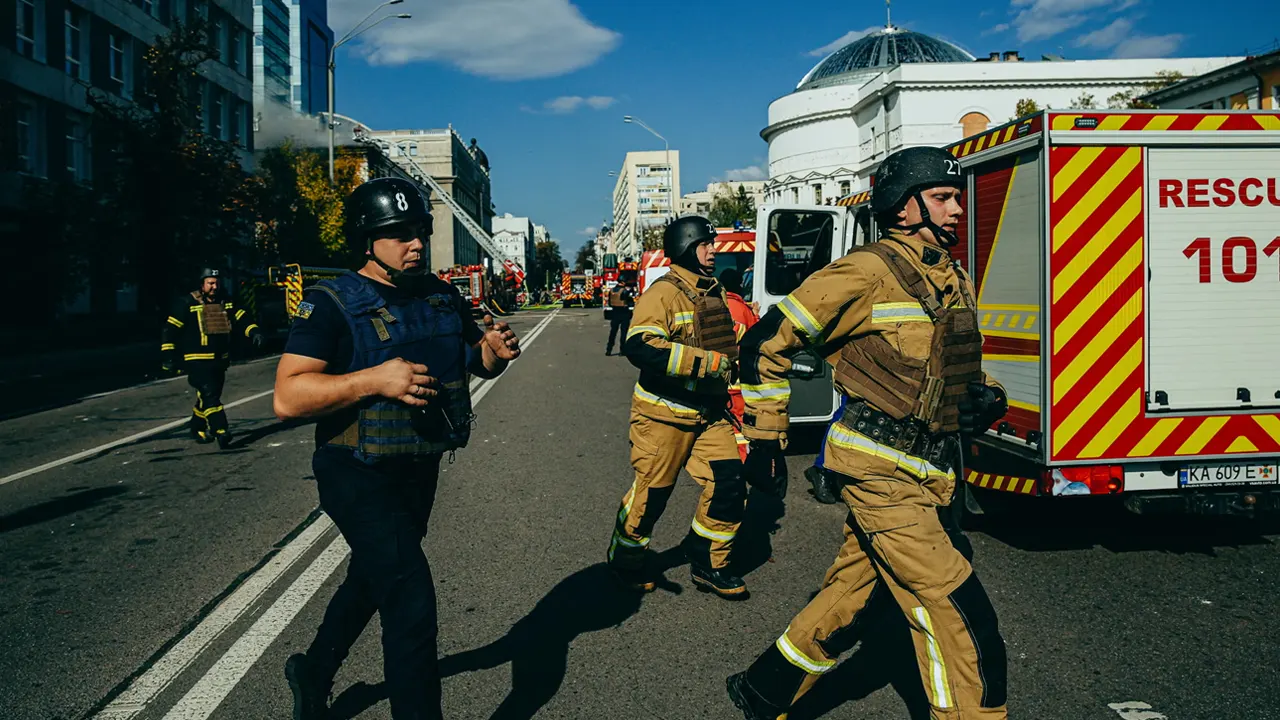
Darwin, October 3: Russia’s daily attacks are filling the lives of Kyiv residents with fear and uncertainty. From schools and hospitals to bridges, power plants…
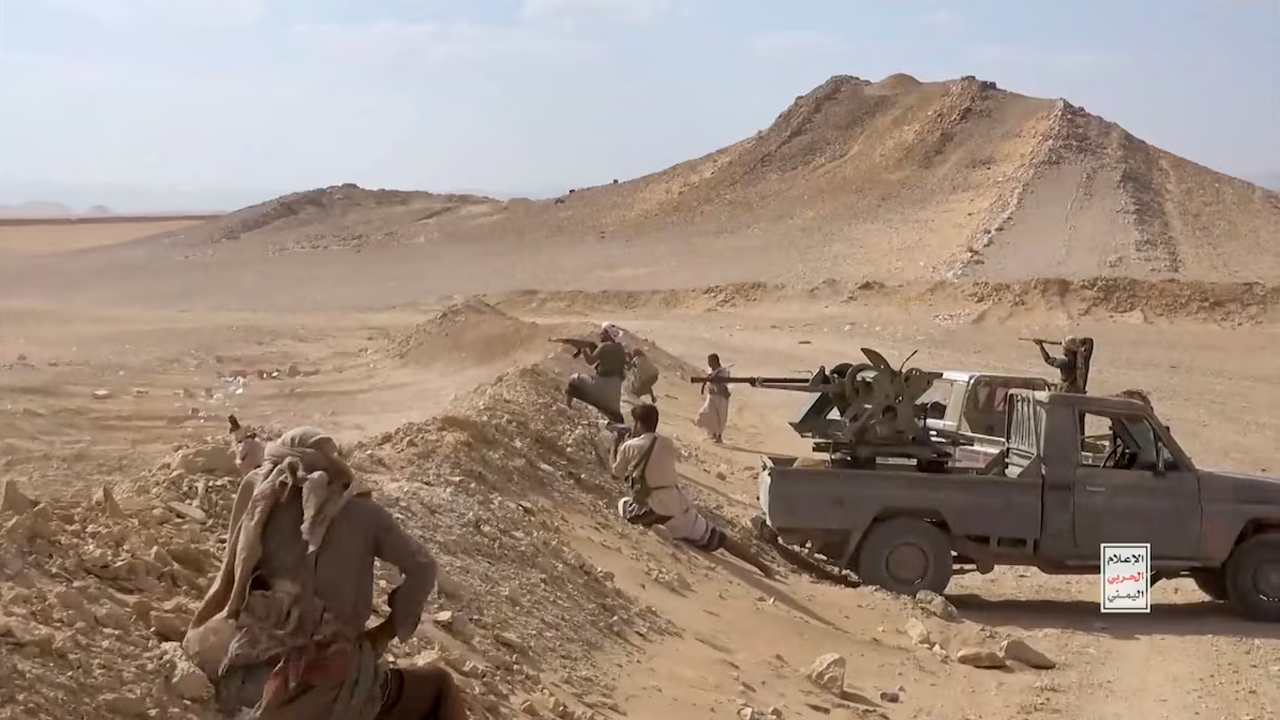
Darwin, October 3: At least 80 fighters have been killed over the past 24 hours in fierce fighting between Iran-backed Houthi rebels and Saudi-backed government…
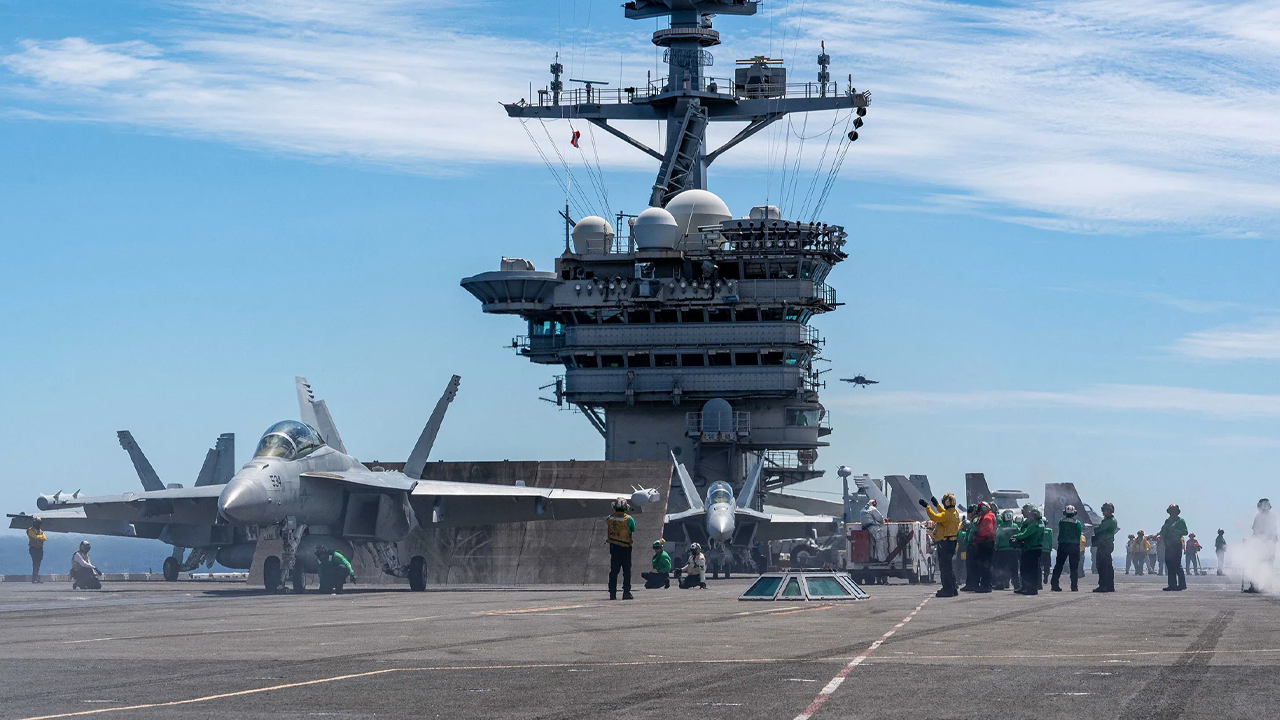
Darwin, October 3: As the Iran war enters its eighth month, the United States is sending a third aircraft carrier strike group to waters near…
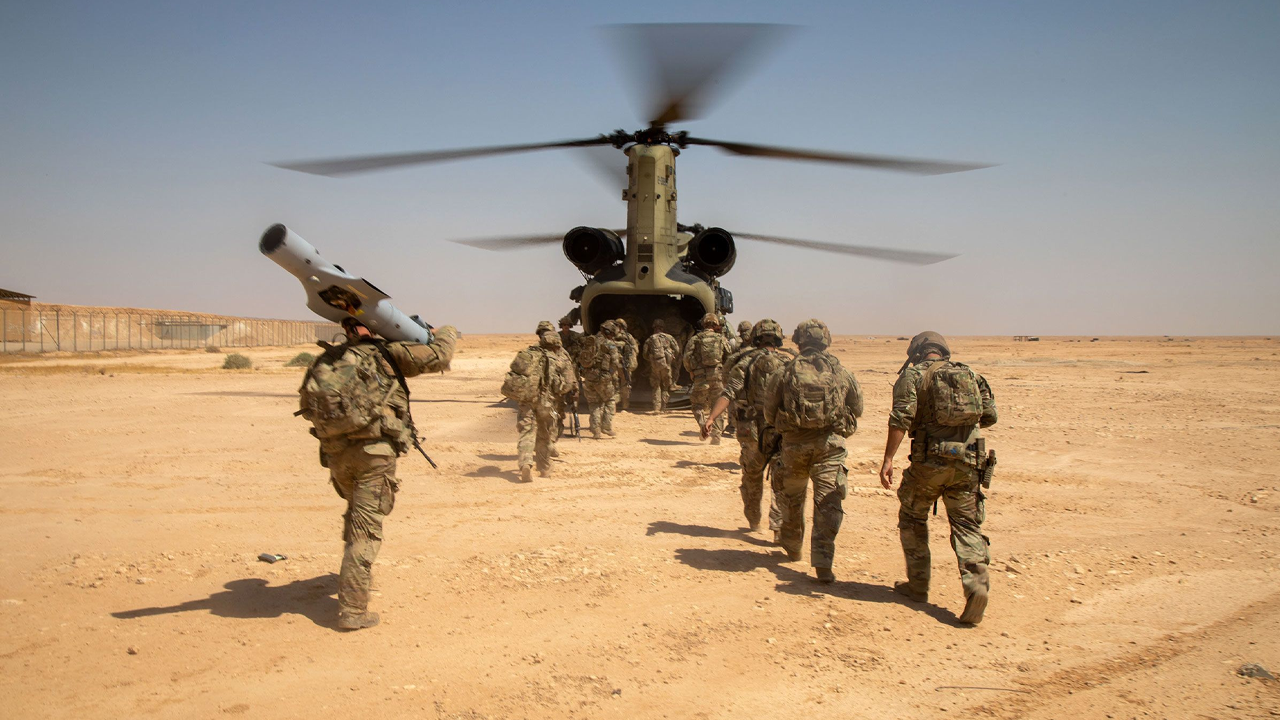
Darwin, September 30 : The United States is preparing to withdraw its military forces from Iraq after more than two decades of war and the…
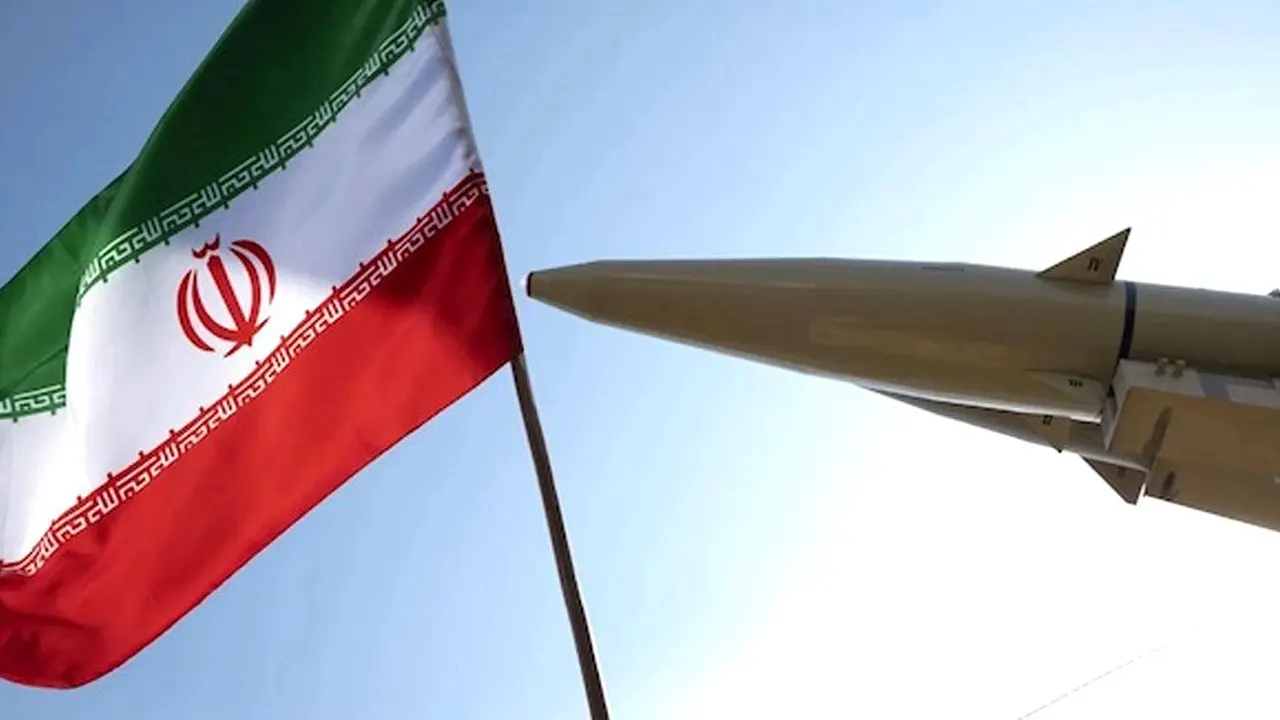
Darwin, September 30: Russia has urged Iran not to withdraw from the Treaty on the Non-Proliferation of Nuclear Weapons (NPT), calling on Tehran to remain…