Ten Injured After Car Ploughs Into Rugby League Fans in Australia
Darwin, October 04: Ten people, including three children, have been injured after a car crashed into a crowd of rugby league fans in Newcastle, eastern…



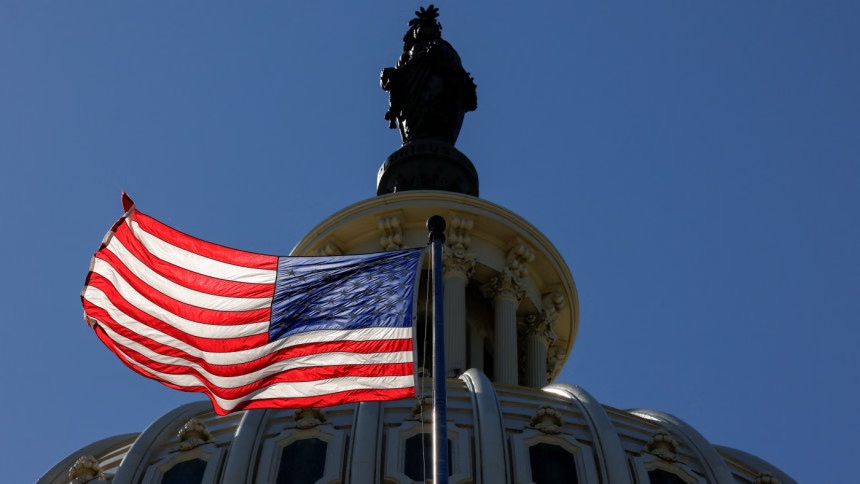
The 40-day US government shutdown, which had sidelined federal workers and snarled air travel, moved closer to a resolution on Sunday after the Senate successfully advanced a measure to reopen the federal government.
In a crucial procedural vote, senators passed the House-approved bill by a 60-40 margin—the minimum needed to defeat a Senate filibuster. The bill will be amended to fund the government until January 30 and include a package of three full-year appropriations bills.
The political breakthrough was achieved through a deal brokered by Democratic Senators Maggie Hassan and Jeanne Shaheen (NH) and Independent Senator Angus King (ME). Republicans agreed to hold a vote in December on extending the Affordable Care Act (ACA) enhanced premium tax credits. These subsidies, a Democratic priority, help lower-income Americans pay for private health insurance and are set to expire at the end of the year, potentially more than doubling monthly premiums for 24 million enrollees.
Despite the bipartisan breakthrough, the vote highlighted deep divisions, with Senate Minority Leader Chuck Schumer and many House Democrats, including Representative Ro Khanna, voting against the measure and criticizing their party’s leadership for the compromise.
If the Senate can secure a bipartisan agreement to circumvent procedural rules, the final passage could happen quickly, preventing the shutdown from stretching into next weekend.
President Donald Trump expressed confidence before the vote, saying, “It looks like we’re getting very close to the shutdown ending.” The bill offers a significant win for federal worker unions by providing back pay for all federal employees and prohibiting agencies from firing workers until January 30, stalling Trump’s campaign to downsize the federal workforce, which stood at 2.2 million civilians at the start of his second term.

Darwin, October 04: Ten people, including three children, have been injured after a car crashed into a crowd of rugby league fans in Newcastle, eastern…
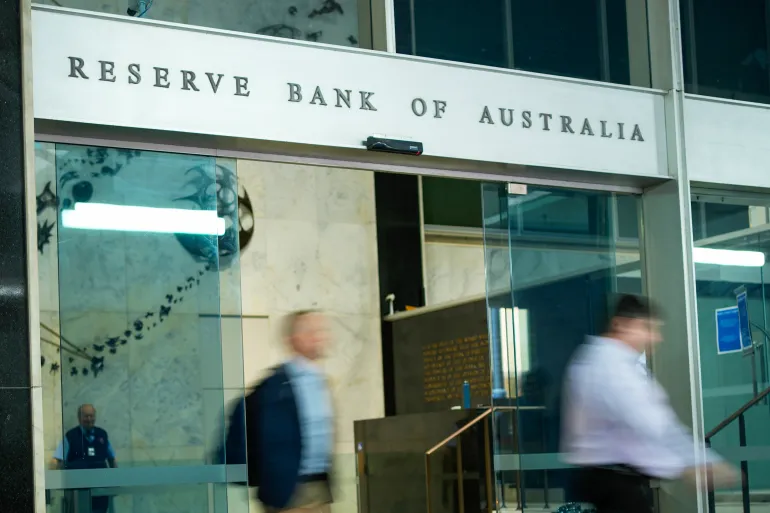
Darwin, October 4: Australia’s central bank has raised interest rates to their highest level in 15 years, increasing mortgage repayments for millions of Australian households….

Darwin, October 3: Under pressure from US President Donald Trump to bring down rising fuel prices, G7 leaders are set to release up to 100…

Darwin, October 3: Russia’s daily attacks are filling the lives of Kyiv residents with fear and uncertainty. From schools and hospitals to bridges, power plants…

Darwin, October 3: At least 80 fighters have been killed over the past 24 hours in fierce fighting between Iran-backed Houthi rebels and Saudi-backed government…

Darwin, October 3: As the Iran war enters its eighth month, the United States is sending a third aircraft carrier strike group to waters near…
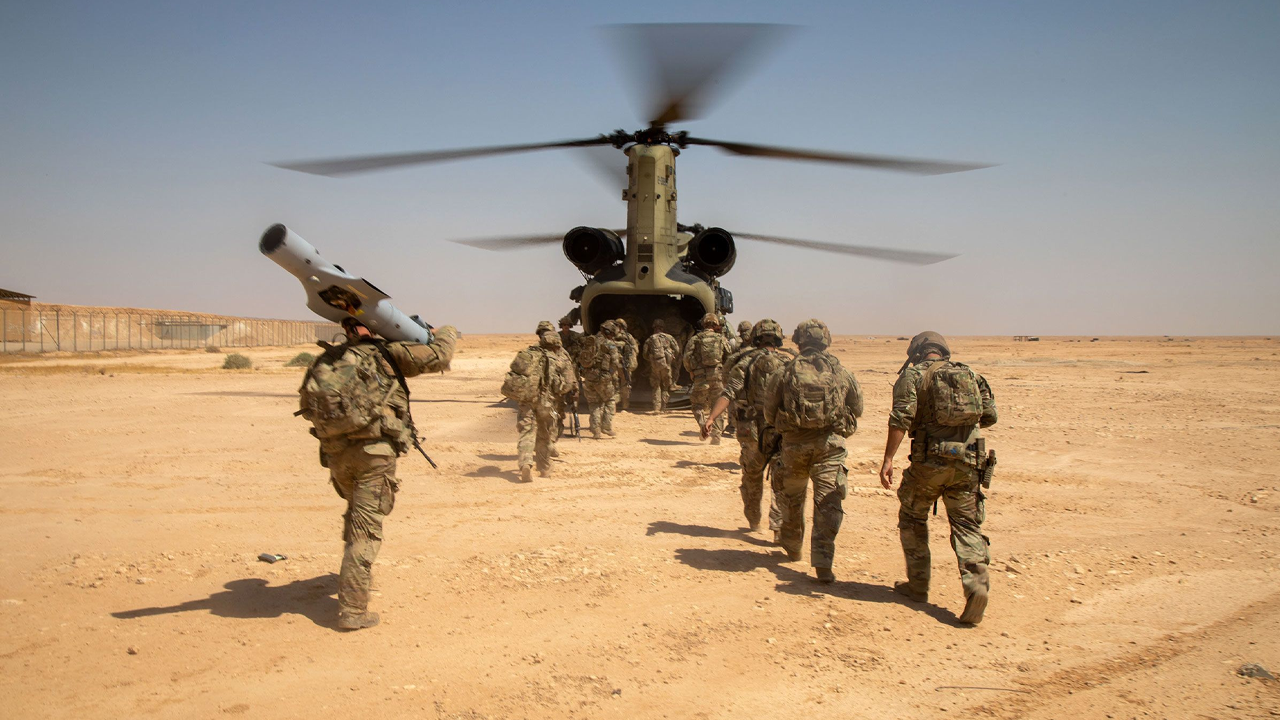
Darwin, September 30 : The United States is preparing to withdraw its military forces from Iraq after more than two decades of war and the…

Darwin, September 30: Russia has urged Iran not to withdraw from the Treaty on the Non-Proliferation of Nuclear Weapons (NPT), calling on Tehran to remain…