UK, Australia and Canada Announce ‘Fund for Peace’ for Israelis and Palestinians
Darwin, 12 June : The United Kingdom, Australia, and Canada on Thursday announced an “International Fund for Peace” for Israelis and Palestinians, aimed at supporting…



Darwin, 11 November-
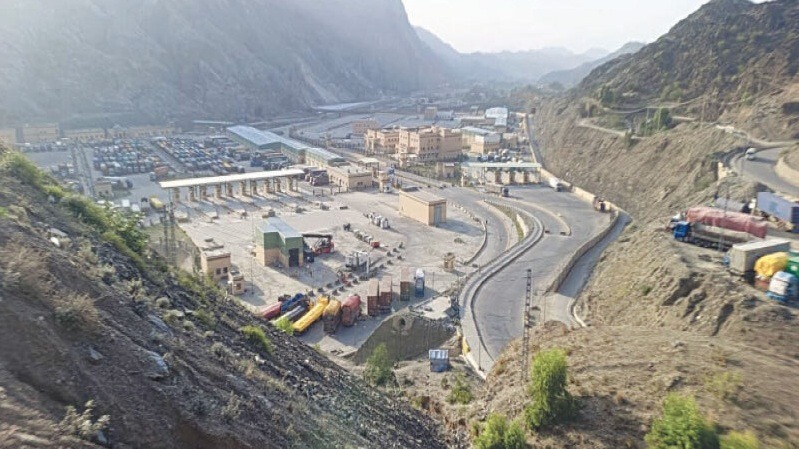
Trade between Pakistan and Afghanistan has suffered a severe blow as the Torkham border crossing has remained closed since October 12 due to escalating tensions between the two countries.
According to government and business sources cited by Dawn, the closure has caused a trade loss of $4.5 billion, along with an additional 16.5 billion rupees in damages.
Since the Taliban took control of Kabul in August 2021, Pakistan’s strict and security-driven trade policies have already cost it about 65% of the Afghan market, which has now shifted largely to Iran, several Central Asian states, Turkey, and even India.
Sources report that repeated border closures and a lack of a business-friendly environment have forced many major exporters and importers to withdraw their investments from the sector. The latest month-long border shutdown has further shaken the confidence of the remaining small traders.
The crisis has dealt a heavy blow to the growing industrial sector in Khyber Pakhtunkhwa, while production in Punjab and Sindh—especially daily consumer goods previously exported to Afghanistan—has also been severely disrupted.
Local traders and transporters say they have never faced such a prolonged border closure. Many truck owners are now considering switching to less profitable but more stable businesses.
Afghanistan traditionally imports from Pakistan items such as cement, garments, footwear, food products, vegetables, fruits, fish, poultry, animal feed, and confectionery. However, due to the closure, exports of potatoes and bananas have been severely hit, and if the situation continues, the export of kinnow (a variety of orange) could also face serious disruption.
Exporter and customs clearing agent Qari Nazim Gul told Dawn that even before the latest tensions, Afghan markets in Kabul and Jalalabad had already been flooded with Iranian, Turkish, and Central Asian goods—especially Iranian products, which now dominate Afghan trade.
“Afghan traders are increasingly turning to Iran instead of Pakistan because Iran offers easier visa policies and more favorable customs terms,” Gul said.
“We are extremely disappointed with the current state of Pakistan-Afghanistan trade. Continued political and security issues have created deep frustration and disinterest among local businessmen,” he added.
Mujeebullah Shinwari, president of the Torkham Customs Clearing Agents Association, echoed the same concern, saying, “We have long urged the government to adopt trade-friendly policies and keep bilateral trade with Afghanistan separate from security and political disputes.”
Shinwari noted that between 2012 and 2016, Pakistan-Afghanistan trade stood at $2.5 billion annually, but it has now dropped to just $800–900 million per year.
“At one time, 1,000 to 1,200 containers crossed into Afghanistan daily; now, that number has fallen to only 250–300,” he added.
He further pointed out that the suspension of border trade has caused a major loss in customs revenue and severely affected the livelihoods of small traders and shopkeepers, many of whom have lost their only source of legal income.
Shinwari proposed that a joint jirga (grand council) of leading tribal elders, politicians, and businessmen from both countries be formed to negotiate a reopening of the border and prevent further economic damage.
Meanwhile, Israr Shinwari, a youth leader from the area, has demanded the immediate reopening of the Torkham border.
Speaking at a meeting in Landi Kotal on Monday, he emphasized that the Pakistan-Afghanistan border should remain open under all circumstances to promote trade expansion between the two countries.
He warned that if the demand is not met, they would begin a series of protest demonstrations.

Darwin, 12 June : The United Kingdom, Australia, and Canada on Thursday announced an “International Fund for Peace” for Israelis and Palestinians, aimed at supporting…
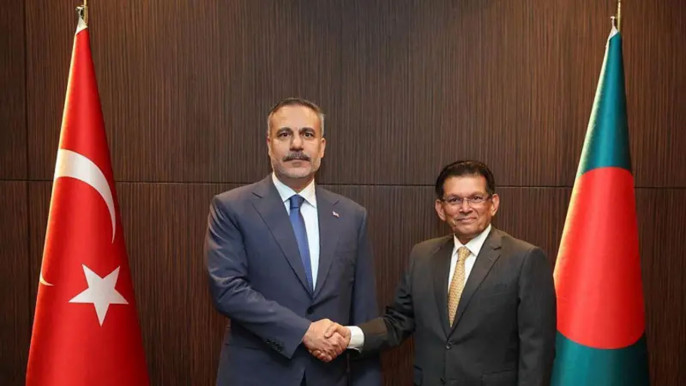
Darwin, 12 June : Turkey’s proposal to strengthen cooperation with Bangladesh in the defense industry, raised during Turkish Foreign Minister Hakan Fidan’s visit to Dhaka,…
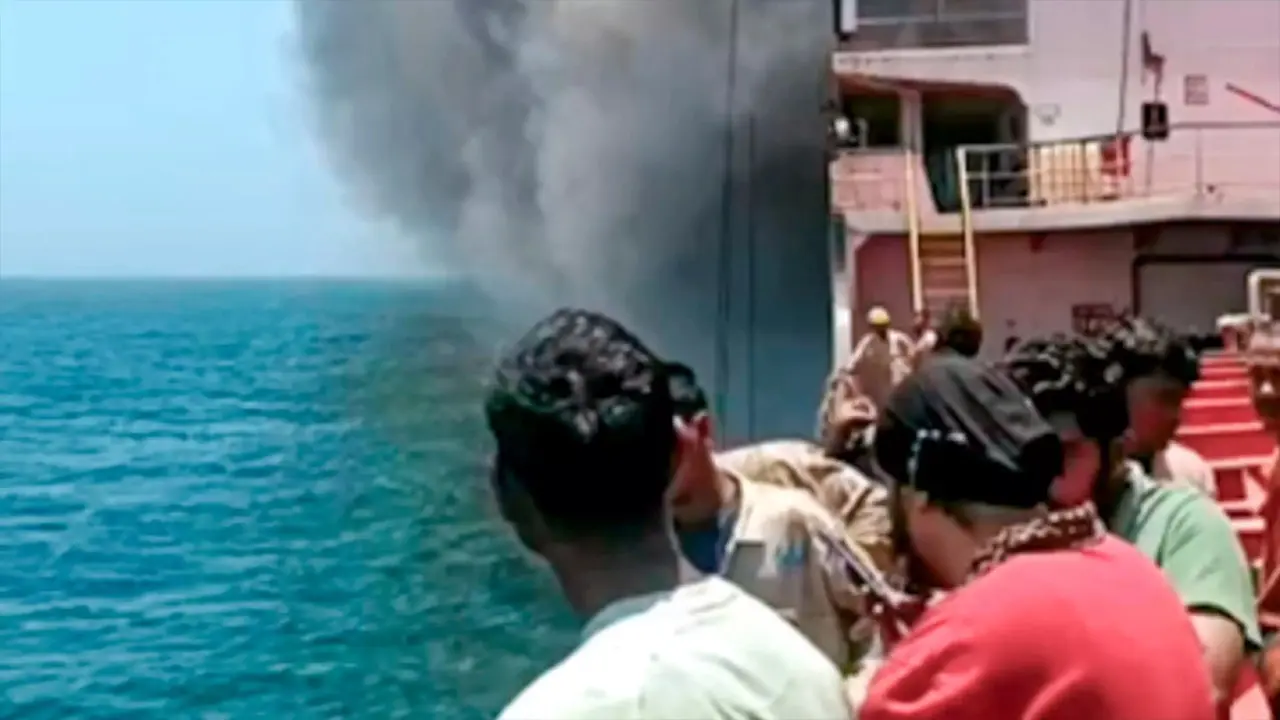
Darwin, 11 June : Three Indian sailors have been confirmed dead after a U.S. missile strike hit an oil tanker near Oman’s coast in the…
Darwin, 11 June : The United States has launched a new wave of military strikes against Iran, escalating tensions in an already volatile regional conflict….
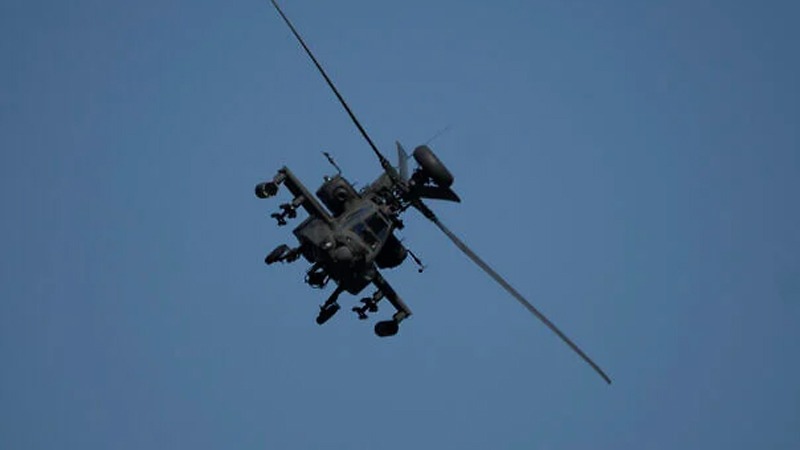
Darwin, 10 June : In the early hours of Wednesday, the U.S. military carried out strikes in Iran following the downing of a U.S. Apache…

Darwin, 10 june: Washington has rejected Israel’s claim that the United States took part in intercepting ballistic missiles launched from Iran toward Israel. A U.S….

Darwin, 09 June : The chief prosecutor of the International Criminal Court (ICC), Karim Khan, has been temporarily suspended over allegations of sexual harassment. He…
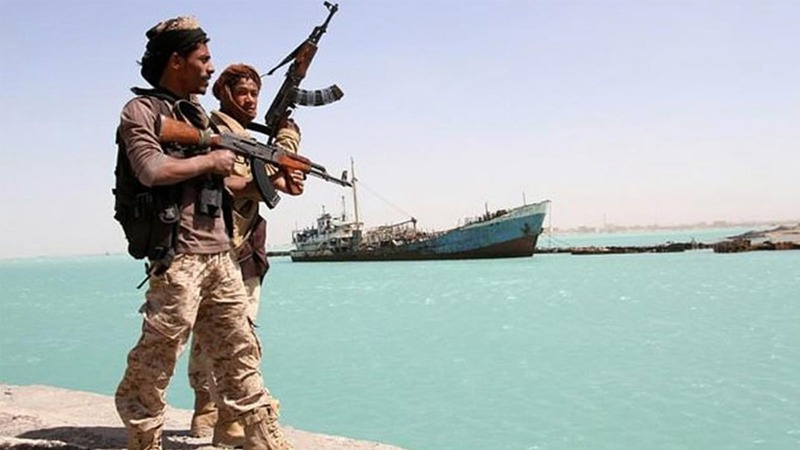
Darwin, 09 June : Yemen’s Iran-backed Houthi movement has announced a ban on Israeli-linked maritime traffic through the Bab al-Mandeb Strait, raising fears of renewed…