Bangladesh Create History with Record-Breaking Victory in Australia
Darwin, August 16 : Darwin witnessed a new dawn for Bangladesh cricket today. In a historic triumph on Australian soil, the Tigers defeated the hosts…



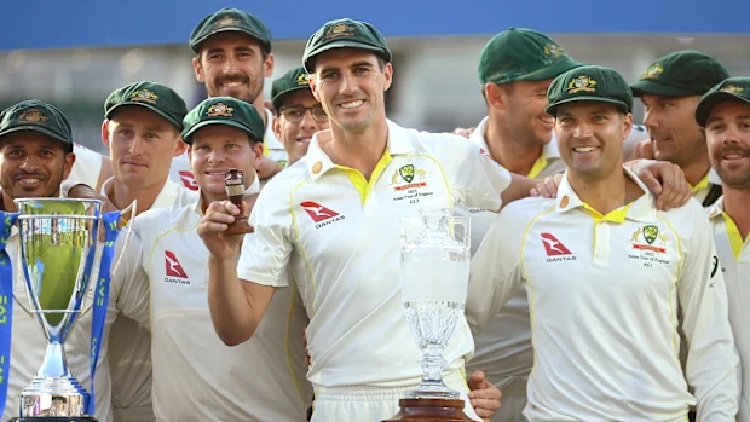
The ‘T-word’—transition—has once again become the defining background noise of the Australian Test setup, with the age of the dominant squad sparking uncomfortable comparisons to the talent vacuum that followed the mass retirements of the late 2000s.
Heading into the summer, the statistics are stark: only one player in the current Test XI is under 30. The core group is nearing the end:
This scenario echoes the period after the 2006-07 Ashes, when legends like Shane Warne, Glenn McGrath, and Justin Langer all retired simultaneously, followed shortly by Adam Gilchrist and Matt Hayden, causing a dramatic drop in Australian cricket’s rankings.
However, Captain Pat Cummins (32) remains entirely unapologetic about the selection strategy. He firmly believes in the old adage, “if it ain’t broke, don’t fix it,” pointing to the team’s current run of success.
“We’ve always held Test cricket in the highest regard and we want to pick the best XI that are available for every Test,” Cummins told media. “I think our win record is as good as almost ever in Australian history. I wouldn’t want to change that just to give one or two other people a go.”
This leaves National Selector George Bailey with the unenviable task of balancing current dominance against the future imperative.
Former captain Greg Chappell acknowledged that getting the transition right is “the hardest part of selecting,” but struck an optimistic note, looking towards the pipeline of emerging talent.
Chappell and Cummins both expressed strong faith in the Sheffield Shield and Australia A pathways, asserting that there are numerous younger players “knocking on the door.” The evidence, particularly in domestic cricket, suggests this is true, offering a genuine sense of optimism that the late-2000s scenario may be avoided.
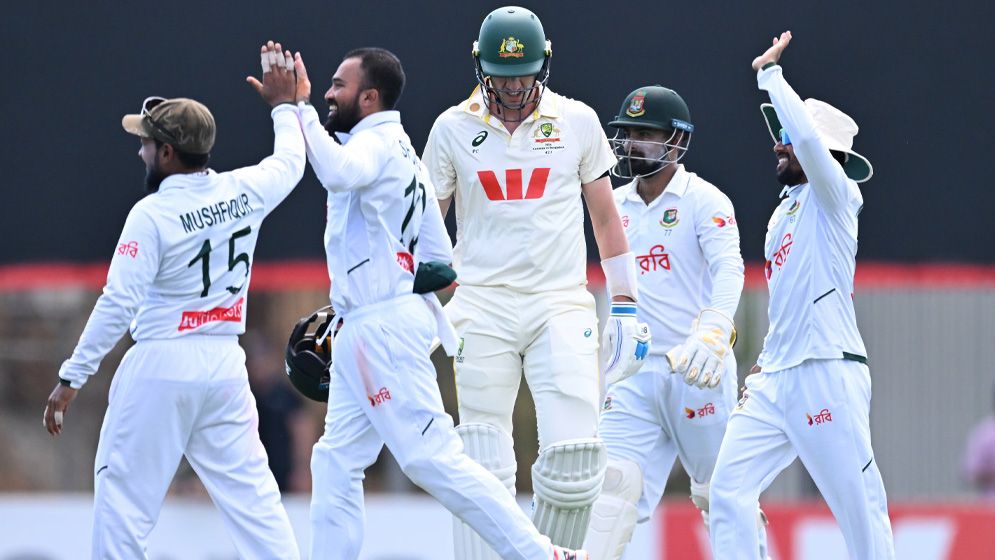
Darwin, August 16 : Darwin witnessed a new dawn for Bangladesh cricket today. In a historic triumph on Australian soil, the Tigers defeated the hosts…

Sports Desk, August 12: The long-awaited wedding has finally taken place. Portuguese football star Cristiano Ronaldo has married his longtime partner, Georgina Rodriguez, after nearly…

Sports Desk: A resignation letter only a few lines long has come to symbolize the growing frustration across the football world. On Friday morning, Carlos…

Sports Desk: Argentina’s dream of retaining the World Cup title has been shattered. A day after losing the final to Spain, captain Lionel Messi broke…

Sports Desk: France captain Kylian Mbappé made FIFA World Cup history by becoming the first player ever to win the Golden Boot twice after finishing…

Sports Desk: Spain midfielder Rodri was named the winner of the Golden Ball as the best player of the 2026 FIFA World Cup after inspiring…
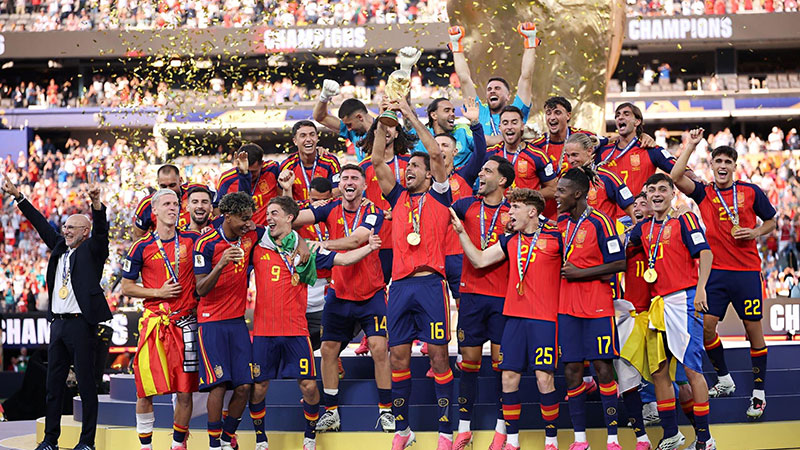
Sports Desk: Spain were crowned FIFA World Cup champions for the second time in their history after defeating Argentina 1-0 in extra time in the…
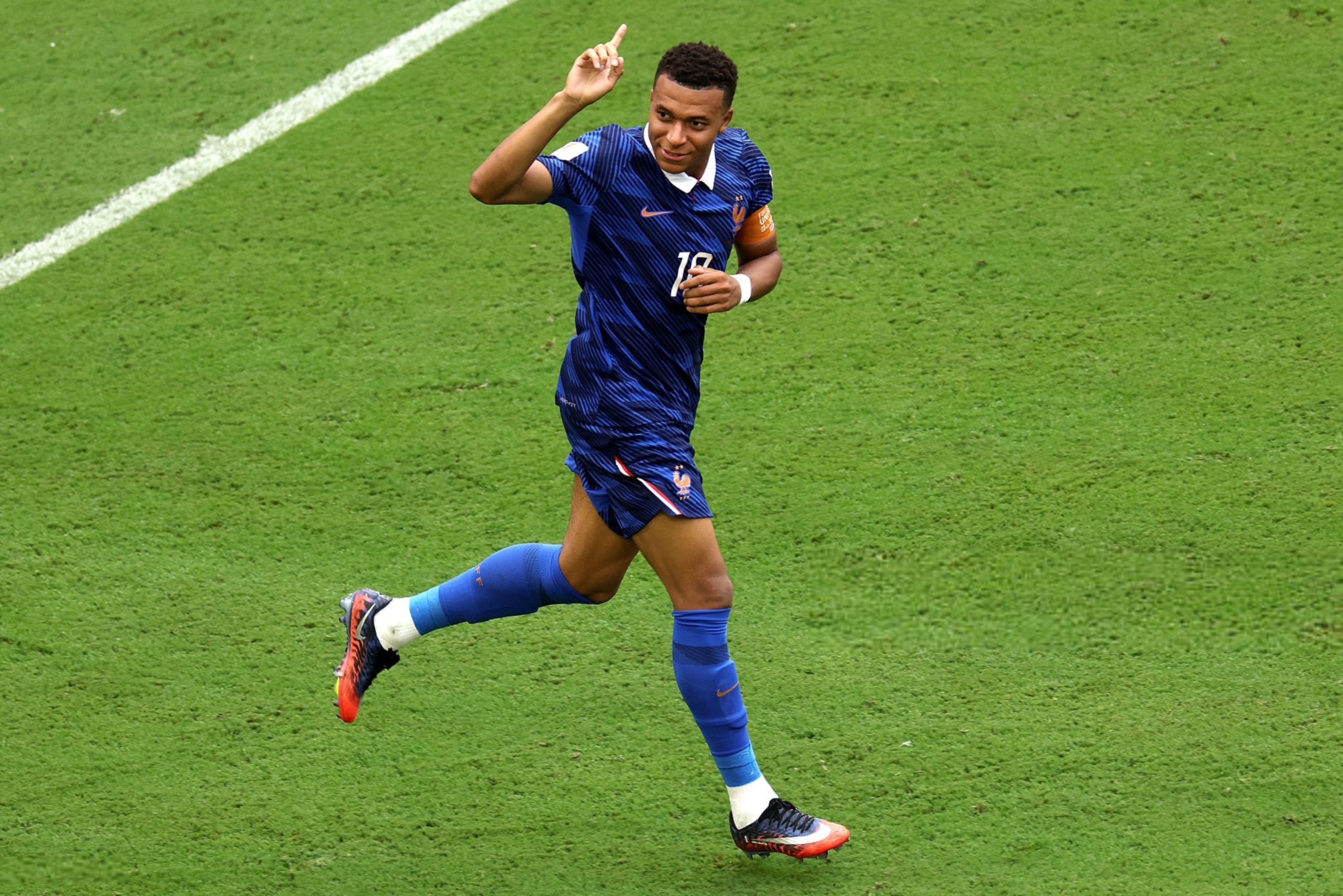
Sports Desk: Before the 2026 FIFA World Cup began, German legend Miroslav Klose had held the all-time World Cup scoring record for 12 years. This…