Oil Prices Rise in Global Markets on Fears of Middle East Supply Disruptions
Darwin, October 21: Oil prices rose in global markets on Wednesday as traders grew concerned about potential disruptions to oil supplies in the Middle East,…



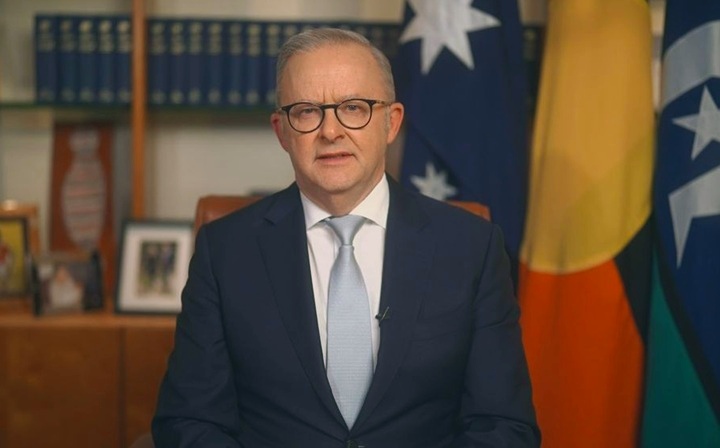
Darwin, 01 April: Amid the ongoing conflict in the Middle East, Australian Prime Minister Anthony Albanese delivered a rare national television address, urging citizens not to stockpile fuel unnecessarily.
In his 7pm address on Wednesday, he also encouraged Australians to use public transport wherever possible.
The Prime Minister said Australia would not be immune to the economic fallout of the conflict. Petrol and diesel prices have already seen the largest increase in history, putting pressure on households, farmers, truck drivers, and small businesses. He warned, “The months ahead will not be easy.”
He reassured the public that the government would do everything possible to manage the situation. “We will deal with these global challenges the Australian way—by working together and looking after each other,” he said.
Measures to Address the Fuel Crisis
The Prime Minister stated that the government has already adopted a national fuel security plan. Additionally, fuel excise has been cut in half, reducing the cost of petrol by 26 cents per litre.
Road user charges for heavy vehicles have also been temporarily reduced to zero. These measures will remain in place for the next three months.
He added that Australia would leverage its regional trade relationships to import more petrol, diesel, and fertiliser.
Call to the Public
Ahead of the Easter holiday, Anthony Albanese urged Australians not to overbuy fuel while traveling. “If you’re hitting the road, don’t take more fuel than you need—just fill up as you normally would,” he said.
He also encouraged workers to consider taking trains, buses, or trams to help conserve fuel reserves.
International Context
Meanwhile, US President Donald Trump said the ongoing war with Iran could end within two to three weeks. However, he indicated that reopening the strategic waterway Strait of Hormuz would be left to other nations.
Analysts’ View
Nine’s Chief Political Editor Charles Croucher said the Prime Minister’s address was more about addressing public concern and rumors than announcing strict policies. He noted that, unlike during COVID-19, there were no firm directives, but rather an effort to explain the situation and encourage cooperation.
Overall, while Australia is not directly involved in the Middle East conflict, its economic impact is already being felt across the country and is expected to persist for some time.
Darwin, October 21: Oil prices rose in global markets on Wednesday as traders grew concerned about potential disruptions to oil supplies in the Middle East,…
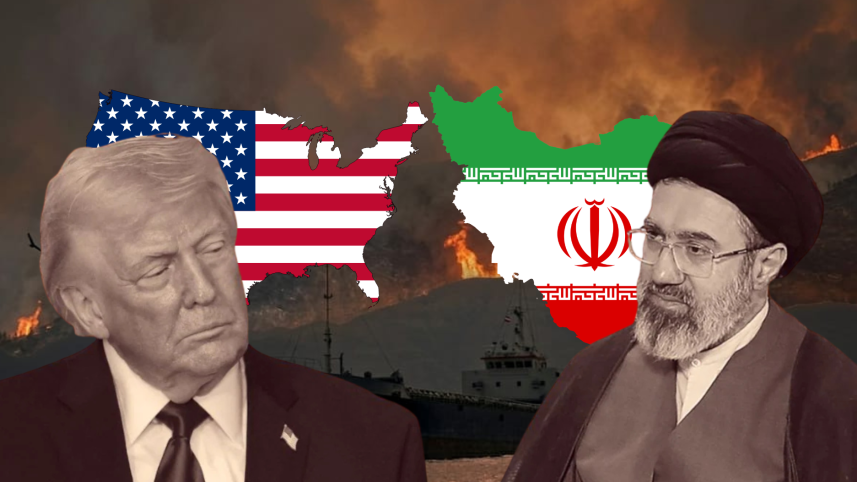
Darwin, October 21: Iran is prolonging negotiations with Washington in an attempt to politically weaken President Donald Trump ahead of the US midterm elections, according…

Darwin, October 21: Today is the auspicious occasion of Bijaya Dashami. The five-day Sharadiya Durga Puja, the biggest religious festival of the Hindu community, officially…
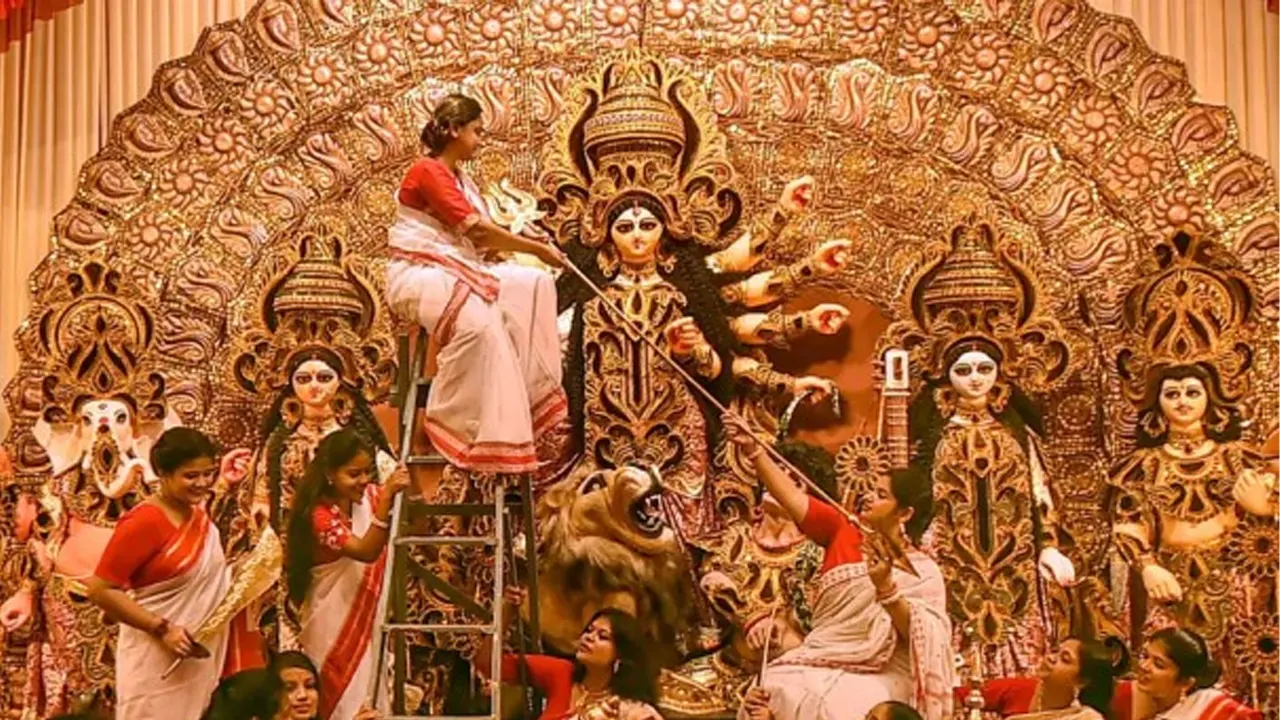
Darwin, October 20: Today is Maha Navami, the ninth day of Sharadiya Durga Puja. Members of the Hindu community will observe the day through religious…
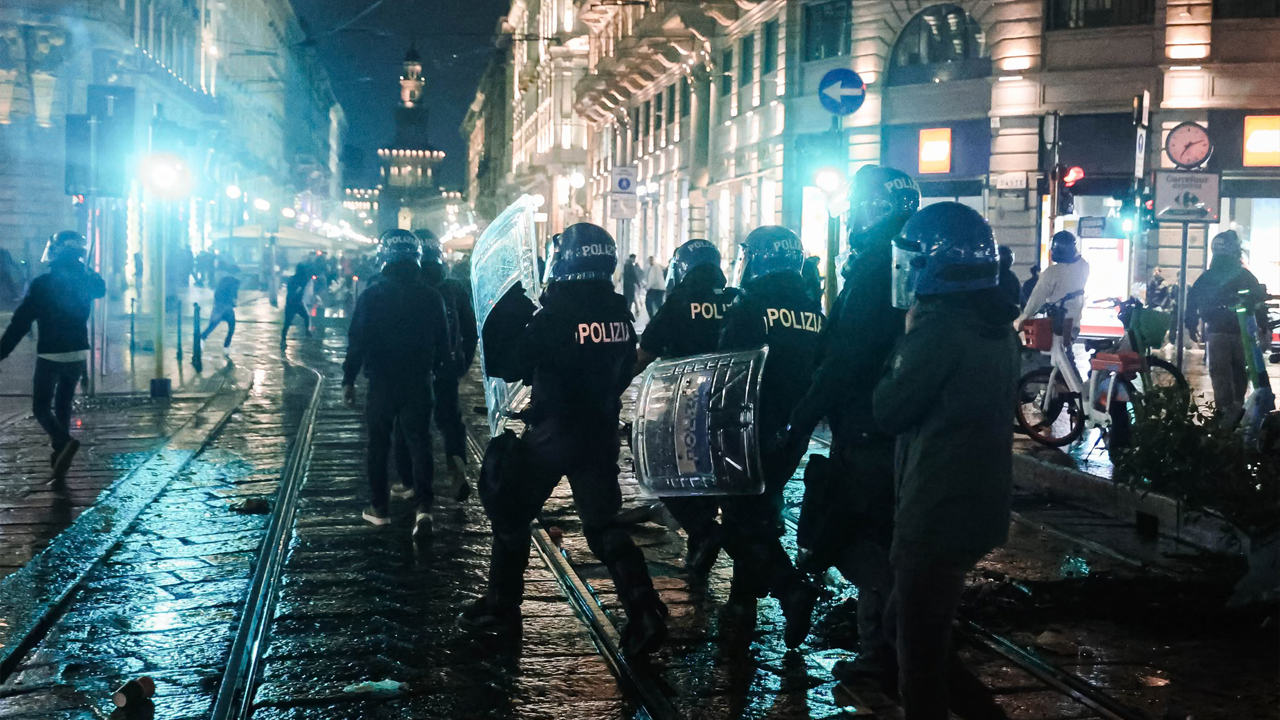
Darwin, October 20: Protests and violence over the rising cost of living have erupted in Italy, one of Europe’s largest economies, following similar unrest in…
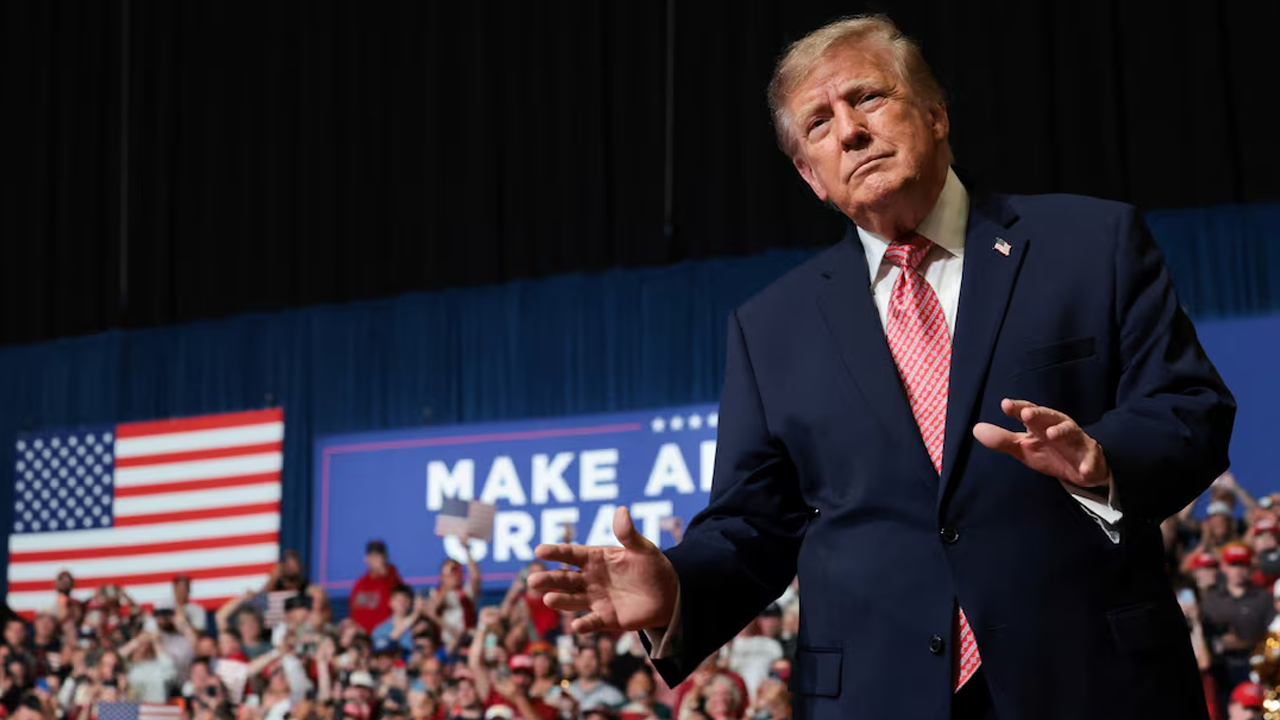
Darwin, October 20: US President Donald Trump has warned that protests and violence similar to those in France could spread across the United States if…
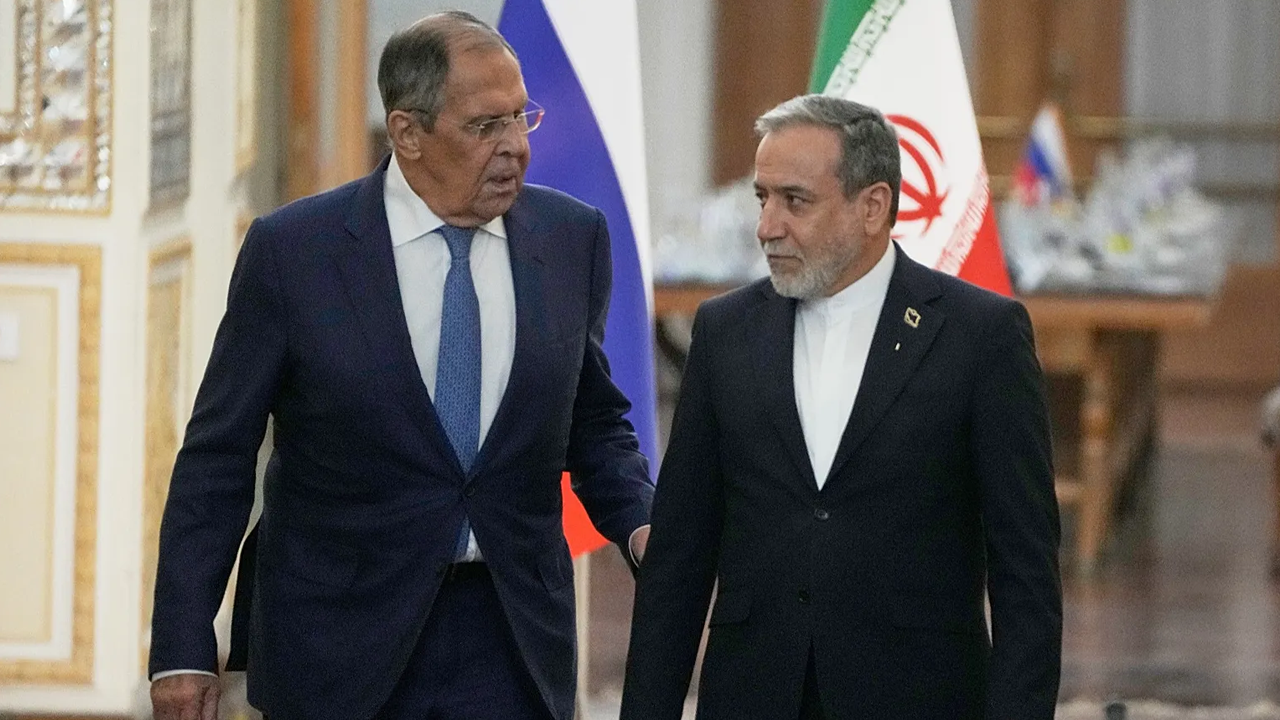
Darwin, October 20: Moscow has reaffirmed its full support for Tehran just hours after US President Donald Trump remarked that Russia was doing very little…

Darwin, October 19: Former Manchester City manager Pep Guardiola has urged the world not to forget the Palestinians in Gaza. In a video for the…