US Forces to Leave Iraq After Two Decades and 4,500 Military Deaths
Darwin, September 30 : The United States is preparing to withdraw its military forces from Iraq after more than two decades of war and the…



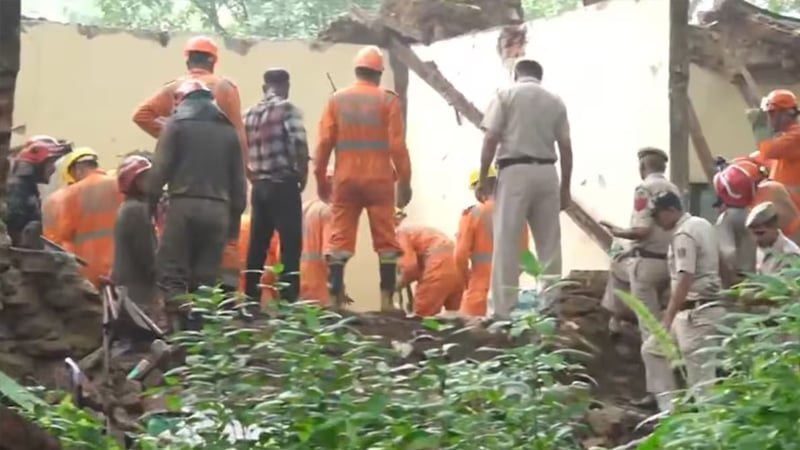
Darwin, August 16 | International Desk— A portion of the historic Humayun’s Tomb in New Delhi, India, collapsed on Friday afternoon, leaving at least five people dead and several others injured.
According to NDTV, the incident occurred around 4:30 PM, when a section of the dome—part of the UNESCO World Heritage Site—suddenly gave way. At least 12 to 15 visitors were reportedly trapped under the rubble. The Delhi Fire Service deployed five rescue units to the scene and managed to pull out 12 individuals alive from the debris.
Built in the mid-16th century, Humayun’s Tomb is one of Delhi’s most iconic Mughal-era monuments and a major tourist attraction. From April to July 2024 alone, the site drew approximately 185,000 domestic and international tourists. In the 2022–23 fiscal year, the number of visitors reached 615,000, marking a significant rise from the previous year.
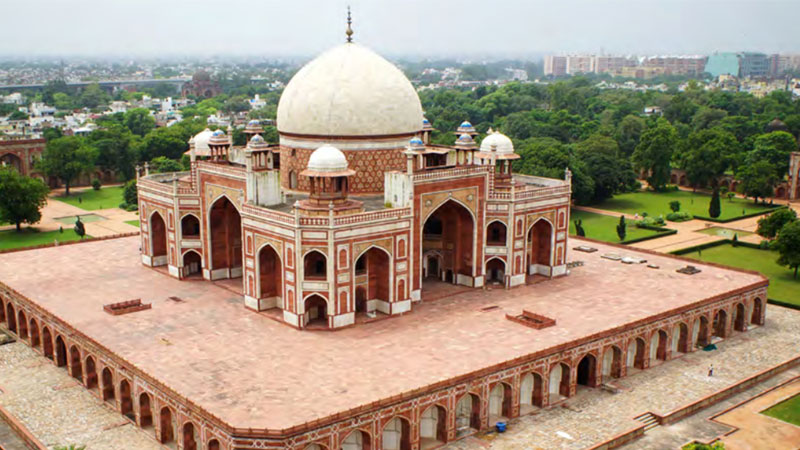
Portion of Humayun’s Tomb in Delhi befor Collapses
The monument has undergone extensive restoration in recent decades, spearheaded by the Archaeological Survey of India (ASI) in collaboration with the Aga Khan Trust for Culture (AKTC). Restoration efforts, which began in the late 1990s and continued into the early 2000s, included Mughal garden rejuvenation, replacement of damaged stones, reconstruction of traditional water channels, and removal of harmful cement layers.
Friday’s tragic collapse has raised serious questions about the structural integrity and ongoing preservation efforts of centuries-old monuments. Authorities have yet to determine the exact cause of the collapse. Officials say that a structural survey and damage assessment will begin once rescue operations are fully complete.
The incident has triggered renewed calls for enhanced monitoring and maintenance of India’s historical heritage sites to ensure public safety and cultural preservation.

Darwin, September 30 : The United States is preparing to withdraw its military forces from Iraq after more than two decades of war and the…

Darwin, September 30: Russia has urged Iran not to withdraw from the Treaty on the Non-Proliferation of Nuclear Weapons (NPT), calling on Tehran to remain…

Darwin, September 30: Russia currently lacks sufficient military capability to launch a major attack against NATO because its forces are engaged in the war in…

Four personnel of India’s Central Industrial Security Force (CISF), including an officer, were killed after a colleague allegedly opened fire on them at a hydropower…

Darwin, September 25: The Netherlands is seeking to build an international coalition to evacuate at least 1,000 sick and injured children from Gaza for medical treatment,…

Darwin, September 25: Police arrested at least 100 people, including Oscar-winning actress Susan Sarandon, during a protest against Israeli Prime Minister Benjamin Netanyahu outside the…
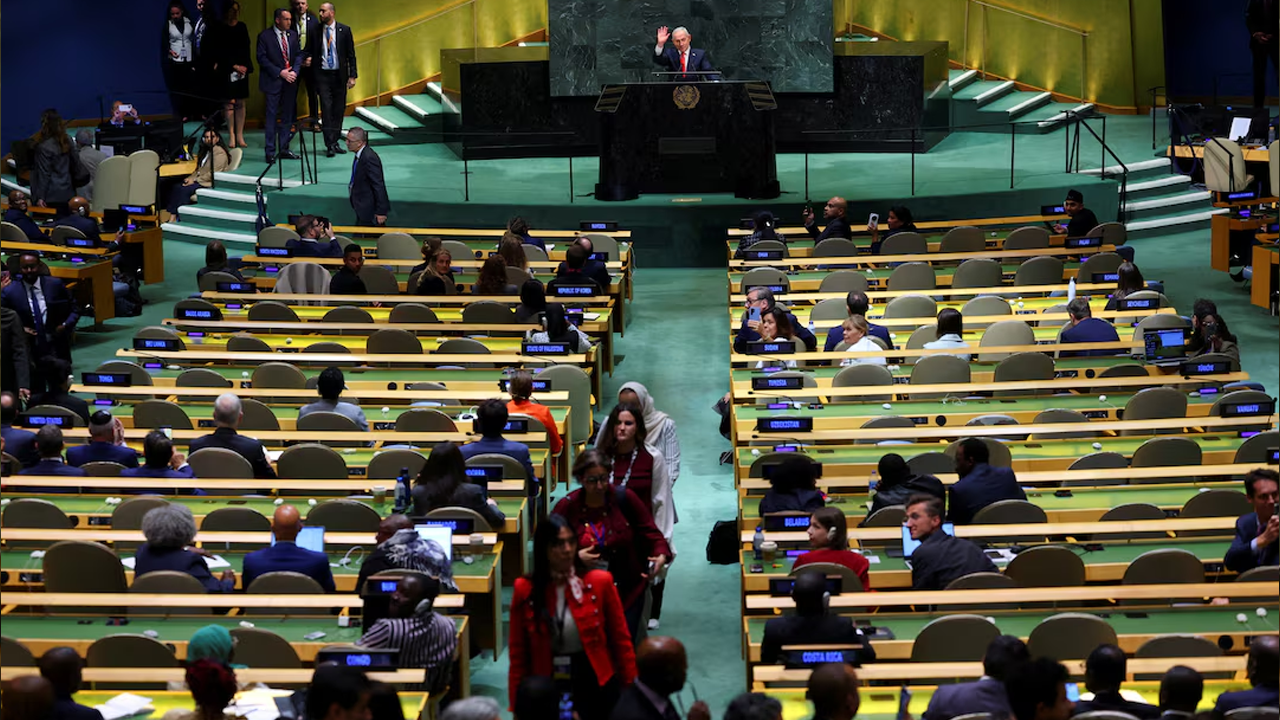
Darwin, September 25: Representatives from Bangladesh and 76 other countries walked out of the United Nations General Assembly hall as Israeli Prime Minister Benjamin Netanyahu…
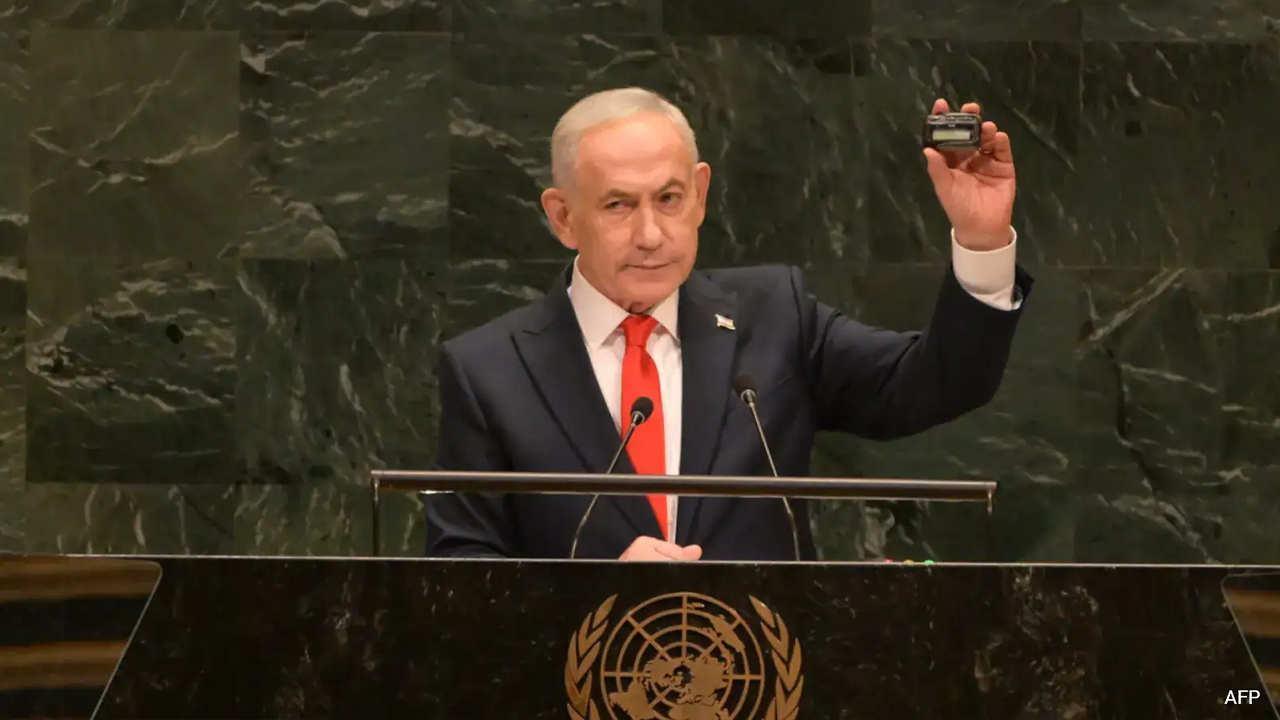
Darwin, September 25 : Israeli Prime Minister Benjamin Netanyahu brought a pager to the United Nations General Assembly while delivering a speech, using it to highlight…