US Forces to Leave Iraq After Two Decades and 4,500 Military Deaths
Darwin, September 30 : The United States is preparing to withdraw its military forces from Iraq after more than two decades of war and the…



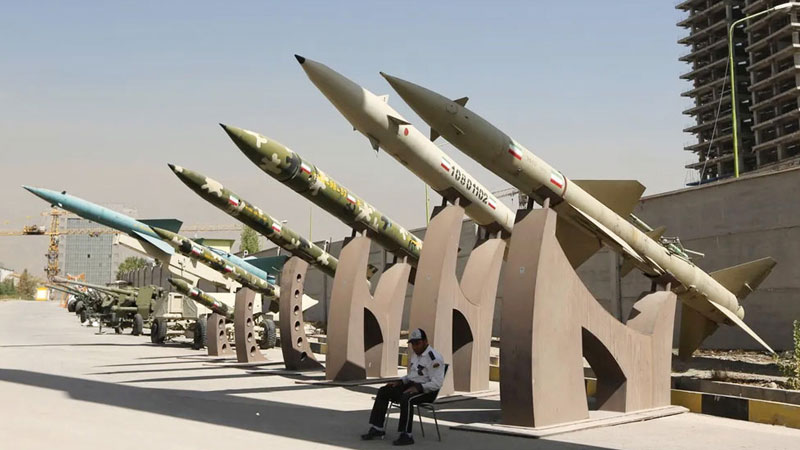
Darwin, 17 August — Growing closeness between Iran and China is intensifying tensions in the Middle East. Israeli media outlet Yedioth Ahronoth has recently claimed that, with China’s support, Iran is developing new surface-to-surface missiles. The report has sparked strong concerns in Israel, although no official statements have been made by either Tehran or Beijing so far.
According to The Cradle, citing Yedioth Ahronoth, Western intelligence agencies are also closely monitoring the Iran-China cooperation. Israeli officials have acknowledged that China’s true intentions remain unclear. However, diplomatic messages have been sent to Beijing. Although China has not confirmed whether it will directly supply missiles to Iran, Israel believes China is playing a role in rebuilding Iran’s military capabilities.
Yechiel Leiter, Israel’s ambassador to the United States, recently warned that China’s support in missile stockpiling and reconstruction is extremely troubling.
In an interview with Voice of America, he said, “Some of the activities are deeply concerning for us… We want to ensure Iran is not able to restart its chemical or missile programs in any way.”
Leiter further emphasized that Israel’s responsibility is to prevent China—or any other power—from aiding Iran in rebuilding its missile arsenal. In his words, “We may have good relations with the people of China, but we don’t want China to stand beside forces that pose a threat to our existence.”
Amid the controversy, another critical detail has emerged.
According to Middle East Eye, based in London, during a recent 12-day war, China reportedly supplied Iran with surface-to-air missiles. In exchange, Tehran sent oil-laden tankers to China. The Israeli military alleges that it failed to prevent Iran from launching ballistic missiles during the conflict, which led to significant damage inside Israel—universities, research centers, tech firms, and military installations were targeted. However, due to censorship, many details have not been disclosed.
In response to these developments, Israeli Defense Minister Israel Katz announced in June that the military had been instructed to prepare “operational plans” against Iran’s nuclear and missile programs.
On the other hand, Tehran has consistently maintained that its nuclear program is solely for peaceful purposes. However, intelligence assessments suggest that although the bunker-buster strikes ordered by former U.S. President Donald Trump inflicted damage, they failed to completely dismantle Iran’s program.
Amidst this tense backdrop, international policy journal Foreign Policy has issued a warning that an Israel-Iran conflict could erupt again at any moment. The analysis suggests that Israel may launch another attack on Iran before December. This time, Iran is likely to adopt a more aggressive strategy from the outset—to send a message that it can no longer be contained easily. Experts warn that a second war would be far deadlier than the first.
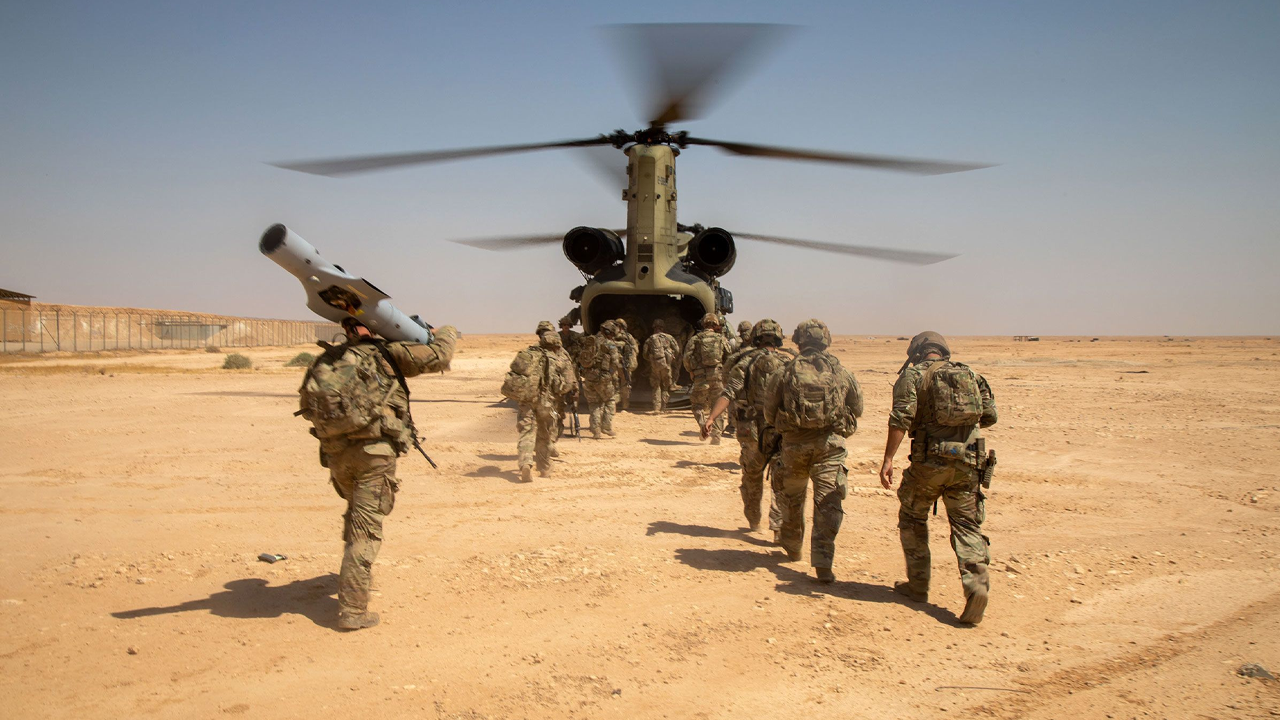
Darwin, September 30 : The United States is preparing to withdraw its military forces from Iraq after more than two decades of war and the…
Darwin, September 30: Russia has urged Iran not to withdraw from the Treaty on the Non-Proliferation of Nuclear Weapons (NPT), calling on Tehran to remain…
Darwin, September 30: Russia currently lacks sufficient military capability to launch a major attack against NATO because its forces are engaged in the war in…

Four personnel of India’s Central Industrial Security Force (CISF), including an officer, were killed after a colleague allegedly opened fire on them at a hydropower…

Darwin, September 25: The Netherlands is seeking to build an international coalition to evacuate at least 1,000 sick and injured children from Gaza for medical treatment,…

Darwin, September 25: Police arrested at least 100 people, including Oscar-winning actress Susan Sarandon, during a protest against Israeli Prime Minister Benjamin Netanyahu outside the…
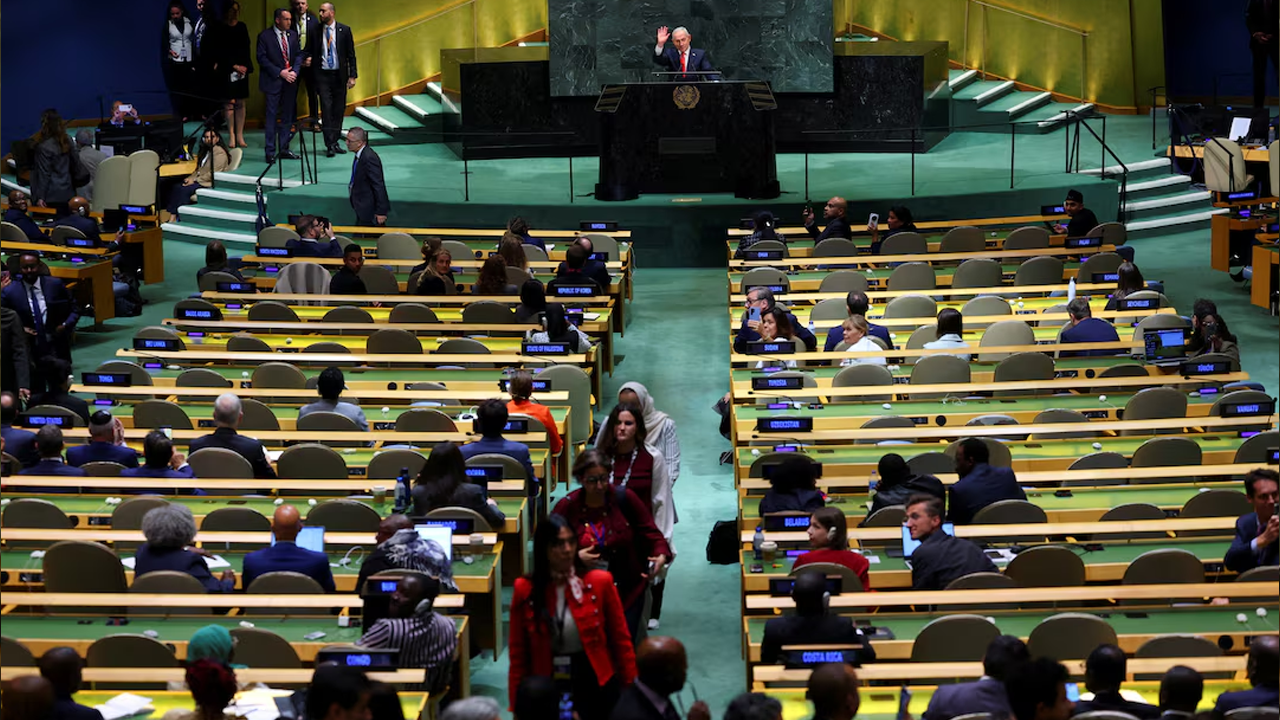
Darwin, September 25: Representatives from Bangladesh and 76 other countries walked out of the United Nations General Assembly hall as Israeli Prime Minister Benjamin Netanyahu…
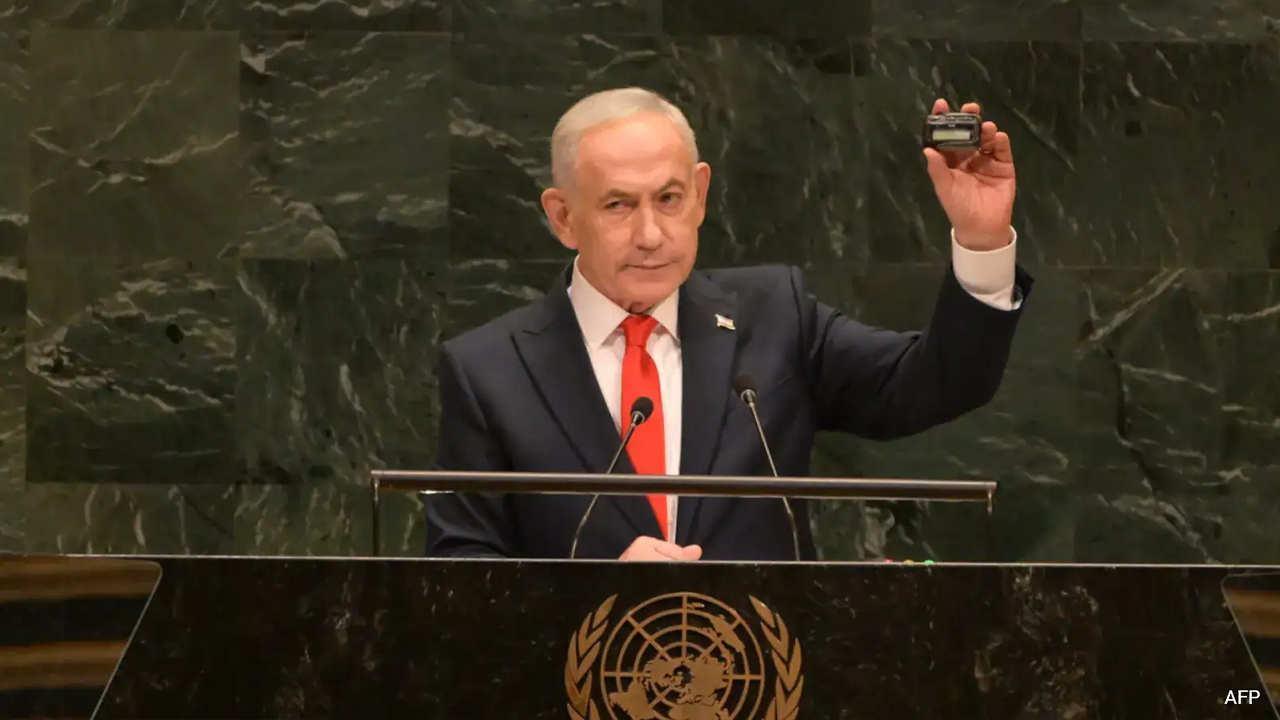
Darwin, September 25 : Israeli Prime Minister Benjamin Netanyahu brought a pager to the United Nations General Assembly while delivering a speech, using it to highlight…