US Forces to Leave Iraq After Two Decades and 4,500 Military Deaths
Darwin, September 30 : The United States is preparing to withdraw its military forces from Iraq after more than two decades of war and the…



Darwin, August 26 — For the first time, a flesh-eating screwworm parasite has been identified in a human body in the United States.
This parasitic fly consumes the living flesh of livestock and other warm-blooded animals. The outbreak began late last year in Central America and southern Mexico. If left untreated, the infection can ultimately be fatal.
According to Sky News, the infected individual is a resident of Maryland who recently returned from a trip to Guatemala.
South Dakota state veterinarian Beth Thompson told Reuters on Sunday that she received information about the case last week.
A Maryland state official has confirmed the incident.
Reuters reported that the patient has received treatment and preventive measures have been taken.
The U.S. Centers for Disease Control and Prevention (CDC) and the Maryland Department of Health have not yet commented on the matter.
The female screwworm fly lays its eggs on the wounds of warm-blooded animals. Once the eggs hatch, hundreds of larvae with sharp mouths burrow into the living flesh.
This can cause severe damage to livestock and wildlife. In rare cases, humans can also be infected.
Treatment is complex. It involves removing hundreds of larvae and thoroughly disinfecting the wound. However, with early treatment, the patient usually survives.
This infection could pose a serious threat to the U.S. beef and livestock industries, especially since beef prices have recently hit record highs due to supply shortages.
The United States imports over one million cattle annually from Mexico for beef processing. A screwworm outbreak in Texas, the country’s largest cattle-producing state, could cause an estimated $1.8 billion in damages. These losses would stem from animal deaths, labor costs, and veterinary expenses.
The U.S. Department of Agriculture (USDA) has set up traps at the border and deployed mounted patrols. However, some livestock producers and market analysts have criticized the response for being too slow—especially regarding the scaling up of sterile fly production.
This incident occurred just a week after U.S. Agriculture Secretary Brooke Rollins visited Texas and announced plans to build a sterile fly facility there. She had repeatedly pledged that screwworms would not be allowed to enter the U.S.
A sterile fly center produces large numbers of male flies and sterilizes them. These sterile males are then released into the wild, where they mate with wild female flies but produce no offspring. Over time, this reduces the population of wild screwworm flies. This method was used to eradicate screwworms from the U.S. in the 1960s.
Mexico is also taking measures to prevent the spread of the pest. The country is investing $51 million in building its own sterile fly production center. Without treatment, infected animals can die within weeks.
According to the USDA, to push the screwworm population back to the Darién Gap between Panama and Colombia, about 500 million sterile flies must be released each week.
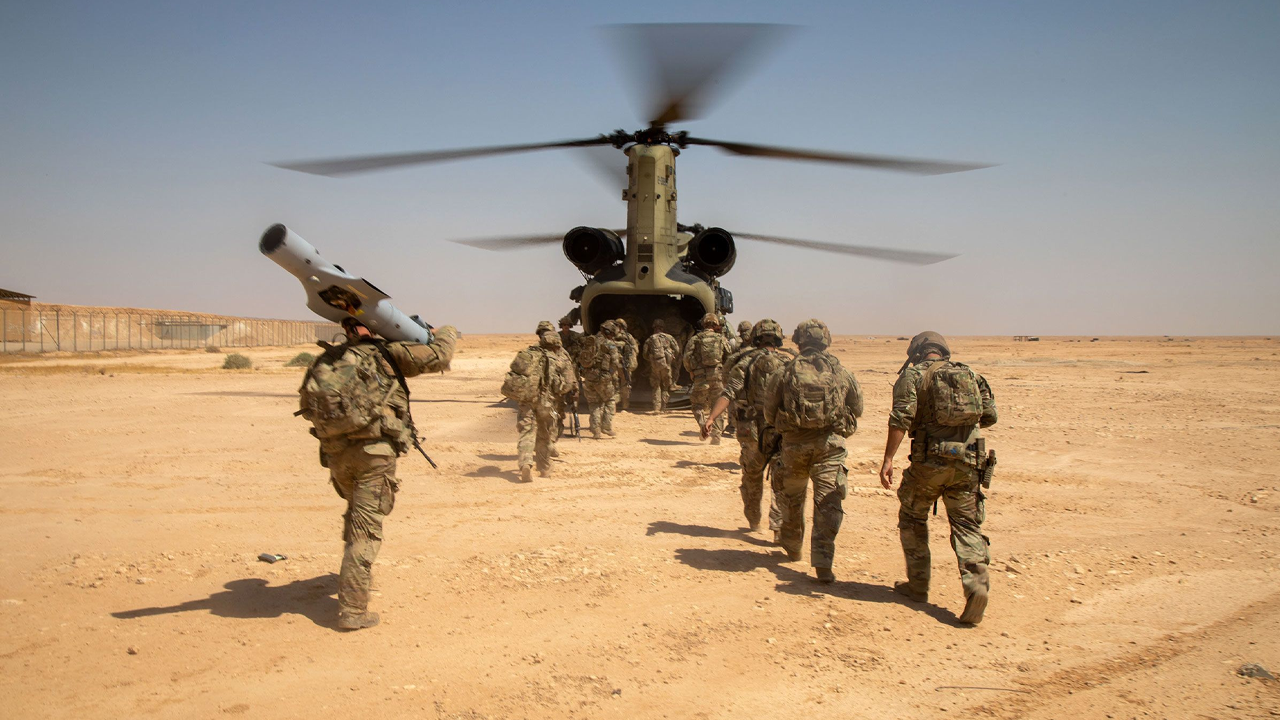
Darwin, September 30 : The United States is preparing to withdraw its military forces from Iraq after more than two decades of war and the…

Darwin, September 30: Russia has urged Iran not to withdraw from the Treaty on the Non-Proliferation of Nuclear Weapons (NPT), calling on Tehran to remain…

Darwin, September 30: Russia currently lacks sufficient military capability to launch a major attack against NATO because its forces are engaged in the war in…

Four personnel of India’s Central Industrial Security Force (CISF), including an officer, were killed after a colleague allegedly opened fire on them at a hydropower…

Darwin, September 25: The Netherlands is seeking to build an international coalition to evacuate at least 1,000 sick and injured children from Gaza for medical treatment,…

Darwin, September 25: Police arrested at least 100 people, including Oscar-winning actress Susan Sarandon, during a protest against Israeli Prime Minister Benjamin Netanyahu outside the…

Darwin, September 25: Representatives from Bangladesh and 76 other countries walked out of the United Nations General Assembly hall as Israeli Prime Minister Benjamin Netanyahu…

Darwin, September 25 : Israeli Prime Minister Benjamin Netanyahu brought a pager to the United Nations General Assembly while delivering a speech, using it to highlight…