Oil Prices Rise in Global Markets on Fears of Middle East Supply Disruptions
Darwin, October 21: Oil prices rose in global markets on Wednesday as traders grew concerned about potential disruptions to oil supplies in the Middle East,…



Darwin, 11 October-
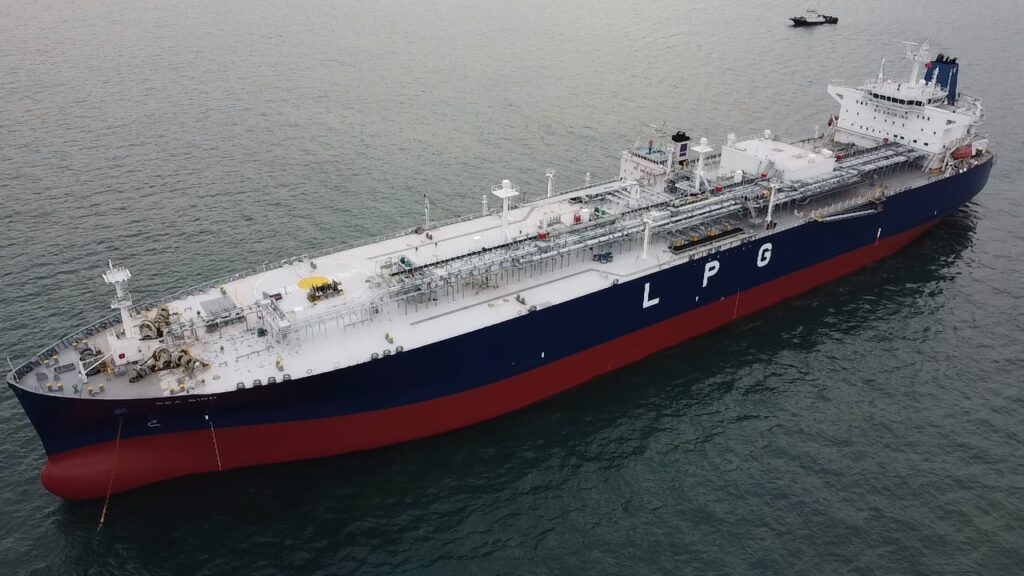
The United States Department of the Treasury’s Office of Foreign Assets Control (OFAC) has imposed new sanctions on more than 50 companies, individuals, and oil tankers involved in Iran’s petroleum and liquefied petroleum gas (LPG) exports.
According to an official statement published on the US Treasury Department’s website on Thursday, some of the sanctioned vessels had directly supplied LPG shipments to Bangladesh. Experts warn that this move could impact Bangladesh’s domestic gas market in the coming months.
Why the Sanctions?
US authorities said the sanctioned companies helped Iran sell petroleum products worth hundreds of millions of dollars, providing financial lifelines that fund Tehran’s support for terrorist organizations—posing a threat to US national security.
Treasury Secretary Scott Bessent stated that the sanctions aim to “disrupt Iran’s financial flows and cut off key sources of revenue.”
Among those targeted is a large UAE-based network that supplied Iranian LPG to Bangladesh and Sri Lanka.
OFAC documents confirm that multiple shipments of Iranian LPG reached Bangladesh through this network in 2024 and 2025. Three ships that delivered gas to Bangladesh are now blacklisted:
Gas Dior: A Panama-flagged vessel that brought over 17,000 tons of Iranian LPG to Bangladesh in early 2025. Its owning company is now under US sanctions.
Ada (formerly Captain Nicholas): This ship supplied several LPG consignments to Bangladeshi importers in late 2024. Its management company has also been sanctioned.
Gas Gina: A Gambia-flagged tanker that has transported Iranian LPG to Bangladesh since 2024, now also on the sanctions list.
Warning for Bangladeshi Importers
Although no Bangladeshi companies are directly named in the sanctions list, OFAC’s report explicitly mentions shipments to Bangladesh, indicating growing US scrutiny.
Analysts caution that under US law, foreign firms engaged in transactions with sanctioned entities risk facing “secondary sanctions”, which could restrict their access to international banking and trade systems.
In effect, Bangladeshi importers that have done business with these vessels or their operators could face disruptions in global transactions or compliance challenges.
The US administration maintains that its objective is not to punish other countries but to pressure Iran into changing its policies.
However, the sanctions are expected to have a ripple effect on Bangladesh’s LPG import market, potentially raising costs or causing supply complications in the near term.
Darwin, October 21: Oil prices rose in global markets on Wednesday as traders grew concerned about potential disruptions to oil supplies in the Middle East,…
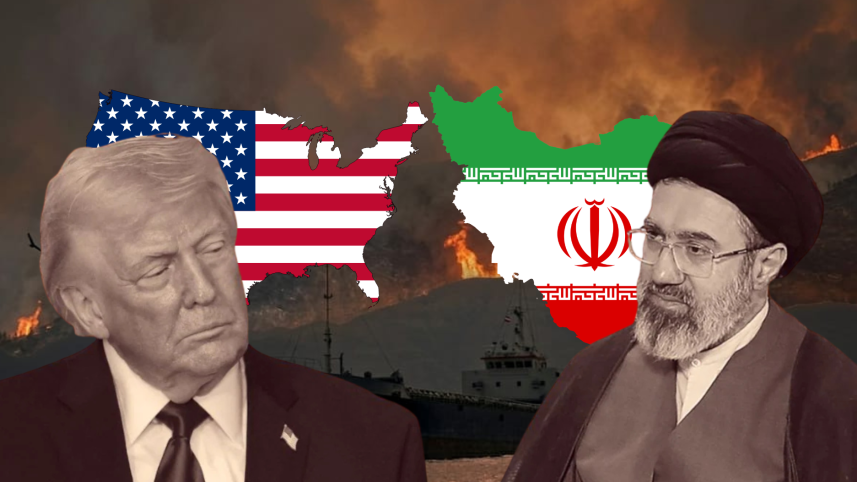
Darwin, October 21: Iran is prolonging negotiations with Washington in an attempt to politically weaken President Donald Trump ahead of the US midterm elections, according…

Darwin, October 21: Today is the auspicious occasion of Bijaya Dashami. The five-day Sharadiya Durga Puja, the biggest religious festival of the Hindu community, officially…

Darwin, October 20: Today is Maha Navami, the ninth day of Sharadiya Durga Puja. Members of the Hindu community will observe the day through religious…

Darwin, October 20: Protests and violence over the rising cost of living have erupted in Italy, one of Europe’s largest economies, following similar unrest in…
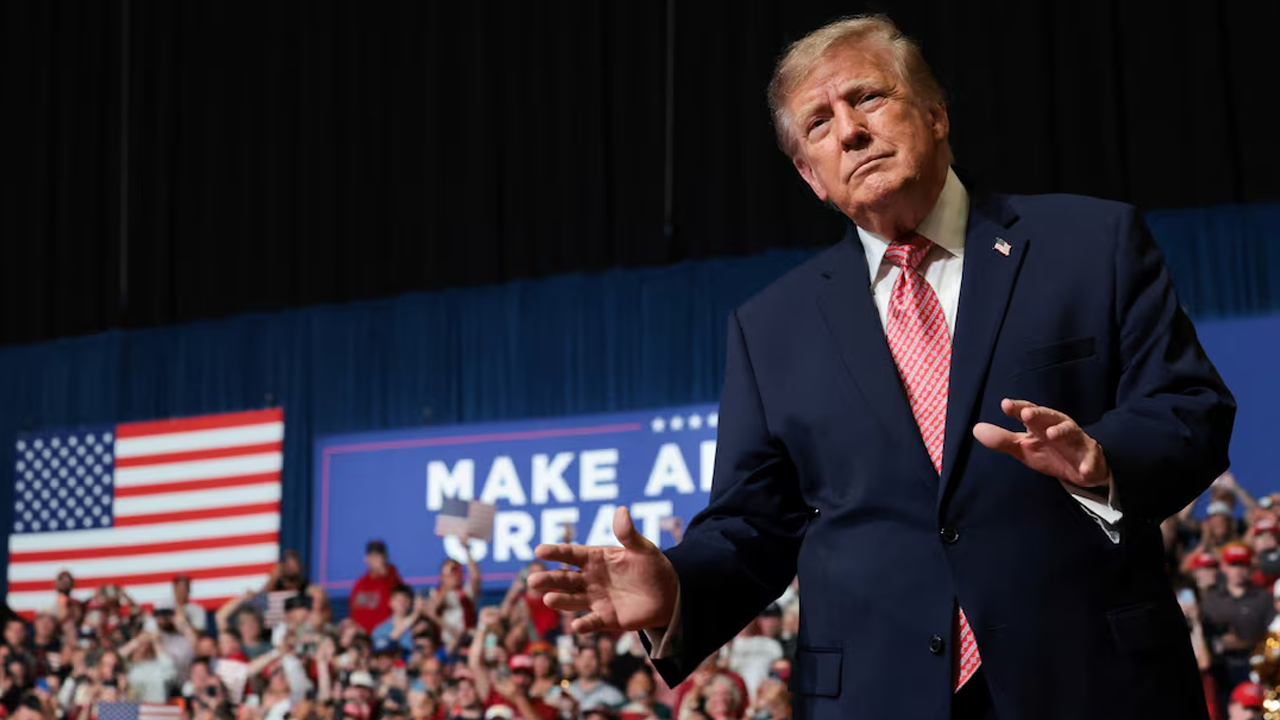
Darwin, October 20: US President Donald Trump has warned that protests and violence similar to those in France could spread across the United States if…
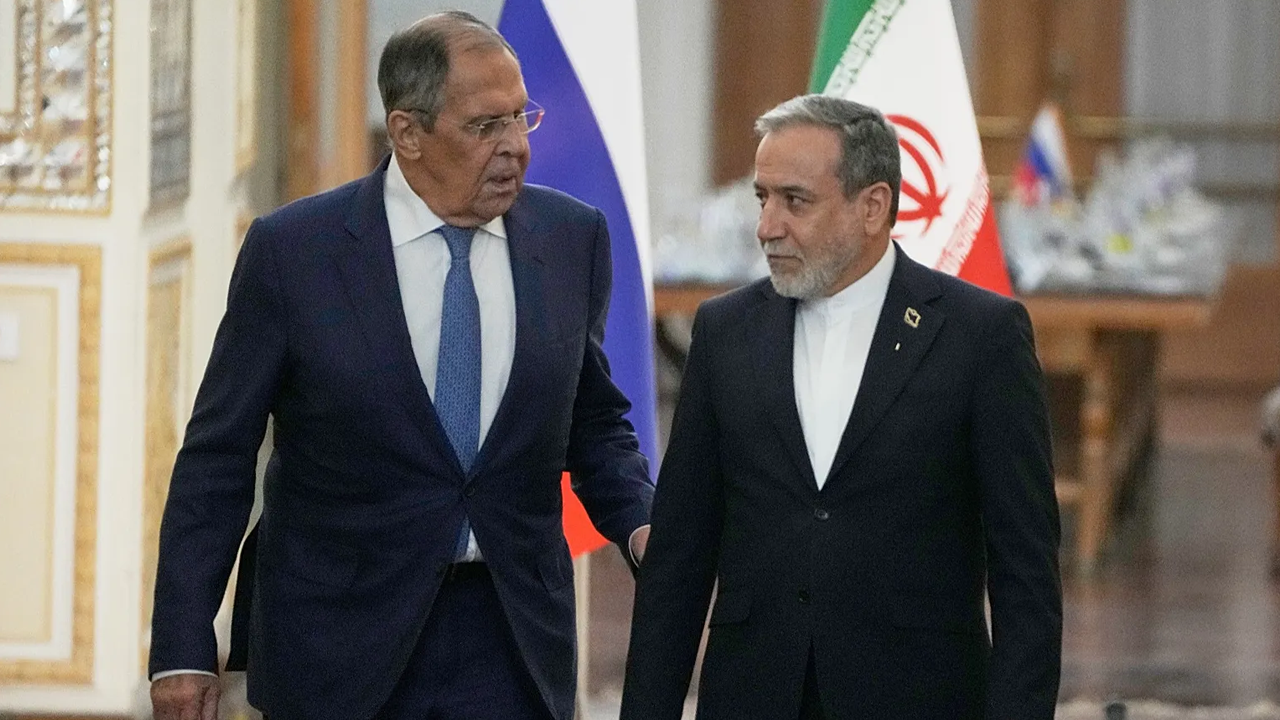
Darwin, October 20: Moscow has reaffirmed its full support for Tehran just hours after US President Donald Trump remarked that Russia was doing very little…

Darwin, October 19: Former Manchester City manager Pep Guardiola has urged the world not to forget the Palestinians in Gaza. In a video for the…