Saudi Crown Prince ‘Shuttles Between Palaces’ Amid Houthi Attacks: Report
Darwin, October 13: Saudi Crown Prince Mohammed bin Salman has reportedly been moving from one palace to another amid growing security concerns as Yemen’s Houthi…



New research from the University of Washington School of Medicine’s Institute for Health Metrics and Evaluation (IHME), published in The Lancet, paints a stark picture of global health: while human longevity has dramatically improved, deep inequities persist, and a troubling new crisis is emerging among the young.
The analysis, which studied 204 countries and territories, found that humans are now living 20 years longer than they were in 1950. In 2023, global life expectancy rebounded to pre-pandemic levels, standing at 76.3 years for women and 71.5 years for men.
COVID-19 dropped sharply from the leading cause of death in 2021 to 20th place in 2023.
Heart disease and stroke have once again risen to become the leading causes of death globally.
The global disease burden is shifting away from infectious diseases (such as measles and tuberculosis) toward Noncommunicable Diseases (NCDs), which now account for about two-thirds of all global mortality and morbidity.
While heart disease and stroke mortality rates have declined since 1990, rates for NCDs like diabetes, chronic kidney disease, and Alzheimer’s disease have alarmingly increased.
IHME Director Dr. Christopher Murray called the findings a “wake-up call,” noting that the world’s aging population and evolving risk factors have “ushered in a new era of global health challenges.”
Youth Mortality Crisis: Suicide, Drugs, and Infectious Disease
One of the most disturbing findings is the “emerging crisis” of rising death rates among adolescents and young adults in several regions:
High-Income North America: The largest increase in deaths among those aged 20 to 39 over the past decade was largely attributed to a surge in suicide, drug overdose, and high quantities of alcohol.
Other Regions: Deaths also increased among those aged 5 to 19 in Eastern Europe, high-income North America, and the Caribbean. In sub-Saharan Africa, rising youth deaths were primarily linked to infectious diseases and unintentional injuries.
A Preventable Burden
The research underscores that a significant portion—about half of the world’s disease burden—is preventable, stemming from modifiable risk factors. The top ten risk factors globally include:
Metabolic Factors: High blood pressure, smoking, high cholesterol, diabetes, and obesity. Between 2010 and 2023, the burden from high body mass index (BMI) increased by 11%.
Environmental Factors: Particulate matter pollution and lead exposure.
Mental Health: The burden from anxiety and depression is also surging globally.
Furthermore, the IHME report highlights the vast global inequities, noting that life expectancy ranges from 83 years in high-income regions to a mere 62 years in sub-Saharan Africa.
Senior author Emmanuela Gakidou warned that decades of progress in low-income regions are “in danger of unraveling due to the recent cuts to international aid,” emphasizing the urgent need for policymakers to expand health priorities and funding to prevent the widening of this gap.
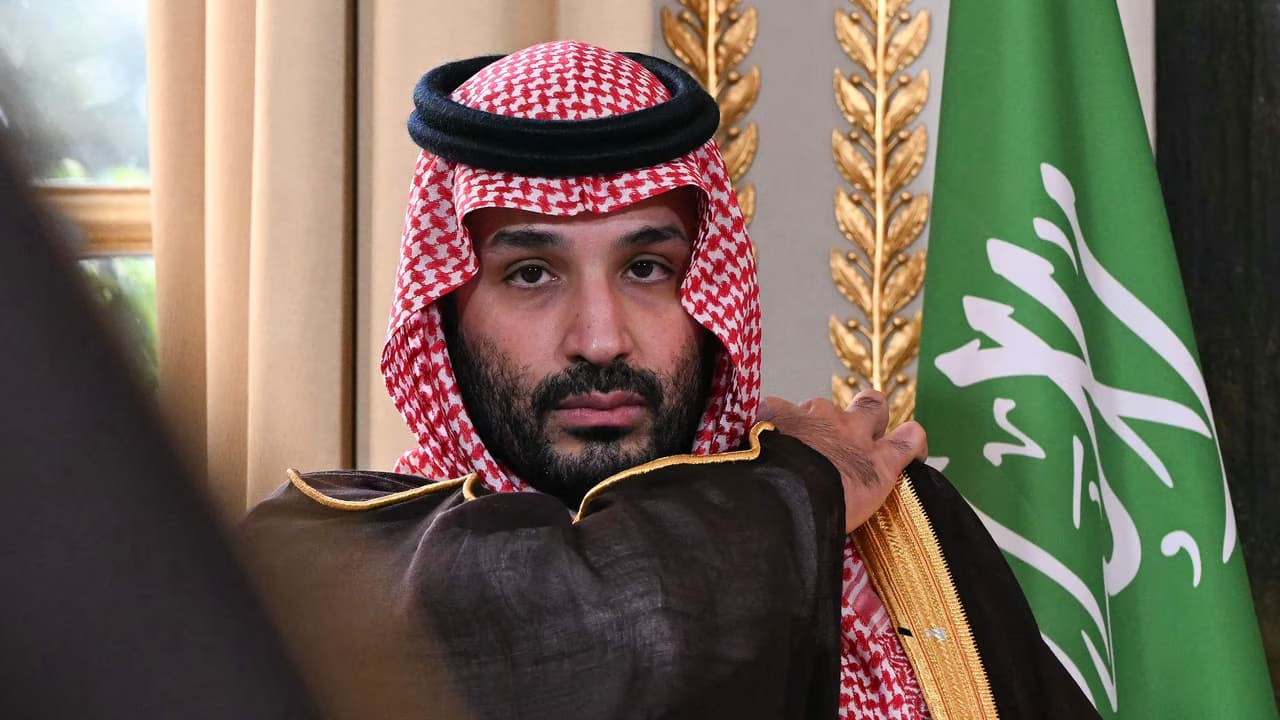
Darwin, October 13: Saudi Crown Prince Mohammed bin Salman has reportedly been moving from one palace to another amid growing security concerns as Yemen’s Houthi…

Darwin, October 12: Saudi Arabia’s Civil Aviation Authority has confirmed an attack on Dammam Airport in the country’s Eastern Province. The confirmation came shortly after…

Darwin, October 12 : A fresh attack has reportedly targeted King Khalid International Airport in Riyadh, the capital of Saudi Arabia, killing one Pakistani national…

Darwin, October 11: US President Donald Trump has called for a new presidential election in Ukraine, suggesting that Volodymyr Zelenskyy has failed to seize opportunities…

Darwin, October 11: At least 12 people have been killed in an attack by Yemen’s Iran-backed Houthi armed group on King Khalid International Airport in…
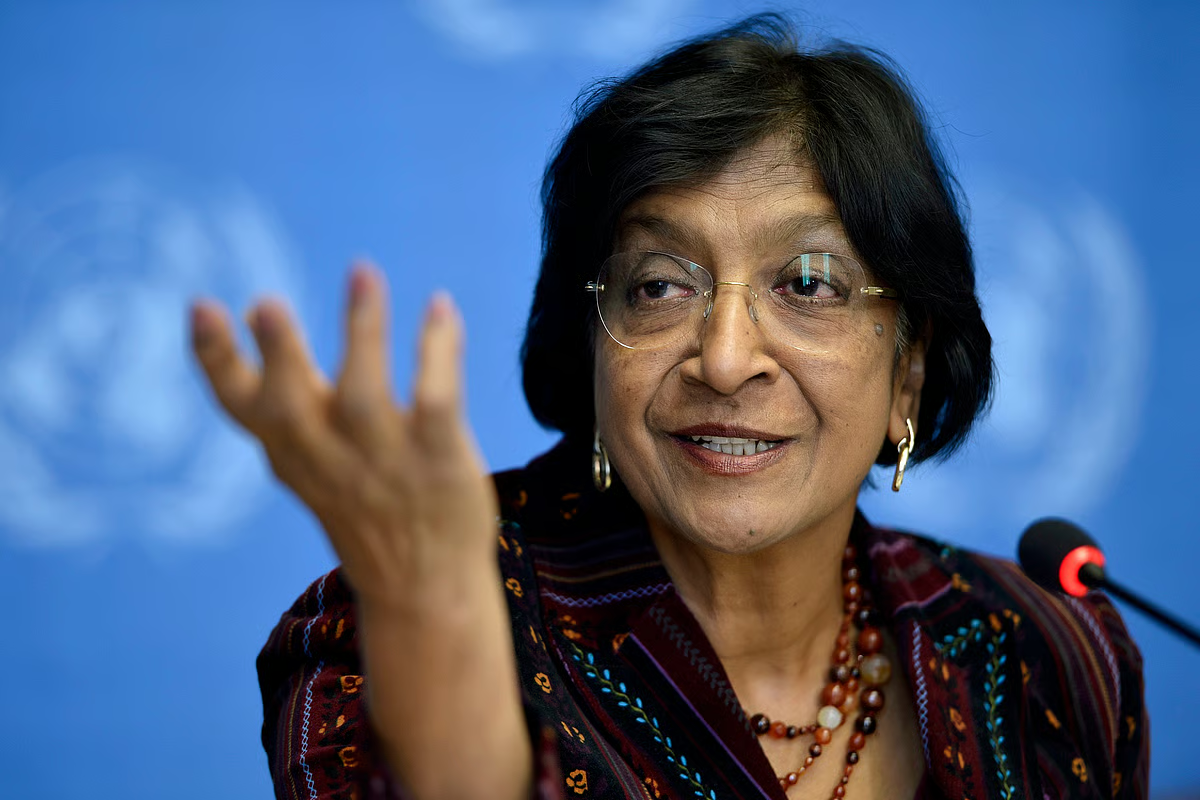
Darwin, October 09: Navanetham “Navi” Pillay, a South African jurist who led a United Nations investigative commission that described Israel’s actions in Gaza as genocide,…

Darwin, October 08: U.S. President Donald Trump said on Wednesday that he deserves to win the Nobel Peace Prize, while expressing doubts that he would…

Darwin, October 07: Russia has finalized preparations to provide Iran with a $1 billion loan. The funds will be transferred once Tehran provides the necessary…