Oil Prices Rise in Global Markets on Fears of Middle East Supply Disruptions
Darwin, October 21: Oil prices rose in global markets on Wednesday as traders grew concerned about potential disruptions to oil supplies in the Middle East,…



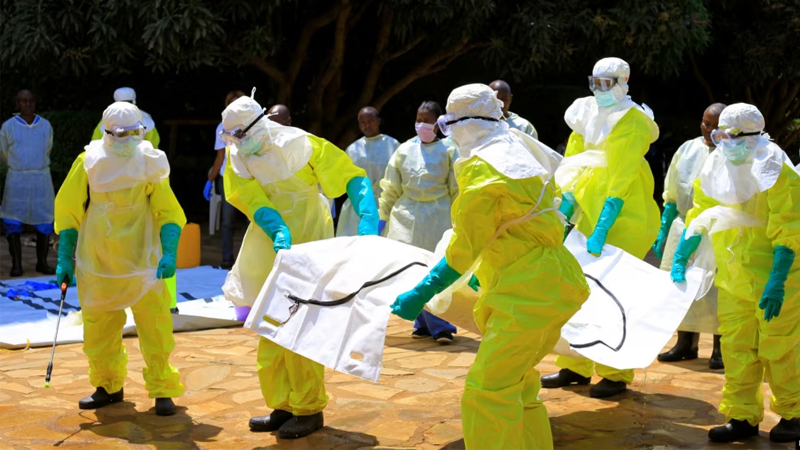
Darwin, 20 May: The Ebola virus outbreak in the Democratic Republic of the Congo (DR Congo) may be spreading far more rapidly than initially believed, the World Health Organization (WHO) has warned.
A resident of Ituri Province in northeastern DR Congo told the British broadcaster BBC that infected people are dying “very quickly.”
WHO Director-General Tedros Adhanom Ghebreyesus expressed “deep concern” over the scale and speed of the outbreak. Health officials fear that the virus may have already been spreading for several weeks before the first case was officially identified on April 24.
According to official figures, 131 people have died from the virus in Congo so far, while more than 513 suspected Ebola cases have been reported across the country. In neighboring Uganda, one death linked to the outbreak has also been confirmed.
WHO official Dr. Anne Ancia told the BBC that the virus has spread rapidly to other areas as well.
A mathematical model published by the London-based MRC Centre for Global Infectious Disease Analysis suggests that many infected individuals remain undetected.
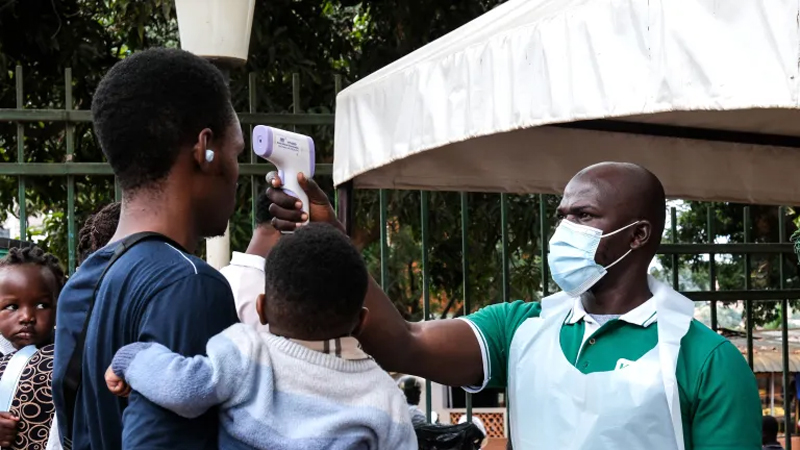
The organization warned that the true number of infections could already have surpassed one thousand. The study described the current outbreak as “much larger” than earlier estimates and said its “true scale remains uncertain.”
In response, several African countries have strengthened border screening measures and are preparing healthcare facilities. Neighboring Rwanda has already closed its border with Congo, while Uganda has advised citizens to avoid hugging and handshakes.
The International Federation of Red Cross and Red Crescent Societies warned that the Ebola situation could quickly spiral out of control if infected people are not identified rapidly, the public is not properly informed, and healthcare systems collapse. According to the organization, all of these warning signs are already visible in the current outbreak.
Ebola is a viral disease whose early symptoms resemble those of the flu, including fever, headache, and fatigue. As the illness progresses, patients may develop vomiting and diarrhea, which can eventually lead to organ failure. Some patients also experience internal and external bleeding.
The virus spreads through contact with bodily fluids such as blood or vomit from an infected person.
The rare “Bundibugyo” strain currently spreading has caused outbreaks only twice before, with roughly one-third of infected patients dying in those incidents.
Previously, the largest Ebola outbreak occurred in West Africa between 2014 and 2016, when more than 28,600 people were infected. That outbreak involved the “Zaire” strain, for which an approved vaccine exists. The epidemic spread across Guinea, Sierra Leone, the United States, the United Kingdom, and Italy, killing 11,325 people.

Darwin, October 21: Oil prices rose in global markets on Wednesday as traders grew concerned about potential disruptions to oil supplies in the Middle East,…
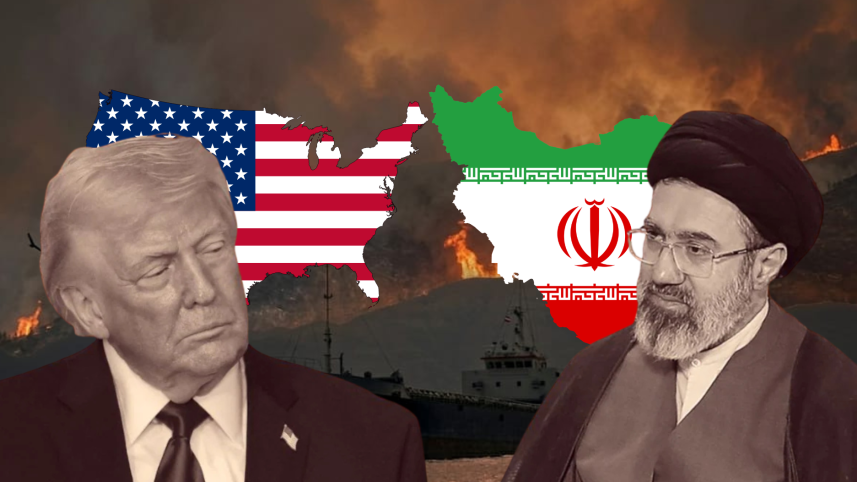
Darwin, October 21: Iran is prolonging negotiations with Washington in an attempt to politically weaken President Donald Trump ahead of the US midterm elections, according…

Darwin, October 21: Today is the auspicious occasion of Bijaya Dashami. The five-day Sharadiya Durga Puja, the biggest religious festival of the Hindu community, officially…

Darwin, October 20: Today is Maha Navami, the ninth day of Sharadiya Durga Puja. Members of the Hindu community will observe the day through religious…

Darwin, October 20: Protests and violence over the rising cost of living have erupted in Italy, one of Europe’s largest economies, following similar unrest in…

Darwin, October 20: US President Donald Trump has warned that protests and violence similar to those in France could spread across the United States if…
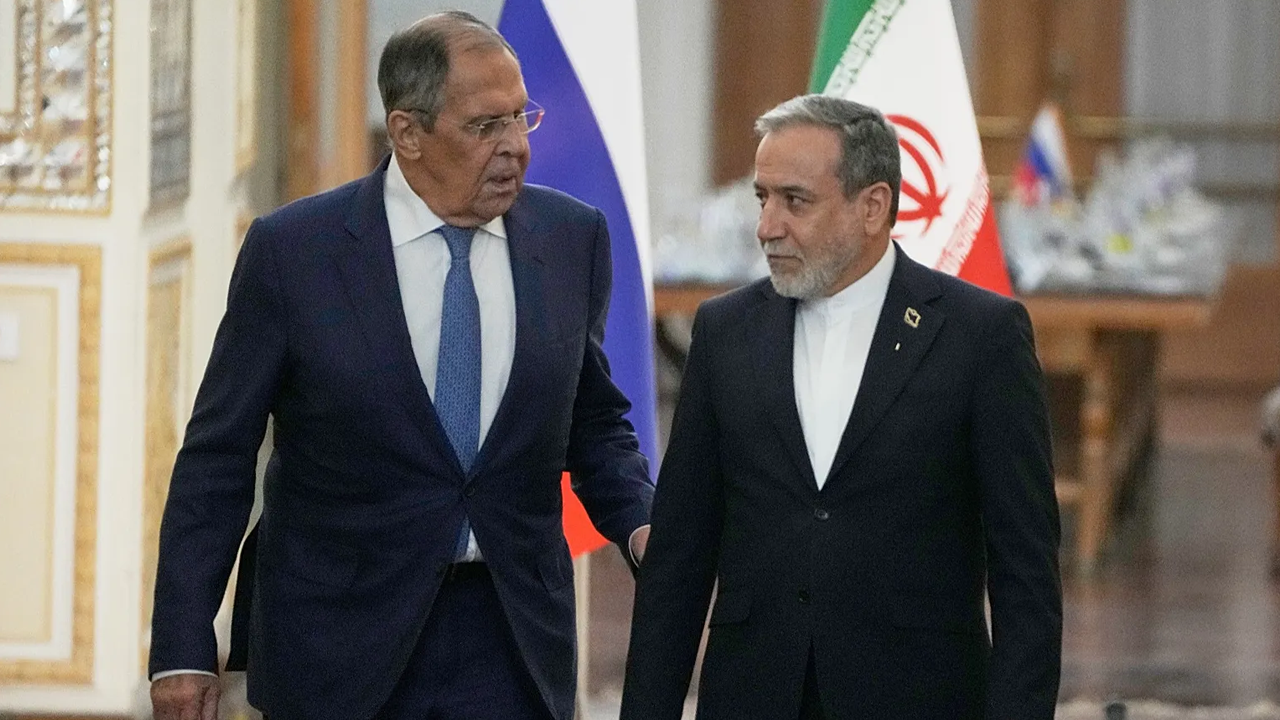
Darwin, October 20: Moscow has reaffirmed its full support for Tehran just hours after US President Donald Trump remarked that Russia was doing very little…

Darwin, October 19: Former Manchester City manager Pep Guardiola has urged the world not to forget the Palestinians in Gaza. In a video for the…