Navi Pillay, Who Fought for Gaza, Wins Nobel Peace Prize
Darwin, October 09: Navanetham “Navi” Pillay, a South African jurist who led a United Nations investigative commission that described Israel’s actions in Gaza as genocide,…



It was a moment two years in the making, a scene of raw, overwhelming emotion that instantly swept across a nation. On Monday, the final chapter of a painful two-year ordeal began to close as the last 20 living Israeli hostages were released from captivity in the Gaza Strip.
The image that captured the national heart was that of Matan Zangauker, 25, walking to freedom and into the waiting arms of his mother, Einav.
In footage released by the Israeli military, Einav Zangauker is seen pulling her son into a fierce, life-affirming embrace. “You’re my life,” she exclaims, her voice thick with emotion. “My life. My hero. Come, come.”
Matan, who was captured during the Hamas-led attacks of October 7, 2023, along with his partner Ilana Gritzewsky (who was released during a separate ceasefire in November 2023), was a symbol of the struggle for survival. His release was the crowning moment for his mother, Einav, who had become one of the most prominent, tireless, and recognizable figures in the movement demanding the government agree to a hostage exchange.
Just last week, Einav and her daughter had stood in Tel Aviv’s Hostages Square—the focal point of the nation’s agonizing wait—to celebrate the US-brokered ceasefire deal. On Monday, that square transformed into a national celebration.

Relatives of Israeli hostage Eitan Horn pictured as they awaited his release
National Celebration: Tears, Flags, and Unity
Crowds had gathered in Hostages Square for hours, watching the news unfold on big screens. When the footage of the former captives finally returning to Israeli soil appeared, the square erupted in cheers and tears of joy.
People waved Israeli and US flags—acknowledging the critical role of US President Donald Trump’s peace plan in brokering the deal—and held up tattered photos of the now-freed hostages. Signs declared simply: “They’re Coming Home.”
The mood was one of rare, profound national unity, temporarily setting aside the deep divisions that had marked the country before and during the conflict.
As teenager Yarden, who was present in the square, told the BBC: “We’re here for the hostages, their release and to celebrate them. Today all Israelis are together—it’s not about left or right, it’s about all being together to celebrate the hostages.”
Another attendee, Inbar Goldstein, whose own relatives were released in the November 2023 ceasefire, reflected the bittersweet relief felt across the country. She admitted to feeling “happy and thankful” but acknowledged that “sad days are still ahead.”

Released hostage Evyatar David grins as he arrives at a medical centre in the outskirts of Tel Aviv
The Journey Home: From Captivity to Care
The process of freedom was carefully managed to ensure the safety and immediate care of the former captives.
The 20 living hostages were collected by the International Committee of the Red Cross (ICRC), which acted as a neutral intermediary, from pre-arranged meeting points within Gaza.
From there, they were taken to reception points near the border, where they were given their first moments of reunion with loved ones. Shortly after, they were airlifted via military helicopters to various hospitals across Israel. This next phase is crucial: beginning the long and complex journey of physical and psychological treatment and rehabilitation.
The families understand the road ahead is arduous. In a video call with Matan shortly after his release, his mother, Einav, declared: “Thank God, the war is over. The war is over.”
The family later released a statement focusing on the future: “After two years of hell, today we begin a new chapter of our lives—one of healing and rehabilitation.”
This sentiment was echoed by others. The family of Eitan Horn, who was also captured from Nir Oz, said they would now offer “hugs and lots of love and we will accompany him through the entire recovery process.”
For the relatives of Evyatar David, 24, who was taken from the Nova music festival and whose suffering was made public in a harrowing video released by Hamas in August, the feeling was one of enduring faith. “After two years of suffering, he is here. Now a new journey of healing will begin for Evyatar and us,” they stated.
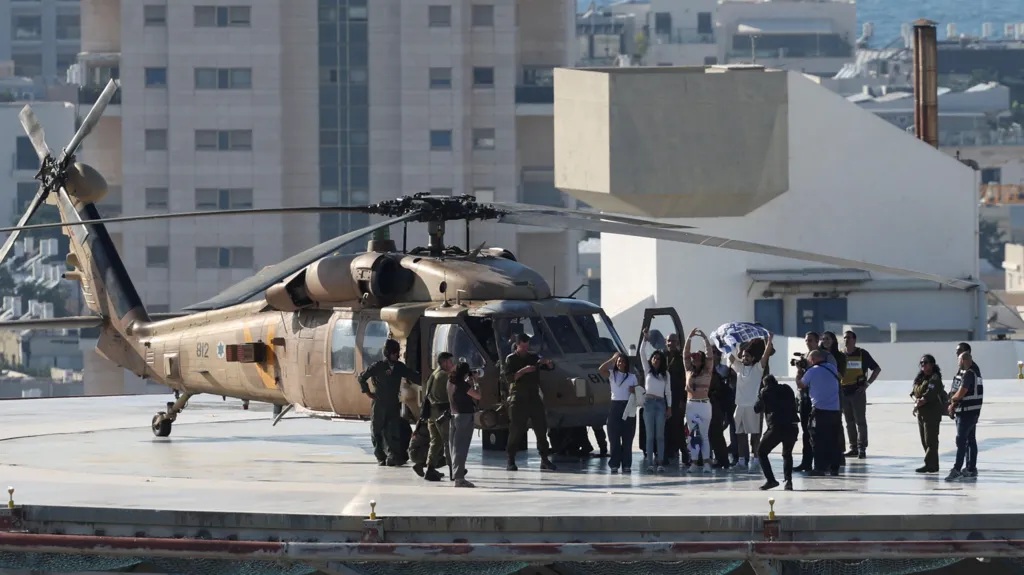
Matan stands with his mother and waves as he arrives at a medical centre in Tel Aviv by helicopter
The Unfinished Business of Closure
While the return of the living hostages brought elation, the national relief remains tempered by the somber reality facing the families of those killed in captivity.
The release deal—which also involved the return of Palestinian prisoners—had outlined that the remains of all 28 deceased hostages should be handed over. However, on Monday, Hamas only released four bodies, stating that they may not be able to locate the remains of all the dead captives.
The Israel Defense Forces (IDF) immediately began carrying out forensic tests to confirm the identities of the four bodies before officially informing the families. The military then issued a firm statement urging Hamas to “uphold its end of the deal” by returning all of the bodies.
The delay means that true closure remains elusive for many. Matan Zangauker’s family acknowledged this difficult truth, stating that their fight was not over. “We will continue to stand beside the bereaved families and to fight until the last hostage is brought home,” they said.
The full exchange component of the deal also saw the release of approximately 250 Palestinian prisoners convicted of crimes against Israelis, as well as around 1,700 detainees from Gaza who had been held without formal charge.
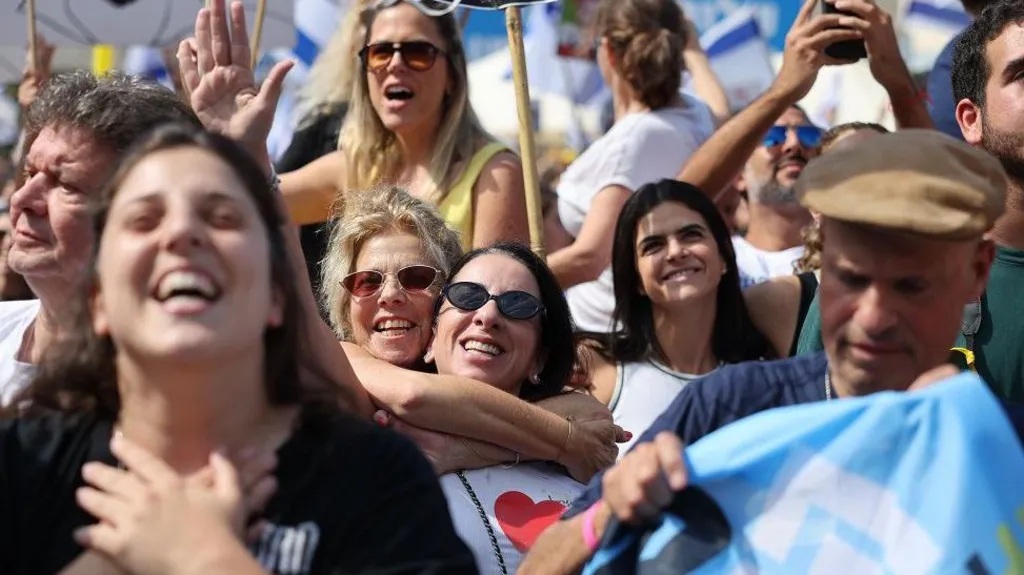
Israelis celebrated in Hostage Square in Tel Aviv
As the nation transitions from two years of agonizing uncertainty to the reality of the post-war phase, the focus shifts to recovery, memory, and the immense task of bringing about an emotional and physical healing process for the entire country.
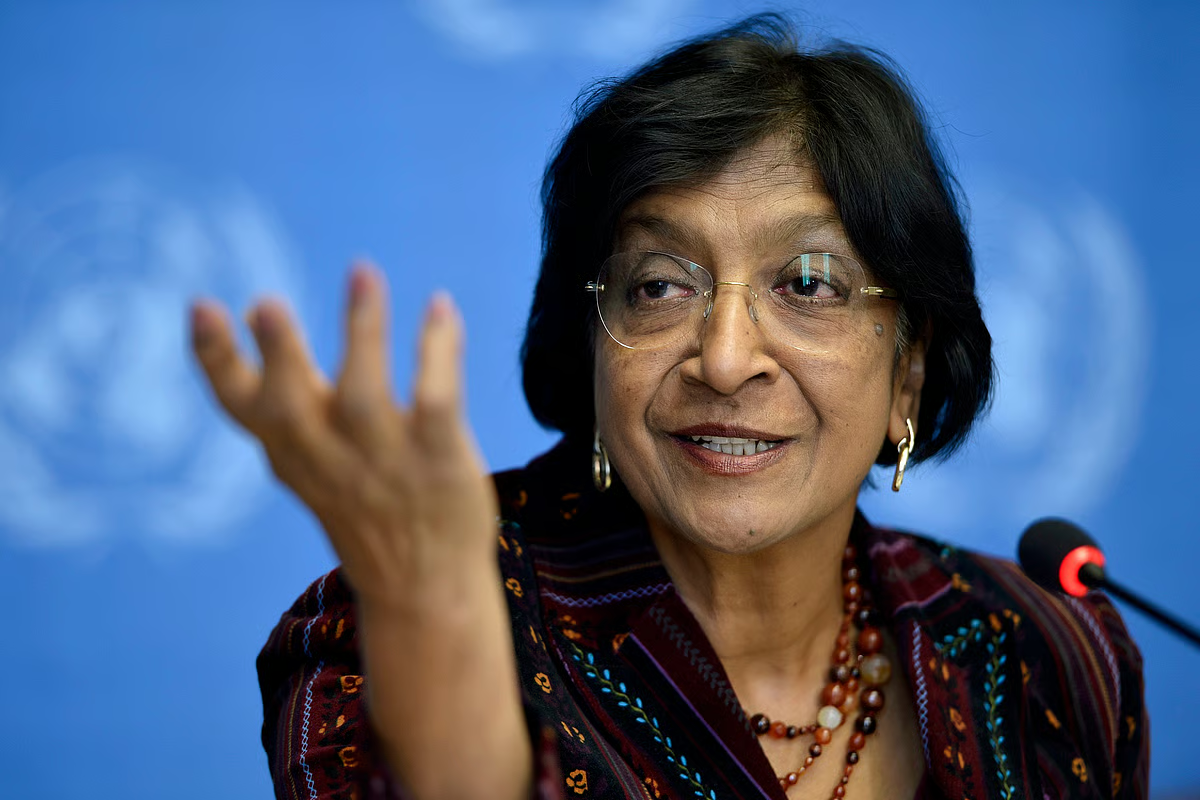
Darwin, October 09: Navanetham “Navi” Pillay, a South African jurist who led a United Nations investigative commission that described Israel’s actions in Gaza as genocide,…
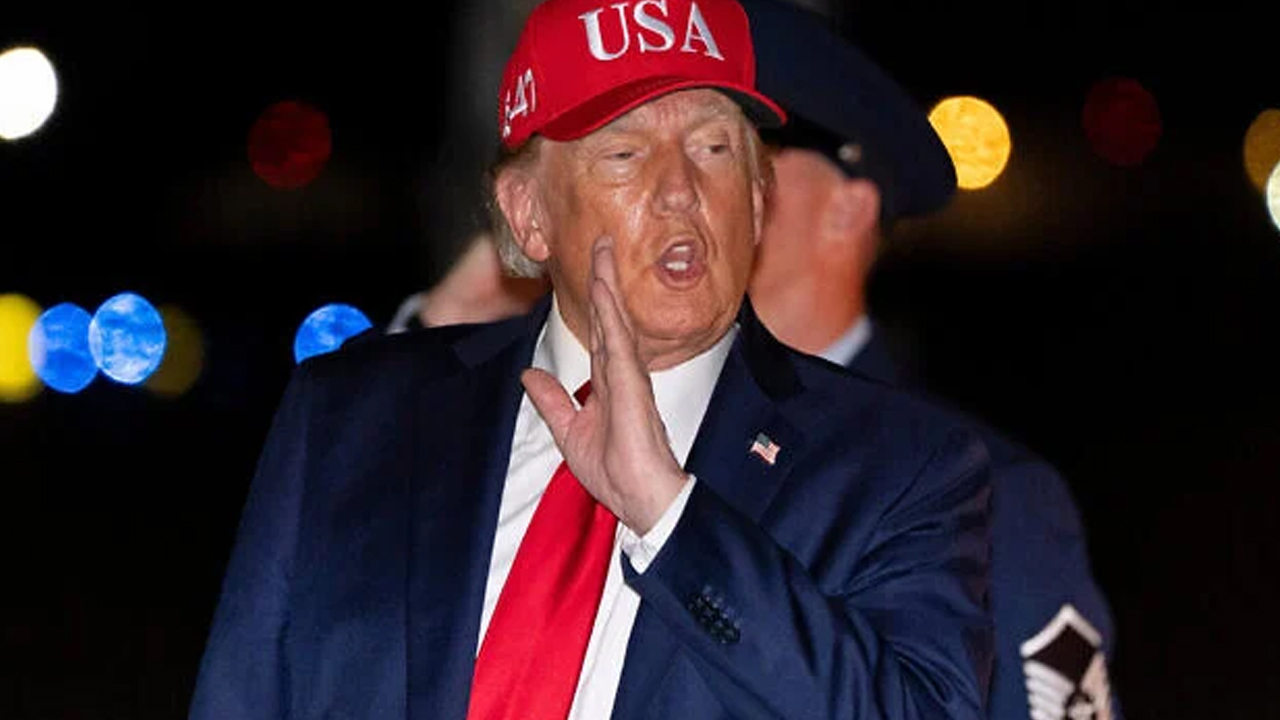
Darwin, October 08: U.S. President Donald Trump said on Wednesday that he deserves to win the Nobel Peace Prize, while expressing doubts that he would…
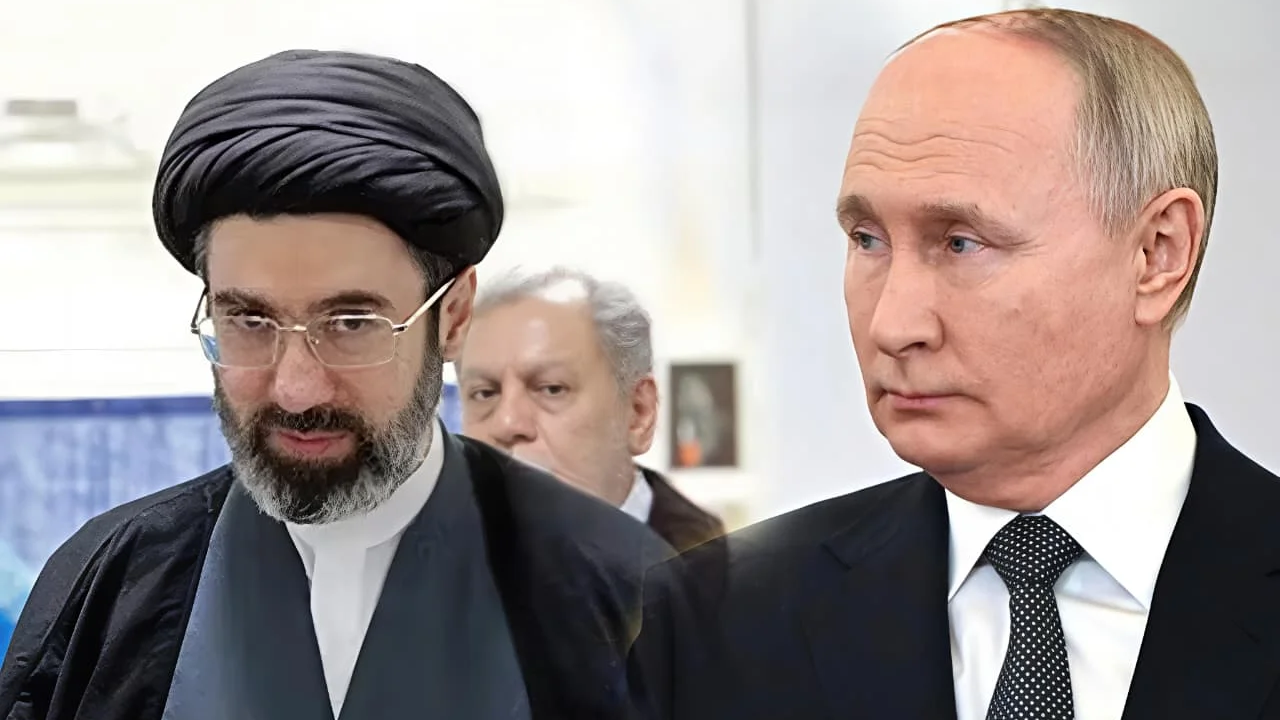
Darwin, October 07: Russia has finalized preparations to provide Iran with a $1 billion loan. The funds will be transferred once Tehran provides the necessary…
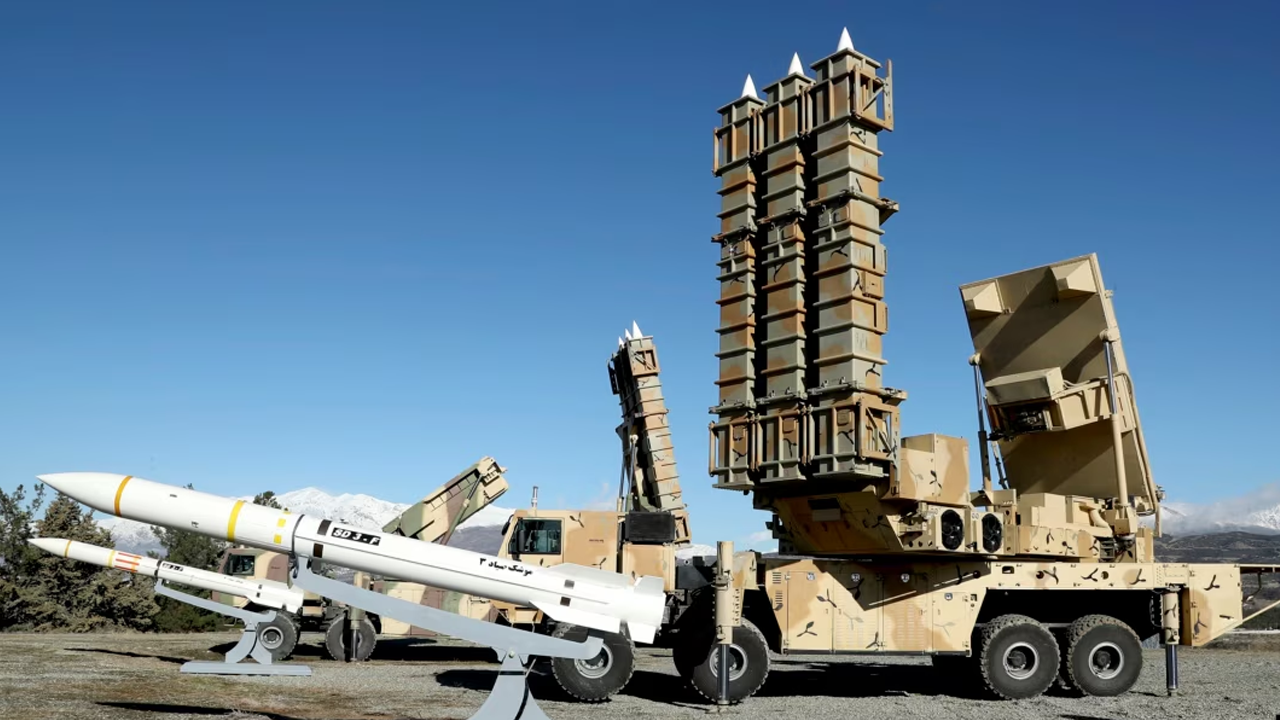
DARWIN, October 7: Iran has warned that it will deliver a stronger response if the United States or Israel launches another attack. The country also…
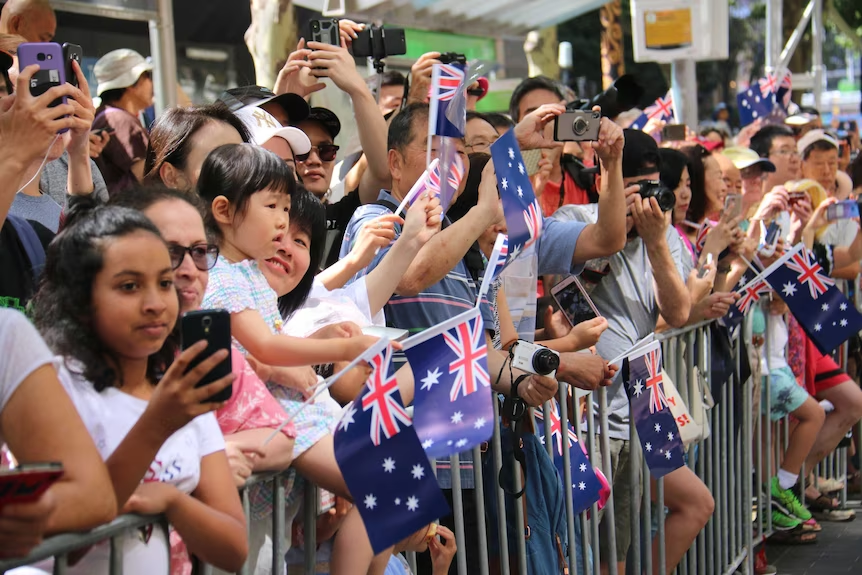
Darwin, October 05: Deaths in Australia are expected to outnumber births by the 2060s, according to a government report, marking a demographic milestone that countries…
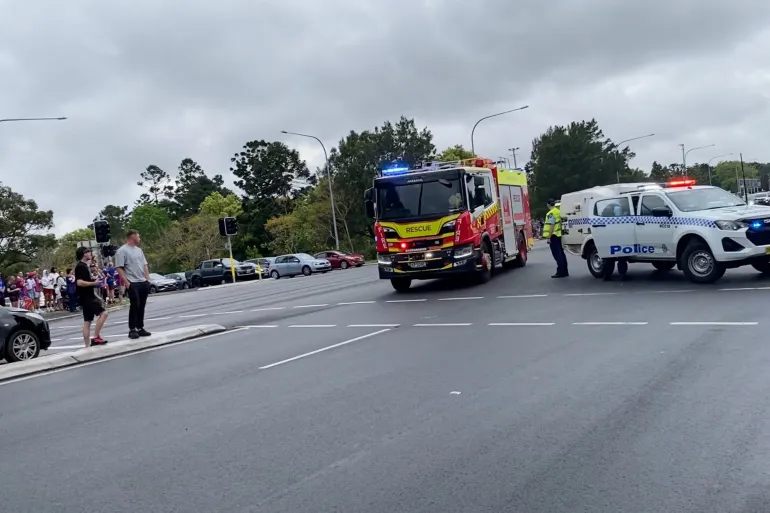
Darwin, October 04: Ten people, including three children, have been injured after a car crashed into a crowd of rugby league fans in Newcastle, eastern…
Darwin, October 4: Australia’s central bank has raised interest rates to their highest level in 15 years, increasing mortgage repayments for millions of Australian households….

Darwin, October 3: Under pressure from US President Donald Trump to bring down rising fuel prices, G7 leaders are set to release up to 100…