US Forces to Leave Iraq After Two Decades and 4,500 Military Deaths
Darwin, September 30 : The United States is preparing to withdraw its military forces from Iraq after more than two decades of war and the…



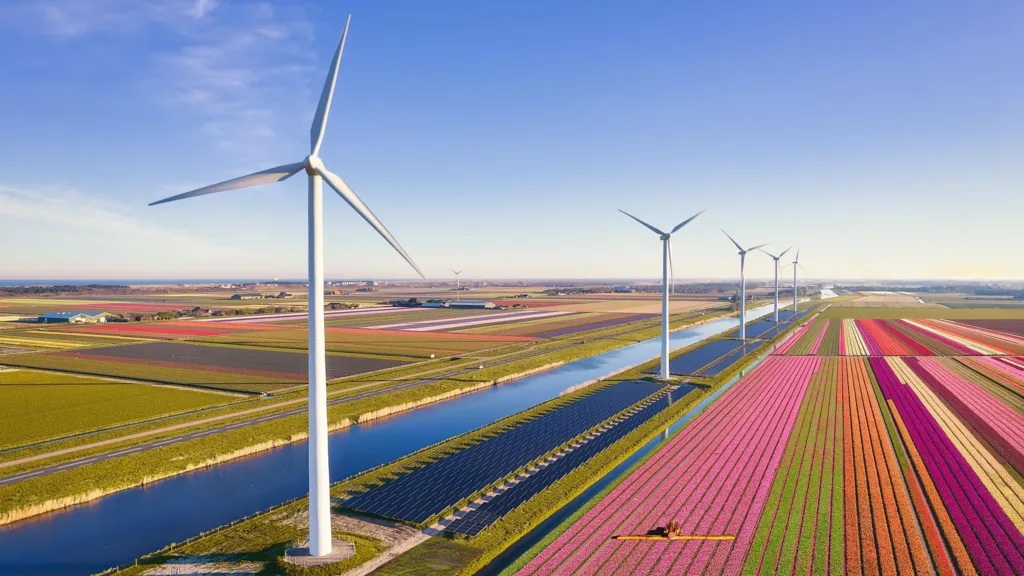
ROTTERDAM, NETHERLANDS — In a startling reversal of fortunes, the Netherlands, a pioneer in green energy adoption, is grappling with a severe “grid congestion” crisis that is crippling its national electricity network, forcing the government to ask citizens to ration power.
A new government TV campaign, “Flip the Switch,” features an actress warning viewers: “When we all use electricity at the same time, our power grid gets overloaded… So, use as little electricity as possible between four and nine.”
This unprecedented plea is a sign of a deeply rooted problem: the country’s rapid shift to renewable sources—including the highest number of solar panels per person in Europe and a massive surge in electric vehicle charging—has overwhelmed an outdated grid. The problem is structural, according to Kees-Jan Rameau, CEO of Dutch energy producer Eneco.
“Grid congestion is like a traffic jam on the power grid,” Rameau explained. The network was originally designed around a few large, centralized gas power plants, with smaller power lines running out to homes. Now, power from decentralized wind turbines and the more than one-third of Dutch homes with solar panels is being “injected into the grid in the outskirts… where there are only relatively small power lines.” These smaller lines cannot cope with the volume.
Professor Damien Ernst of Liege University in Belgium called the crisis an expensive problem that reflects a broader Europe-wide issue, stating it will take “years and billions of dollars to solve this.” The immediate consequence of grid congestion is a halt on expansion. For homes and companies seeking a new or larger electricity connection—whether to install a heat pump or expand operations—the answer is increasingly no.
The crisis has become so severe that it is hampering new housing construction and is costing the Dutch economy up to €35 billion a year, according to a 2024 report by the Boston Consulting Group.
Government-owned grid operator Tennet has massive waiting lists:
8,000 companies waiting to feed electricity into the grid.
12,000 others waiting for permission to use more power.
Nienke Homan, President of the Dutch Chemical Association, warned that grid congestion is “putting the future of the Dutch chemical industry at risk.”
Years of Delays to Fix the Grid
The Dutch government concedes that the speed of electricity consumption growth “might have been collectively underestimated.”
Tennet is now planning to spend an astronomical €200 billion ($235bn) on reinforcing the grid, including laying some 100,000km (62,000 miles) of new cables by 2050.
However, the reinforcement process is painfully slow. Eugene Beijings, who is in charge of grid congestion with Tennet, said it takes an average of 10 years for a project to go live—with the first eight years consumed by legislation and securing property rights to lay cables.
“The energy transition is going that fast that we cannot cope with it, with the existing grid,” Beijings noted.
In an effort to manage demand, the government’s National Grid Congestion Action Plan is focused on speeding up permits and incentivizing people to use less power during peak times. Furthermore, the financial incentive for homes to feed surplus solar electricity back into the grid is being dramatically reduced, with some people even having to pay to supply power during peak supply times.

Darwin, September 30 : The United States is preparing to withdraw its military forces from Iraq after more than two decades of war and the…
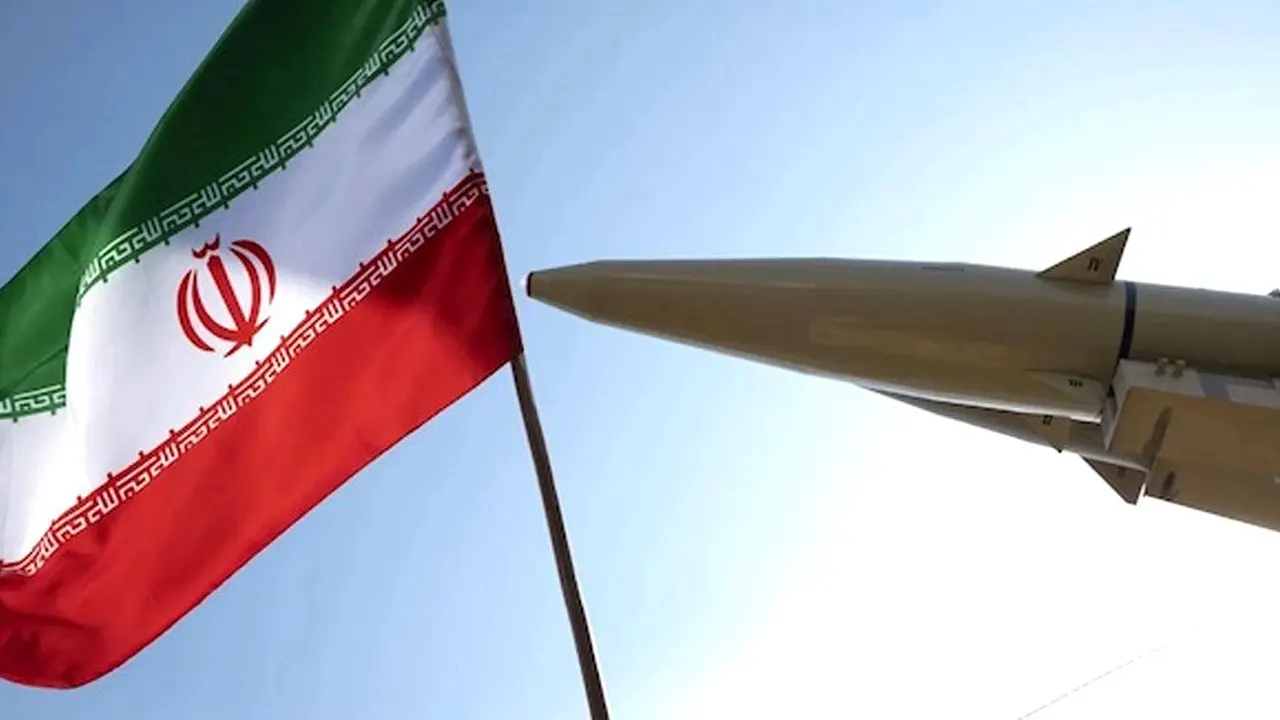
Darwin, September 30: Russia has urged Iran not to withdraw from the Treaty on the Non-Proliferation of Nuclear Weapons (NPT), calling on Tehran to remain…
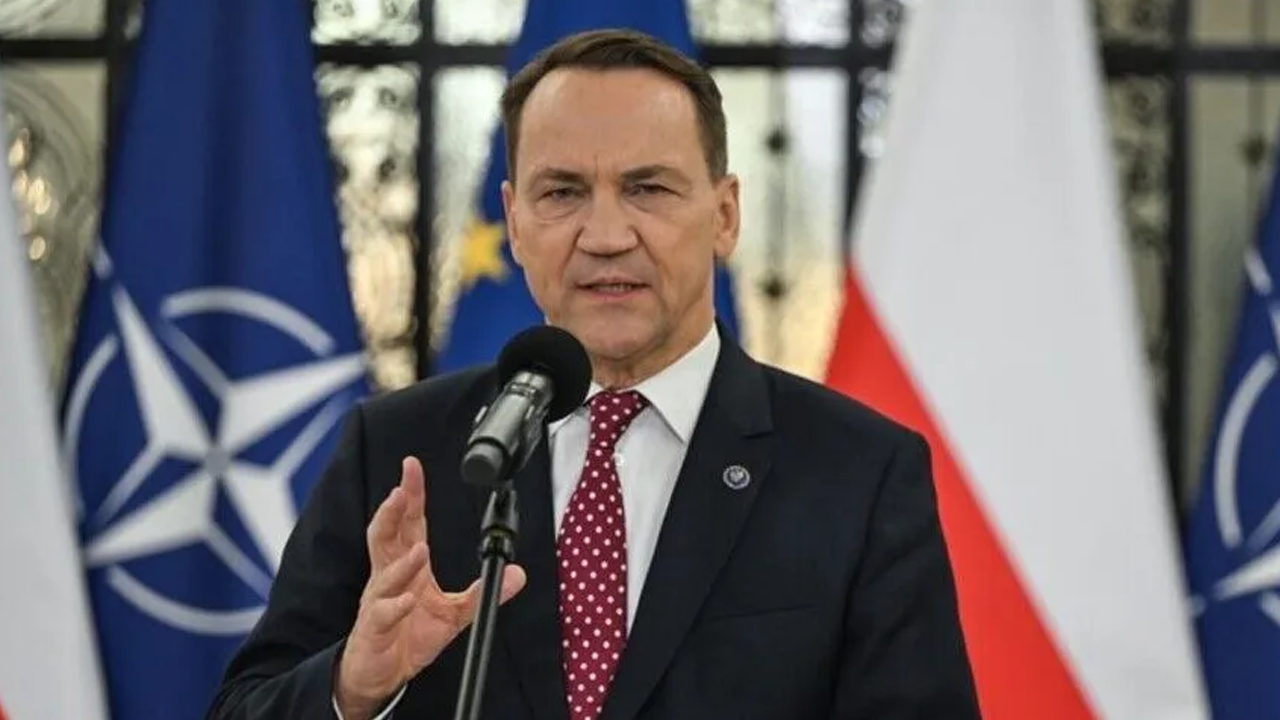
Darwin, September 30: Russia currently lacks sufficient military capability to launch a major attack against NATO because its forces are engaged in the war in…
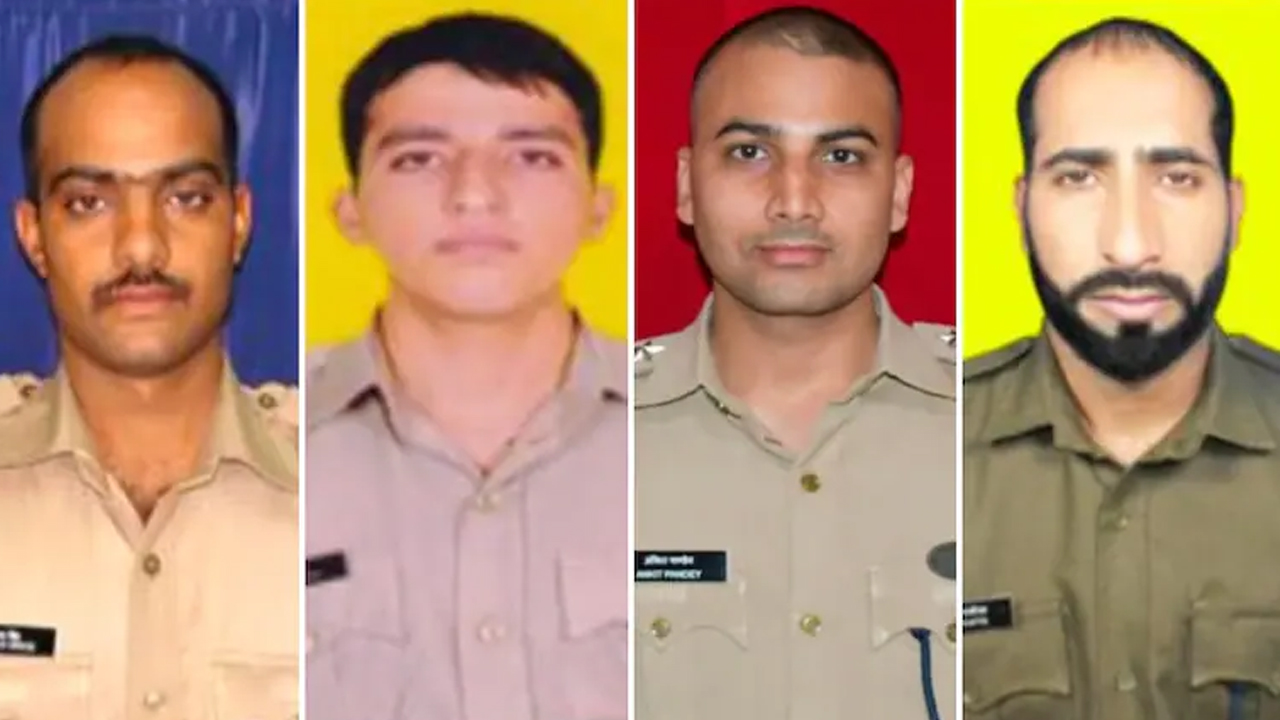
Four personnel of India’s Central Industrial Security Force (CISF), including an officer, were killed after a colleague allegedly opened fire on them at a hydropower…

Darwin, September 25: The Netherlands is seeking to build an international coalition to evacuate at least 1,000 sick and injured children from Gaza for medical treatment,…

Darwin, September 25: Police arrested at least 100 people, including Oscar-winning actress Susan Sarandon, during a protest against Israeli Prime Minister Benjamin Netanyahu outside the…
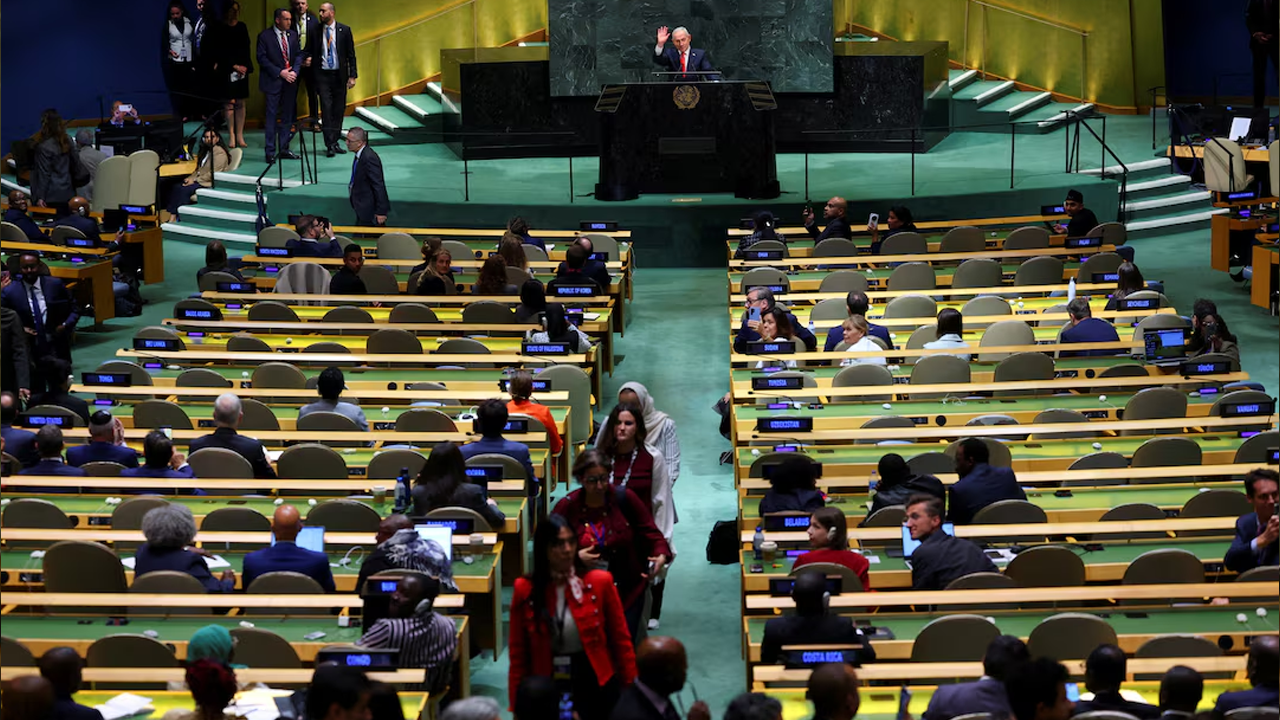
Darwin, September 25: Representatives from Bangladesh and 76 other countries walked out of the United Nations General Assembly hall as Israeli Prime Minister Benjamin Netanyahu…
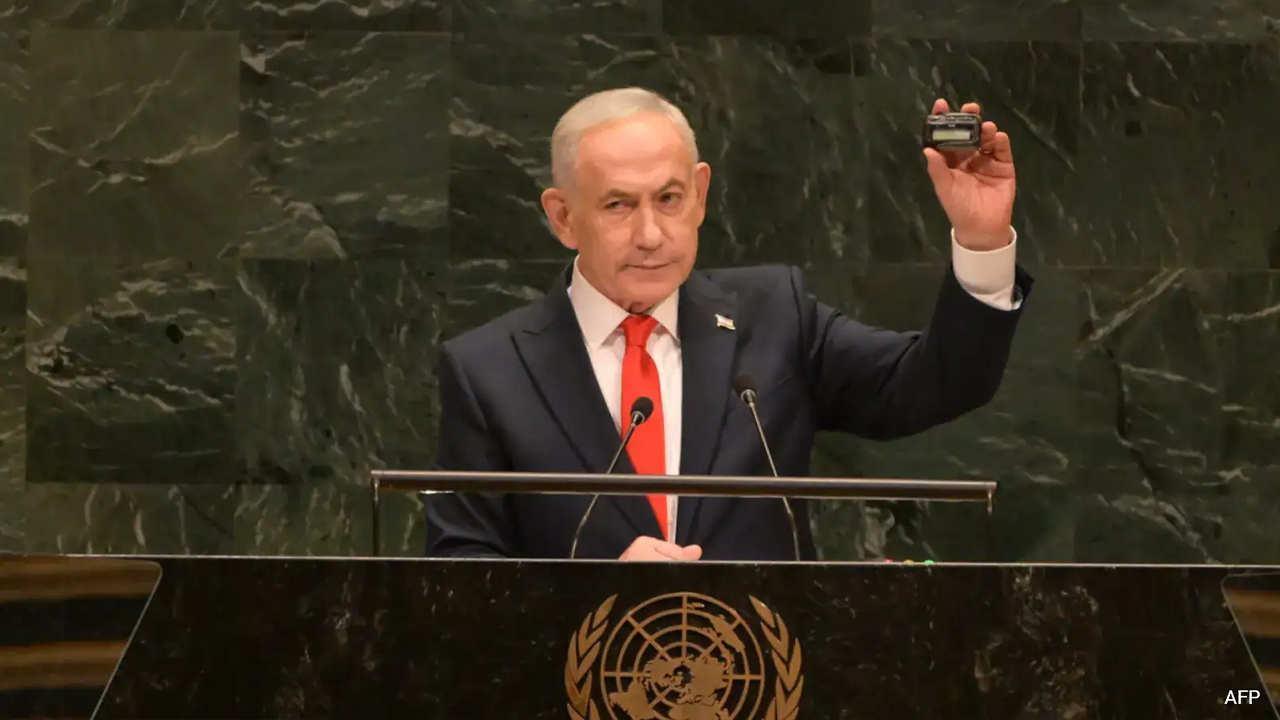
Darwin, September 25 : Israeli Prime Minister Benjamin Netanyahu brought a pager to the United Nations General Assembly while delivering a speech, using it to highlight…