Navi Pillay, Who Fought for Gaza, Wins Nobel Peace Prize
Darwin, October 09: Navanetham “Navi” Pillay, a South African jurist who led a United Nations investigative commission that described Israel’s actions in Gaza as genocide,…



LONDON / BERLIN – A simple blood test capable of screening for more than 50 types of cancer has shown impressive results in a North American trial, suggesting a potentially revolutionary new approach to early cancer diagnosis.The Galleri test, developed by American firm Grail, works by detecting fragments of cancerous DNA circulating in the bloodstream. A trial involving 25,000 adults in the US and Canada found that the test successfully identified a wide array of cancers, with a majority (three-quarters) being types for which no national screening programme currently exists, such as ovarian, pancreatic, liver, stomach, and bladder cancer.Crucially, the study showed that the test detected over half of the cancers at an early stage, significantly improving the chance of successful treatment and potential cure.
Study Highlights and Clinical ImpactThe trial tracked participants for a year, during which fewer than 1 in 100 received a positive result. Of those positives, cancer was confirmed in 62%.Lead researcher Dr. Nima Nabavizadeh of Oregon Health & Science University stated that the data could “fundamentally change” the current approach to cancer screening, helping to detect many types of cancer “earlier, when the chance of successful treatment or even cure are the greatest.”Key findings of the study include:Early Detection: More than 50% of cancers were found at a stage where they are highly treatable.
Targeting Unscreened Cancers: Three-quarters of the detected cancers were not covered by existing national screening (breast, bowel, cervical).Accuracy: When combined with current screening, the test increased the overall number of cancers detected seven-fold.False Positives/Negatives: The test correctly ruled out cancer in over 99% of those who tested negative and correctly identified the origin of the cancer in 9 out of 10 confirmed cases.The Path to NHS AdoptionThe Galleri test is currently being trialled by the NHS in England in a large-scale, three-year study involving 140,000 patients. Sir Harpal Kumar, president of biopharma at Grail, called the results “very compelling” and emphasized the opportunity to find “more aggressive cancers at a much earlier stage.
“However, experts caution that more robust evidence is needed before widespread adoption. Clare Turnbull, professor of translational cancer genetics at The Institute of Cancer Research, London, stressed that “Data from randomised studies, with mortality as an endpoint, will be absolutely essential” to prove that the test’s ability to detect cancer earlier translates into reduced patient deaths.Naser Turabi of Cancer Research UK also noted the need for further research to “avoid overdiagnosing cancers that may not have caused harm.”The topline results are being presented at the European Society for Medical Oncology congress in Berlin, though the full peer-reviewed data is pending publication. The final results of the NHS trial, due next year, will ultimately determine if the test is rolled out to a further one million people, fundamentally changing how the UK diagnoses cancer.
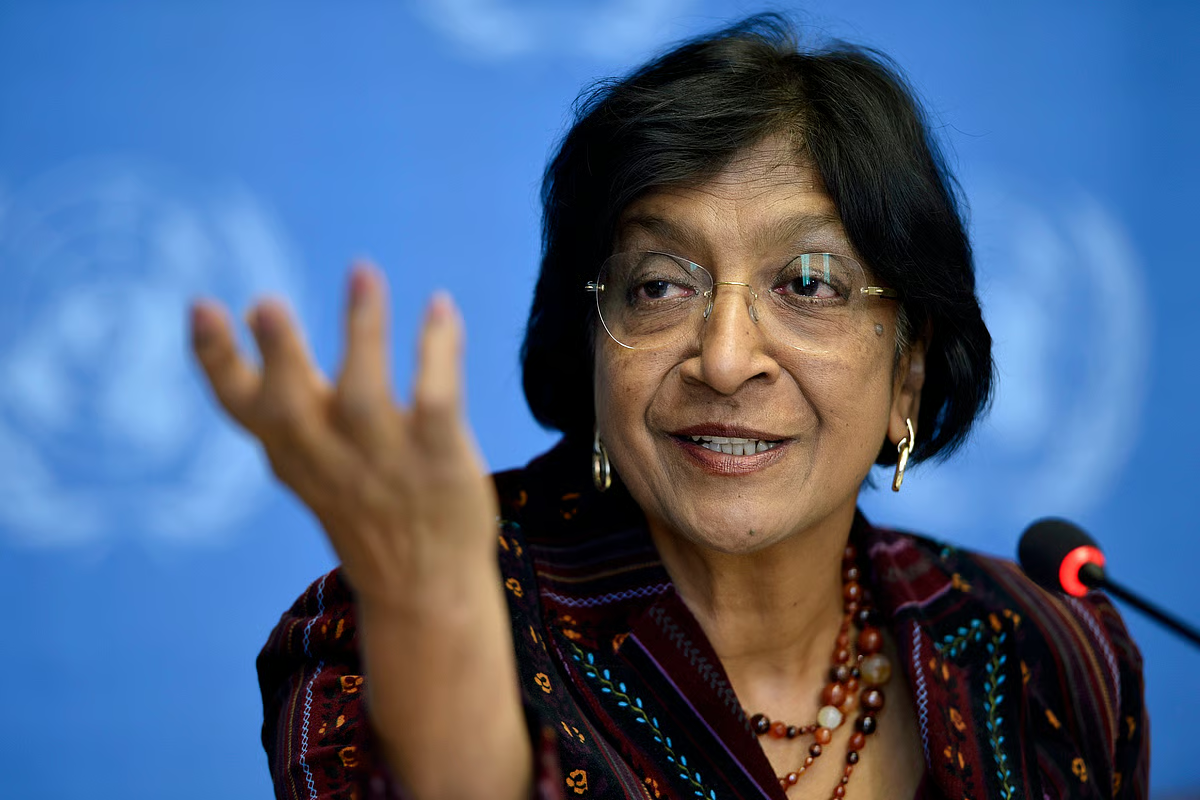
Darwin, October 09: Navanetham “Navi” Pillay, a South African jurist who led a United Nations investigative commission that described Israel’s actions in Gaza as genocide,…

Darwin, October 08: U.S. President Donald Trump said on Wednesday that he deserves to win the Nobel Peace Prize, while expressing doubts that he would…

Darwin, October 07: Russia has finalized preparations to provide Iran with a $1 billion loan. The funds will be transferred once Tehran provides the necessary…
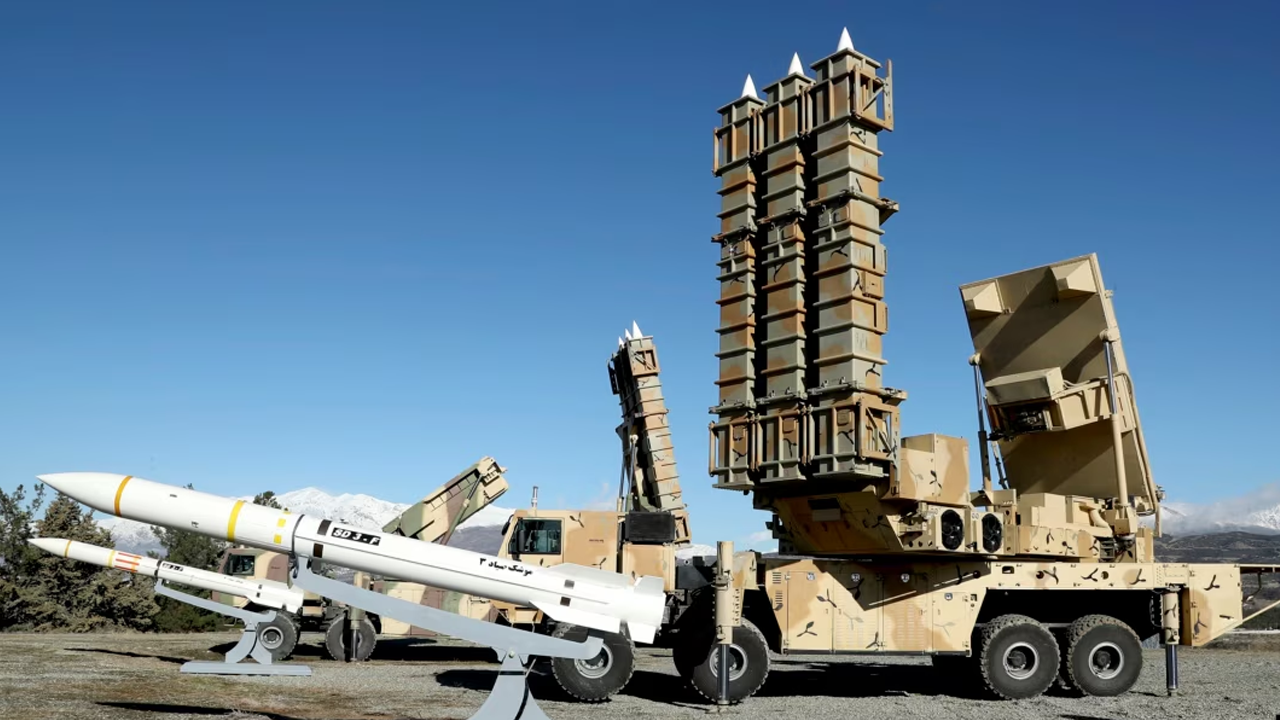
DARWIN, October 7: Iran has warned that it will deliver a stronger response if the United States or Israel launches another attack. The country also…

Darwin, October 05: Deaths in Australia are expected to outnumber births by the 2060s, according to a government report, marking a demographic milestone that countries…

Darwin, October 04: Ten people, including three children, have been injured after a car crashed into a crowd of rugby league fans in Newcastle, eastern…

Darwin, October 4: Australia’s central bank has raised interest rates to their highest level in 15 years, increasing mortgage repayments for millions of Australian households….

Darwin, October 3: Under pressure from US President Donald Trump to bring down rising fuel prices, G7 leaders are set to release up to 100…