Navi Pillay, Who Fought for Gaza, Wins Nobel Peace Prize
Darwin, October 09: Navanetham “Navi” Pillay, a South African jurist who led a United Nations investigative commission that described Israel’s actions in Gaza as genocide,…



Darwin, 07 November— In a groundbreaking conservation effort, scientists in Hawaii are releasing millions of lab-bred mosquitoes from drones in an attempt to save the islands’ rapidly vanishing native birds — particularly the rare honeycreepers.
Last June, residents of Hawaii witnessed a strange sight in the skies: small biodegradable pods floating down from drones, each containing about a thousand mosquitoes. But these were not ordinary mosquitoes. They were laboratory-bred male mosquitoes infected with Wolbachia, a naturally occurring bacterium that prevents females from producing viable eggs after mating.
The goal is clear — to curb invasive mosquito populations that spread avian malaria, a deadly disease threatening the survival of native Hawaiian birds. These mosquitoes are not native to Hawaii; scientists believe they first arrived around 1826 aboard whaling ships. Since then, avian malaria has decimated local bird populations that lacked natural immunity.
Disappearing honeycreepers
Once home to over 50 species of honeycreepers, Hawaii now has only 17 remaining, most on the brink of extinction. The gray Akikiki was declared functionally extinct in the wild last year, while fewer than a hundred of the yellow-green Akeke’e remain.

“Honeycreepers play a crucial role in Hawaii’s ecosystem — they pollinate flowers, disperse seeds, and are deeply woven into local culture,” said Dr. Chris Farmer, director of the American Bird Conservancy’s (ABC) Hawaii Program. “But avian malaria is wiping them out.”
As temperatures rise due to climate change, mosquitoes are spreading from the warmer lowlands into higher mountain forests on islands like Maui and Kauaʻi, where the last remaining honeycreepers survive. “We’re watching the birds disappear before our eyes,” Farmer warned. “If we can’t break this cycle, we’ll lose them forever.”
A novel solution: The IIT approach
To combat the crisis, scientists have turned to a biological control method called the Incompatible Insect Technique (IIT). This approach releases male mosquitoes carrying Wolbachia that mate with wild females, rendering their eggs infertile — leading to a gradual decline in the mosquito population.
In 2016, ABC and a coalition called “Birds, Not Mosquitoes” decided to test IIT in Hawaii. After years of research and local consultations, mass breeding began in 2022 at a lab in California. The first large-scale releases took place in 2023 via helicopter over Maui’s mountain forests.
Farmer explained, “We release roughly ten times more Wolbachia mosquitoes than there are in the wild, to ensure they mate with the females and stop new generations from hatching.” Today, about one million mosquitoes are being released each week across Maui and Kauaʻi.
This is the first time globally that IIT has been applied as part of a wildlife conservation program. Farmer cautioned, however, that in regions where mosquitoes are native, such interventions could have unintended ecological consequences.
Drones take the mission higher
Helicopter operations in Hawaii’s steep, unpredictable terrain have proven costly and dangerous. To overcome these challenges, the team has turned to drones — a cheaper, safer, and more eco-friendly alternative.
“This is the first time in the world that mosquito pods have been released from drones,” said project manager Adam Knox. “It’s reducing both costs and emissions.”
Researchers expect it will take at least a year to see measurable results. If successful, the initiative could buy critical time for endangered birds. With fewer than 100 Akeke’e left in the wild, conservationists hope this innovation could mean the difference between survival and extinction.
A race against time
Recent studies from the San Diego Zoo and the Smithsonian Institution suggest that swift action could still save Hawaii’s honeycreepers. “If we wait even a few more years, their chances of survival drop dramatically,” warned researcher Christopher Kyriazis.
Still, there are glimmers of hope. Some species, such as the Amakihi, are beginning to develop partial resistance to avian malaria. Meanwhile, breeding programs continue for species like the Akikiki, which has vanished from the wild but survives in captivity.
For Dr. Farmer, the mission is deeply personal. “This isn’t just science — it’s a moral responsibility,” he said. “If we don’t act now, these birds could disappear forever. But we still have a little time — and we must use it.”

Darwin, October 09: Navanetham “Navi” Pillay, a South African jurist who led a United Nations investigative commission that described Israel’s actions in Gaza as genocide,…

Darwin, October 08: U.S. President Donald Trump said on Wednesday that he deserves to win the Nobel Peace Prize, while expressing doubts that he would…

Darwin, October 07: Russia has finalized preparations to provide Iran with a $1 billion loan. The funds will be transferred once Tehran provides the necessary…
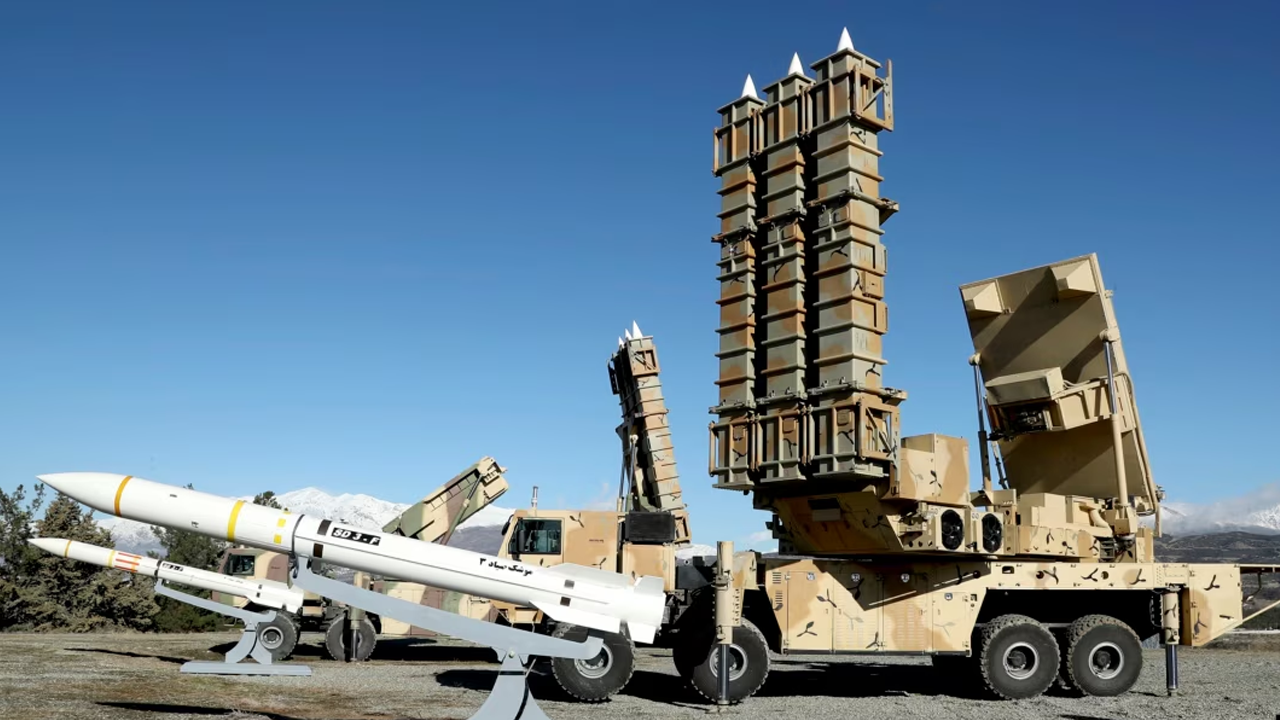
DARWIN, October 7: Iran has warned that it will deliver a stronger response if the United States or Israel launches another attack. The country also…

Darwin, October 05: Deaths in Australia are expected to outnumber births by the 2060s, according to a government report, marking a demographic milestone that countries…

Darwin, October 04: Ten people, including three children, have been injured after a car crashed into a crowd of rugby league fans in Newcastle, eastern…

Darwin, October 4: Australia’s central bank has raised interest rates to their highest level in 15 years, increasing mortgage repayments for millions of Australian households….

Darwin, October 3: Under pressure from US President Donald Trump to bring down rising fuel prices, G7 leaders are set to release up to 100…