Ten Injured After Car Ploughs Into Rugby League Fans in Australia
Darwin, October 04: Ten people, including three children, have been injured after a car crashed into a crowd of rugby league fans in Newcastle, eastern…




Australian scientists have definitively dismissed the claim that the common painkiller paracetamol (known as Tylenol or Panadol) causes autism when taken during pregnancy.
The in-depth umbrella review, published in The BMJ and co-authored by researchers from Monash University and international partners, was conducted in direct response to a statement by US President Donald Trump advising women against taking the drug during pregnancy due to alleged risks of the neurodevelopmental disorder.
The study concluded there is no clear link between maternal paracetamol use during pregnancy and subsequent diagnosis of autism or ADHD in children.
The authors found that confidence in the findings of existing evidence reviews on the topic is “low to critically low.” They suggest that any apparent association seen in previous observational studies is likely due to “shared genetic and environmental factors within families” rather than the drug itself.
Monash University Professor Helena Teede, a co-author, emphasized the importance of high-quality data:
“Science and vaccines have transformed public health… It is important to rely on the best collective evidence to understand the benefits and risks of vaccines. It is also important to continue research…”
Crucially, the review highlighted studies that utilized sibling control analysis (comparing exposed and unexposed siblings within the same family to rule out genetic factors). In those high-quality studies, the marginal risk of autism and ADHD that was initially observed disappeared or significantly reduced after adjustment.
The conclusion for pregnant women remains clear: they should continue to take paracetamol if needed, as untreated pain and fever can pose documented risks to the unborn child.

Darwin, October 04: Ten people, including three children, have been injured after a car crashed into a crowd of rugby league fans in Newcastle, eastern…
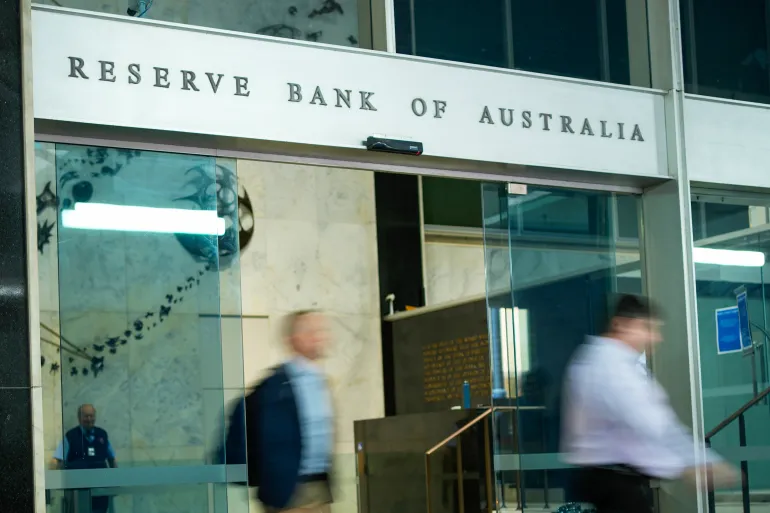
Darwin, October 4: Australia’s central bank has raised interest rates to their highest level in 15 years, increasing mortgage repayments for millions of Australian households….

Darwin, September 06: Bangladeshi-Australian community leader and Campbelltown City Councillor and former Deputy Mayor Mohammad Ibrahim Khalil Masud has formally announced his candidacy for the…

Darwin, September 02: Queensland has introduced strict new rules governing the use of e-bikes and e-scooters. From now on, people using these electric vehicles in…

Darwin, August 28: At least 39 Australian citizens are among nearly 1,500 people still missing following devastating flash floods and landslides in areas along the…

Darwin, 28 July : Australia’s new national emergency alert system, AusAlert, successfully completed its first nationwide trial on Monday. At 2:00 pm local time (AEST)…
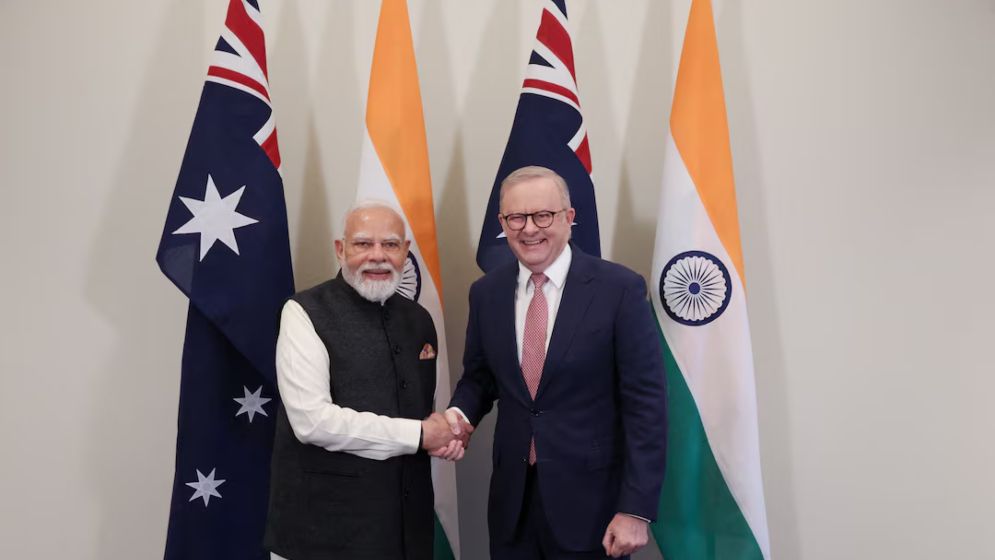
Darwin, 10 July : India and Australia have signed a significant energy cooperation agreement, including uranium exports, during Indian Prime Minister Narendra Modi’s visit to…

Darwin, 07 July : Local Australian rules footballer and school teacher Nathan Fitzgerald has died after suffering a catastrophic head injury during a match in…