Australia Opens New International Airport in Sydney
Darwin, October 25: Australia’s new international airport has opened to passengers in Sydney. Passenger flights began operating on Sunday (October 25) from Western Sydney International…




In its latest Intergenerational Report, released on Monday, Australia’s Treasury forecast that the country’s population would reach 39.3 million by 2065–66, 1.8 million fewer than projected in the previous 2023 report. The Treasury expects annual population growth to average 0.9% over the next four decades, compared with 1.4% over the previous 40 years.
The Treasury said the number of Australians aged 85 and over is projected to triple by 2065–66. It also forecast that all population growth would come from migration, as the fertility rate falls to 1.34 births per woman.
Despite the sharp decline in the birth rate, the Treasury expects Australia’s economy to more than double by the mid-2060s, driven by productivity gains from artificial intelligence and increased participation by women and older Australians in the workforce.
Treasurer Jim Chalmers said Australia’s economy faced significant risks from demographic change but also had “significant” advantages compared with other advanced economies.
In a statement accompanying the report, Chalmers said: “The report confirms that Australia is better placed and better prepared than most countries to deal with rapid change, but even with these advantages, we cannot afford to be complacent.”
The projections come as Australia, whose economic growth has been heavily reliant on migration-driven population growth, struggles with declining living standards amid a prolonged slowdown in labour productivity.
According to data from the Australian Bureau of Statistics, the 20-year average of Australia’s annual productivity growth fell to 0.8% in 2023–24, compared with 1.8% in 2003–04.
Higher labour productivity enables an economy to produce more goods and services using the same amount of labour, supporting economic growth and improving living standards.
The Business Council of Australia expressed doubts on Monday about the government’s economic projections, saying it could not be “taken for granted” that long-term productivity growth would rise to 1.2% as a result of artificial intelligence (AI).
The council, which represents more than 120 of Australia’s largest companies, said weak productivity growth meant real GDP per capita was now around A$2,000 lower than the level projected in the 2023 report.
“This is not a problem that starts 40 years from now—the cost of our failure to lift productivity is already being paid by Australians through lower living standards,” said Bran Black, chief executive of the Business Council of Australia.
The council said every Australian man, woman and child was around A$2,000 worse off because the country had failed to achieve the productivity growth path projected in the 2023 Intergenerational Report.
Tim Robinson, a research fellow at the Melbourne Institute of Applied Economic and Social Research, said AI could help improve Australia’s lagging productivity, but the “scale and timing” of its potential benefits remained uncertain.
“Our level of labour productivity has remained largely unchanged for about a decade. Without improvements in productivity, the Australian economy cannot grow as quickly without running into inflation problems, and people’s living standards do not improve as much as they have in the past,” Robinson told Al Jazeera.
“If the Australian economy can achieve the productivity growth outlined in the Intergenerational Report, that would represent a significant change,” Robinson said.
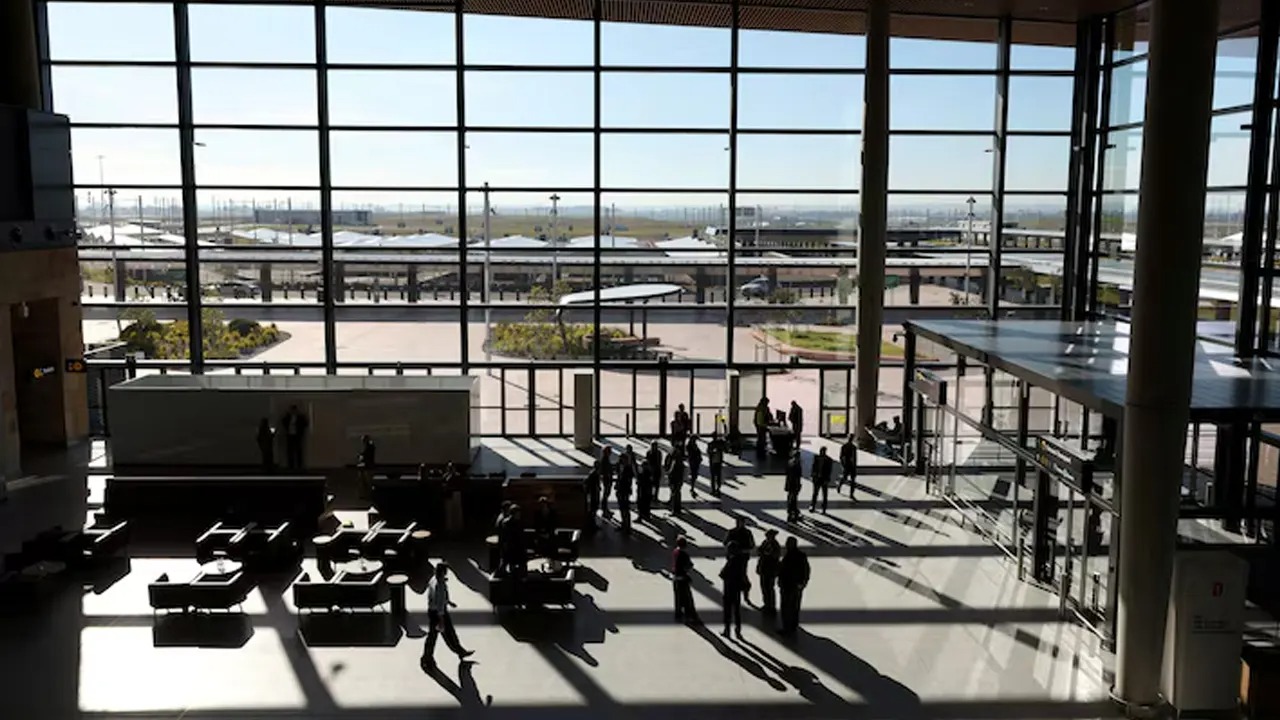
Darwin, October 25: Australia’s new international airport has opened to passengers in Sydney. Passenger flights began operating on Sunday (October 25) from Western Sydney International…

Darwin, October 25: The United States could launch fresh attacks on Iran as early as today. President Donald Trump said on Saturday, local time, that military…

Darwin, October 25: Global oil prices surged by more than $3 a barrel to above $116, reaching their highest level in six months, amid concerns…
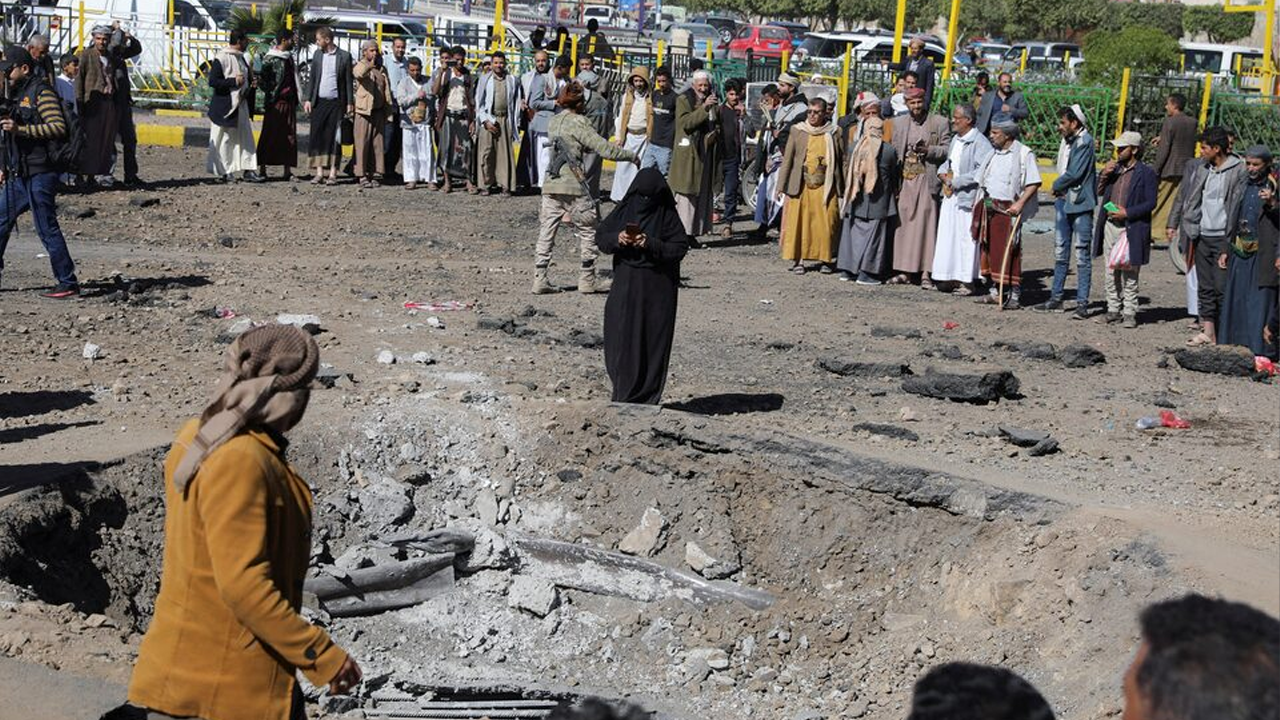
Darwin, October 25: At least nine people, including women and children, have been killed in two days of airstrikes in Yemen, according to the Iran-backed…

Darwin, October 21: Oil prices rose in global markets on Wednesday as traders grew concerned about potential disruptions to oil supplies in the Middle East,…

Darwin, October 21: Iran is prolonging negotiations with Washington in an attempt to politically weaken President Donald Trump ahead of the US midterm elections, according…

Darwin, October 21: Today is the auspicious occasion of Bijaya Dashami. The five-day Sharadiya Durga Puja, the biggest religious festival of the Hindu community, officially…

Darwin, October 20: Today is Maha Navami, the ninth day of Sharadiya Durga Puja. Members of the Hindu community will observe the day through religious…